Editor by: south china sea, vast expanse, island reef, rich in resources, beautiful and rich. In order to better understand the south china sea and to recognize the south china sea, the voice of science and technology, together with the south china sea marine institute of the chinese academy of sciences, launched a column entitled “beautiful south china sea”, which interprets the relationship between the “monsoon” and daily life in the south china sea, decrypts the thousands of years in which the resources of the “rock rings” in the south china sea are formed, opens the magical door to the interaction of “biodiversity” in the south china sea and swims happily in the knowledge ocean。
Overview, classification and structure of submarine volcanoes
Undersea volcanoes are various types of volcanoes formed at the bottom of shallow seas and oceans. The distribution of submarine volcanoes is fairly wide, with a global total of some 20,000 submarine volcanoes and more than half of the pacific ocean (tonga volcano is located in the pacific, as shown in figure 1)。
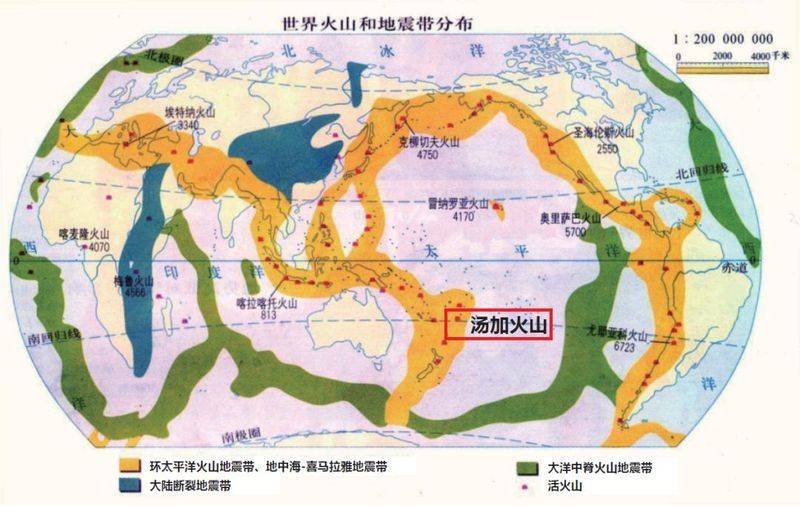
Figure 1 map of the world's volcanoes and earthquakes (photo from the network)
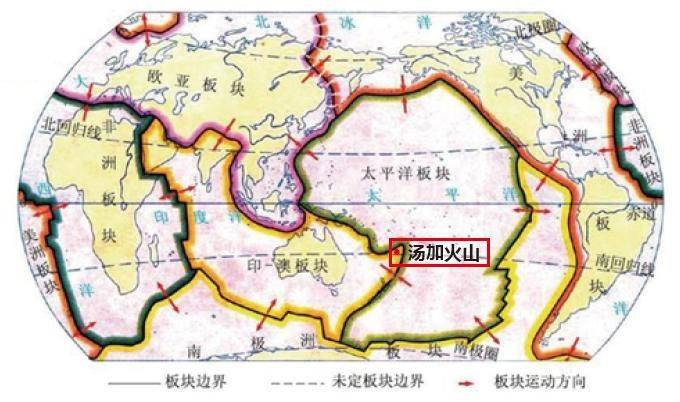
Figure 2
Seafloor volcanoes are concentrated on the boundaries of the earth's surface plates (figure 2), with a strip distribution known as the volcanic belts, such as the extended boundary of the plate (interoceanic ridges) and the convergence of the plate (cleavages); there are also some seafloor volcanoes scattered sporadically within the ocean basin (figure 3). Thus, submarine volcanoes can be broadly divided into three types: ocean ridges, trenches, and ocean basin volcanoes。
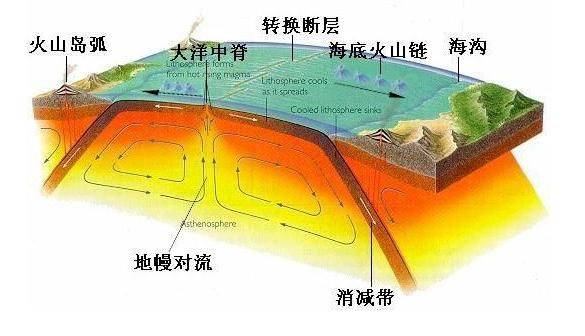
Figure 3
Tongan volcanoes belong to trench volcanoes. As the pacific plate dives to the indo-austral plate, the pacific plate continues to bring water- and carbon-bearing seafloor sediments and rocks into the earth's depths, forming molten magma that flows to the sea floor and creates submarine volcanoes as temperatures and pressures rise (figure 4)。
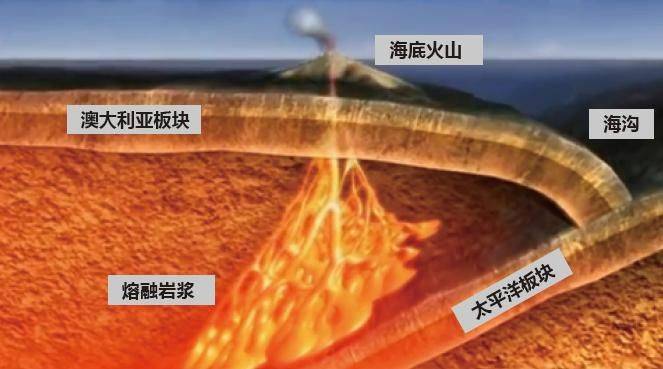
Figure 4 volcanic formation in trench (photo from bbc)
Ii. Environmental and disaster effects of submarine volcanic eruptions
When underwater volcanoes erupt, they often explode spectacularly when the water is shallow and the water pressure is low. This explosive seafloor volcanic eruption produces large amounts of gas, mainly water vapour, carbon dioxide, sulphur dioxide and some volatile substances from the earth's depths, as well as large amounts of volcanic debris and hot lava that condensate into ash, volcanic bombs and volcanic debris in the air。
The eruption of submarine volcanoes can have significant impacts on the environment in multiple circles, such as the hydrosphere, the biosphere and the atmosphere. The doba volcano on sumatra island, indonesia, was reported to have caused extensive damage to vegetation during the most recent eruption, when volcanic sulphides were combined with water molecules in the air, resulting in acid rain. High-temperature, toxic ash has landed extensively in surrounding areas, causing massive human and animal casualties. In addition, ash enters and stays in the stratosphere in the atmosphere, and the material in ash reflects sunlight, leading to a decrease in sunlight entering the surface and causing large-scale cooling. At the same time, volcanic particles fall into the vast ocean, providing fertilizers for marine algae, contributing to the growth of algae, increasing their absorption of co2 as a greenhouse gas and cooling the earth. Volcanic eruptions, however, released carbon dioxide that had been buried deep in the earth, warming the earth. The extent to which volcanic eruptions have caused global climate change in time and space is therefore subject to continuous scientific observation and further research。
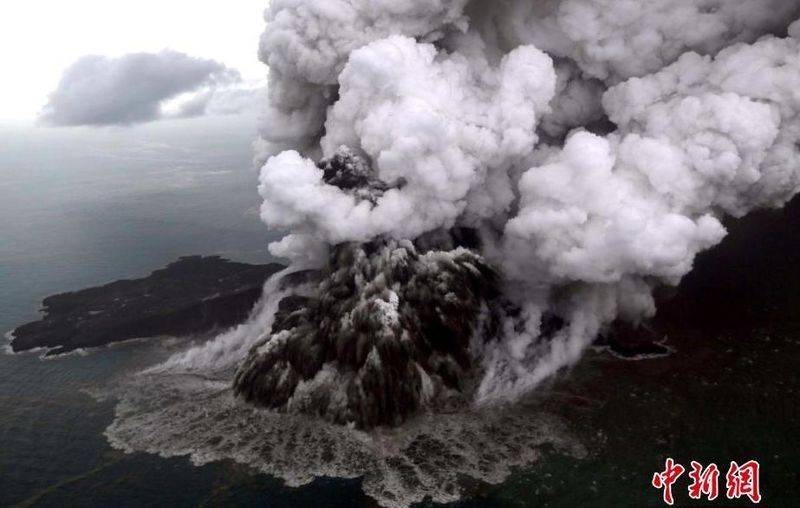
Another major disaster for submarine volcanoes is the tsunami. While underwater earthquakes were the main mechanism for triggering tsunamis, 5 per cent of global tsunamis were reported to have been triggered by volcanic eruptions (figure 5), such as the one that erupted in 2018 at krakatoa, indonesia (figure 6). The tsunami that occurred on 14 and 15 january 2022, when a series of intense eruptions erupted on the island of honga haapai in tonga (hunga tonga-hunga ha'apai) was caused by volcanic eruptions. In addition to having a significant impact on tonga, which has a population of about 105,000, the tsunami has had a severe impact on neighbouring countries such as fiji and samoa, and has issued tsunami warnings. In addition, the eruption produced a massive tsunami in the ocean, which was rare in history and affected many countries around the pacific, including japan, the united states, australia, new zealand, vanuatu and chile, and issued tsunami warnings (figure 7)。
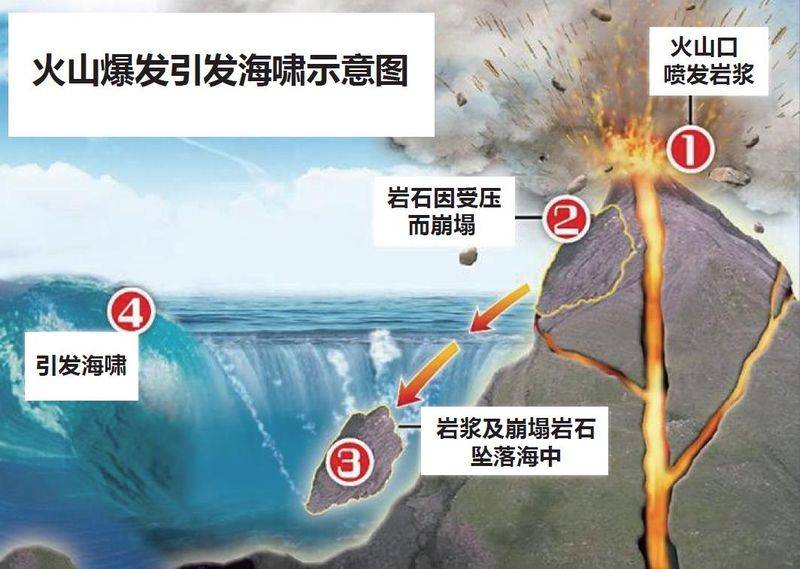
Figure 5