In winter, the weather is dry, and many people choose to use humidifiers to add some moisture to the air. But if it is not used properly, it can also harm our health. How do we use the wetter correctly? Let's watch the twilight together
What kind of water should the humidifier put in
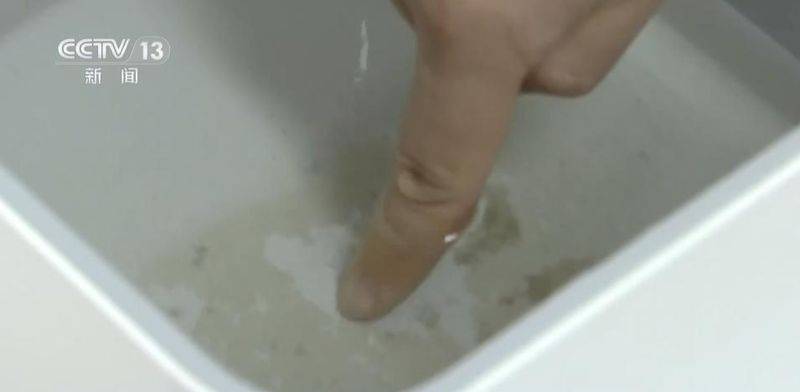
A few days earlier, journalists had purchased two identical humidifiers, one with running water and the other with bottled water. After several days of continuous use, journalists found that the bottom of the wetter using piped water had become significantly yellow and even a thin layer of water。
Dr. Zhao, deputy director of respiratory internal medicine, beijing friendship hospital, introduced the wetting device, which preferred pure or distilled water and did not recommend piped water. The total soluble solid content is high in tap water, and when ultrasound humidifiers use high-hard water, such as piped water, minerals in water may be mistled into small particles, spreading to air with water fog. These particles are inhaled into the respiratory tract and may pose potential health risks。
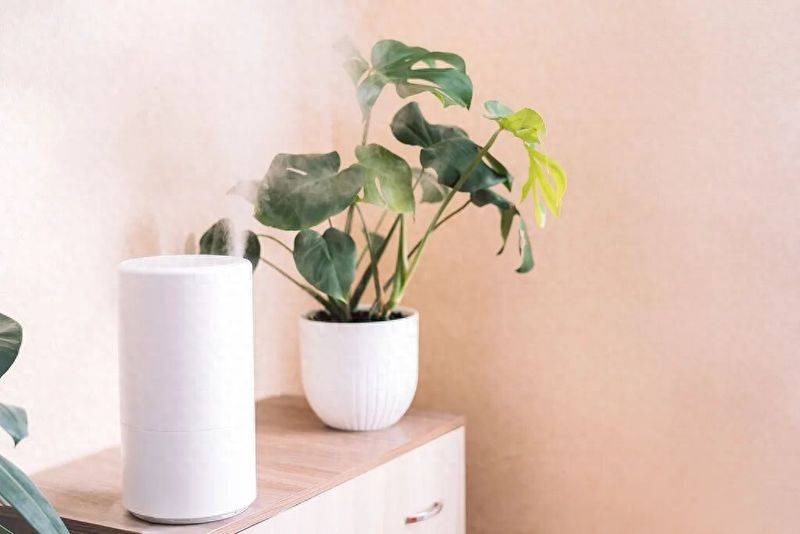
The experts recommended that, in the use of ultrasound humidifiers, commonly known as spray humidifiers, no direct spraying of the face or the respiratory tract should be used to avoid water fog irritating the respiratory system. Wetifiers should be careful to keep the water changed and regularly disinfected to prevent bacteria from growing。
In the course of their use, if they feel ill, they must turn off the wetter at the first time, open the window and ventilate, leave the current environment and avoid damage to the respiratory system。
Can you put material in the humidifier
In the use of humidifiers, many people drop oil and perfume in the water to make the air fresh. Experts cautioned that such an approach was wrong。
Inhalation of these organic chemicals may cause damage to respiratory mucous membranes and lungs, as well as an allergic pneumonia, commonly known as the “wetner pneumonia”, due to sedimentation on lung bubbles。
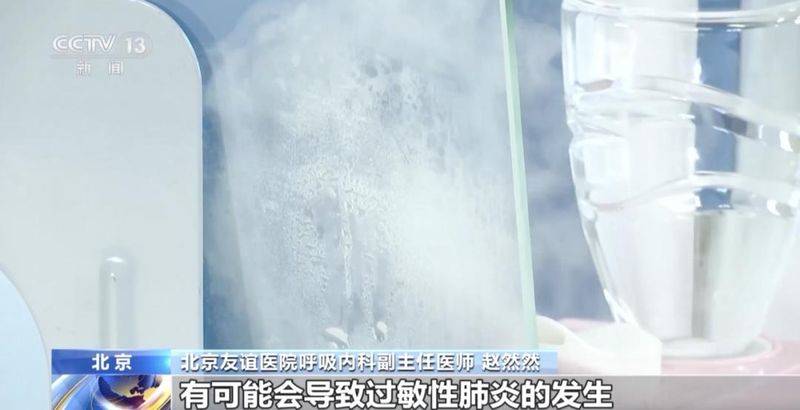
In addition, alcohol, disinfectants and some drugs should never be used in humidifiers. When the disinfectant is mixed with water, it is mistified by the wetter into small particles that spread into the air, causing damage to the mucous membranes of the respiratory tract. When sprayed, disinfectants may also react to air components, causing harmful substances and poisoning。
How do you use the humidifier correctly
Timely clean
Wetifiers should be careful to constantly change water, regularly sterilize and prevent bacteria from growing, preferably once a week, and wash water tanks and inner walls with brushes, water and so on. If the water is formed inside the wetter, the water can be softened with vinegar or a solution containing lemon acid before being washed away。
Watch your position
It is desirable that the wetner be placed at altitudes ranging from 0. 5 m to 1 m above the ground to perform effectively the wetting. When used, do not spray directly to the face or the respiratory tract in order to avoid the water mist causing irritation to the respiratory system。
Monitoring of humidity
In the use of the humidifiers, care is taken to monitor the environmental humidity and to avoid air-wetting over large amounts leading to respiratory discomfort. The range of humidity in the room can be monitored by a humidity meter, with a reasonable range of between 40 and 60 per cent of health, and if indoor humidity is above 50 per cent, the humidifier can be temporarily shut down。