Ordinary households should adjust their fishing and import consumption by fine-tuning, looking for alternatives and watching policy changes. In february 2026, when the united states customs policy experienced sharp fluctuations and the supreme court ruled that the old tariff was illegal, the white house immediately introduced a new “sacre” plus new taxes, a uncertainty that directly increased the cost of everyday imports。
Customs change: your shopping cart is becoming more expensive
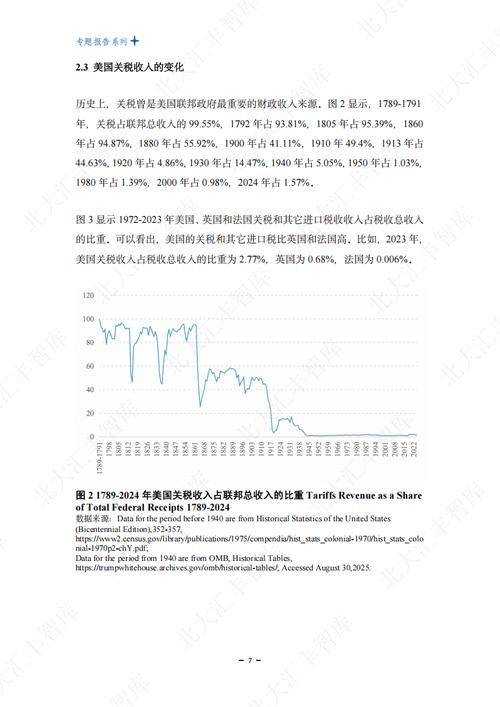
At the heart of this policy adjustment is the “two axes”: one is the abolition of old tariffs, but new taxes are being added. The supreme court found illegal customs duties imposed by the trump government under the international emergency economic powers act, but ruled that they were published for less than 24 hours and that the government imposed a 15 per cent global temporary duty on all imports under section 122 of the trade act 1974, valid for 150 days。
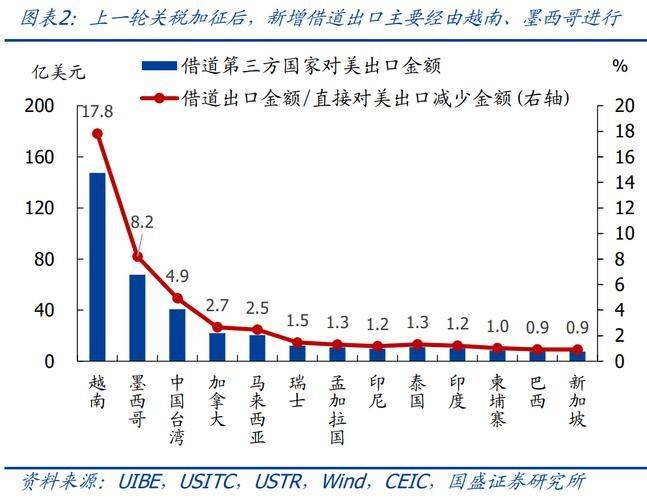
The second is the closure of the “tax-free passage” for low-priced fishing. The white house has clearly continued to suspend tax exemptions for the import of parcels worth less than $800, which means that additional taxes will now be paid on cheap clothing and spare parts previously mailed directly through platforms such as shein and temu。
More critically, most of these costs are passed on to consumers. Internal reports from the united states retail federation (nrf) warned that the 15 per cent tariff would push united states traders up by 8 per cent of the average price of excess goods, with a possible 10 per cent increase in household goods such as clothing, toys and electricity. Research also confirmed that 86 to 94 per cent of the tariff escalation in the united states was ultimately borne by united states importers, retailers and consumers。
So, whether you're a fishing american commodity or buying american goods imported into the country, terminal prices can increase。
Adjustment strategy: smart consumption to cope with fluctuations
In the face of this situation, ordinary families do not panic and can make smart adjustments in consumption habits and mindsets。
The total cost of “commodity price + tariff + freight” must be calculated before the next order。
Bearing in mind that policies change, the core of household consumption remains demand, value for money and stability。
In short, rational consumption, flexible adjustment is the best response for ordinary households in times of tariff policy variability。