


Strengthening the system of primary health services
Lee li, lin ji-young
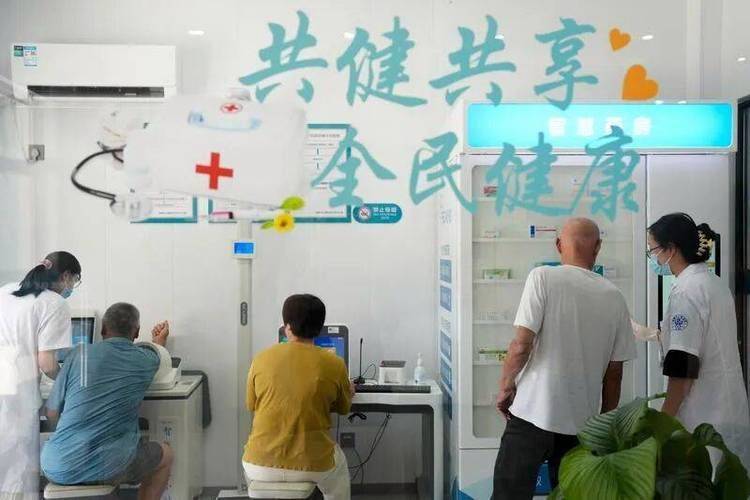
The system of health services at the grass-roots level is the first line of defence to protect the lives and health of the people and is a key underpinning for the promotion of social equity and the well-being of the people. Gansu is geographically large, geographically complex, with a relatively dispersed population, uneven development between urban and rural areas, insufficient resources for primary health care and weak capacity to provide services. It is important to improve the health status of the population, strengthen the health base in rural areas and promote high-quality economic and social development。
The building of a solid hardware base is a prerequisite for a sound health-care system at the grass-roots level. Increased financial precision and the creation of a special fund for the construction of primary health care, with emphasis on the rehabilitation of priority villages in the old revolutionary regions, ethnic areas, remote mountainous regions and villages, with diagnostic equipment such as fully automated biochemical and chemical analysers, blood cells, electrocardiograms, etc., as well as the upgrading of basic equipment and the regulation of basic diagnostic services. To optimize the distribution of resources, taking into account the distribution of population, transport conditions and service radiuss, the scientific establishment of primary health-care facilities, the establishment of a network of encrypted services, the elimination of service-blind areas, the establishment of mobile clinics, health check-ups, follow-up visits to chronic diseases, and the delivery of medical services to people's homes. To accelerate the digital smart transition and promote full access of grass-roots institutions to health information platforms at the provincial, municipal and county levels, so that electronic health files, electronic medical records, and examination and examination results are interconnected and recognized. A major effort has been made to develop tele-consultations, tele-images and telecardiograms, so that patients at the grass-roots level can benefit from the diagnostic services of specialists at the higher-level hospitals without being able to reach their homes and effectively solve the problem at the grass-roots level。
Building a strong workforce is central to building capacity for grass-roots health services. (c) to improve the policy of grass-roots excellence, optimize the incentives for employment, implement preferential policies such as subsistence allowances, housing security and compensation for school fees, and attract more medical graduates to primary level services. (c) clearing the channels of mobility and encouraging retired urban doctors and surgeons to visit and teach at the grass-roots level, thereby strengthening the grass-roots presence. (b) the development of a system of tiered training, the establishment of a four-level training mechanism at the provincial, municipal and sub-district levels, the regular provision of practical training in the management of common cases, public health services, patient and patient communication, hospital awareness and control, and the overall upgrading of the professional literacy and emergency response capacity of primary-level medical personnel. (c) strengthening of security of treatment and career incentives, the effective promotion of the remuneration of medical personnel at the primary level, the implementation of the communal work allowance, the hardship allowance for remote areas, and the improvement of the policy of preference for job titles, so as to enable grass-roots talent to be motivated and motivated. (d) to improve care and care mechanisms, improve working and living conditions, create a climate of respect for the health and well-being of primary health-care providers。
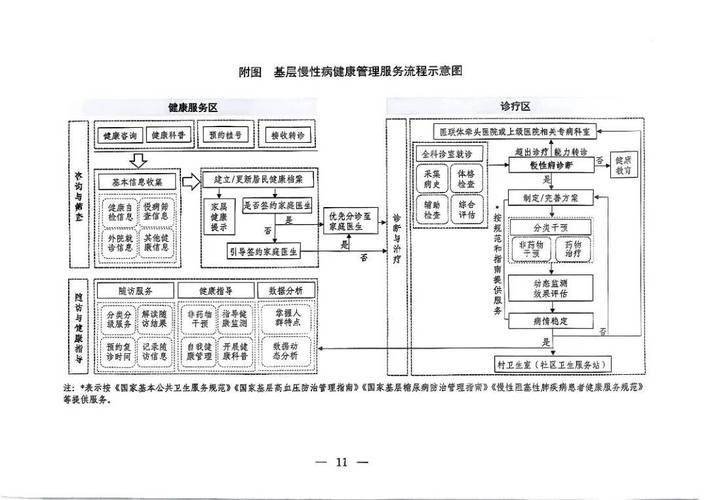
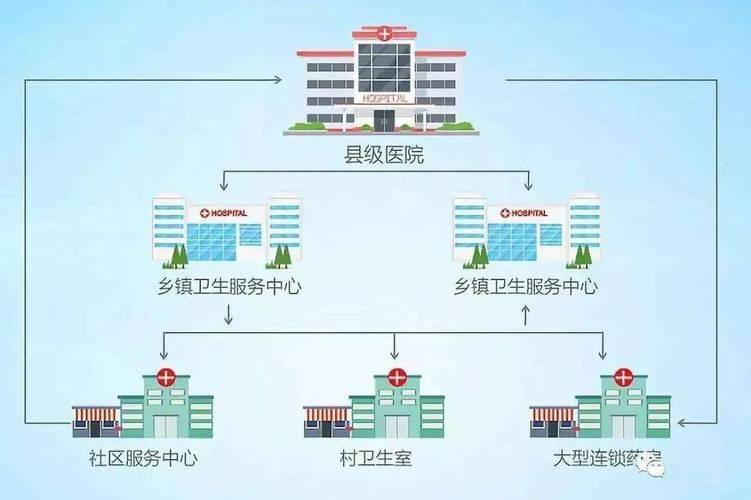
Improving the system of services is an important tool for improving the effectiveness of health care at the grass-roots level. Efforts will be made to build networks of grass-roots health services that are linked, synergized and linked to prevention and treatment, and to move the service model from “care-centred” to “health-centred”. To strengthen the lead role of the district hospitals, to strengthen the functioning of the district health centre, to strengthen the village health room network, to establish clear functional positioning and coordination of work, to establish a hierarchical, two-way referral green channel, and to establish a reasonable order of access. (c) to expand the provision of inclusive health services and provide comprehensive family doctors with contracted services, with health assessments, drug guidance, home visits, rehabilitation and other services, focusing on the elderly, maternity, children, persons with disabilities and chronically ill persons. :: actively promote the integration of health care, care, care and health management resources to meet the diverse health needs of the population. It regulates the establishment of slow disease management centres for the long-term monitoring and treatment of priority diseases such as hypertension and diabetes. (b) to ensure strict supervision, to establish a sound system of quality management of medical care at the grass-roots level, to improve clinical standards, operating procedures and standards for the use of medicines, to strengthen the monitoring of the entire process, to secure the minimum level of medical safety and to ensure the protection of the health rights and interests of the population。
Strengthening long-term security is fundamental to promoting sustainable health care at the grass-roots level. (b) to improve the mechanisms for long-term financial investment, to ensure that primary health care is fully integrated into all levels of the budget, to maintain a steady increase in investment levels and to optimize expenditure structures, with particular emphasis on the construction of facilities, the development of human resources, the implementation of basic medicines and public health services. Actively broadening funding channels and encouraging the participation of social forces in grass-roots health-care construction, leading to a virtuous pattern of government-led and multi-participatory participation. Building on the strength of the resources of chinese medicine in our province, we have vigorously promoted appropriate chinese medicine technology, expanded the use of chinese medicine in primary health care, preventive care and rehabilitation care, and promoted the deeper integration of chinese medicine with primary health care. - strengthening health awareness, conducting health visits, consultations and thematic campaigns to guide the public in the development of scientific health concepts. The spirit of professionalism of the health-care providers has been vigorously promoted, bringing together the strong synergy of society in its interest in supporting the development of health care at the grass-roots level。
Author: first clinical medicine school, gansu secondary medicine university



