The results of the evaluation published earlier in ifixit, known as t14 gen 7 and t16 gen 5 have received 10 full points in their maintenance rating system for the latest generation of business-oriented tinkpad t series, is the first time in the history of the t series that has received the highest level of maintenance rating, and is considered an important milestone in the maintenanceability of mainstream business notes。
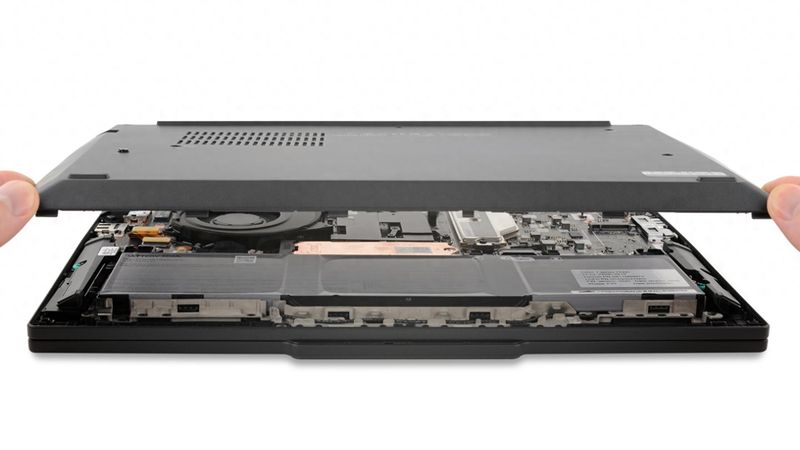
The ifixit notes that this is not symbolically “maintainable”, but rather a dominant business model in which businesses are heavily procured, commuting on a daily basis and taking the lead role in long office hours, which is significant for large organizations that need to control downtime and maintenance costs. T14 gen 7 previously received 9/10 points on the high modular design when it appeared on the mwc in 2024; over the past two years, the consortium has sought to continue to optimize in an iterative manner around maintenance, with a view to increasing the rating to 10/10。
In this process, collaboration with ifixit was considered crucial. The ifixit solution team intervenes at the product development stage to dismantle and evaluate the prototypes and to provide feedback to the consortium on the improvements proposed in terms of structure, model layout, fixed form of parts, etc. In conjunction with the tinkpad product management director, christoph blindenbacher, it is stated that the design of a serviceable product is not simply a “fresh-up” product, but rather a higher requirement for engineering discipline, design clarity, and the conglomeration of personnel who use and maintain equipment, and requires that serviceability be included in the core design constraint at the outset of the project, rather than passive optimization at the end of development。
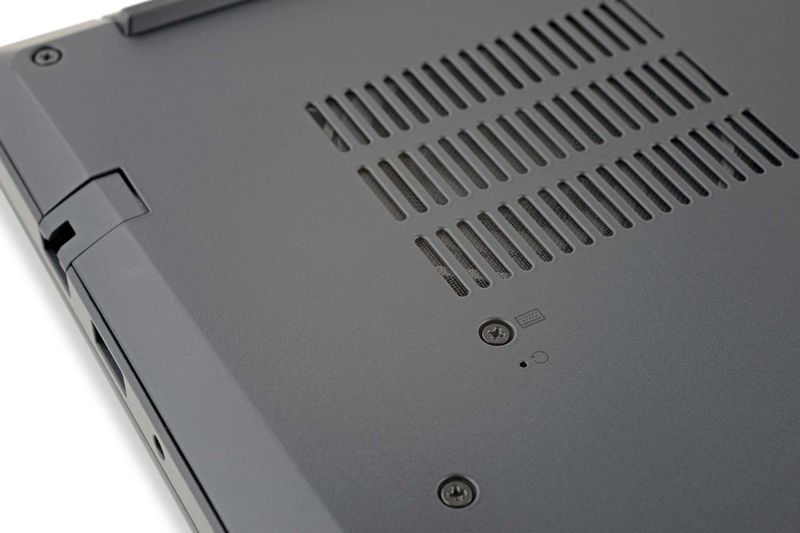
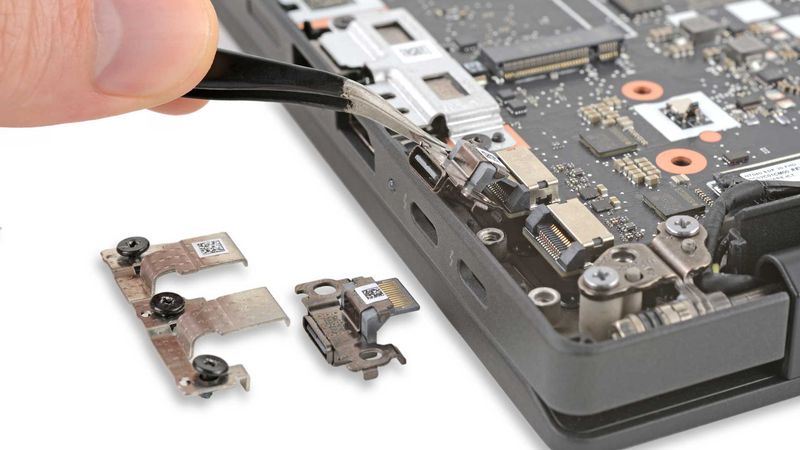
In terms of specific design, a new generation of t series has built maintenance ecology around easily accessible, reusable components, using modularization and scrapping as a core approach. These include: almost free of tools to complete the replacement of batteries; ssd storage using the industry standard m. 2 interface; a greatly simplified keyboard replacement process for steps; a rapidly dismantled lpam2 memory module; a simplified structure showing a total maintenance process; and a modular radiator system with an independent replacement fan. The thunderbolt interface on both sides of the fuselage is designed to replace the worn-out interface in isolation and is considered by ifixit to be a major advance in the current generation's high-loss i/o design。
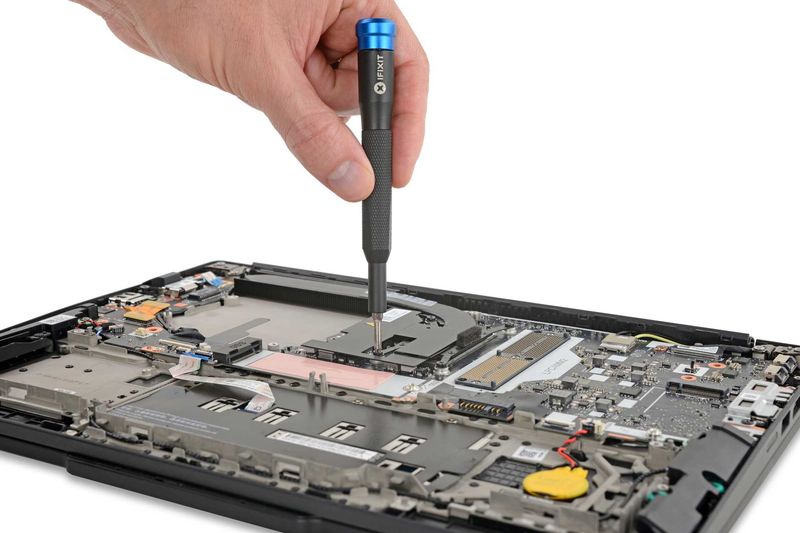
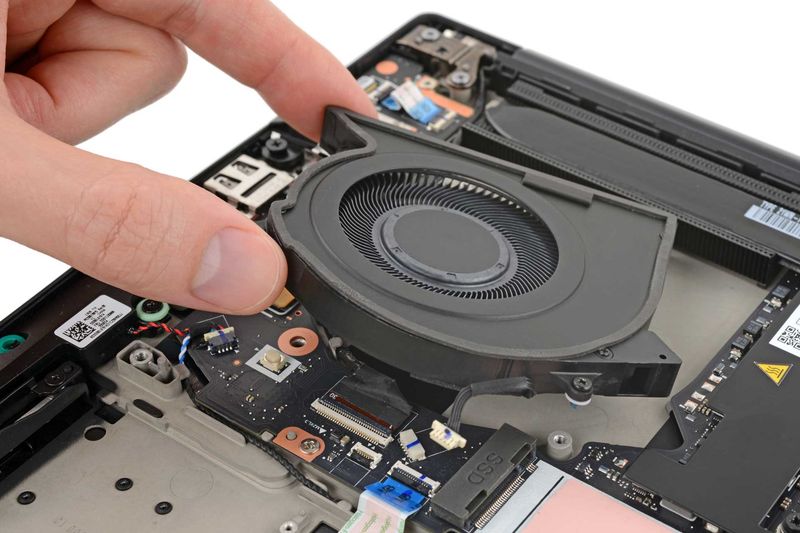
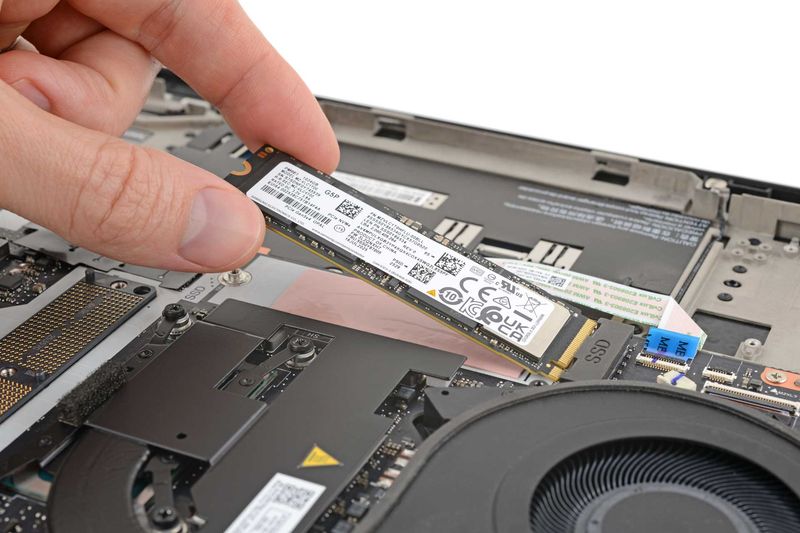
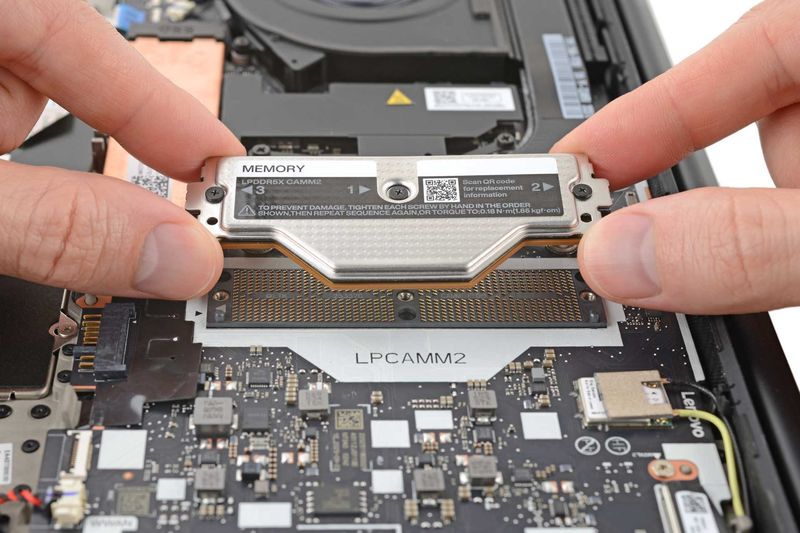
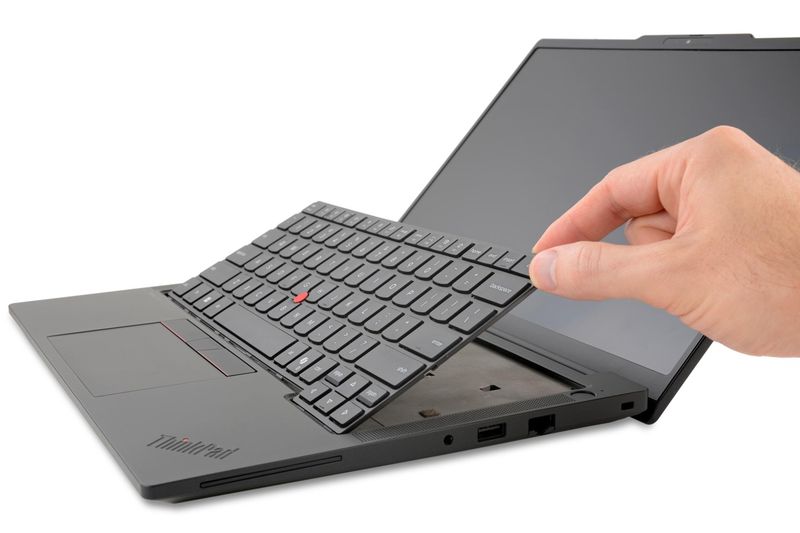
Ifixit also stresses that the above-mentioned high scores are still “provisional” and will be confirmed as soon as the formal availability of complete maintenance files and replacement parts to the public through its official support website is secured. In accordance with ifixit's rating criteria, repairability is not limited to structural disassembly, but also includes dimensions such as availability of parts and tools, openness of official maintenance information, etc., and therefore follow-up on the supply of documents and accessories will have a direct bearing on whether the rating can be converted to a formal full score。
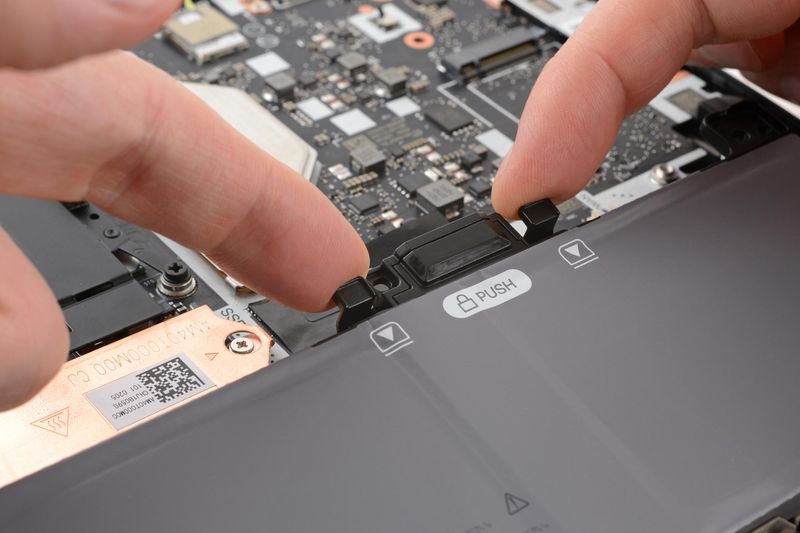
Despite this top 10 rating, ifixit also states that this does not mean that the product is “finished” in its maintenance experience. For example, not all interfaces are fully stand-alone modularized, some use less frequently i/os are still integrated on the main or small breakboard, and wi-fi modules have not yet been easily replaced, and parts such as screen panels and cameras still need to deal with some degree of adhesive structure when deeply dismantled. In the view of ifixit, these detailed differences are precisely those parts of the scale that are difficult to fully cover and that indicate that maintenance should be considered a continuous process of improvement rather than a one-time endpoint。
On the other hand, it was suggested that 10/10 would be seen as a new “starter” rather than a endpoint, and that beyond the rating, it would be desirable to truly translate repairability into faster maintenance, longer whole-life, lower cost of ownership and fewer electronic waste, measuring success through actual client experience and real maintenance data, rather than relying solely on external rating benchmarks. At the same time, it is emphasized that design around maintenanceability does not mean compromise on innovation or high-end experience. On the contrary, sound modularization and service-oriented design can drive smarter innovation and build more resilient product platforms。
In terms of modalities for cooperation, it was also admitted that the involvement of “direct and uncompromising” third-party institutions in the development process had raised internal concerns about the risks of increased complexity, design constraints and external criticism. However, as teams gradually see how early feedback can reduce lateral problems, and how minor structural adjustments can significantly improve maintenance without sacrificing performance, the recognition of the value of cooperation also increases. It is assumed that the result of the new generation of t series 10/10 is itself a direct expression of this trust and shared input。
If maintenance is to be truly mainstreamed, it will be necessary to land on the line of products with the largest volume. At present, the union is still the largest pc producer globally, while the thinkpad t series is its “master” in business-oriented markets, widely deployed in large organizations dependent on stable office environments. Obtaining a full score of maintenance on such a mainstream business machine is seen as a “challenge letter” to the industry as a whole, and it is expected that other oems will be encouraged to upgrade maintenance from smaller to hard indicators in procurement decision-making and fleet management。
Ifixit stressed that there was a continuing commercial partnership with the consortium and that it recognized that there was a “natural preference” for a serviceable product, while reaffirming that the starting point for the maintenance rating system was an independent assessment of the user's ability to easily access the information, tools and accessories needed for maintenance throughout the product's life cycle. In any event, with the advent of t14 gen 7 and t16 gen 5, the mainstream business notebooks are “new b” on repairabilityThe new set of standards is being developed, and how the market and regulatory environment will respond to it will be a focus of industry attention。