
The endorsement is one of the most painful things for new candidates. But as a subject of literature, we can't go around the spell of the back。
In particular, there are underlying terminology concepts that are both high-frequency points of view and “bricks” for the construction of our new disciplines. It is only with a precise understanding of the meaning of the terminological concepts that we can further develop the entire academic landscape and thus interpret the phenomenon of transmission。
So, starting today, the watermelon school takes some time of debrisation every day to recite. I'll die with you。
What are our terms
In keeping with the concept of “efficient” preparation, the watermelon school has chosen 350+ core phrases in its vast new dictionaries, which are often frequent users of basic topics such as the interpretation of terms and the identification of topics in the written subjects of the new university。
For the examination of these words, “accurate” and “comprehensive” are important two dimensions. While the relevant considerations are not difficult, it is not easy to fill the scores with simple titles. There must be a need for an accurate memory of the words “defining what they mean, what they mean, what they mean”。
In this regard, the "secrets" column will also decode and mark the name according to the above-mentioned plate. Students are able to understand -- remember -- try to repeat them in such a way that they can easily grasp each day's terms, save themselves a lot of energy to comb through and remember all the key words with your efficiency
Starting with the subject of "communication", the academy will continue to introduce key terms for each subject. It includes key terms for journalism, web-based communications, radio and television journalism, news operations, media economics, advertising/marketing/public relations。
The babies would like to come to school and play cards every day。
Today's phrase
01
The knowledge ditch hypothesis
Presented: in the 1960s, there was a growing social voice for equality of opportunity in education in the united states, one of the contexts in which the gap in learning abilities and achievement between rich and poor children in schools was a matter of great concern to society。
Under strong social pressure at the time, the united states government proposed a supplementary education programme, one of the major projects being the production of a children's initial education television series entitled sesame street。
In response, in 1970, tichina, donoghue and orion presented the knowledge gap hypothesis in the paper mass communication flows and the growing knowledge gap through empirical research。
The basic point of view of the knowledge gap hypothesis:
First, as the mass media spread more information to society, the knowledge gap between the two categories widens, as the socio-economically well-off will have faster access to information than the poor
Secondly, for a period of time, the media have promoted a topic that more highly educated people learn more quickly than less educated people
Thirdly, the knowledge gained is more relevant to the level of education in a given time than in a topic that is not well publicized。
Fourth, knowledge gaps in areas of interest to everyone are more likely to occur than in specific areas of interest。
Factors arising from knowledge gaps: differences in communication skills; differences in the amount of information available; differences in social ranges; the role of mechanisms for selective contact, understanding and memory; and differences in the mass media。
02
Digital divide theory
Presented: the concept of the digital divide originated in a report published in 1999 by the national agency for telecommunications and information (ntia) of the united states of america entitled “lacking the web: defining the digital divide”。
Perceptions: the digital divide is shaped by the development of knowledge and information divides in today's era, and is more reflected in four differences in access to and use of the new digital media, represented by the internet, which can be summarized as “abcd”。
A, or access, refers to differences in infrastructure, hardware and software conditions for access to and use of the internet, where the economic advantage is prominent。
B, abasic skills, refers to differences in the basic knowledge and skills to process information using the internet, and the acquisition of knowledge and skills
Level and education are related。
C. Content, which refers to the characteristics of internet content, the clients of information, the orientation of speech systems, etc., which are more suitable for use and benefit。
D isire, which refers to differences in willingness, motivation, purpose and pattern of information search。
Reasons for this: the digital divide has been created worldwide by information asymmetries between the level of the economies of developed countries and the degree of informatization and that of developing countries, and by regional, industrial, ownership and enterprise size。
Congratulations, today's mission is complete。
I'll see you tomorrow
# link up #
New shift is underway


The entire school is in progress



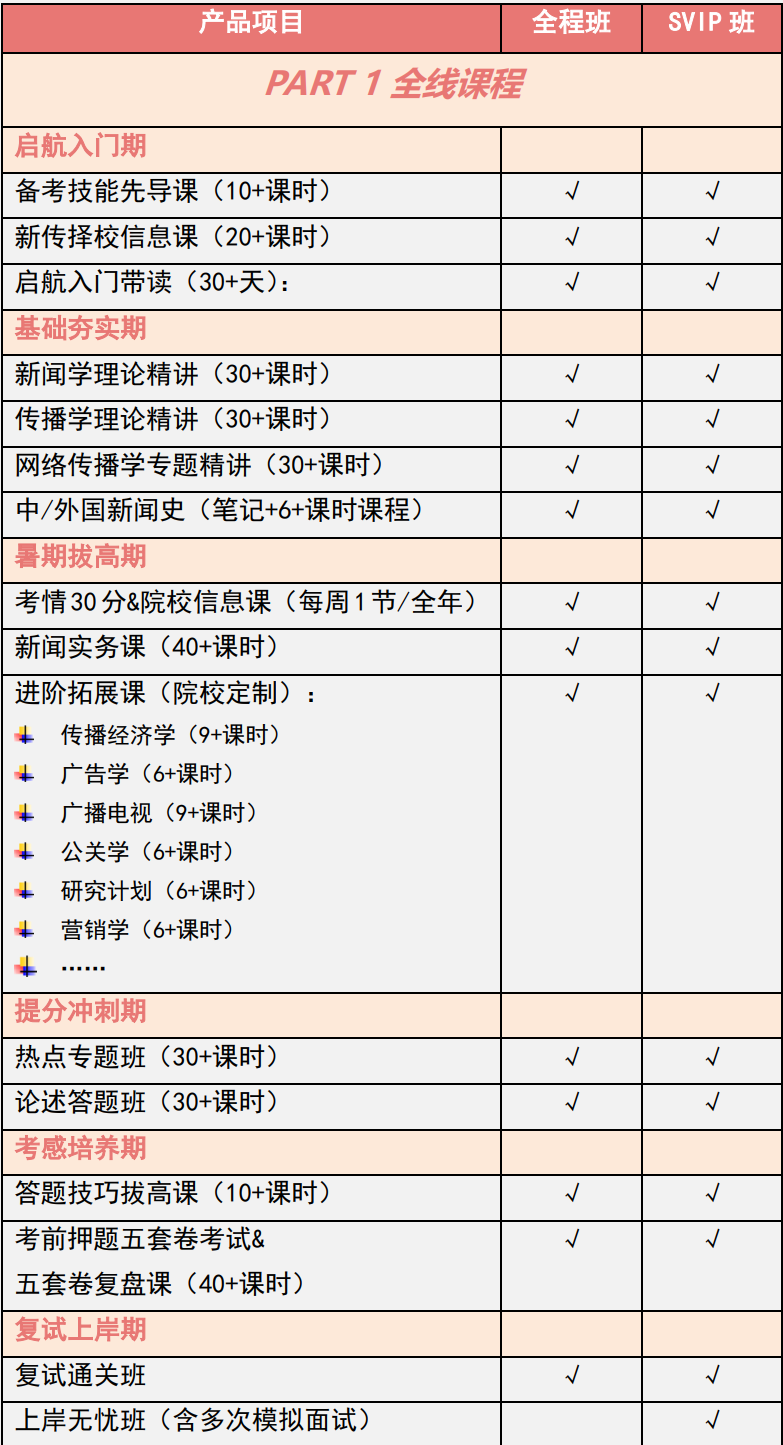
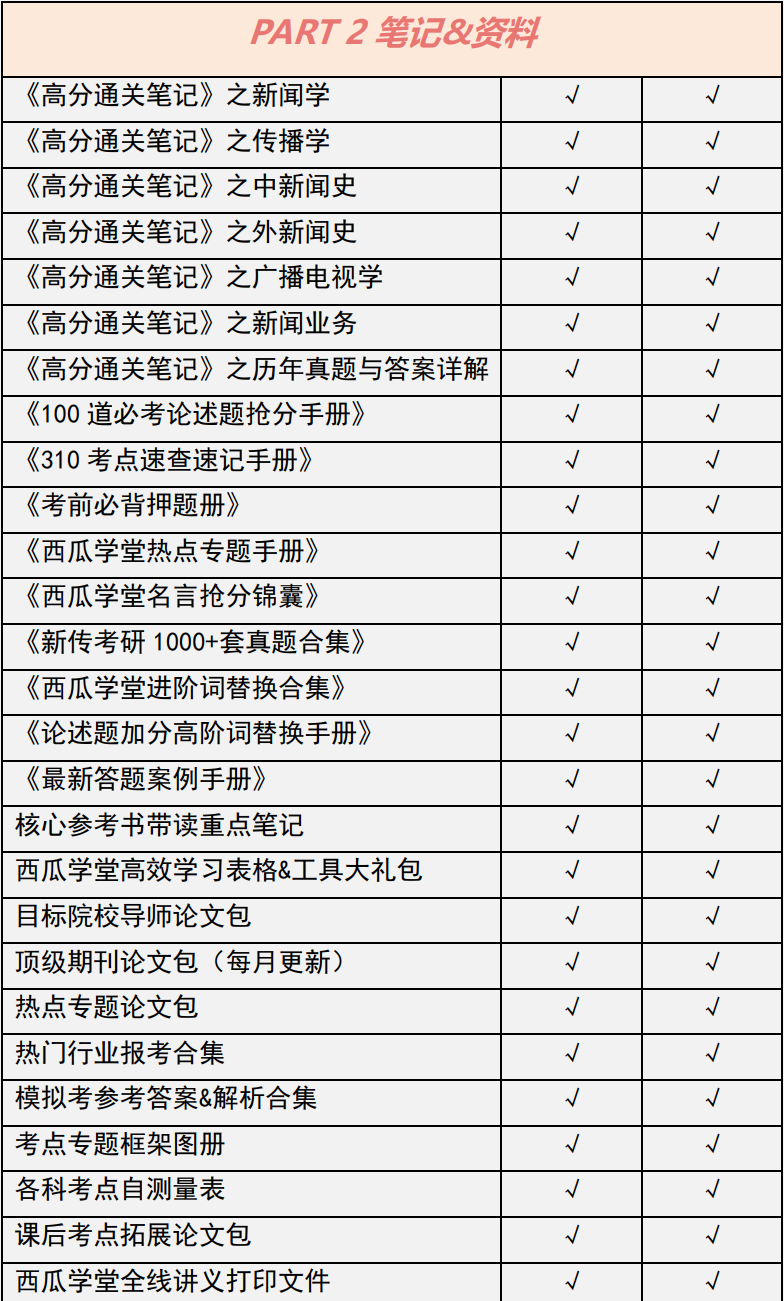
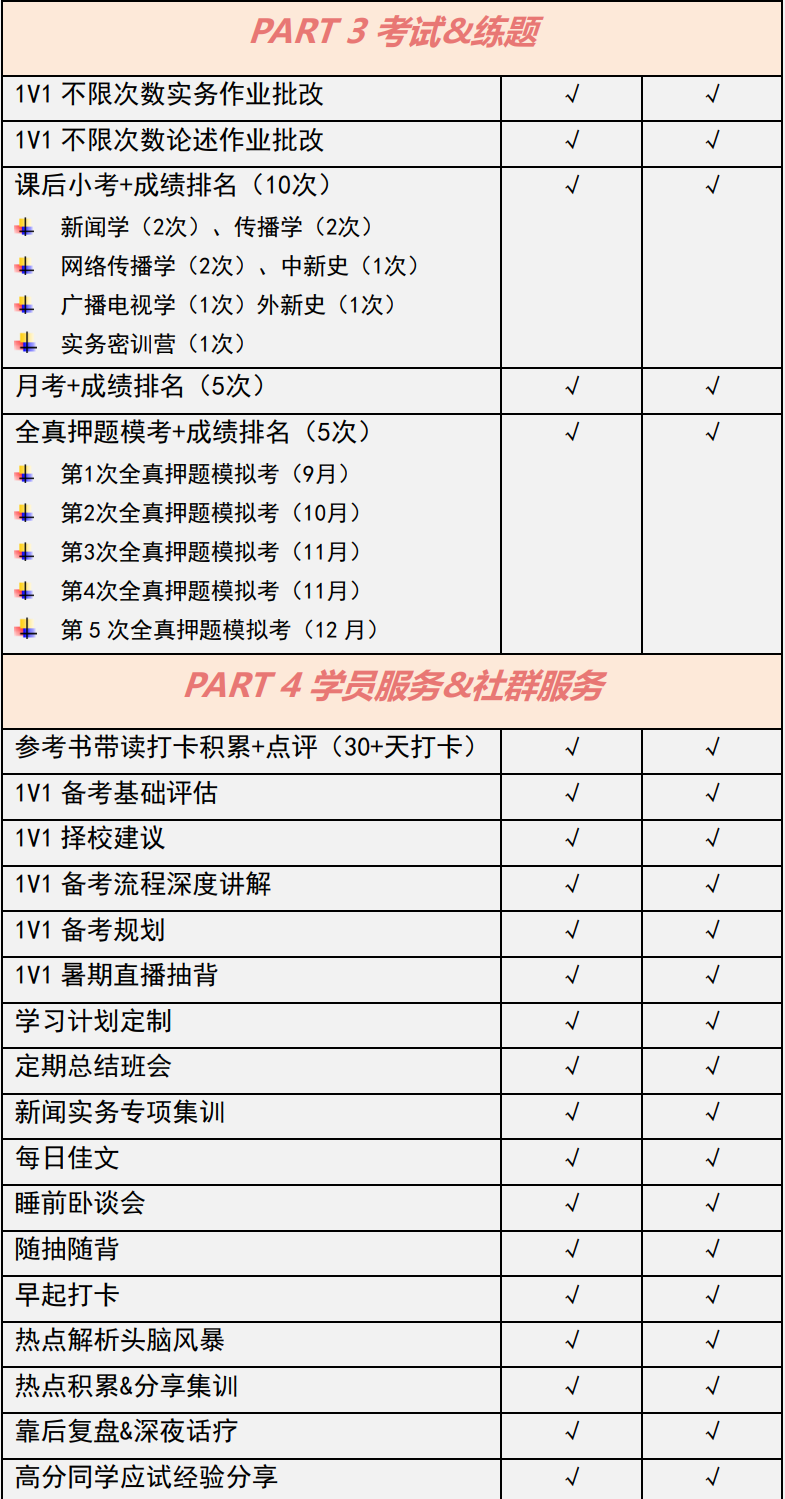
Note: university of finance and economics of the south-west, sichuan university, university of electronic science and technology, sichuan provincial school of social sciences, chengdu polytechnic university, south-west transport university, chengdu university, etc., are offered a customized full course of study。