


As an innovative form and means of teaching and learning, it is possible to develop the creative thinking and imagination of young children in a rich form of teaching and creative work, to exercise their learning abilities and comprehensive literacy, and to enhance their innovative capacity and core literacy. At the same time, rich graphic performances and learning models enable young children to develop a sense of self-learning thinking and competence in the process of enriching learning and emotional experience。
In this regard, during the teaching of kindergarten education, the creative and pedagogical guidance for drawing plays is being strengthened, and it is possible to develop more learning talent with the potential for innovative thinking and the development of comprehensive quality skills, based on the improvement of the quality of teaching in kindergarten education。
1. Meaning of kindergarten drawings based on a child's perspective
Enlightenment of education is at the heart of the educational activities of kindergartens. In early childhood, young children are at an embryonic stage of thinking and learning. Compared to the teaching of rigid theoretical knowledge, there are interesting, guiding things and forms that enable young children to develop more specific cognitive and learning habits while rapidly understanding various knowledge skills. At the same time, a rich and innovative concept of educational concepts and means can also improve the level of education and the quality of teaching in kindergartens。
As an efficient means of sex education and instructional guidance based on drawing materials, the drawing plays not only translate abstracted textual, conceptual information into visualized illustrations and activities that students can easily understand, but also improve the production and teaching of the drawings from a child's perspective, better aligning the learning and growth patterns of young children, thereby increasing the level of understanding and learning skills of young children as they develop their reading and learning。
In addition, the production and teaching of graphics from a child's point of view can also lead to a better understanding and appreciation of young children's learning thinking and thinking, with the foundation of their own learning abilities, their level of cognitive awareness and core literacy development needs as an entry point, the continuous refinement and optimization of educational and pedagogical guidance and tools, and the promotion of all aspects of the quality and effectiveness of early childhood education, as well as the overall development and advancement of young children's learning capacities and core literacy levels。
2. Guidelines for the creation of kindergarten drawings based on a child's perspective
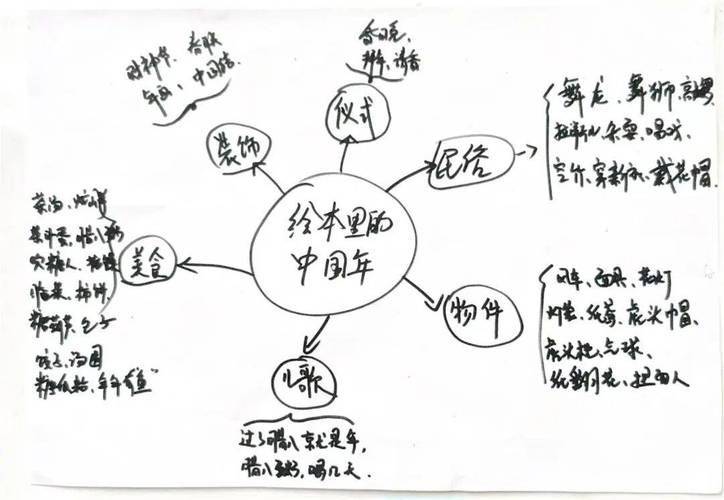
2. 1 summary of creative thinking and analysis of teaching issues
Educational and pedagogical activities need to be carried out in the context of scientifically sound teaching arrangements and design research, taking into account young children's own learning development needs and competencies. In particular, in order to achieve its full impact in the creation of the kindergarten script, considerable effort and time have been devoted not only to improving the form of teaching and the organization of the drawings, but also to focusing on the drawings in the eyes of young children. It is only through genuine integration into the mind and spirit of the young child that the more scientifically sound form of educational thinking and the creation of drawing plays will be able to guide the young child into the learning and activities of the drawings, and to develop and exercise in all aspects to improve the comprehensive quality of the young child。
To this end, it is possible to identify the ideas and objectives of the drawings, to take stock of existing teaching problems and shortcomings, to better engage in the productions of the drawings, and to find effective ideas and directions suitable for young children to learn and understand the forms of drawings. For example, during the course of the traditional book-reading exercise, the knowledge that young children can learn is largely acquired by teachers, even if they are able to experience a rich picture-playing mission, it is simply “wield puppets” and is entirely dependent on the organization and direction of teachers. From the perspective of young children themselves and in their way of thinking, such forms of learning are not only passive but also easily feed into teacher-dependent thinking and habits. To this end, it is important to transform educational thinking and the creation of drawings, guided by children's own exploration and curiosity, to develop the layout and content of the drawings, to stimulate young children's search and learning, based on the need to learn and explore the growth of their thinking, and to enable young children to learn and learn about the drawings themselves, so that they can learn about and feel about the development and progress of their levels of cultural literacy and learning skills in their ongoing interaction with small partners and teachers。
For example, during the creation of the classic cultural theme of the book "sniffing the bell", in order to give young children access to the abstract concept of the film's theme "don't deceiving yourself", they can start with the simplest act and ideology of "don't lie" by expanding the storylines and lines of performance, thereby enabling young children to follow their master's words and understand and grasp the costs and consequences of the act, and then gradually lead young children to explore the consequences of the act of "sniffing the bell" and the content of the knowledge and information that they should have。
At the same time, it is possible to use children's criteria and ideas of appreciation of the outside world to lead young children to communicate and express their own feelings, understanding, and extended thinking and ideas about this behaviour. When young children express their own thoughts and views, teachers can make a unified assessment and evaluation, affirm the right ideas and perceptions of young children, correct misconceptions and perceptions that exist in young children and shape the right intellectual values and learning. It is also possible to identify creative forms and teaching strategies that are easier for young children to understand and learn about, as part of the process of improving the quality of the teaching of the drawings and continuing to summarize their creative thinking。
2. 2 enrichment of materials to ensure educational effectiveness
The content of the children's drawings is rich and suitable for young children to learn and learn from a variety of types of drawing stories. Among them, the material suitable for the creation of the drawings is numerous, combining the planned objectives of kindergarten education and the learning and development needs of young children themselves, choosing different themes for the creation of the drawings, enabling the development and upgrading of the capacities of young children in all their aspects, and effectively ensuring and improving the quality and effectiveness of education in early childhood。
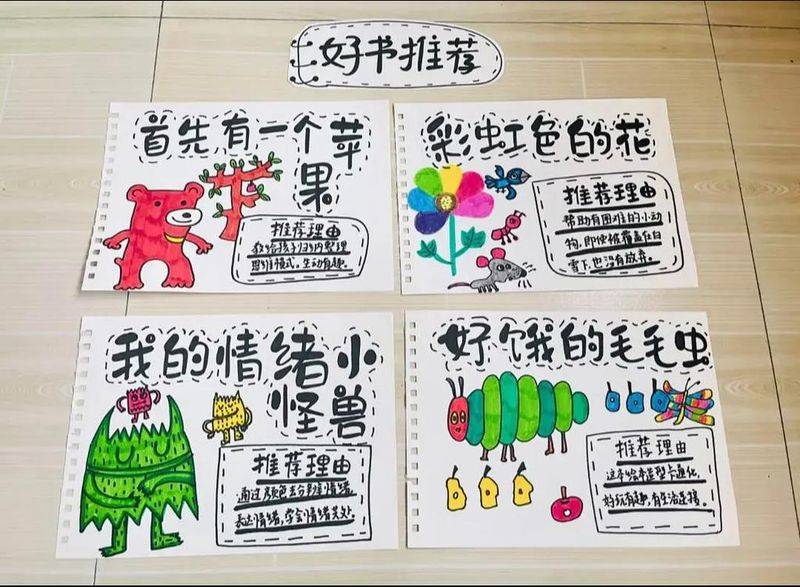
For example, the creation of a screenplay of drawings that select art-type themes helps to develop creative thinking among young children, tap the artistic potential and sense of awareness of young children, and the creation of a screenplay of drawings that select science-oriented themes helps to build a solid foundation of knowledge and competence among young children and to increase their scientific literacy and learning. In addition, drawings in the form of fun-directed strategies and activities have been created, as well as to foster the development and upgrading of the core quality of young children. During this period, creative thinking can be adapted flexibly to the actual learning level of young children and capacity development needs. It can also be based on excellence in the rich type of painting the theme, constantly intensifying innovation and creative change, developing different drawing materials and the distinctive features and strengths of the production of the work, improving the quality and effectiveness of early childhood education in all its aspects. At the same time, the learning ideas and needs of young children can be analysed and researched, and their learning and development needs can be addressed from a child's perspective through the production of drawings。
In this context, the progressive development and upgrading of young children's learning skills and abilities, based on the different stages of learning and the level of development of their abilities, using the concept and design of a staged drawing exercise, can shape young children's consciousness and qualities in different aspects of their abilities in building the foundation of their capacities. For example, in the process of selection and creation of the theme of the drawings, young children in small classes may, in order to ensure the quality and effectiveness of education for young children, choose the basic knowledge content or the common knowledge of life, which will lead to the creation of life-oriented teaching concepts and scenarios that will lead to the growth of common knowledge and learning skills. At the same time, a young child's perspective is used to reflect on the dynamics of the play. Learning approaches that are more appropriate for learning and understanding in early childhood are the identification of problems, the exploration of problems and the resolution of problems。
In this regard, during the production of the drawings, a framework of problem situations can be created based on young children's thinking patterns, whereby young children follow the teacher's guidance and take the initiative to observe and reflect on the issues raised by the teachers, or the story of the current drawings. It then assigns different story-playing roles and tasks based on the subject of the story and the performance of young children in the drawings, helping young children to acquire knowledge and learning tasks at different levels of orientation and competence, and is able to direct young children to learning and behavioural habits that are willing to observe, think about and solve problems while rapidly focusing their learning attention。
In addition, the basic knowledge education and interactive forms contained in the drawing plays enable young children to develop active communication, positive thinking and socialization patterns of behaviour and thinking in the rapid integration of the drawing performance. Of course, in order to increase the difficulty of drawing the script, young children in secondary or higher classes may also benefit from the creation of themes and teaching activities that include astronomical, geographical or social knowledge, which are constantly enriching the production of the play, ensuring that the child's knowledge is based on a growing experience and learning, maintaining the motivation of active participation of young children in the production of the play and learning, and promoting the effective development and long-term progress of young children's learning abilities and core food。
2. 3 enriching teaching and learning arrangements to improve comprehensive quality
Young children's learning capacity and core literacy development is a dynamic process that enhances the orientation and development of young children's learning skills and mental awareness during the production of the drawings, contributing to the overall development and advancement of young children's learning autonomy and comprehensive quality competencies. In particular, many young children do not have the ability to learn independently, but only understand and master the content of the drawings in the form of teachers or animations and videos. In this regard, the use of more intensive forms of instructional guidance and interactive communication, as well as of creative and educational tools for the production of the play, has enabled young children to develop a good sense of learning and competence in the overall development and upgrading of their learning skills。
First, young children's opportunities for social and linguistic communication, communication and expression in their drawings can be enhanced through the creation of drawings that enrich their active interaction and communication. For example, the story of the nine specter is a myth that many young children are familiar with, and some young parents lead young children to watch the relevant puppet or puppet shows on the theme of the nine speculation. In the context of these young children, who are more familiar with the story of the nine deer, the design of the interaction between the different roles can be enhanced in the production of the drawings and the opportunities for young children to interact with the drama or with their peers. It also encourages young children who express their talents in language or performance, to take on the role of “minor director” and to assist teachers in the preparation and creation of the drawings。
In the meantime, other young children can work with their teachers on the preparation of different drawings. Among them, young children who wish to satisfy their performance desires can help other partners to perform with their different roles and thus enjoy limited opportunities to experience different roles in the actual drawing of their plays。
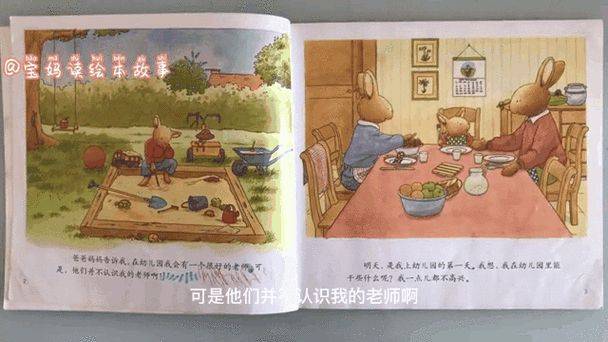
Second, the process of creating the script can be improved by enriching teaching activities. For example, traditional drawings are done in kindergartens to ensure their integrity. Many young children experience the pleasure of participating in drawings in kindergartens, and under the curriculum they want to participate actively in drawings and similar games. This can be achieved by increasing the opportunities for young children to participate in the production of the play, either in the form of parent-child interaction or in the form of outdoor activities in kindergartens. At the same time, young children must be made aware of their efforts and efforts. For example, young children who are happy to participate in the painting play need not only to learn how to organize other young children to play together, but also to proactively report on the theme and progress of the performance. A rich form of activity and a free print show can build a sense of participation and learning achievement among young children. In turn, the active participation of young children can be accompanied by courage and determination to rise to the challenges and overcome them。
In addition, drawing performances based on parent-child cooperation, or by inviting more parents to watch the drawings organized by kindergartens, can increase the performances and forms of participation in the drawings and stimulate a sense of motivation and achievement among young children. In their participation or appreciation, young parents can also actively express their views and feelings, thus enabling young children to learn how to express their thoughts and feelings, and to develop a good parent-child relationship, while allowing young parents to understand and feel their children's learning and development progress from different perspectives, thereby giving young children more performances and attention and fostering a sense of learning achievement and self-worth。
Finally, based on a multifaceted perspective, the results and value of the film are assessed in all respects. The final evaluation of the results of the teaching and learning process, together with a summary of the learning and growth of young children, is more likely to guide the future production of the drawings and to optimize the direction of the reform than the previous productions. In particular, point assessments and recommendations for young children. From the point of view of young children, it is a novel experience and feeling to be involved in the drawings or to work with teachers to perform the drawings, but many young children may not have sufficient awareness and ideas to adapt to teacher arrangements and may be the bottom thinking logic and ideas of many young children。
In this regard, as a leader and participant in early childhood education activities, emphasis is being placed on the role of young children as subjects of learning and on the overall development of their own learning and thinking skills, not only in practical teaching, but also in the production of drawings。
In addition, in the process of encouraging young children to take a proactive role in evaluating themselves, their peers and their teachers, teachers can observe and learn from all aspects of young children's learning ideas and performances, thus constantly improving the creation and organization of the play with the real ideas of young children. For example, some young children who are very fond of playing the painting play, because of their creative thinking and imagination, particularly want to perform their own words, while others think that the drawing play is a process of division of labour and that it is best for everyone to adhere to its own agenda and responsibilities. In view of the differences in the views and core demands of young children themselves, young children's needs can be taken into account in the process of creative work, given appropriate opportunities to create and develop their own ideas, and their behaviour and performance should be limited, and the importance of respecting the rules and labour outcomes of others should be taught, and quality education should be fully realized and implemented。
Concluding remarks
In the context of modern educational development, the core nutrition and integration of young children is an important goal of development and education, and the design and organization of early childhood curricula and teaching tools are strengthened to enable the development and upgrading of young children's learning capacities and learning in many ways. Among other things, the creation of different forms of drawing from a child's perspective, which enriches young children's activities and learning experiences during their learning, enables them to develop and upgrade their core literacy and integrated quality capacities in a holistic manner, based on the development of early childhood education thinking and the promotion of early childhood learning and participation. In addition, the creation of a children's perspective in the production of a screenplay will enable young children to constantly inspire, develop their learning abilities and innovative thinking from a perspective that is more relevant to young children's thinking habits and development. It will also enable young children to achieve good learning skills and integrated nutrition in their constant interaction, learning and development。



