Health education enables the population to develop a comprehensive view of health and to build a sense of prevention and self-care. Health education and promotion are important measures to improve the knowledge of the people of the whole village about health, the development of healthy behaviour and the knowledge of diseases. They are essential to improving the quality of health civilization and the quality of life of the people of the whole village. In conjunction with practical work, the health education work plan for 2026 is planned as follows:
I. Objective of the work
1. Print and distribute health education materials. Between 1 january 2026 and 31 december 2026, at least 12 printed materials were provided (including at least 4 chinese medicine, 1 aids and 1 tuberculosis)。
2. Audio-visual material. At least six types of audio-visual material (including at least two medium-medicine, one hiv/aids, one pregnancy care) are broadcast at least once a day and for at least six hours。
3. Establishment of a health education information column. Six health education information columns (including at least one medium medicine, one salt-control hypertension, one aids prevention) were replaced throughout the year and every two months。
4. Public health consultations. At least nine public consultations were conducted throughout the year (including at least one on chinese medicine, one on low-salt diet, one on aids and one on tuberculosis)。
5. Lectures on health education. Health clinics conduct at least one health seminar per month, 12 throughout the year (including one in chinese medicine, two or more low salt meals and high blood pressure, and one in aids control), and health education talks at least once every two months and at least six throughout the year。
6. Individualized health education. In the provision of health services such as outpatient medical care, follow-up visits, home visits and so forth, targeted education in individualized health knowledge and skills。
Ii. Work effectiveness objectives
By the end of 2026, the health awareness rate had reached more than 85 per cent, the health behaviour rate had reached more than 80 per cent and the health education district had over 85 per cent coverage。
Iii. Health education content
Promotion and dissemination of health literacy of chinese citizens - basic knowledge and skills (2026 edition). (c) to cooperate with relevant authorities in the promotion of resonance health。
2. Health education for adolescents, women, the elderly, persons with disabilities and parents of children aged 0-6。
3. Health education on sound diet, weight control, appropriate exercise, psychological balance, sleep improvement, salt limitation, tobacco control, alcohol limitation, scientific access, rational use of medicines, detoxification and interventionist risk factors。
4. Health education for priority chronic non-communicable diseases, including cardiovascular, respiratory, endocrine, tumours, mental illness, chronic obstructive pulmonary diseases and priority infectious diseases such as tuberculosis, hepatitis and aids。
Health education on public health issues such as food hygiene, occupational hygiene, radiation hygiene, sanitation, drinking water sanitation, school hygiene and family planning。
6. Health education in public health emergencies, disaster prevention and mitigation, family first aid, etc。
7. Dissemination of health laws and policies。
In the context of the “year of weight management”, health education on body weight management has been widely disseminated, with appropriate diets, balanced nutrition, and appropriate mass campaigns as important components of health education, with a view to raising awareness of the population's active weight control and leading to enhanced self-weight management. Improved weight management for key population groups, and enhanced individualized counselling, guidance and intervention services for children aged 0-6 years, pregnant women, persons aged 65 and over, and chronically ill persons such as hypertension, type 2 diabetes and slow lung disease。
Promotion of the use of body weight management, basic public health and contracted services for family doctors in community villages, institutional enterprises, office buildings, etc., through thematic campaigns, questionnaires, etc. The effectiveness of health education for key population groups will be further strengthened by focusing in 2026 on the reinforcement of the central knowledge of slow-retarded pulmonary content, prevention of fall among the elderly, close-vision control for children and adolescents, hypertension and self-management for type 2 diabetes patients。
Iv. Format, frequency and timing of health education services
(i) provision of health education information
1. Provision of information pages
Various health information leaflets are produced by health clinics. The first is distributed to the village health units, which are distributed to the residents of the district in conjunction with the daily clinics, the second is the setting up of health education booths in the outpatient halls, the infusion halls and the visible position on the floors of the health clinics, as well as the timely updating of information materials, keeping records, and the third is the distribution of health education materials in conjunction with health education lectures, health counselling, etc。
2. Audio-visual material
Every working day, a minimum of six audio-visual materials (including 2 chinese medicine, aids prevention, tuberculosis prevention and control) are broadcast on television in the outpatient lobby, and the daily broadcast time must not be less than six hours, keeping records。
(ii) health education promotion columns
Health education promotion columns have been set up in health clinics, and one health education information column has been set up in health clinics in villages. The content is changed every two months and at least six times throughout the year. It covers new coronals, systolic pulmonary infection prevention and control knowledge, salt reduction and hypertension control, tobacco silence, prevention of hand and foot diseases, chinese medicine and coronary heart disease, diabetes prevention and treatment, core population body weight management knowledge, slow lung prevention and treatment, and aids prevention and control knowledge。
(iii) public health consultations and consultations
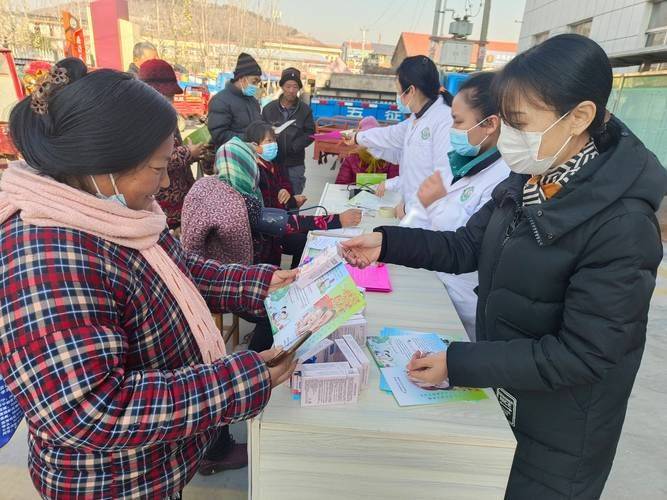
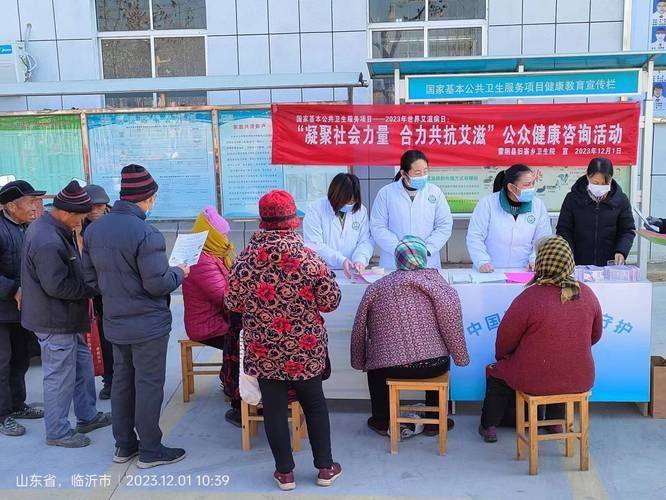
In conjunction with priority health days, on-site consultations and consultations are conducted in the bailiwick, where health information is disseminated to members of the bailiwick through banners and posters. The schedule of activities is as follows:
(1) 18 january - year of health knowledge for weight management
(ii) 24 march — world tuberculosis day
(3) 31 may — world smoke-free day
June 6th - national day of the eye
(5) june 14 — salt reduction and high blood pressure control
(6) 19 june - aids prevention and control knowledge
(7) 15 september-9. 15 salt reduction week
(8) 14 november — world diabetes day
(9) 19 november - world slow lung day
(10) 1 december - world aids awareness day, etc., at least nine health consultations were conducted throughout the year, and a series of awareness-raising activities were carried out in a timely manner and at the request of higher authorities, along with documentation, retention and reporting。
(iv) health literacy lectures
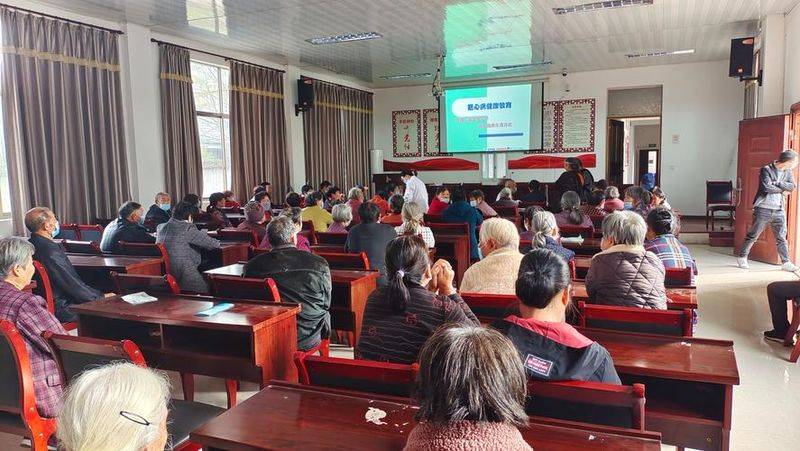
Every month, health clinics organize targeted health education sessions for at least 30 target groups in their districts. Twelve lectures were held throughout the year, on the following dates, target groups and themes:
(1) january - target population: residents of the bailiwick, theme: annual health knowledge for weight management
(2) february - target population: the elderly and their high-risk population in the district, theme: prevention of loss of knowledge among the elderly
(3) march - target population: residents of the bailiwick, theme: information on salt reduction and management of hypertension
(4) april - target population: elderly persons in the bailiwick, theme: health knowledge in chinese medicine
(5) may - target population: residents of the bailiwick, theme: aids prevention and control knowledge
(6) june - target population: primary and secondary school students, theme: close-sighted prevention for adolescents
(7) july - target population: high blood pressure patients in the bailiwick, theme: core knowledge of self-management of high blood pressure patients
(8) august — target population: residents of the bailiwick, theme: reduction syndrome in fever-accompanied blood panels
(9) september - target population: residents of the bailiwick, theme: core knowledge of the self-management of diabetes patients
(10) october - target population: high blood pressure patients in the bailiwick, theme: national high blood pressure days (with specific reference to this year's theme)
(11) november - target population: residents of the bailiwick, theme: propaganda day
(12) december - target population: residents of the bailiwick, theme: aids prevention and control knowledge (with specific reference to this year's theme)
(v) individualized health education
Conduct of part-time meetings of basic medical and public health specialists and conduct of targeted individualized health education and health skills education when deploying medical personnel and village doctors in village health units in conjunction with health services such as outpatient care, home service and follow-up visits, and keeping records of their work
V. Summary of the impact of advocacy
Health education workers are required to provide a detailed overview of health education throughout the year, including lectures on health education, topics for awareness-raising campaigns, participation in the population, and impact of information campaigns。