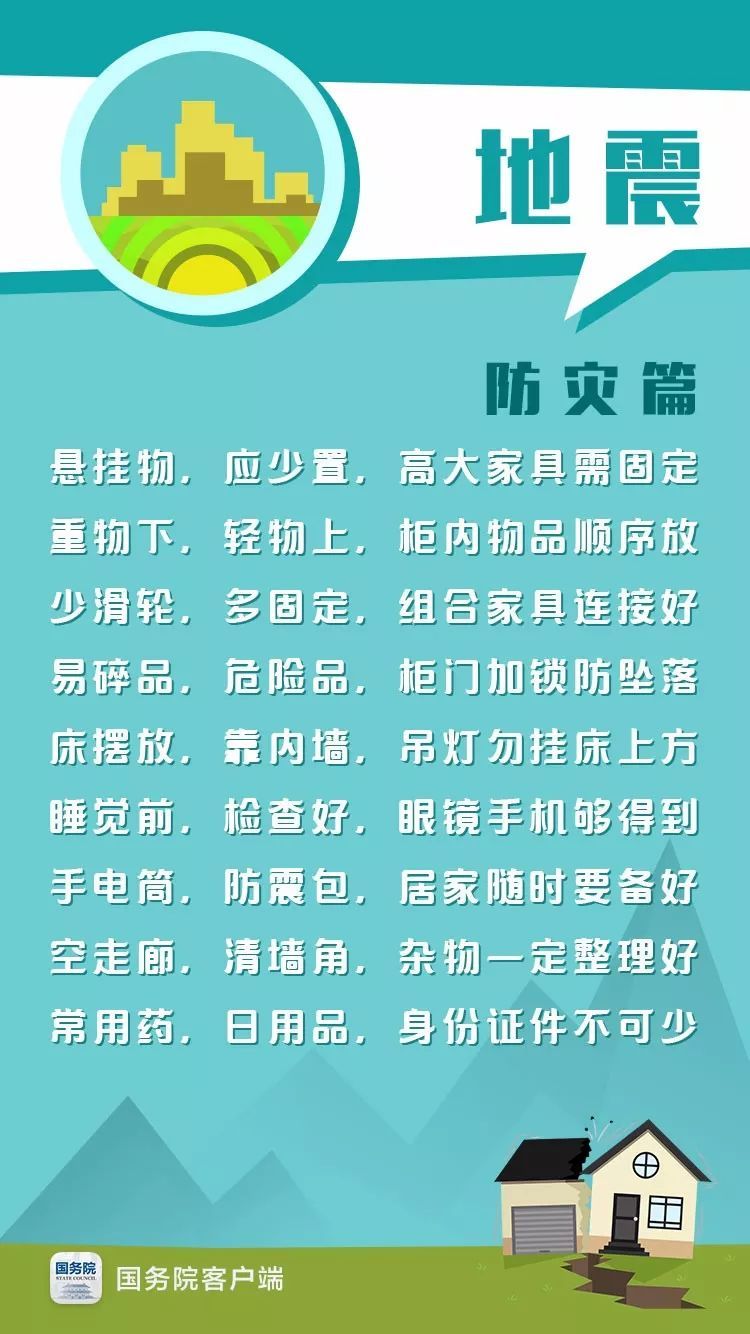
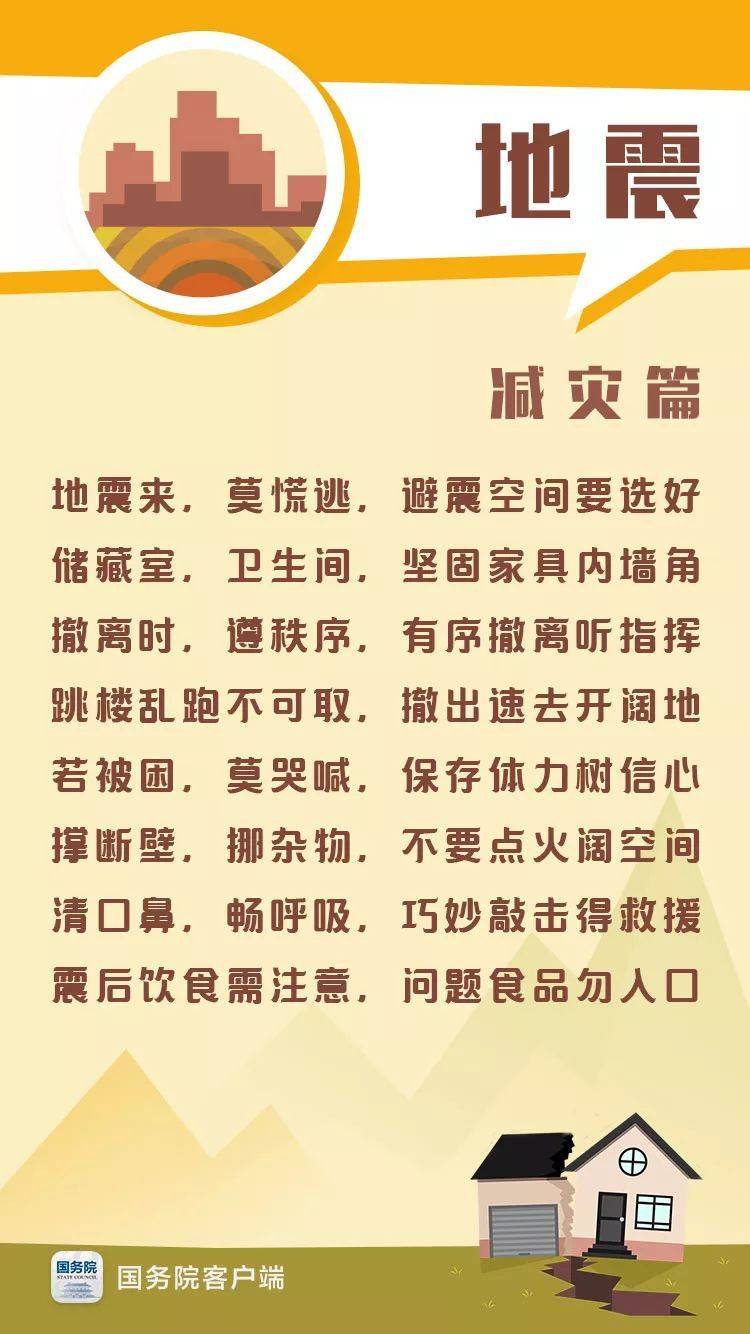
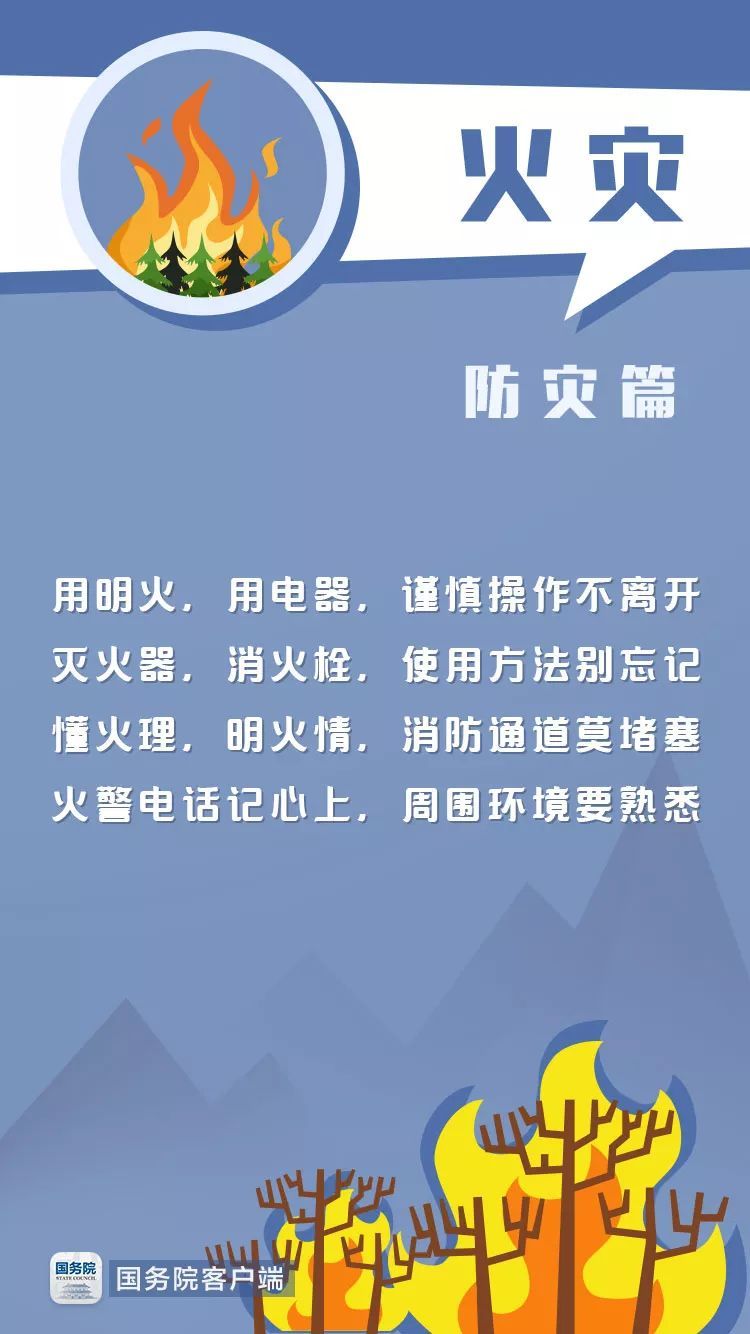
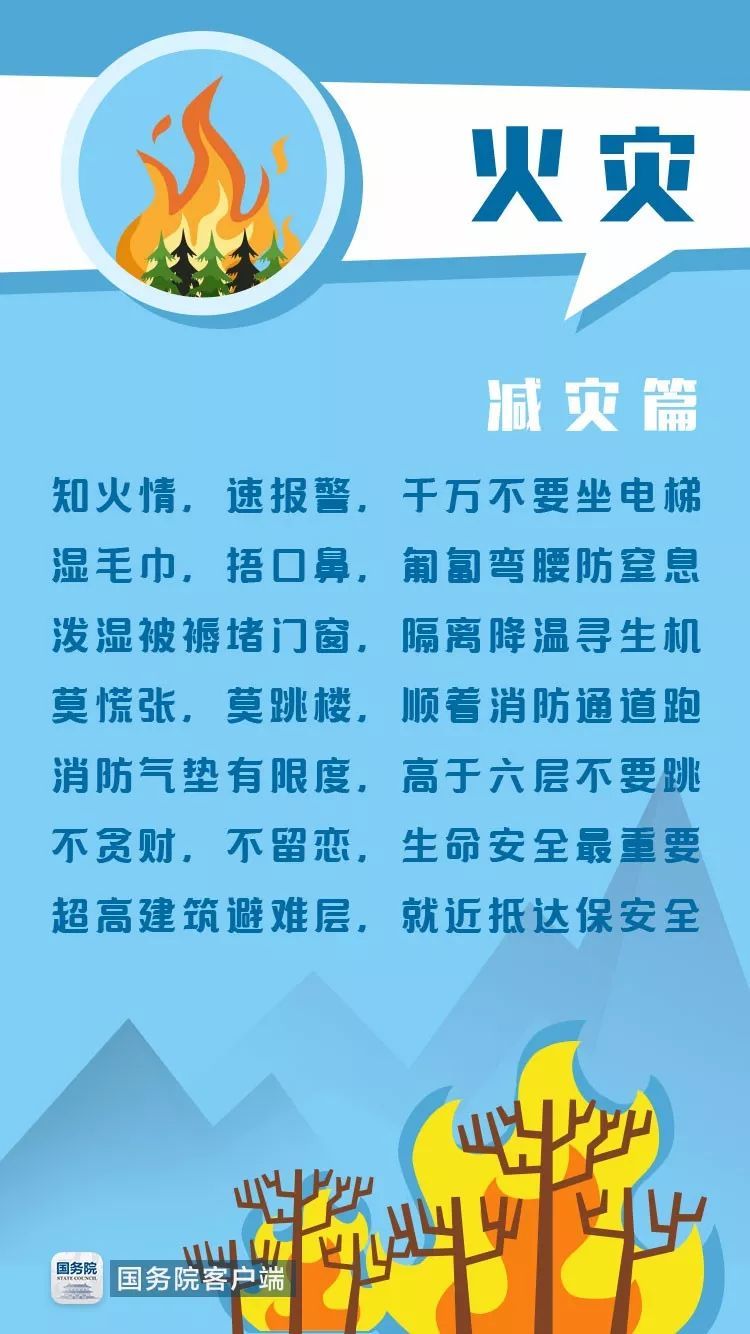
This is our eleventh national disaster prevention and mitigation year. Day
6-12 may advocacy for disaster prevention and mitigation week
Theme for prevention and mitigation this year
“improving disaster preparedness and building life safety lines”
This knowledge of disaster prevention and mitigation
You know what
Typhoons, floods, mudslides, landslides ... Natural disasters can occur at any time and save themselves in time for survival. Knowledge of disaster prevention and mitigation, protection of our lives

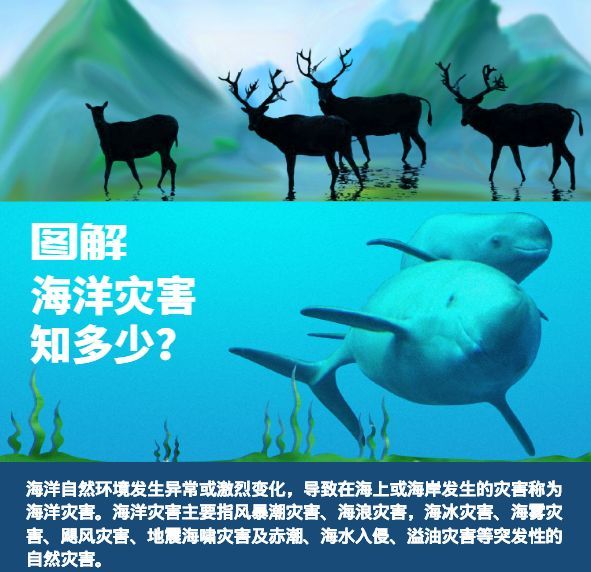
5/12 disaster prevention and mitigation day, you must know this knowledge of marine disasters
Unusual or violent changes in the marine natural environment
Disaster at sea or on the coast
Called a marine disaster。
Marine disasters are mainly storm surges
Wave disasters, sea ice disasters
Sea mist, hurricane
The tsunami disaster and the rising tide, seawater intrusion
Sudden natural disasters such as oil spills。
1. What is a tsunami
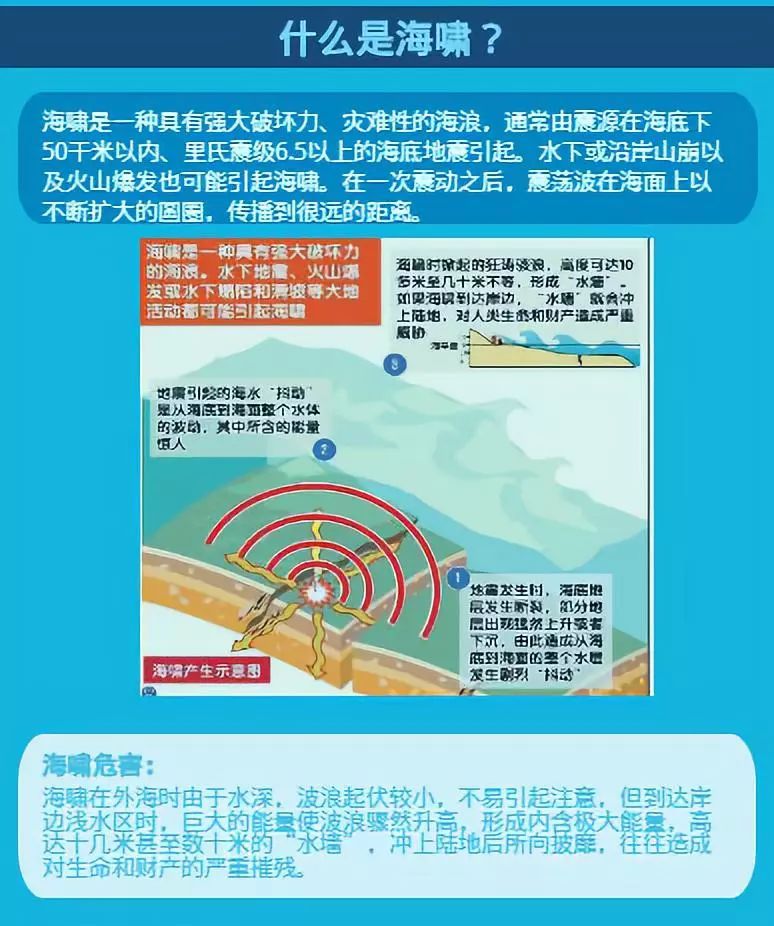
The tsunami is a devastating and catastrophic wave, usually caused by an underwater earthquake within 50 km of the source of the earthquake and above 6. 5 degrees of the richter scale. Underwater or coastal landslides and volcanic eruptions may also cause tsunamis. Following a shock, the waves spread over the sea with an ever-expanding circle to a very long distance。
While the tsunami was not easy to notice because of its depth, the waves reached shallow waters on the shore with enormous energy, resulting in “walls of water” of up to a dozen or even tens of metres, often resulting in severe destruction of life and property。
The tsunami occurred in two forms: on the coast, on the island or in the bay, the water retreated in an abnormal state or the river was not watered, and the water suddenly swung into the land; and on the other hand, the sea rose sharply, forming a wall of water tens of metres high, accompanied by a tumultuous flood towards the sea and then the sea retreated。
Add: how did the tsunami escape
Tsunamis are not frequent and therefore do not attract much attention, but they are powerful and, if they occur, they can lead to great disasters. If you encounter an earthquake tsunami in the coastal zone, remember the following:
Tips
1. The earliest signs of an earthquake tsunami were a strong vibration on the ground, and when the earth felt shaking or heard a bulge from afar, it was time to move as quickly as possible away from the seafront, up high as possible, and away from the seaside and the estuaries of rivers。
2. When tsunamis land, seawater tends to rise or decrease significantly, and should be seen as sudden and abnormally rising tides, the sea surface retreats at an unusually high rate, with a significant decline in sea level, or when a bright white line is moving in the distant sea surface, it should move at the fastest possible pace towards high-lying areas。
3. If a tsunami warning is received, leave the coast immediately if no vibration is felt, and do not approach the coast until the tsunami warning is lifted。
4. In the event of a tsunami, ships sailing at sea are not allowed to return to port or shore and should proceed immediately to a relatively safer deep-sea area。
5. In the event of a sudden tsunami, every effort should be made to hold on to what is fixed and not to wander around. When the waves come in, hold on as hard as possible and not be swept away by them, before they are moved to higher ground when they retreat。
What's a storm surge
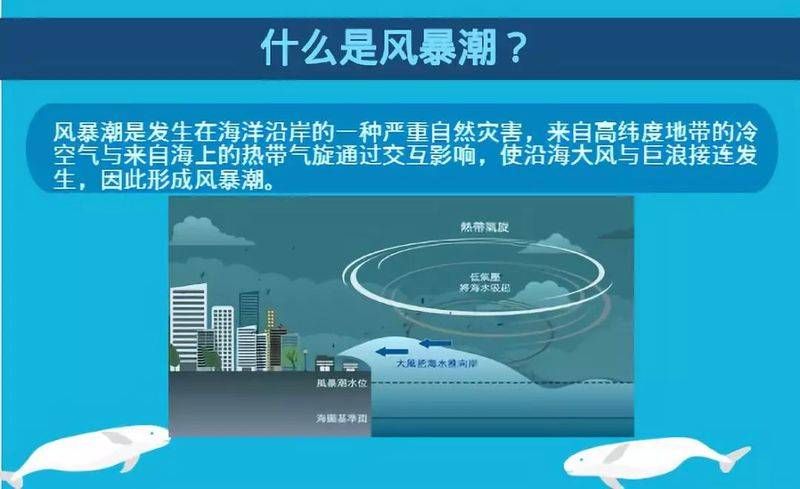
Storm surges are a serious natural disaster occurring on the coasts of the oceans, and storm surges are created by the interaction of cold air from high latitudes with tropical cyclones from the sea, which are associated with large coastal winds and waves. The country's storm surge spreads throughout the coast, but is concentrated mainly in the bay of lai, the coastal areas south of jiangsu to north of the zhejiang river, the coastal areas near the guangjiang mouth in fujian province, the guangdong zhuang region, the eastern coast of the reyzhou peninsula and the north-eastern coast of the south island。
Storm surges are divided into two categories, typhoon-induced storm surges and temperate storm surges, such as cyclones. Typhoon surges, which are characterized by strong, fast, intense and destructive winds, are likely to occur in all areas of the coast affected by typhoons; temperate storm surges occur during spring and autumn festivals and in summer, and are typically characterized by slower water rises, which are below typhoon surges, and frequent occurrence of mid-latitude coastal areas along the northern coast of europe, the eastern coast of the united states and our northern coast。
Major measures to protect against storm surges include engineering measures and non-engineering measures such as monitoring forecasts and emergency evacuation plans. Engineering measures refer to the construction of tidal projects in coastal areas at risk of storm surges. The victory oil field and the east camp municipality in the yellow river delta have invested heavily in the construction of hundreds of kilometres of tide-proof sea walls. However, many of the existing sea walls and ponds remain low, many of the shore works are of poor quality and maintenance cannot keep pace, and engineering measures to defend against the tides are in urgent need of strengthening。
What is sea ice
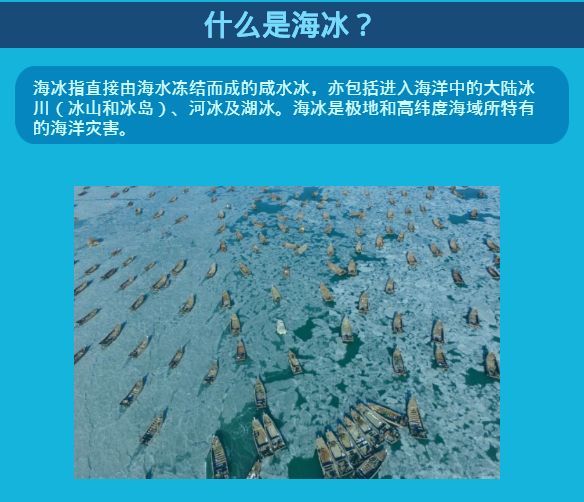
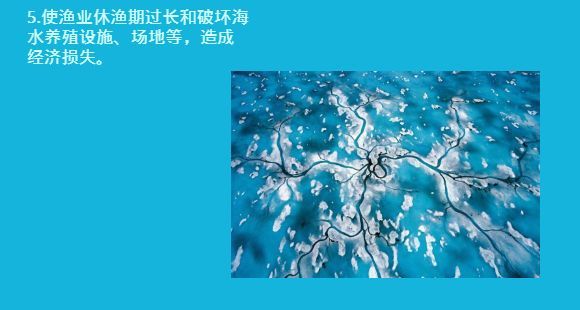
Sea ice refers to saltwater ice, which is frozen directly from seawater, and includes continental glaciers (icemounts and iceland), river ice and lake ice that enter the sea. Sea ice is a marine disaster specific to polar and high latitudes. In the northern hemisphere, sea ice cover varies significantly from season to season, with the largest in march to april and the smallest in august to september. Large ice and icebergs floating in the oceans have catastrophic effects on offshore oil platforms and vessels. It is calculated that a large block of ice with an altitude of 1. 5 metres can be pushed up to 4,000 tons at moderate current speed。
In my country, there are more frequent sea ice disasters in the hoang and yellow seas. According to data, serious and more severe sea ice disasters occur almost every five years, while local sea ice disasters occur almost every year. The main hazards of sea ice in our country are:
Sea ice blocks ports and shipping lanes
2) damage to marine engineering buildings and installations
3) obstructing the vessel's navigation and destroying the propeller or hull so as to render the vessel incapable of navigation
4) impacts, crushing and damaging ships, resulting in catastrophic accidents such as grounding of ships, tectonics, etc
5) longer periods for fishing and damage to seawater farming facilities, sites, etc. Resulting in economic losses。
In addition to the above-mentioned marine disasters
This special disaster response manual
You can also understand
(llang's mouth view)