In recent days, journalists have found that some of the newly constructed buildings have been vacant for long periods of time, while others have been shut down for long periods of time. These “sleeping” buildings have resulted in a huge waste of public assets, and the scientific and rational handling has tested the local government's determination and ability to implement central policies. (webcast news, october 23)

With the fall of a number of officials and the introduction of a central ban, a number of built and unused “sleeping” and unbuilt “breathing” buildings have emerged. For these buildings, the crowd is looking at them and talking about them, not only causing enormous waste of public resources, but also undermining the social image and credibility of the party and the government, and even creating security risks。
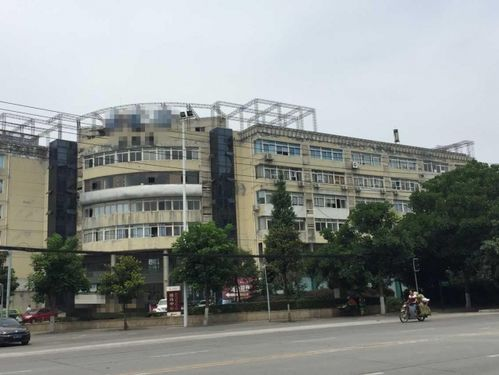
In the view of the author, the “sleeping” “breathing” buildings were the result of the inaction of the officials in power, who today, in the fight against corruption, dared to touch them, fearing burning them. The “sleeping” “breathing” office building, regardless of its infractions, impervious standards and inadequate procedures, remains a real public resource, and since the problem has arisen, it is necessary to find a way to solve it, rather than “do not deal with people or with buildings”. The “sleeping” “breathing” office building, which had been costly and had its own capacity to function, had been ignored by the leadership and had been negligent。
In july last year, the central office of the communist party and the office of the state council issued a circular on the cessation of the construction of new buildings and the clean-up of office space by party organs, which clearly requires that no new building be built by party organs at all levels for five years, without any form or justification, and that the so-called “closer-crowding” be imposed by the central authorities, that the building be built but not moved, that is, that it is an immediate manifestation of the ban, that local cadres are deterred from red-line rules, that they are afraid to “go to the wind” and that the office buildings that have been repaired will not be left unheard of。
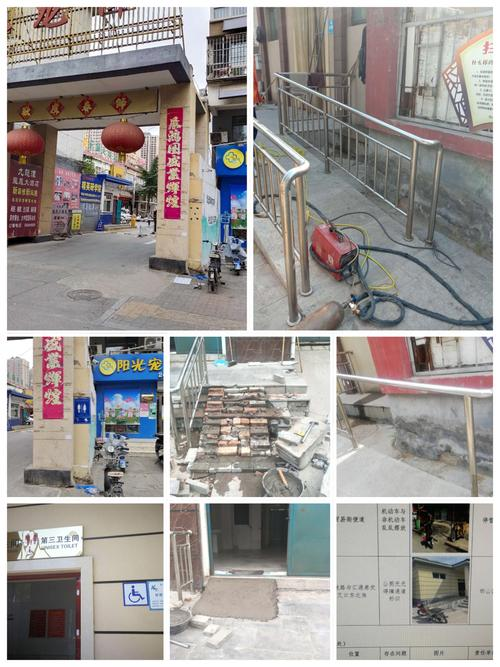
It is the view of the author that we should spend the money spent on the blade, on the people, on the luxury office buildings, not for the people, and what good is that? All sectors at all levels should devote sufficient attention to the “sleeping” rotting tails, with concrete programmes and actions to be put in place as soon as possible, with accountability, integration, giving concessions, making them fully profitable, making these “sleeping” rotting tails better serve the people, and allowing the “civility” consciousness to return to rationality and not allowing it to continue to be abandoned. Otherwise, the waste of wealth and the loss of the hearts and minds of the people have reduced overall results and undermined the credibility of the parties and the government. Ko fai