The year 2026 marked the beginning of the “fifty-fifty-fifty five” and the key node in the transformation of the chinese economy to a consumption-driven growth model. The report on the work of the two governments at the national level mentions that, for the first time in 2025, the total amount of the country's social deficit was over 50 trillion yuan and that consumption contributed 52 per cent to economic growth。
The guangdong conference on quality development, in turn, points the way — with the key to “integration” — so that manufacturing can be strong to the advantage of services. In 2026, the consumer market entered a new cycle. The repair of the population's balance sheets coincided with the trend towards rational consumption, with the dichotomy of traditional tracks, while emotional consumption and technological trajectories led to the creation of a new blue sea. In the gulf-based region and across the country, nandu bay finance has launched point 2026 — consumer industry watch, which explores the resilience and viability of chinese consumption in structural change through 10 dimensions。
In july 2025, a stoppage notice for the domestic service industry raised widespread concern. A 24-year-old, hundreds of straight-door shops, and a beautiful home called the “master of the costume” in the industry, were closed down, and the wave was overshadowed by the jump of the founders. From the peak of the industry in 2015 to 2018, to the end of the day, the fate of a beautiful home is the true picture of the domestic garment industry accelerating the shuffle in the wave of “de-realization”。
The bottom-up growth logic of the industry is changing, and the problem is with all market players: what exactly does a domestic garment business rely on to survive
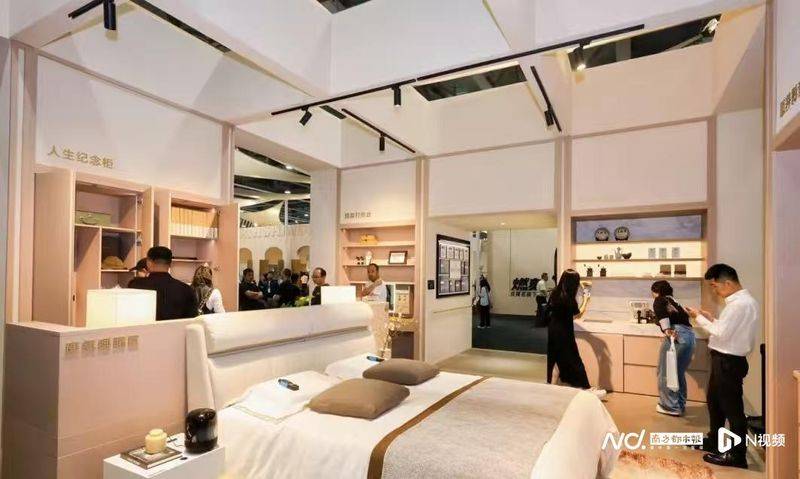
The plight of a beautiful family is, to some extent, a metaphor for the crossroad of traditional patterns of dressing. In march 2026, guangzhou customized the home to show the scenes of crowding, reflecting industry's collective exploration of new directions. However, there was a sharp contrast between the high level of publicity at the fairs and the financial disclosures by listed businesses: the first performances of the europa, sofia, zhibang, and mandarin were clearly divided, with some profits falling sharply, some sustained losses and some enterprises struggling to sustain themselves under pressure. The heat of the exhibition and the coldness of the financial report together constitute the most real face of the transition in the domestic garment industry。
"billions."
The new house is out of fashion. How does the domestic service move
According to the national statistical office, sales of new commodity houses and investment in real estate development fell markedly in 2025, compared with the historical high of 2021, and the industry was moving into a deep-seated adjustment phase, with traditional growth patterns based on new housing being unsustainable。
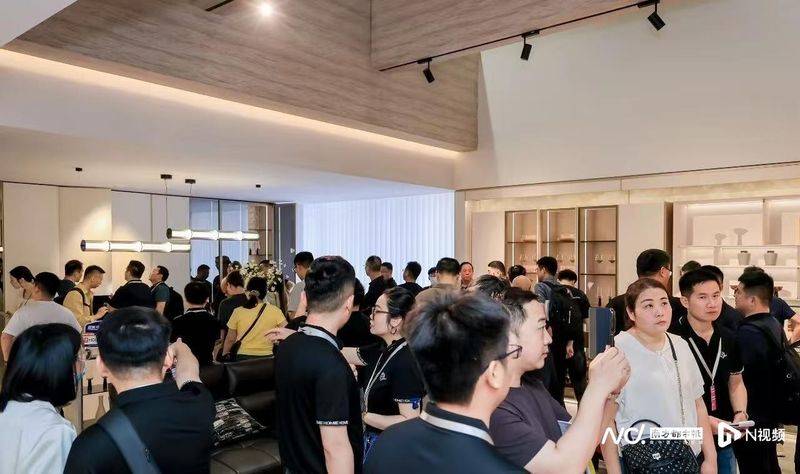
In a roundup, tuba coo fang ho stated that the property risk was transmitted to the entire industrial chain at the beginning of 2025, with a marked decline in the flow of visitors to the domestic market during the middle of the year, and continued pressure on the entire industry during the second half of the year, with multiple pressures。
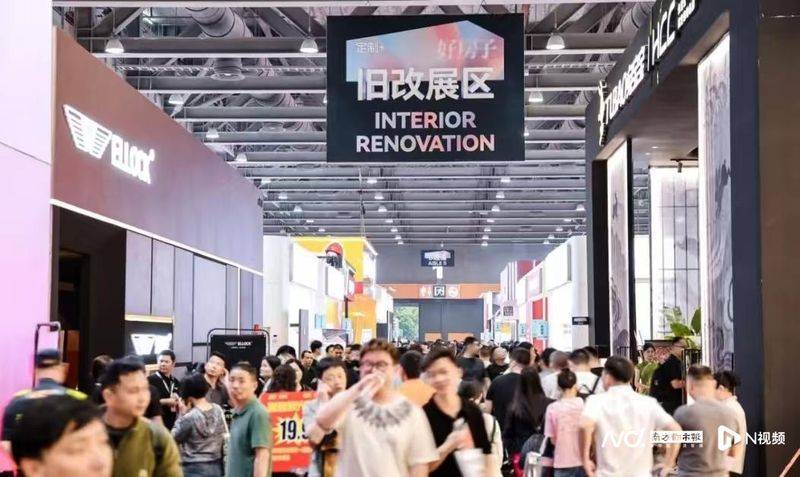
The engine of growth in the industry is shifting from new houses to stock markets. The industry report predicts that in 2025 the overall size of the household is approximately $5 trillion, of which stock renovations have exceeded half. This change was visualized at the guangzhou custom home fair this year, which featured nearly 3,000 square metres of the old model exhibition area, with nearly 50 brands focusing on product and model innovations for the stock market。
At the same time, the old-for-new policy, which landed in september 2024, led to a significant increase in consumption of domestic clothing. In the first eight months of 2025, retail sales of furniture increased significantly over the same period, with guangdong being the country's highest. "it's a lot cheaper for a national salary." consumers who are prepared to re-engineer the kitchen space in part said that they were pushing the sale to order, “i'm afraid there will be no more stores in this village.”
But there is also a concern under the policy stimulus. The substantial decline in contractual liabilities of some of the listed enterprises raises concerns in the market about “demand overdrafting”. By reference to the domestic electricity market, according to data from the oviyun network, the growth in retail sales under domestic wires fell from 69. 1 per cent in september-december 2024 to 21. 9 per cent in the first half of 2025。
More notably, subsidies are moving away from consumer decision-making habits, with segments of the population becoming “non-subsidy-no-purchase”. In response, qin jing jing, president of the china association for the circulation of building materials, stated that “subsidization is essentially an engine of ignition and cannot be sustained in the long term, and that the subsequent development of the industry will have to continue on its own”
Old version b:
Why would a trillion-dollar market end up in business
In the age of stockholding, the old market has become the new focus of the industry. Data from the ministry of housing and construction show that the national programme for the upgrading of old and old towns has progressed steadily, and that the related subsidy policy has continued to land, opening up further market space. The china institute of business and industry projects that the size of old modifications and related industries will continue to expand in 2025, with the partial retrofitting, refurbishment, ageing and other subdivisions maintaining faster growth。
But old changes are not low-threshold, high-reward markets. In its 2025 performance forecast, the shibang family stated that the demand for stock improvements “is not yet sufficient to fully counter the pressures of the decline in traditional dominant channels”
In 2026, at the guangzhou forum on innovations in customized home development industry models, several managers of deep-down enterprises stated that, despite the high demand for old housing improvements in the country, they faced problems of inefficiency, cost and standardization。
From a combined perspective, the old market faces three main obstacles: first, the high cost of the traditional way of acquiring customers, the low cost of conversion, and the continued rise in costs further squeezing the living space of small and medium-sized enterprises. The second household type is very different, involving multiple cross-works, most of which are carried out in the owner's residential environment, and very demanding in terms of duration and precision management. Finally, consumer concerns about additions, quality and after sale are widespread, and industry reputations need to be upgraded to extend the decision-making cycle directly。
In the face of the pain, the site monitoring process is optimized by algorithms, depending on the complexity and difficulty of managing the variables of the old modification projects. Small new, fast-loading buses, etc., propose a shift towards replicable, fast delivery, with kitchen space dismantled on the same day and completed on the same day. There are also enterprises that further limit local modifications to a period of not more than seven days, “shortening the project cycle”。
In the old retrospect, there are also three types of pathways, such as the conversion of hf home maintenance contact points into old retrospects. Or use ai technology to crack information asymmetries. There are also enterprises that do indigenous innovation in response to complex household patterns and user habits in the country, rather than moving abroad. Despite the focus of each path, there is a high degree of convergence in the direction of standardization and digitalization to solve the challenges of old and old and to promote an accelerated shift from a labour-intensive to a technology-driven fashion industry。
Runaway, invisible additions, mushroom cabinets:
Who's tarnishing consumer trust
Trust is most easily overshadowed by technocratic thinking, but involves the long-term foundations of the industry。
Fabrication was seen as a solution to the problem of trust. It's a price, it's full, it's what you see. But when businesses focus on the marketing of “large store + set” rather than on quality and post-sale safeguards, the packaging becomes a new source of complaints, and consumer doubts remain: is the price really added? Is the material real? Is there really someone after the sale
In 2025, trust issues in the industry evolved from hidden complaints to prominent events。
"the money has been paid and the boss has gone." in guangzhou, in the middle of the road, the union stores of oppeni, gu's home, etc., were suddenly closed after being accused of requiring full payment by consumers as a “state subsidy”, affecting more than 200 families, amounting to more than millions. Consumers later found that the branding authority of the distributor concerned expired at the end of 2024 and the door shop was still open in march 2025. Later, the europa claimed that the contract seal was forged by the distributor, while the customer stated that “the brander could not monitor the flow of funds”。
In july of the same year, the closure of homes affected the cities of guangdong and guangxi, and a number of paid owners faced the difficulty of stopping their work and paying back. In november 2025, a video of mushrooms coming out of a customized european-based cabinet, which responded “estimated to be caused by the client's home environment”, further exposed the passivity of the post-sales response and the brand's disregard for consumer feedback。
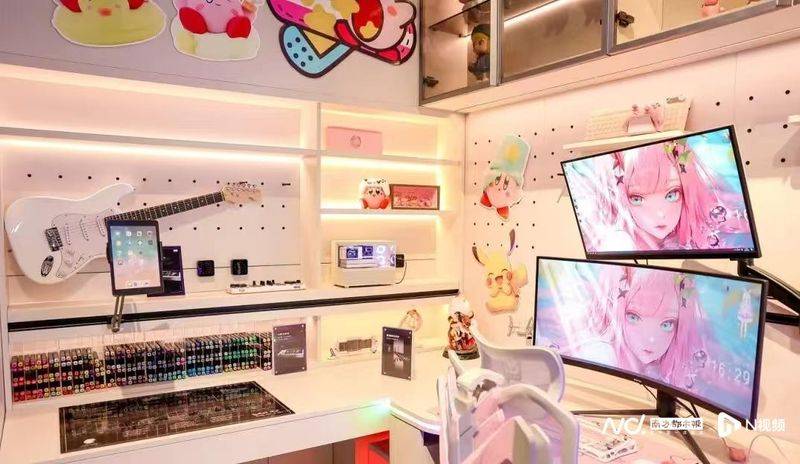
If runaway events are an extreme outbreak of a crisis of confidence, more consumers are fighting daily with “invisible bills”。
“the offer was good, with all kinds of extra money at the start of the work, more electricity and water, and, finally, twice as much money than the budget.” there's a little red book poster in his home with invisible additions。
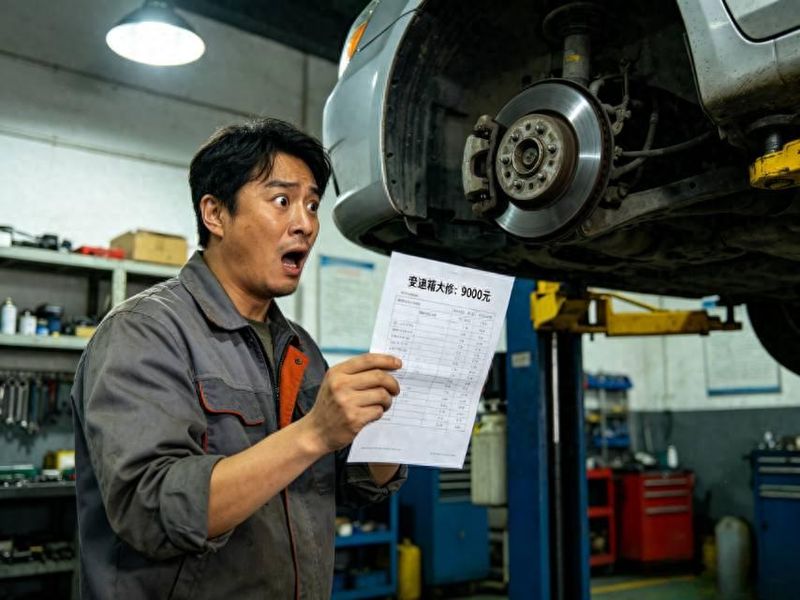
The shanghai white paper on refurbishment consumption shows an average satisfaction rate of 63 points for renovations. A post-90 consumer, who purchased rice in shanghai for a small set built in the 1990s, advised a few renovation companies to estimate that “100,000 will be done”, but ultimately the hard-loading alone far exceeds the budget — the cost of cleaning old garbage, the cost of retrofitting hidden works, the cost of replacing water and electricity lines — each was not on the original offer. Based on the eight major complaints flashpoints in 2025, however, there has been an increase in the domestic dress contract trap and invisible consumption。
Behind these frivolous complaints, it is clear that consumer trust does not collapse in an instant, but in the “invisible addition” of “goods not sold” over and over again。
In the face of a crisis of trust, some home-dressing firms have explored a “first-in-first-out payment” system, while others have high expectations for the effectiveness of digital management. However, the founders of the walls believe that “in the ai era, the human face will become more important”. While ai and digitization can increase efficiency, reduce costs and increase transparency, they cannot be a complete substitute for the aesthetic judgement of the designer, the accountability of the project manager and the willingness of the brand to assume responsibility in case of problems。
Strategic consulting experts man water said that the industry's long-standing “dispersive” channel management model no longer supported long-term brand development. Branding authorization should not be “one-off” and the author must strengthen the management of the channels rather than simply “send out”。
Professor su, faculty of law of the university of foreign economics and trade, stated that the pattern of payment and re-construction of the household clothing industry shifted the risk of running the business to the consumer, resulting in “payment, failure to complete the work and difficulty in safeguarding rights”. Consumers need to be a verifiable, retroactive and accessible mechanism. The consumer goes on to say that “trust is not built on a marketing exercise, but is built on a serious response to each consumer complaint”
Shuffle speed:
What's the next decade in the domestic service
In the domestic goods industry in 2026, multiple risks were intertwined and shuffles were still increasing。
The reliance of enterprises on policies needs to be re-evaluated, as the old policy has undergone many adjustments and regulations. The old model appeared to have a low threshold, but the pattern expanded rapidly without running, with a high risk of “single-store profits and multiple-store losses”。
The financial statements of the public-owned enterprises show a clear picture of the current situation, with a slowing of the growth of the base, with a loss in the waist。
By the time of the release of the manuscript, the annual report for 2025 had not been disclosed, with approximately $13. 2 billion being collected in the first three quarters of 2025, a decline of 4. 79 per cent over the same period. Sofia received $9,367 million for the entire year in 2025, a decrease of 10. 74 per cent over the same period and a net gain of $900 million for the mother, a decrease of 34. 26 per cent over the same period. The qing household is expected to have a net return of 170 to 220 million yuan in 2025, a decrease of 42. 92 to 55. 89 per cent over the same period. For the second year in a row, there is a projected loss of between $200 million and $250 million in the year 2025. It is even more alarming that the risks of distributor channels are being uploaded。
At a turning point in the industry, changes in the domestic goods industry end up answering the question: how can consumers trust you? According to qin jing jiang, president of the china association for the circulation of building materials, the fundamental problem in the domestic clothing industry is not a lack of demand, but a lack of trust, and “the industry must establish mechanisms to make consumers `gold for money'”
The era of new houses is over. Businesses that are truly able to cross cycles are not necessarily the largest, but rather those who are involved in sublime delivery, in technology to improve transparency and in good faith to keep the bottom line. As one industry observer put it: “consumer confidence in brands may take 10 years. And destroy it, only one run."
Planning: wang zheng
Integration: chen jiay
Script: south door bank, wong xibo