Questions and answers of the young-yeng environmental protection competition
Name: **
I. Selected topics (10 in total)
1. What kind of animal in marine life is called `cleaner in the ocean'? ( )
A. Dolphins
B. Sea turtles
C. Whales
Starfish
2. Which of the following acts is the least harmful to the marine environment? ( )
A. Waste of plastics at will
B. Release of marine pollution objects
C. Participation in ocean cleaning activities
D. Beach barbecues throwing cigarettes
What are the following causes of the phenomenon of `fresh tide' in the oceans? ( )
A. Rising seawater temperatures
B. Increased salinity of seawater
C. Reduced oxygen content of seawater
D. Seawater pollution
4. What kind of marine life is the following? ( )
Starfish
B. Sea turtles
C. Seagrass
D. Dolphins
5. Which of the following measures are most effective to protect marine biodiversity? ( )
A. Prohibition of all marine fishing activities
B. Limiting marine pollution emissions
C. Establishment of marine protected areas
D. Reducing marine tourism activities
6. Which of the following marine resources is renewable? ( )
A. Seabed oil
B. Seabed natural gas
C. Tidal energy
D. Seabed coal
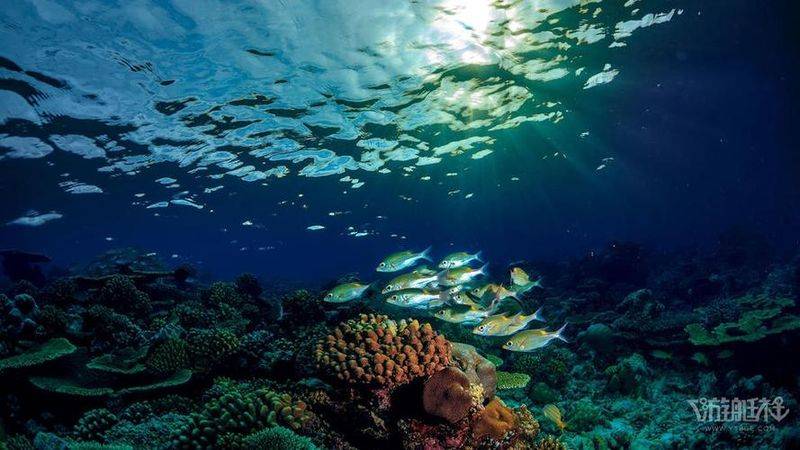
What is the role of `reef' in the oceans for marine ecosystems? ( )
A. Shelter for marine life
B. Cleaning of marine water quality
C. Managing the marine climate
D. Storage of large quantities of carbon
8. What of the following ocean phenomena is natural? ( )
A. Industrial wastewater discharges
B. Marine oil spills
C. Rise in sea water temperature
D. Undersea volcanic eruptions
9. What is the right course of action to protect marine biodiversity? ( )
A. Free purchase of marine biological products
B. Capture endangered marine life
C. Participation in ocean cleaning activities
D. Dumping on the beach
Ii. Multi-selection topics (5 in total)
10. Which of the following factors can contribute to marine pollution? ( )
A. Industrial wastewater discharges
B. Living sewage discharges
C. Pesticide fertilizer loss
D. Fisheries waste
11. What measures are effective in protecting marine biodiversity? ( )
Establishment of marine nature reserves
B. Limiting overfishing
C. Promoting the sustainable use of marine living resources
D. Enhancing marine environmental protection education
12. Which of the following marine organisms are endangered species? ( )
Green turtles
B. Whales
C. Malaya
D. China
13. Which of the following marine phenomena have a positive impact on marine ecosystems? ( )
A. Ocean circulation
B. Marine biological migration
C. Ocean tides
D. Marine sedimentation
14. What are the following actions that contribute to reducing marine plastic pollution? ( )
A. Reducing the use of disposable plastics
B. Increasing plastic recycling
C. Prohibition of littering on beaches
D. Raising public awareness of the marine environment
Iii. Filling out of the question (5 in total)
15. Oxygen in the oceans originates mainly from the breathing of which of the following organisms
16. The international community has established world oceans day for the protection of marine biodiversity, with dates for each year。
17. The salt contained in the oceans is predominantly 。
The largest marine protected area worldwide is 。
19. Overfishing can lead to a decline in the number of populations of certain marine organisms, known as 。
Iv. Questions of judgement (5 in total)
Marine pollution can only cause harm to marine life and has no human impact. ( )
A. Correct b. Errors

21. Coral reefs in the oceans are red. ( )
A. Correct b. Errors
22. Plankton in the oceans is harmful. ( )
A. Correct b. Errors
23. Oil spills in the oceans can be quickly removed through natural decomposition. ( )
A. Correct b. Errors
24. The establishment of marine protected areas can completely prevent the destruction of the oceans by human activities. ( )
A. Correct b. Errors
V. Simplicity (5 topics)
Please briefly describe how the food chain in the marine ecosystem works。
26. Why does marine pollution pose a threat to marine biodiversity
27. How can marine biodiversity be effectively protected
28. What is the importance of coral reefs in the oceans to ecosystems
29. Why is the sustainable use of marine resources crucial to humanity
Questions and answers of the young-yeng environmental protection competition
I. Selected topics (10 in total)
1. Answer d
[disarmament] seastars can feed on organic matter in the oceans and contribute to the purification of the marine environment and are therefore called `cleaners in the oceans'。
2. "answer" c
[disarmament] participation in marine clean-up activities contributes to the protection of the marine environment and other options can cause pollution or damage to the marine environment。
3. D
The phenomenon of [decomposition] red tides is often caused by pollution from seawater, especially by pollutants rich in nutrients entering the sea, leading to the overproduction of some algae。
4. Answer c
[dissect] seagrass is a producer of marine ecosystems capable of photocooperative use that provides food and oxygen to marine life。
5. [answer]c
The establishment of marine protected areas could effectively protect marine biodiversity and limit the damage to marine ecosystems caused by human activities。
6. [answer]c
[dissect] the tide of water is a renewable resource that can be converted into electricity through tidal movements。
7. A
[disarmament] coral reefs provide rich habitats for marine life and are an important part of marine ecosystems。
8. Answer d
[assemination] of submarine volcanic eruptions is a natural phenomenon, while other options are pollution or destruction caused by human activity。
9. [answer]c
[disarmament] participation in marine clean-up activities contributes to the protection of marine biodiversity and other acts can cause harm to marine life。
Ii. Multi-selection topics (5 in total)
10. Abcd
[disarm] industrial wastewater discharges, household sewage discharges, pesticide fertilizer loss and fishery debris are the main causes of marine pollution。
11. Abcd
The establishment of marine protected natural areas, the limitation of overfishing, the promotion of the sustainable use of marine living resources and the enhancement of education on the protection of the marine environment are all effective measures to protect marine biodiversity。
12. Abd
The green turtles, whales and chinese walrus are all internationally endangered species, although they are also endangered species but mainly live on land and are not marine organisms。
13. Abcd
[disassessing] ocean circulation, migration of marine life, ocean tides and ocean sedimentation all have a positive impact on marine ecosystems and preserves their ecological balance。
14. Abcd
Reducing the use of disposable plastics, increasing the recycling of plastics, banning littering on beaches and raising public awareness of marine environmental issues can all contribute to reducing marine plastic pollution。
Iii. Filling out of the question (5 in total)
15. Plankton
[dissect] the phytoplankton produces oxygen through photocosy and is the main source of oxygen in the oceans。
16. June 8th
World oceans day [discussed] is 8 june of each year and aims to increase global public awareness and protection of the oceans and their resources。
17. Sodium chloride
The salt in the ocean is mainly sodium chloride, which we call salt。
18. [answer] krenchev basin marine protected area
The kreutchev basin marine protected area is located in russia and is the largest marine protected area in the world, covering an area of approximately 150 million square kilometres。
19. Overfishing
[discussed] overfishing refers to fishing faster than the reproduction of living stocks, leading to a decrease in the number of living stocks and affecting the ecological balance of the oceans。
Iv. Questions of judgement (5 in total)
20. Error
[disarm] marine pollution not only harms marine life but also affects human health and economic development。
21. Wrong
The coral reefs have a variety of colors, not only red, but also white, brown, yellow。
22. Errors
[disarmament] plankton plays an important role in marine ecosystems and is the foundation of the marine food chain, not all of which are harmful。
23. Errors
[disarm] the effects of the oil spill on the marine environment are long-term, natural decomposition takes a long time and leaves hazardous substances behind。
24. Error
[disarmament] while marine protected areas can limit human activities, they do not entirely prevent damage to the oceans and require continuous management and oversight。
V. Brief answers (5 in total)
25. [the answer] the food chain in marine ecosystems consists of producers, consumers and decomposers. Producers are usually phytoplankton, which manufacture organic matter through photocooperative use. Consumers include zooplankton, fish, marine mammals, etc., who prey on producers or other consumers. Decomposers such as coral reefs, bacteria, etc. Decompose organic debris, transform organic matter into inorganic matter and re-enter the food chain。
[dissect] the food chain is the process of describing the transfer of energy between organisms, each of which is an integral part of the ecosystem。
26. [the answer] marine pollution destroys marine ecosystems and affects the living environment of marine life. Contaminants such as oil, plastics and heavy metals can accumulate in organisms, leading to biotoxication and even death. In addition, pollution destroys the habitat of marine life, alters the marine environment and renders some species unviable。
The threat to marine biodiversity from marine pollution is [discovered] multifaceted and encompasses both direct and indirect impacts。
27. [the answer] effective ways to protect marine biodiversity include establishing marine protected areas, limiting overfishing, promoting sustainable use of marine resources, reducing marine pollution, and enhancing marine environmental awareness education。
[disarmament] comprehensive conservation measures are key to ensuring the sustainability of marine biodiversity and require a concerted effort by all countries globally。
28. [the answer] coral reefs are `tropical rainforests' in marine ecosystems that provide rich biodiversity and habitat for countless marine organisms. Coral reefs also absorb large amounts of carbon dioxide and contribute to mitigating global climate change。
[disarmament] coral reefs play an important role in maintaining marine ecological balance and the earth's climate system。
29. [answer] marine resources are a precious asset of humanity, including food, energy, medicines, etc. Sustainable use of marine resources ensures the long-term availability of those resources while reducing environmental damage and achieving win-win economic development and environmental protection。
[disarmament] the sustainable use of marine resources is important for meeting human needs, promoting socio-economic development and protecting the marine environment。