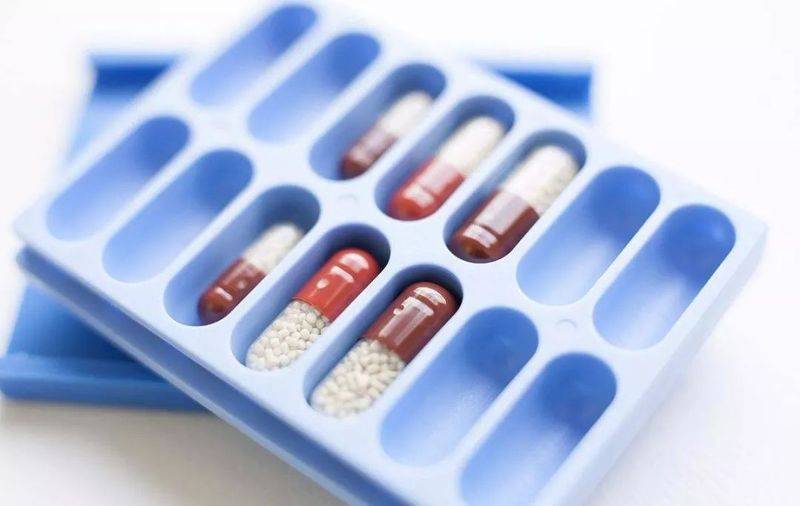
Safe medicines are comprehensive testing based on the individual's genes, condition, physical condition, family history of genetic diseases and the composition of the drug. They are precisely selected, truly “pharmacologically” and are used in an appropriate manner, at an appropriate dose and at an appropriate time。
More than that, you should also know that:
Understanding the importance of drug manuals
Many patients have no habit of reading the drug instructions prior to taking them, and even worse, in order to reduce packaging, outsourced boxes will be dropped along with the drug instructions. That's not true。
The medicines note is a very important document for rational use of drugs and for avoiding and reducing the occurrence of adverse effects, with its unique legal status and the priority effect that the court has recognized. Not only should medical personnel be careful to learn, master, but before using drugs as patients or their guardians, they must read, in order of course, other elements such as accommodation, taboos, caution, care, adverse reactions, in addition to medical guidance. In the case of medicines, which are not recorded above, the patient may consult a doctor or a pharmacist in case of doubt。
Before or after dinner
The effects of the food on the absorption and bioavailability of some drugs are different from those of pre- and post-food use. So some drugs are explicitly taken before or after meals in the “utilisation” section of the instructions。
Pre-dinning is a drug that requires an empty stomach (1h before or 2h after the meal) to facilitate absorption. After-dinning, on the other hand, means taking medication during diarrhea (0. 5h after meal), using food to reduce gastrointestinal irritation or to promote gastrointestinal absorption。
In general, drugs that require adequate and rapid absorption without an incentive should be oral before meals. Medicines such as those protecting the gastric mucous membranes, gastrointestinal propulsives, intestinal laxatives, and therapeutic preparations that do not irritate the stomach should be taken between 0. 5 and 1h before meals。
Those substances that are irritating to the stomach wall should be taken at the end of the meal from 0. 5 to 1h, in addition to the drugs that must be taken in front of the meal and before bed. This is due to the fact that oil-based foods can contribute to cholesterolization and increase the absorption of lipid soluble drugs。
Laxatives, hypnotics can be taken temporarily before sleeping. The blood sugar of the diabetics fluctuates with their meals, so that the medication is taken into account. Bytung can inhibit intestinal absorption of glucose, so it should be taken during the feeding process, sugar-equal sulfon-like sugar is taken before eating, while sugar-based double-smelt sugar is taken after eating。
Question of time and number of medications
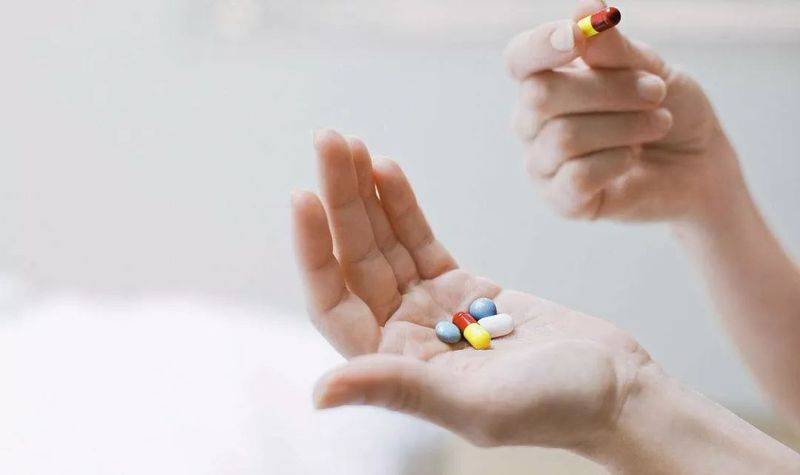
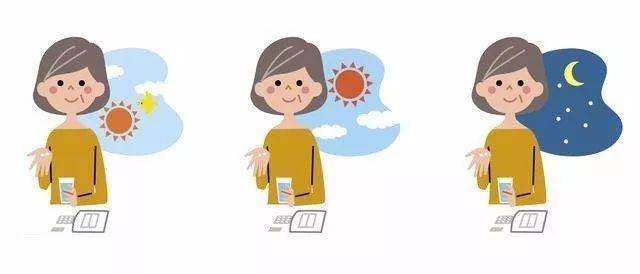
How can “three times a day” be understood? Many take them before or after breakfast, midday and evening. In fact, the time and frequency of drug use is determined by the metabolic rate of the drug in the human body based on human drug metabolic dynamics tests. The “three times a day” is based on 24 hours a day for every 8h of the drug, and only on time can the effective blood concentration in the body be maintained for therapeutic purposes. If three times are spent in the daytime, it can result in high blood concentrations in the daytime, which may cause adverse reactions and do not reach therapeutic concentrations at night. I had an epilepsy, and the doctor prescribed an oral dmv 2. 5 ml three times a day. Parents take medication for three meals, which is controlled during the day, but at night it is common to have a disease, which is largely controlled by the pharmacists after 8h。
The problem of drug interaction
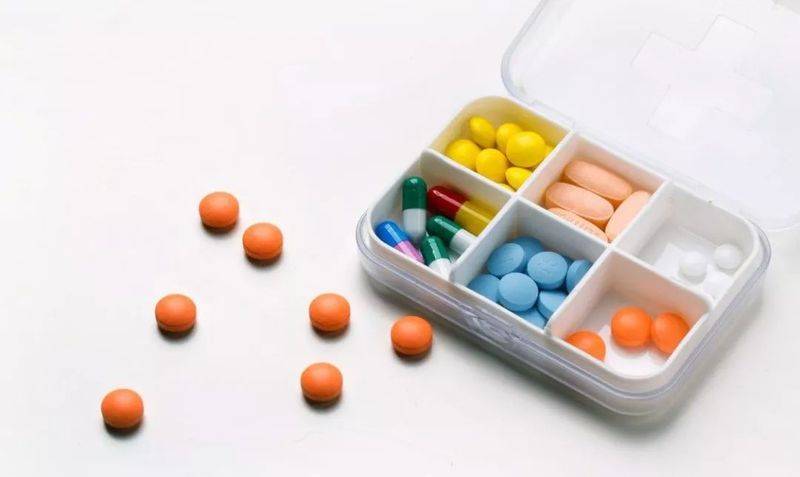
Drug interactions are those that occur when two or more drugs are applied simultaneously. That is, synergies (efficiency), additions (increase), constraints (impairment). Reasonable drug interactions can enhance the efficacy or reduce the adverse effects of the drug, which can lead to reduced efficacy or increased toxicity, and may result in some unusual reactions that interfere with treatment and aggravate the condition. Increased effects are referred to as drug efficacy synergetic or combined, reduced effects are referred to as drug efficacy stress, or “combination taboos”。
I met a middle-aged woman who had been suffering from erythrocyte (sle) for many years, who had been taking three drugs, caponilong, secopin and pavlin, and had found that the ovaries had contracted, and had been treated by a doctor, who had recommended treatment for the gypsum. I found that the combination of capone and contraceptives or estrogens enhances the therapeutic effects and adverse effects of sugar cortex hormones. In contrast, the co-location with captron of the kage monthorin alternative drug has reinforced its adverse response and has been reported to have worsened after its use in systematic cases of red leprechaun. As can be seen, the sharing of drugs requires extra care。
The problem of adverse effects of drugs
The world health organization (who) definition of the adverse response to drugs is that, in order to prevent, diagnose, treat disease or change the physical functioning of the human body, the use of drugs by a person in normal use is a harmful response that is unrelated to the purpose of the drug and causes discomfort or suffering to the patient. The adverse effects of the drug are type a and type b, and the adverse effects of type a are associated with the size of the dose, are caused by the increased pharmacological effects of the drug, are predictable and can be prevented by adjusting the dose to the patient's needs and tolerance. Like the low blood pressure caused by proll. The adverse effects of type b are non-dose-related and unpredictable, with a high incidence of mortality. In the case of allergy shock caused by penicillin, regenerative obstructive anaemia caused by chlorcin。
How to avoid or reduce adverse effects? First, the drug instructions are carefully read before taking the drug, to understand the adverse effects and taboos. The use of drugs that have a negative reaction to liver and kidney function, the blood system, the nervous system, blood sugar is subject to consultation with a doctor or periodic testing and monitoring of the concentration of drugs in the blood. Second, doctors are invited to prescribe the prescriptions with details of their history of allergies, medical conditions (such as diabetes mellitus, liver incompetence, kidney disorders, soluble reactions, red hysteres, etc.) and the drugs currently used and allergies. Thirdly, there should be no self-reducing doses of drugs or withdrawals, and some drugs, such as hormones, antitensives and epilepsy, may not be stopped at will, and if they are needed, they should be gradually reduced to avoid repeated or aggravated conditions. In the event of adverse effects, the light person may stop to observe drugs and, if serious, be treated in a timely manner。
Attention to drugs and taboos
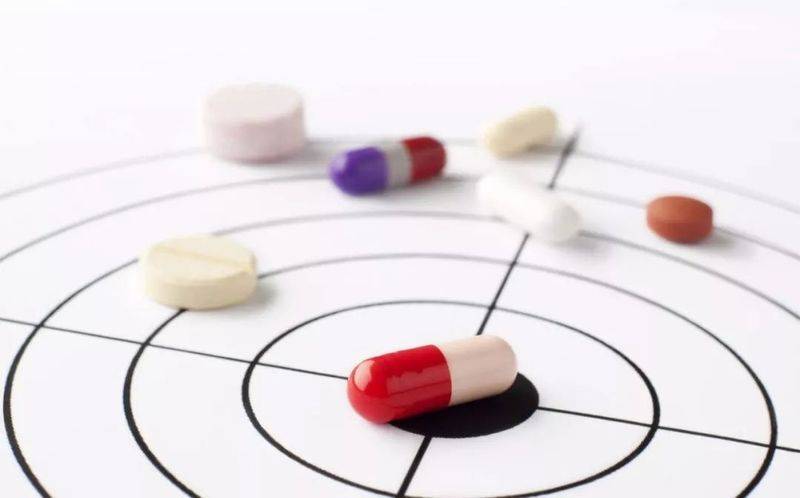
Certain chinese or chinese medicines containing active haematosis are frequently asked if they can be taken during menstruation. It is recommended that menstruation should not be taken, as there is theoretically the possibility of increasing menstruation. In addition, women should stop using vaginal embolisms or bubbles during menstruation。
It is not appropriate to drink during the use of drugs such as larynthetic tablets and tablets; sulfamic drugs are prohibited from eating acidic beverages such as fruit, juice, and drinking more water; pneumatics, e. G., e. G., e. G., e. G., e. G., e. G., e. G., e. G., diarrhea, e. G., e. G., antibiotics and micro-ecological agents, antibiotics and sorbents, e. G., s. M., can not be taken at the same time; micro-ecological agents and sorbents should be taken at intervals of 2-3h。
The problem of chinese medicine and western medicine
Patients often ask whether chinese medicine and western medicine can be taken together. Answer: there are no taboos. It should be noted, however, that the chinese drug is one to two hours away from the western medicine and that chemical changes in the western medicine are no longer effective because of its susceptibility to the chinese medicine。
Some western chinese medicine is not suitable for sharing. Metal ion is included in a drug containing components such as chinese plaster, pearl mother, cow yellow pellets, which, when used in combination with the western drug tetracyclic group, is invalidated by the formation of insoluble salts and mixtures in the intestinal tract。
To remind patients that the combination of chinese and western medicine can be enhanced or reduced, sometimes with new toxic side effects, which can cause serious drug-borne diseases and even endanger life, and must be followed。
Storage of medicines
Because of the nature of the medication and the influence of external factors, its quality can change during transport. Thus, pharmacists, when distributing medicines with special storage requirements, inform patients of the conditions under which they can reasonably store them. General biological, blood and micro-ecological preparations should be stored in refrigerators at 2-8°c. Unstable drugs, such as ammonia, vitamin c and so on, need to be stored. Unopened insulin needs to be placed in refrigerators at 2-8°c, while unopened insulin is kept in the shade. Suppressants are better frozen in the summer, otherwise the temperature is too high and deformed。
The description of “storage” in the description of the drug indicates that: a shade is defined as no more than 20°c; a cool area is defined as a light avoidance and no more than 20°c; a cold area is defined as 2-10°c; a constant temperature is defined as 10-30°c; a seal is defined as a container sealed to prevent the entry of the drug in a weather, ingestion, volatilization or alien; a closed container is defined as a closed container to prevent the entry of dust or alien. General temperature not specified under storage means constant temperature。