The treatment of tumours is considered by many to be surgical, chemotherapy, therapeutic treatment, target-to-target medication, etc., and, indeed, a treatment — psychological — is also extremely important。
We often hear people say that people have cancer, that they are not aware of it, that they are well, that they are in a state of shock, that they are active and that they die quickly when they know what they are, which suggests that fear and anxiety are important causes of the increase。
According to the china expert consensus on clinical management of oncological symptoms of oncology patients, 2025, “oncological patients are often associated with severe psychological symptoms such as depression, anxiety, insomnia, pain, which have a serious impact on the quality of life of patients and their prognosis”
Oncological patients face a number of psychological difficulties throughout their illness and treatment。
First, the threat of a countdown of life, which is usually accompanied by emotional fluctuations of fear and anxiety, first, by repeated illness, transfer, relapse depression and despair in the course of treatment; third, by the effect of some of the drugs or diseases that treat tumours themselves on the level of body hormones, thereby affecting mental state; fourth, by the economic stress of being unable to participate in work and the cost of treatment in the event of illness, as well as the impact on family members of the need for escorts, care, etc.; and fifth, by the physical damage to the body caused by surgery or treatment, such as breast tumour ectomy and post-synthetic withdrawal, which affects the patient's self-recognition。
Long-term negative emotions, such as anxiety, depression, insomnia and insomnia, can seriously affect the life of patients, especially anxiety and depression, and can lead to higher levels of cortex alcohol in the body, which we often call stress hormones, thus inhibiting the immune mechanisms of our bodies and reducing resistance. Poor emotions can also affect patients' dependence on treatment and thus their efficacy。

The book of the yellow emperor has a cloud: “all diseases are born of gas”. “the joy of anger is discomfort ... When the cold is cold, the evil is triumphant and has accumulated.” "the god-taker, chang, the lost." the chinese doctor believes that the occurrence of swelling is compounded by accommodation, condensation, wetness, blood silt, venom accumulation, etc., which leads to a state of discomfort and an imbalance in the body. Visible relationship regulation plays a crucial role in treating oncological diseases. The chinese doctor's philosophy of “precision, gas and god” emphasizes the human body's own ability to regulate and resist diseases, which is fully compatible with the physical and psychological treatment promoted in modern times. There are a number of practical tools for regulating relationships:
1 the main causes of internal injury are liver loss, spleen loss, and heart loss. We can examine the patient's specific symptoms and treat him/her with liver spleen (disturbing) and so forth。
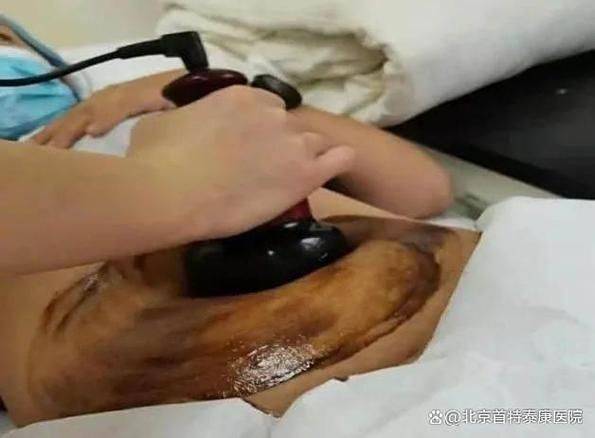
The chinese medicine can be applied to specific caves, such as the inner cavities, the temples, etc., so that they can be used as conduits and aerobics。
The three ecstasy pellets can place the king's seed in the door, the sense of contact, the heart, the liver, the front, the lower of the cortex, and often rubbing, so as to reconcile the sun。
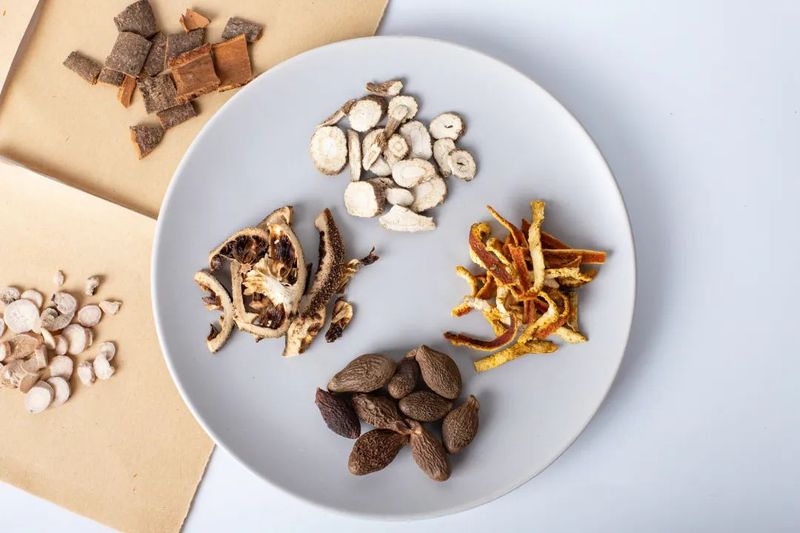
The chinese medicine fumigation: using some anti-depressants, such as carnival skins, tamarinds, mussels, etc., boils the medicine, uses the physical thermal and pharmacological effects of fumigators, and adjusts the body's filament function from the surface and inside。
550 sound healings: the human body's ulcer is regulated by a specific sound system, which corresponds to the pentagram。
Traditional chinese medicine practice: physical and psychological comfort is achieved through a three-pronged approach to physical and psychological harmony。
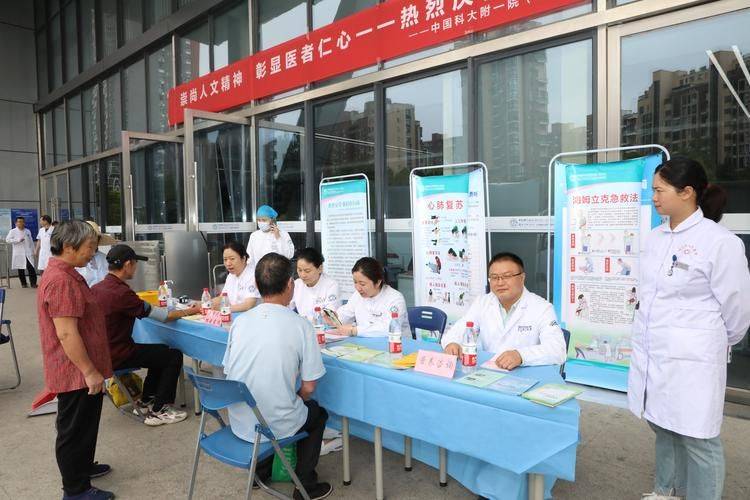
In addition, the chinese medical institute has been involved throughout the four golden treatment stages of the treatment of tumours and has played an active and effective role in improving the effectiveness and quality of treatment of patients。
Case stories
1. Cancer diagnosis period
During a medical examination, ms. Wang was diagnosed with breast cancer as if the sky had collapsed and, in deep despair, she wanted to give up her treatment. This huge negative sentiment has left her insomnia, unable to eat, and insatiable and inverse to treatment. Turning over to a chinese doctor's “comprehensive therapy”, she was able to communicate patiently, analyse the disease in detail, help the patient to express his fears and build confidence in overcoming the disease. In addition, using the “five-sound healing” method, patients are advised to listen more to the sound of the horns, the horns are woody, the tunes are smooth and lively, so that they can be soothed. It also applies the principle of “opportunity” in “hospital success”, suggesting that patients look more at comedy and shift their attention to social entertainment activities and from a negative perspective to a positive one to address excessive negative emotions。
2. Surgery, chemotherapy period
As the mood of ms. Wang improved, she was willing to cooperate actively with the treatment. However, during surgical and chemotherapy treatments, the body suffers from enormous pain and drug side effects, when doctors, by means of forensic treatment, use chinese medicine to compensate for acne, improve the digestive response of patients during treatments, such as nausea, vomiting and lack of energy, and use local acupuncture and cave massages to reduce the symptoms of the patient's body pain. The patient's physical discomfort is reduced, and it can also reverse the anxiety that affects the patient, thereby contributing to a more proactive treatment and improving its effectiveness。
3. Stable rehabilitation period
A long period of stable rehabilitation after the end of treatment is the most important one to prevent relapse. At this point, doctors tailor a life-care programme to reflect ms. Wang's physical condition, such as surgery, chemotherapy and haematosis, and recommend that the patient eat more of the food or medicine used to remediate the blood, such as party membership, yellow tungsten, home, date, etc., but also have the principle of non-relay, with less spicy and irritating food in her diet, and more of the foods that are resistant to cancer, such as seaweeds, mushrooms and thorium, in order to improve her health. At the same time, it is suggested that they should stay up and not stay up late, and that they should gradually practice traditional chinese medicine techniques such as tai chi, eight bands or sit-ins or meditation, and focus on breathing and spirituality through a relaxing exercise, so as to ease the air, body and body。
Thanks to all efforts, ms. Wang has successfully met the criteria for physical and psychological recovery. The story of ms. Wang can be described as not an example, but a living patient and a microcosm of the family behind her。
4. Late appeasement period
However, for some of the late-stage patients, the combination of physical and mental treatment is also crucial, and the aim of treatment is to alleviate the suffering of the patients and improve the quality of life. This pain includes both physical pain and psychological suffering, and we need to help patients to embrace reality, coexist with cancer, extend their life cycle, regain their inner peace, and walk warm, calm and dignified at the end of their lives in the form of chinese human care。
Concluding remarks
In ancient times, chinese doctors used the term “one mind and one mind”. As medicine advances, modern medicine also establishes a new “biopsychological-social” medical model, which shows that psychological factors are inextricably linked to the development and prognosis of tumours. The mental and physical co-habitation of chinese doctors can help to regulate the mood of patients. Through drug treatment and active psychological intervention, treatment and rehabilitation of 1+1>2 can be achieved to improve the quality of life and the health of patients on tumours。