Editor comrade:
China is now experiencing a strange economic phenomenon, with the renminbi showing strong appreciation abroad (mainly against the united states dollar). At the same time, the rapid rise in domestic prices for meat, food, stock and housing makes it clear that the domestic purchasing power of the renminbi is declining. Can it be recognized that the renminbi has experienced external appreciation and internal devaluation? Why is that? What impact will it have
Readers
Let us first look at the facts relating to the renminbi。
First, since the introduction on 21 july 2005 of a system of regulated floating exchange rates based on market supply and demand, with reference to a basket of currencies, the renminbi has been growing at an accelerated rate of appreciation, with its high median value against the united states dollar. The renminbi appreciated by 2. 56 per cent against the united states dollar in 2005, 3. 35 per cent in 2006 and 6. 9 per cent in 2007. By 13 march this year, the renminbi's average exchange rate against the united states dollar had crossed the 7. 1 mark and reached a new high since the “change”。
Second, at the same time, domestic price levels and asset prices have shown a faster upward trend. In 2007, the consumer price (cpi) rose by 4. 8 per cent, an increase of 3. 3 percentage points higher than in 2006 and well above the 3 per cent increase set by the government throughout the year. Since its entry into 2008, the upward trend in prices has been further reinforced by factors such as spring festivals and snowfalls, with the cpi increasing by 7. 1 per cent in january and 8. 7 per cent in february, reaching a monthly high of 11 years. The cumulative increase of 7. 9 per cent in total consumer prices between january and february this year is worrying。
It is clear from these two facts that the appreciation of the renminbi has been accompanied by an internal devaluation of the renminbi (a rise in prices). What, then, is the reason for the increasing purchasing power of the renminbi on the international market as a result of its external appreciation, while on the other hand the purchasing power of domestic markets is declining and so-called internal devaluations occur
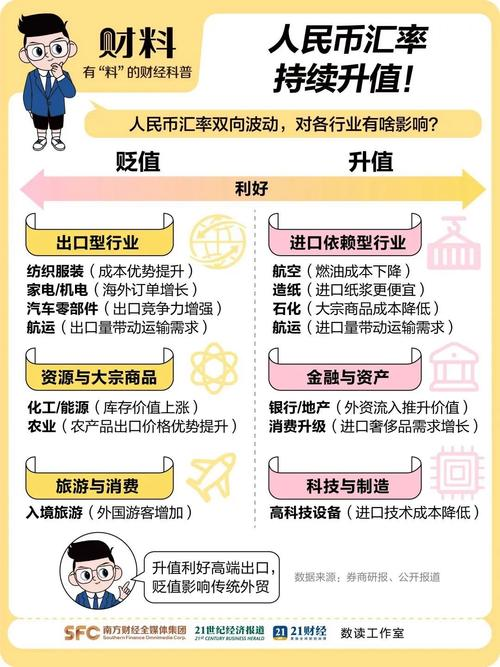
As we all know, the rmb exchange rate reflects the rmb's foreign value relations, while the rise in domestic prices and the rise in asset prices reflects the rmb's value for domestic goods and services and financial assets。
In general terms, there are many factors leading to changes in exchange rates, including economic growth rates, inflation rates, relative interest rates, aggregate supply demand, balance of payments, foreign exchange reserves, fiscal deficits, speculation and market expectations. However, in the light of the accelerated appreciation of the renminbi against the united states dollar in recent times, the main reasons include three aspects:
One is the discrepancy between the rapid growth of domestic economies and the recessionary trend in the united states economy, which may be the fundamental factor influencing exchange rate changes. Our economic growth rate has remained above 10 per cent for many years since 2003, especially since 2007, when our gross domestic product (GDP) reached 24,66 trillion yuan, an increase of 11. 4 per cent over the same period, which is higher than the rate of growth of 10. 6 per cent in 2003-2007 on average. In contrast to other countries, the united states has experienced a significant downturn since entering the second half of 2007. The united states economy grew by only 0. 6 per cent per annum in the fourth quarter of 2007, well below 4. 9 per cent in the third quarter, and a range of other economic data, including employment, factory orders, manufacturing and services activity indices, also indicate a further decline. Against this background, the accelerating rate of appreciation of the renminbi is undoubtedly evident。
Secondly, the effects of our long-standing balance of payments imbalances and large foreign exchange reserves. The balance of payments position is the dominant factor in determining exchange rate trends. In general, the balance-of-payments deficit indicates that foreign exchange demand is not sufficient, leading to depreciation of the currency and appreciation of the foreign currency; in contrast, the balance-of-payments surplus leads to appreciation of the currency and devaluation of the foreign currency. Since 1994, our balance of payments has been in surplus for both current and capital lines, and the accumulated accumulated appreciation of the renminbi over the long term must not be underestimated. Despite the gradual downward trend in the increase in the surplus, which began in the first quarter of 2007, our external trade surplus in 2007 reached $262. 2 billion, an increase of $84. 7 billion over 2006. In parallel with the growing trade surplus, our foreign exchange reserves are growing and by the end of 2007 our foreign exchange reserves had reached $1. 53 trillion, an increase of 43. 32 per cent over the same period, which is the largest foreign exchange reserve in the world. The increase in the size of foreign reserves has, on the one hand, increased the pressure on the renminbi to appreciate, and, on the other hand, the increase in the supply of currency due to foreign exchange as a share of the money has exacerbated the pressure on domestic inflation。
Third is the effect on exchange rates of the increasing level of domestic interest rates and the expected increase in interest rates. In general terms, interest rates fall, domestic capital flows flow; interest rates rise, and foreign capital flows flow. Such arbitrage activities caused by spreads are the main mode of international capital flows, which will cause changes in supply and demand in foreign exchange markets, thus affecting exchange rates. Since entering 2007, my country has raised the benchmark interest rate on loans six times in a row, while some countries in the united states and europe have consistently lowered the benchmark rate, which has led to a further increase in internal and external spreads and a further increase in the pressure and trend of the renminbi appreciation. In addition, the judgement of market participants in foreign exchange markets, the psychological expectations of market traders and their own forecasts of market movements are important factors influencing short-term exchange rate fluctuations. As a result of higher domestic price levels, it is now widely expected that central banks will increase interest rates further. This expectation, coupled with the attraction of higher asset prices, has further increased the speed and scale of international capital flows to the country through various means, contributing to the acceleration of the rate of appreciation of the renminbi。
In terms of the renminbi's internal devaluation, the current rise in domestic prices is also mainly related to food, which is a structural problem. For example, of 4. 8 percentage points of higher consumer prices in 2007, the impact of higher food prices was 4. 0 percentage points, of higher residential prices 0. 6 percentage points and of other goods and services 0. 2 percentage points. Of the 8. 7 per cent increase in the cpi in february this year, the main driving force behind the increase remains food prices, which have contributed more than 80 per cent to the growth of the cpi. Of course, in addition to structural problems, there is an objective inevitability for the devaluation of the renminbi by rising domestic prices and asset prices. These include the effects of international factors (including the spread and transfer of inflation between countries) and the real causes of domestic economic imbalances, such as global excess liquidity, a reduction in the production of some agricultural producers, and high oil prices (the oil price factor is estimated to be about 5 per cent of the country's overall price index, and 0. 5 percentage points higher animal prices if the price of oil is increased by 10 per cent for finished products), an appreciation of the renminbi, and an increase in domestic currency supply)。
In sum, the combined external appreciation and internal devaluation of the renminbi is a phased manifestation of the internal and external imbalances in the country's economic development, which are not isolated, but rather have some interaction. From the point of view of contributing to the sustained and healthy development of our economy, the priority now remains to control the rate of price increases, avoid serious inflation and prevent the acceleration of the devaluation of the renminbi against the domestic level, which will also help to curb the acceleration of the foreign appreciation of the renminbi. In response to the features of the current price rise, the government and the relevant departments have taken a number of measures to prevent and control it. We believe that, through these initiatives, the price levels can be gradually and effectively controlled and the devaluation of the renminbi can be gradually reduced。