According to agence france-presse, the world intellectual property organization recently reported in its annual report that the number of international patent applications submitted in 2023 was 2,726,000, a decrease of 1. 8 per cent. In the main category of the patent cooperation treaty, china continues to be at the top of the list, submitting 69610 applications. The united states was the second country to have submitted 55,678 applications in 2023。
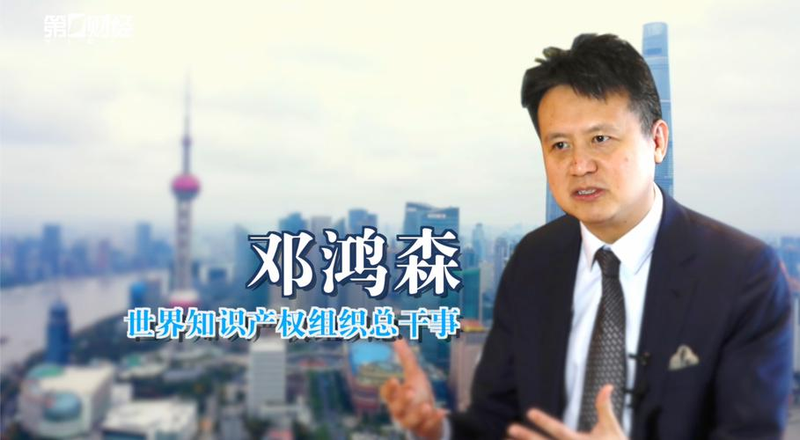
Intellectual property rights are a powerful catalyst for economic growth and development. 26 april, world intellectual property day, this year's theme is “intellectual property and sustainable development goals: building a common future based on innovation”. How can china's achievements in promoting intellectual property protection be viewed? How can the role of intellectual property rights in promoting science, technology and innovation for sustainable development be recognized? The journalist recently interviewed deng hong-sen, director-general of the world intellectual property organization。
Asia is becoming a major engine of intellectual property rights
This year's world intellectual property day theme focused on the relationship between intellectual property rights and sustainable development goals. “this year's theme is intended to explore how intellectual property rights can encourage more innovative and creative solutions, and to promote global solidarity and related action, which is essential for building a common future for humankind.” deng hun sen believes that promoting the achievement of global sustainable development goals requires highlighting the importance of intellectual property rights in promoting science, technology and innovation. Intellectual property was a cross-cutting issue, and the world intellectual property organization hoped that social development would be promoted through the promotion of intellectual property。
Recently, the world intellectual property organization published statistics on global intellectual property declarations, with a total of 27. 26 million international patent applications submitted globally last year (the patent cooperation treaty), a decrease of 1. 8 per cent over the previous year. Deng hun sen believes that the global number of patent applications has declined, albeit on a very small scale, as a result of the macroeconomic situation, and there is no need to be overly concerned. More importantly, countries and companies should continue to invest in innovation and empower themselves to temporarily take a competitive position in economic recovery。
Data show that asian countries accounted for 55. 7 per cent of international patent applications last year, up from 40. 5 per cent 10 years ago. Currently, 7 out of every 10 ipr applications globally come from asian innovators, creators and companies. “asia is now the main engine of intellectual property.” according to deng hun sen, asia is not only a concentration of goods and resources, but is also becoming a region of innovation and embrace digitalization。
Why is asia an important force for intellectual property rights? Deng hun sen believes that, first and foremost, there is growing confidence in innovation in asia. Not only does asia have 330 unicorn enterprises and a global 1/4 of technology-extension enterprises, but industries such as computer technology, semiconductor industries and cultural industries are growing dynamic. Second, asia has the fastest growing middle class in the world, with the fastest-growing penetration of smart devices, including smartphones. The number of asian trademark applications has tripled over the past 10 years, and many asian trademarks are now known. Asia accounted for 4 of the 25 globally renowned brands. Finally, government support and social demand for innovation are growing. The world intellectual property organization global innovation index ranks more than 130 economies, with six asian economies entering the top 20 globally. A survey showed that more than 75 per cent of people in the asian region considered intellectual property rights to be beneficial for economic development, a higher proportion than in the rest of the world, reflecting asia's desire to promote innovation and creativity。
China's intellectual property protection performance has been remarkable
The data show that china is the largest source country for patent applications, with nearly 70,000 applications submitted last year, the highest in the world, not only in the areas of patents, trademarks and visual design, but also in the area of geographical indications, with a steady global number of applications。
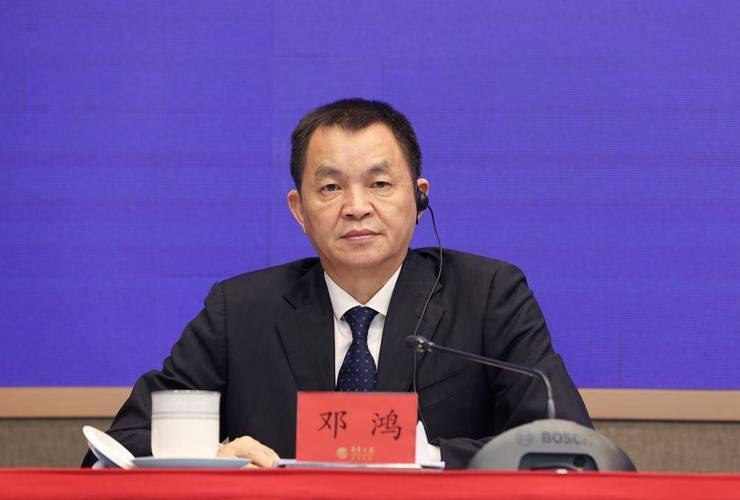
According to deng, over the past decades, china's intellectual property protection has shown remarkable growth and maturity, gradually evolving from the initial base stage to the present state of high maturity. In his view, the achievements in the development of intellectual property rights in china had not been by accident or coincidence, but rather had benefited from the high priority attached to intellectual property by successive governments。
In recent years, china has consistently promoted industrial innovation through scientific and technological innovation. Green industries have flourished, providing 50 per cent of the world's wind power equipment, 80 per cent of its photovoltaic components. New energy vehicles have been the world's largest producer for eight years, and more than half of the world's new energy vehicles are in china. At the same time, china's intellectual property administration has focused on stimulating green technological innovation and strengthening intellectual property protection. Statistics show that between 2016 and 2022, cumulatively, 558,000 patents were granted in the green low-carbon field globally, of which 178,000, or 31. 9 per cent of the global total, were granted in china, representing an average annual increase of 12. 5 per cent, which is an important force driving global growth in green low-carbon technologies。
“i am very pleased to see that china has made considerable progress in the areas of science, technology, innovation and green development.” according to deng hun sen, the chinese government is pursuing high-quality development. Innovation, green and intellectual property will become more important as part of high-quality development. “for example, chinese enterprises are using the power of digital technology to provide green solutions. When you enter the electric car inside biadi, you find the console fully data-driven. Unlike an ordinary car, a traditional car, it is a vivid picture of a green low-carbon development using digital technology.”
This year's report of the government of china on its work proposes many initiatives to develop new qualitative productivity. “i believe that the development of new quality productivity is linked to work that strongly supports innovation and enhances creativity. In fact, not only china, but all over the world, interest in innovation creation. I am confident that future growth will come from these practical initiatives.” deng hun sen said。
Deng hun sen believes that the importance of a good idea is self-evident, but it is not easy and challenging for entrepreneurs to support a good idea and extend it to the market. They will face many challenges ranging from financing to finding markets. We are pleased to see that the chinese government and many more countries are putting in place initiatives to create an innovative business environment, support entrepreneurs with new ideas and good ideas, acquire sufficient intellectual property skills and push their good ideas to the market。
The intellectual property regime will evolve
The current pace of development of artificial intelligence technologies is unprecedented, which poses some challenges to the current intellectual property regime。
“agent intelligence emerges to enhance and support human innovation and creativity.” dun hun sen stated that, while new problems caused by artificial intelligence were extremely challenging, it was not the first time that the intellectual property regime had been hit by major technological changes. In the 1990s, with the rise of the internet and the emergence of electronic commerce, the intellectual property system had to be adapted. The intellectual property system will also evolve in the face of the impact of artificial intellectual development. Wipo will work to place creators and innovators at the heart of the intellectual property regime。
Turning to the future of wipo, he said that wipo focused on encouraging the harmonious development of innovation, creativity, technology and intellectual property and on bringing the international community together to contribute to addressing global challenges. "intellectual property is meant to be an internationally inclusive public good for all." dun hun sen says