



The intellectual property regime has a long history in the world and is now well advanced into the production of life。
But, you know, when intellectual property rights first emerged, they were not used to protect, but to limit the privileges of others, and there were stages of development that led to the present system。
01
In the bud
(13th to 14th centuries)
During this period, the first patented thing in the world emerged: boo。
As the garment industry was well developed in the british manufacturing industry at the time, and in order to better take over the market, british king henry iii gave poll a monopoly of 15 years in 1236, i. E. Only the city of houghpol to make the same cloth, dye, and no one else to make the same cloth。

This instrument, signed by the king himself, is the prerogative of the feudal period。
In the history of intellectual property, it was also seen as the first patent。
It was only in 1617 that the british crown transferred patent approvals to government departments and courts that the patent system slowly moved away from its “privilege” character。
02
Initial and general establishment phases
(15th to late 19th century)
It is noteworthy that, although the first patent was born in the united kingdom, the first patent law in the world was enacted by the republic of venice。
On 19 march 1474, the republic of venice promulgated the first patent law in the world, the venice patent law。
The act provides that entitled persons have a monopoly on their inventions for 10 years and that no person may, without his consent, forge a facility identical to that of a protected invention, failing which he or she will pay 100 gold coins and destroy all the counterfeit facilities。
This body of law establishes the basic principles of the patent system, the effects of which continue to this day。
By contrast, copyrights and trademarks begin much later。
In 1709, the queen anna act was enacted in the united kingdom to spearhead the protection of author rights. This law lays the foundation for a modern copyright system. At the end of the eighteenth century, the united states introduced the federal copyright act, which improved the protection of copyright, following the model of the queen anna act。
For the first time, trademarks appeared in the law, under the french law on factories, manufacturing sites and workshops of 1803, which established that counterfeit trademarks were subject to penalties by virtue of a forged document and established legal protection of trademark rights。
In 1857, france promulgated the law on the manufacture of marks and trademarks, which is based on the principles of use and non-censorship, the first trademark law. Trademark laws were subsequently enacted in countries such as europe and the united states, and the trademark protection regime was gradually developed。
03
Further development phase
The end of the 19th century to the end of the 20th century
At this stage, intellectual property rights have developed rapidly and laws and regulations are being developed and improved in all countries。
On the one hand, the intellectual property systems of the pre-capitalist countries have been improved by continuous revision and science, and the international intellectual property system has been established, with national intellectual property systems characterized by “diverseness” from “diverseness” to progressive international modernization。
It is represented by the paris convention of 1883 and the berne convention of 1886。
On the other hand, the legal regime of intellectual property rights is enforced in more countries outside capitalist countries. In the latter part of the twentieth century, socialist countries began to attach importance to intellectual property protection systems. The soviet union and eastern european countries have also developed their own patent laws, trademark laws, copyright laws, etc。
04
Phases of the intellectual property regime linked to trade
"the end of the 20th century to the present"
With the development of science and technology and the increase in the knowledge and technology content of commodities in international trade, countries, particularly developed countries, have begun to focus on the protection of intellectual property rights in international trade in order to gain and maintain market dominance。
In addition to increasing the level of domestic intellectual property legislation and enforcement, some states have sought to use domestic legislation and to conclude or amend international conventions and treaties to force other states to increase the level of intellectual property protection。
The most notable development at this stage has been the strong united states-led developed countries that promoted the trips agreement within the general agreement on tariffs and trade (gatt) system。
The birth of trips not only further expanded the scope of the subject of intellectual property protection, but also introduced minimum protection requirements that world trade organization members had to meet, which, to a considerable extent, brought together the previously widely differing national intellectual property regimes to the same minimum protection standard, had a profound impact on the future development of the world intellectual property regime and economic and trade relations among countries。
05
Intellectual property development in china
And our modern intellectual property system arose 40 years ago:
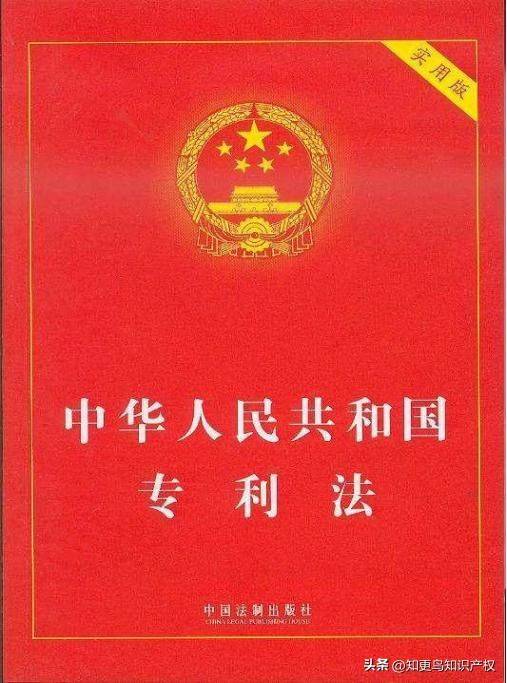
The law of the people's republic of china on patents was promulgated on 12 march 1984 and became effective on 1 april 1985
The copyright act of the people's republic of china of 7 september 1990 was established and became effective on 1 june 1991

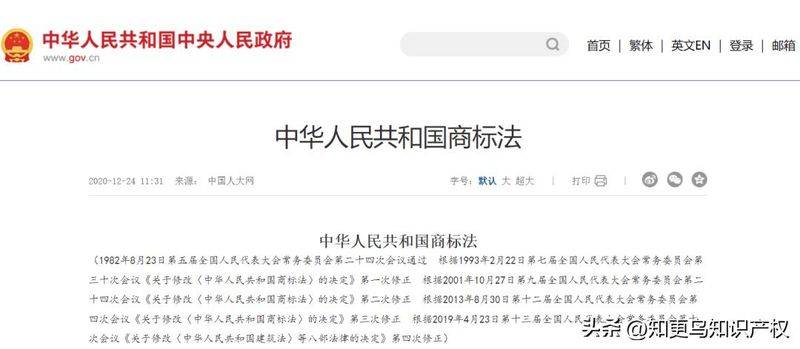
The trademarks act of the people's republic of china has been in force since 1 march 1983。
To date, we have acceded to almost all the major international intellectual property conventions and have established a comprehensive body of intellectual property laws and regulations that fully fulfil the duty of intellectual property protection。
The policy system and institutional set-up for the development of the intellectual property industry in the country are also improving in parallel with the development of the legal system。
Read more /
Intellectual property rights, high recognition, patent filing, trademark dilemmas, smart manufacturing subsidies, double integration subsidies, raising the value of intellectual property rights in enterprises, professional teams, full counselling, trustworthy



