All of a sudden, single-phase electric pumps don't turn around, little water comes out and jumps? Don't panic! Many failures can be solved by themselves, and you don't have to ask the master to pay. Today, in conjunction with the electrician classic overhaul, the usual faults of single-phase electric pumps, the routing steps and the solutions are presented once and for all。
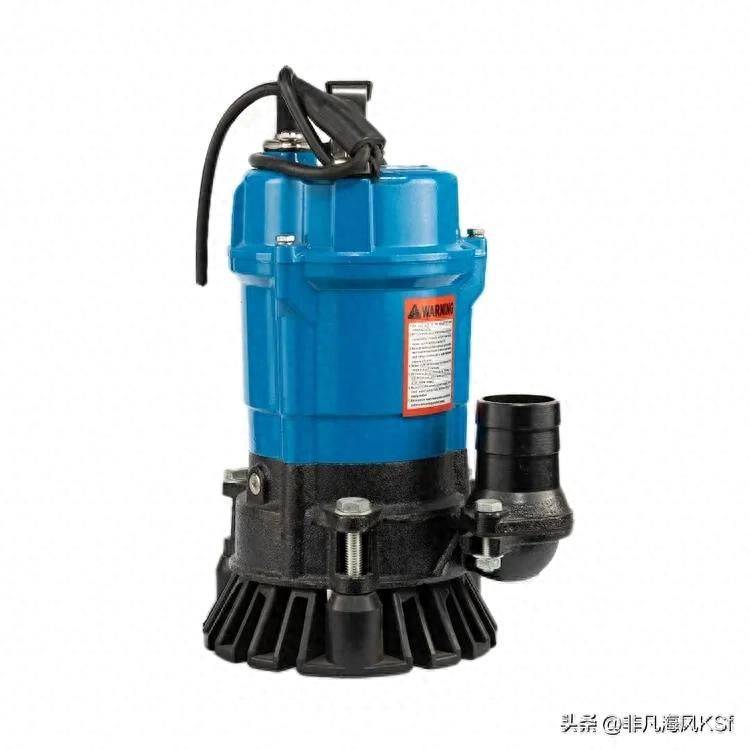
I. Discriminating first: is it the power or the water pump
The failure of single-phase electric pumps has two main core categories: partial failure of electrical motors and partial failure of water pumps, with large-scale screening followed by precise positioning。
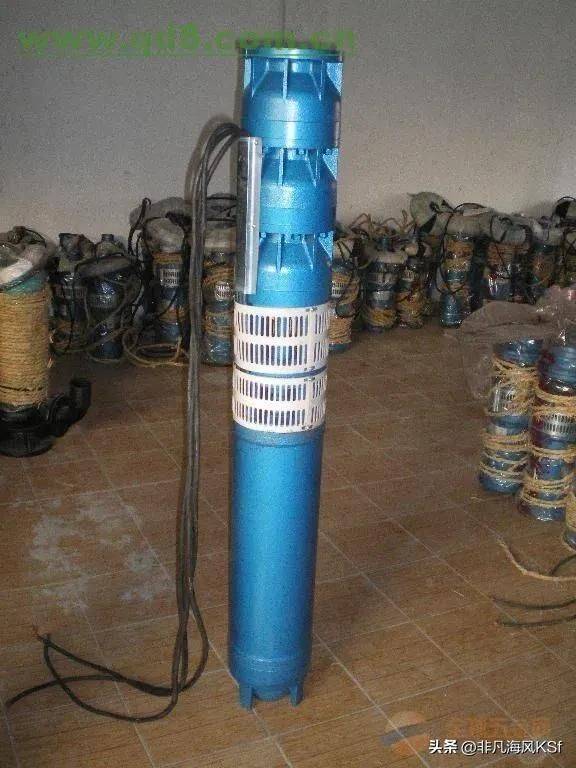
(i) electric motor component: non-rotation, low-speed, weak? In that order
This is the most common scenario of failure, such as the "muffled" after the electric power went off, the power of the turn was out, the speed of the turn was out, the following steps were followed, and 90 per cent of the problems could lead to root causes:
First step: to make basic judgements, excluding machinery cut
Disconnect the power supply and turn the electrical rotor gently with your hand (the submersible pump is to be removed into the water fence):
(a) mechanical problems are dealt with first if the rotation is inflexible and there is a carton: the fault is in the mechanical component (axis, pump card delay)
If the switch is flexible: the malfunction is in the electrical component, continue to check down。
Step two: confirm the power supply is normal, the route and the circuit
When the power voltage is determined to be normal, the electrical power lines are checked for break-off, then the main and sub-crew circuits are measured by the mass gauge, which directly results in the failure to activate the power。
Step 3, step 3: focus on start-up / running capacitors (80% failure here)
The electricity is the single-photo "starting the soul" and the power failure is the number one killer of the electric "muffled, weak" machine:
(a) fault performance: the electric power was buzzed after the power had passed, but could not be activated and could be turned with a hand dial
Solutions: replace the same capacity with a capacity deviation of no more than 40% of the original capacity and a rated tolerance value of no less than large and no more damage。
4. Step 4: scrutinium / rotor transfer (high frequency failure of aluminum-hull power)
Most single-phase pumps use aluminum casing, and the aphrodisiac is very easy to move
(a) performance of malfunctions: high noise, high currents, severe heat and malfunction
Solutions: dismantling the electric power, restoring the moving dot / rotor, fixing the dot from the center of the shell with a screw, welding the rotor to the rear point of re-pressure to avoid re-movement。
5. Step 5: rounded burning (end failure)
If there's no problem with the above-mentioned check, the rate is set to burn:
Incentives: mostly electrical voltage abnormalities, overloading, water intake and tide
Solutions: specialized electricians are required to repair the circuits or directly replace the power, after which the power voltage and load must be checked to avoid secondary burning。
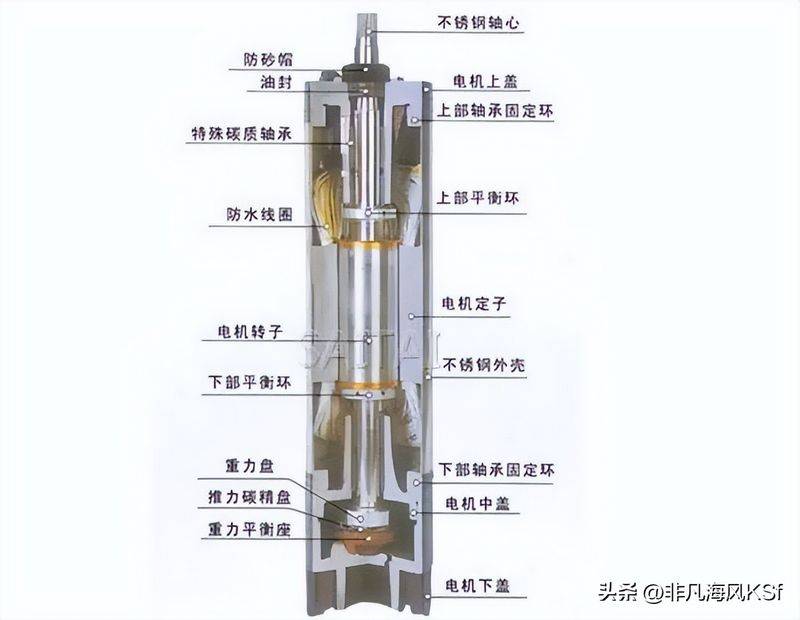
(ii) pumps component: leaks of jets, low discharges / no water? This way
The power is turned, but the water pump is also a high frequency failure, with two scenarios:
1. Power failures, protection jumps? 90%, water in! Pump-type screening
The failure points of the pumps are different
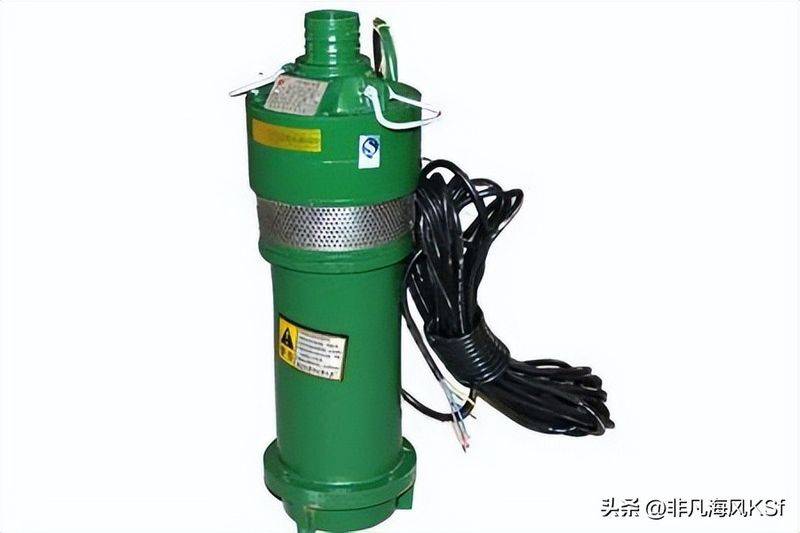
Ii. Inspection of pits: the key details summarized by the old electrician replaces the red line: 40 per cent of capacity cannot exceed original capacity, the resistance can only be large or small, and the “larger capacity can be used” to burn the electric machine; the diving pumps must be filled with: the tankers must be rigidly hardened, so as not to wriggle; they must be marked so as not to be misplaced; the focus of self-absorption maintenance: the air is strictly prohibited, the water intake is regularly cleaned and the leaves wheel is not broken; the source of the leak: 90 per cent of the leaks are sealed out of water, other blind machines must be replaced, the bearings must be checked first; and safety first: all overhauls must be broken, power must be removed, pump must be removed and pumped to avoid contact. Iii. Daily maintenance: small trouble-reduction techniques
Most of the failure of single-phase electric pumps is caused by small problems and can be resolved quickly with the correct order of clearance. In the event of complex malfunctions such as detours burning and severe electrical displacement, it is essential that professional electricians deal with it and that safety always comes first。