The most painful thing about on-site maintenance is leaks, with many colleagues coming up to unwieldy the circuits and changing them blindly, not knowing that eight of the 10 times the power leaks are not real, but the tunes are working. As a high-level electrician, with the distinction between realism leaks and coordinated wave interference, with fewer curves and a safe bottom line, today's four-step exercise speaks for itself。
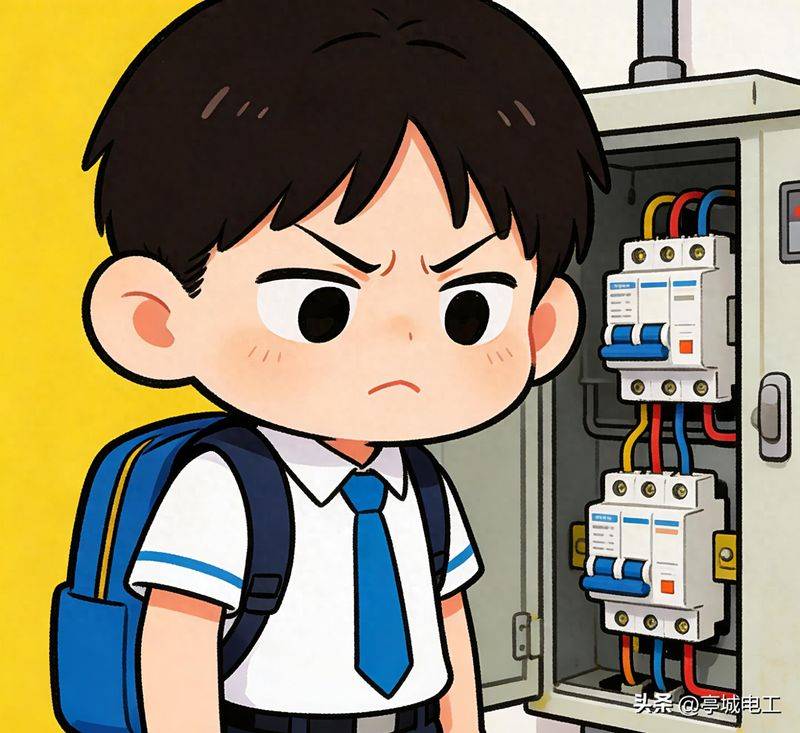
I. Preconditions: the two natures of the default are distinct
1. Real power outages: hard wound from circuit insulation
- flames, zero-line insulation, electrical discharges to the surface or the earth。
- it's a security failure。
- typical expression: jump as soon as the gate is closed, and jump without load。
2. Harmonic interference: electron current wave malformation leads to mishandling
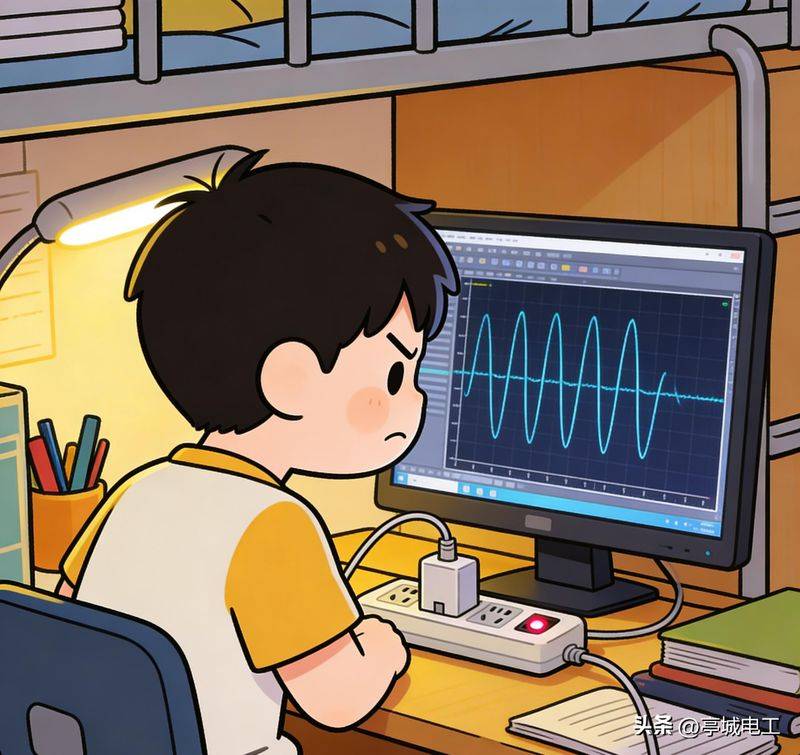
- hf hybrids, led-driven, switch-up power, charge-posts, etc。
- the leak detection wire was disturbed and miscalculated as a leak。
- it's an electrical environmental problem, not a circuit failure。
- typical expression: space-borne capacity to fit and jump with a specific load。
3. Core judgement
(a) air-mounted gates, looking at the baseline, with a test jump score
Harmonics are on the side of the frequency, and leaks are mostly in the wet zone。
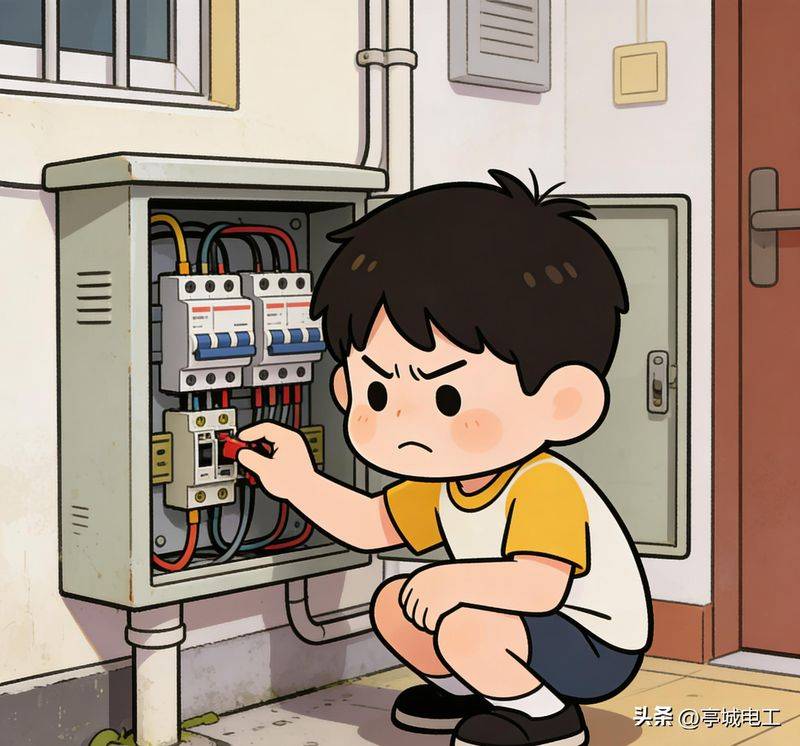
4. Principles that senior electricians must observe
Not blindly transposed, not forced short-link shielding, first characterization, repositioning, reprocessing。
Ii. Step 1: air-mounted gates test to remove basic electricity leakage
1. Operational methods
- all loads (plugs, lamps, all equipment out)。
- just keep the line in and try the leak。
2. Capable of closing: basic exclusion of electrical outages in the main trunk
- description of normal insulation of the routing。
- the problem rate is in the back load or in the band。
3. Incompatibility: the probability of a genuine failure
- fragmentation of lines, tides, zero-wire connections and internal power leaks in equipment。
- direct access to the leaking process, regardless of harmonization。
Key points

It's a test gold, it jumps when it's empty, and the basic harmony wave is irrelevant。
Step 2: sub-load testing, locking in the source range
1. Operational methods
- recover the load one by one, after leaking an empty load。
- every drive, watch if the leak jumps。
2. One-way jump only: targeting
- jumping only one road plug/equipment, with the main suspicion being that the road wave or equipment is out of power。
3. Multi-road jumps: wide-banded environment

- workshop, machine room, recharge pillar concentration areas are common。
- multiple switches are working at the same time, super-harmonic。
4. Total no jump: system normal
- before it was caused by an error or an instant shock。
5. Advanced judgement
One-way jumps are mostly a matter of equipment and multiple jumps are mostly a matter of harmonization。
Iv. Step iii: measurement distinction, speaking with data (best possible)
1. Discovery on a universal scale destiny

- rock-and-shield, zero-wire insulation。
- low insulation (less than 0. 5 m) true power leaks。
2. Discovering currents with pliers
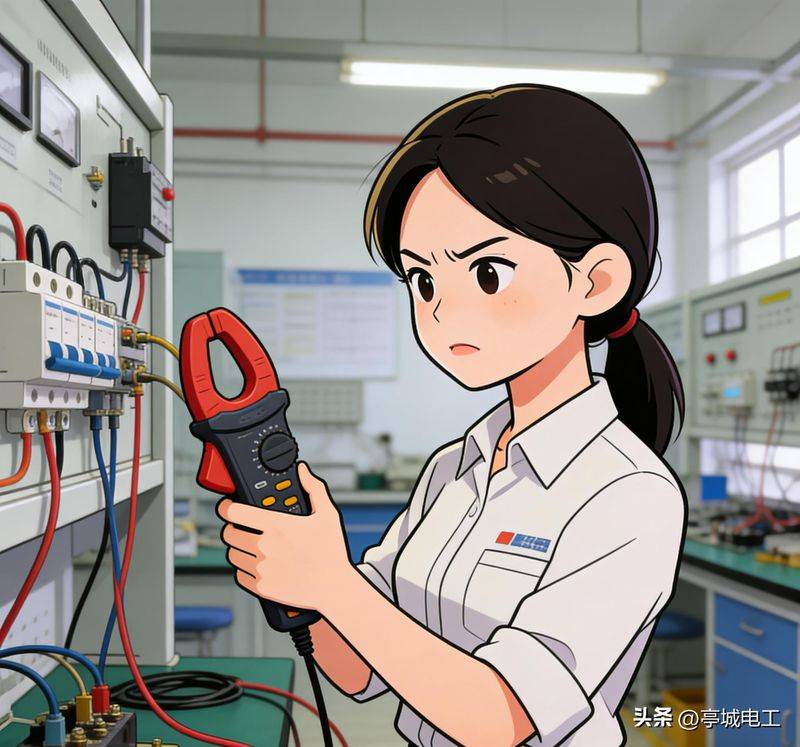
- airborne detection of remaining currents, close to zero normal。
- fixed small currents (e. G. 10-20ma) leaking electricity。
- electro-jumping, tumbled, tumbled, jamming。
3. Watch the wave shape with a beam
- waves are clean, no peaks are leaking。
- high-frequency stabbing, wave-forming malformations typical of the rhythm。
4. Replacement certification
- the replacement of suspected equipment with a non-disrupting power supply。
- don't jump off the backtrack problem。
- still jumps the device itself to fail。
Step four: targeted treatment, leaking electrical circuits, harmonization source head
1. True leakage treatment

- searching for decorating, damping, oxidizing。
- drying, changing cables, redoing insulation。
- the insulation must be repeated after repair。
2. Harmonious interference treatment
- adding output resistance to transformers, chargers。
- use of harmonic leaks (type b, type a selective use)。
- separate access to sensitive equipment, away from the source of interference。
3. Prohibited acts
- dismantling of leaks and short-wire lines is strictly prohibited。
- forced substitution of common leaks for anti-coordination types is strictly prohibited。
Final acceptance and inspection
- air-borne stabilizers。
- full load runs without jumping。
- insulation and leak compliance。

The denial of security is not terrible, but it is feared that it will be repaired indiscriminately. As a high-level electrician, the first step was to characterize whether it was a power outage or a tuning wave, a four-step test, and the root causes of the problem immediately emerged. The safety risks of real power outages are not ignored, nor are they carried away with the nose by the waves, which is the foundation of expertise for on-site maintenance。
# power leak protection # # electrician loop # # electrician hard core # # electrician knowledge # # electrician stuff # # headline, hotspot # # embroidery # # port headlines #