The maintenance cycle of the japanese-born truck in east fengzhou needs to be differentiated between the specific vehicle type and the type of oil used:
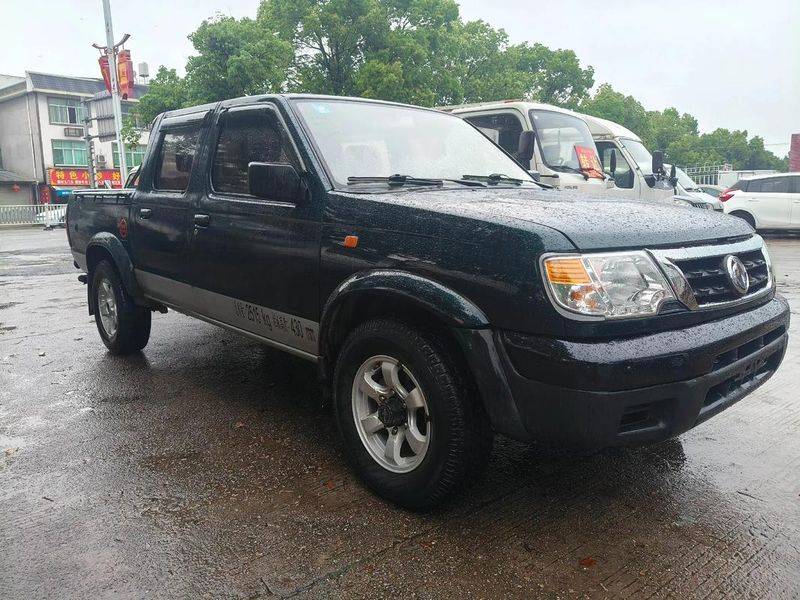
For the navarre model, the initial maintenance should take place after 2,500 kilometres or three months, with a follow-up maintenance interval of 5,000 kilometres or six months. The maintenance cycle varies with respect to the sharp series. The maintenance period for zigu 7 is 5,000 km or 6 months, while zigu 6 uses the interval of “20,000 km/1 year for minor maintenance and 40,000 km/2 year for major maintenance”. The normal sharp pick-up truck would need to be maintained every 5,000 kilometres of ordinary oil; if full composite oil was selected, the maintenance period could be extended to 10,000 kilometres. In addition, d22 picats are recommended for routine oil maintenance for every 30,000 kilometres。
The maintenance requirements of different models reflect differences in product design and provide the owner with a conservation programme that is more accompanied by the actual use scene. The nawala owner will need to replace the oil and filter cores in a timely manner at the first guarantee to remove the metal scrap from the engine and lay the foundation for subsequent long-term stabilization operations. The subsequent maintenance interval of 5,000 km or 6 months takes into account the use of day-to-day commuter and light-overground scenarios, with the owner having flexibility based on actual mileage and time, whichever comes first。
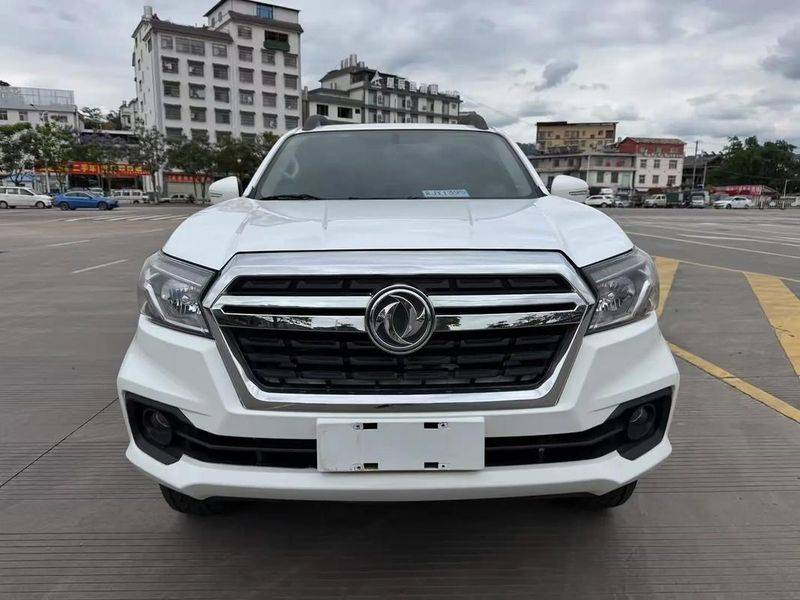
The maintenance programme for the sharp series is more targeted. Sharp 7 continues the maintenance rhythm of traditional pickups, with 5,000 kilometres or six months apart suitable for users with frequent short-distance or multiple-dust movements, and regular maintenance allows for the timely management of engine carbon and filter core losses. The `long-cycle maintenance' design, which is better suited to long-distance transport or high-frequency high-speed travel, the replacement of small-maintenance focus oil with filter cores and large-scale maintenance coverage of key component inspections, such as gear tank oil and brake oil, both reduces the time cost of frequent entry and ensures the health of the vehicle core system through phased maintenance。
For conventional sharp pick-ups, oil options are more flexible, allowing the owner to adjust to the intensity of use. Ordinary motor oils are suitable for short-distance operations around the city, full-synthetic oils are suitable for long-distance transit or heavy transport, and 10,000 kilometres of extended cycles can significantly reduce conservation costs. D22 picas as a classic car, with 30,000 km of machine oil maintenance space reflecting their mature and stable mechanical structural properties, needing to be noted by the owner that the cycle is only for regular oil replacement, and that routine checks such as air filter cores and tyre wears during the period are still to be performed at a frequency of 5000-10000 km to avoid the overall condition of the vehicle as a result of single-component losses。
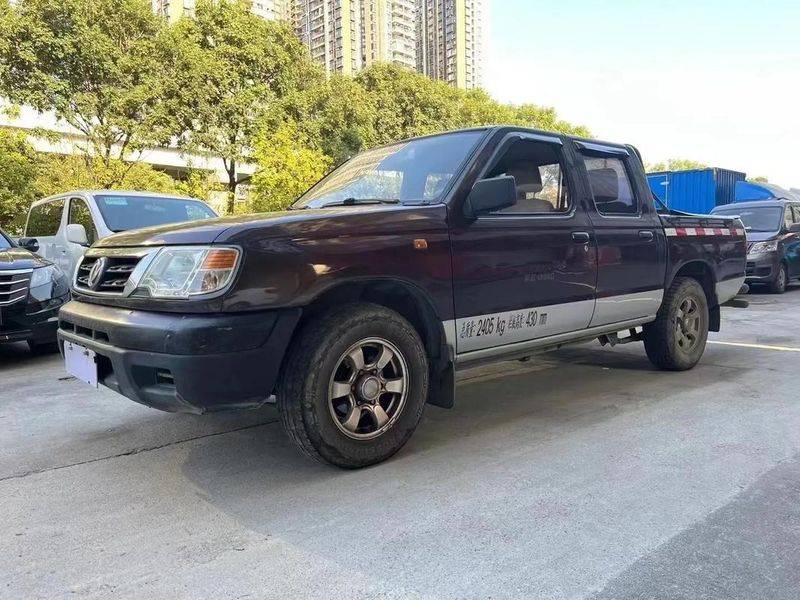
Taken together, the maintenance cycle design of the yen pick-up truck in east fengzhou takes into account both the technical characteristics of different models and the diversity of user scenarios. In addition to following the official cycle, drivers need to be flexible in their physical maintenance, taking into account such factors as road conditions and fuel quality. For example, vehicles operating in a long-term sand and dust environment can appropriately shorten the replacement cycle of air filter cores; frequent heavy-carrying models require enhanced inspection of suspension systems and brake parts. Scientificly sound maintenance planning not only increases the useful life of vehicles, but also enhances the safety and efficiency of each trip。