In ancient times, wars were frequent and almost routine. This not only gave rise to headaches for the rulers at the time, but also placed ordinary people in great distress. It is not difficult to see, by looking at some ancient plays, that there is often an attack on cities in ancient wars. For the defense, the most important task is to keep the city. For once the city has fallen into the hands of an enemy, the people of the city face an extremely tragic fate that, at worst, could even lead to the destruction of the whole dynasty。
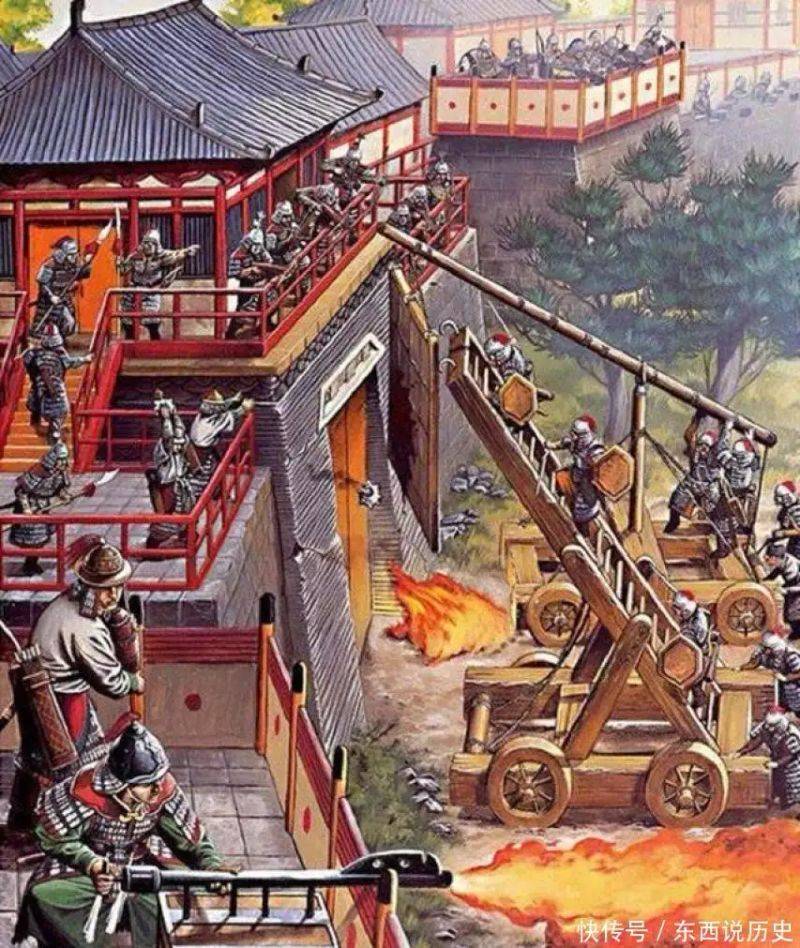
As we can see from the television dramas, ancient wars usually take down the towns on a systematic basis until they reach the centre of the regime of the enemy. So why did the ancient war have to attack the city? Since knowing that a frontal attack would take a great deal of strength and morale, why not go around the enemy and take a different course and attack the city from another direction
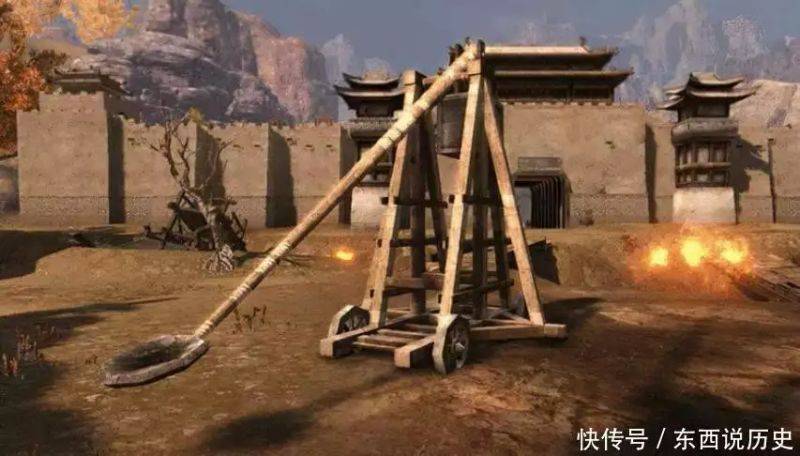
The ancient military conditions, though relatively backward, were not foolish; they certainly knew that they could go around the city. However, they chose to attack the city in a positive way, out of a desperate choice. Compared to modern societies, technological developments have made our travel easier, with the emergence of vehicles such as cars, high irons and aircraft making it easy for people to get around, almost all roads leading to their destination. However, ancient travel patterns are very limited, with the majority relying on carriages and only those with a certain social status. More importantly, ancient roads are in very poor condition, mountains are rugged, and it is not easy to find a flat path, as the words of the poem say, difficult to reach. As a result, it is simply impossible for the general population to climb the mountain, but rather to opt for the established level of justice。
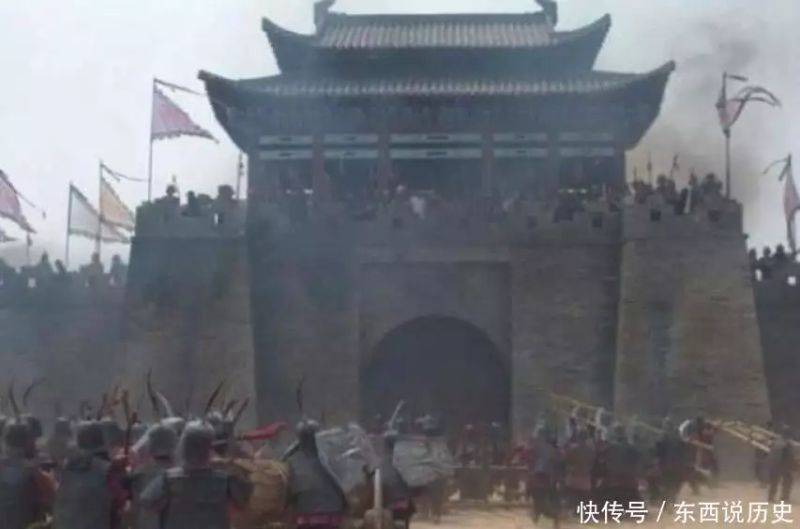
There are also unique features in the selection of sites for the construction of ancient urban ponds, which are usually built in more difficult terrain, with water in the mountains, and around which there is a road that can be easily constructed and connected. Although the attack was very dangerous, it was much better than a detour. In the case of detour, soldiers have to travel mountains, not only increasing the burden on soldiers, but also exposing them to additional risks. After all, the ancient army was usually dominated by infantry, and long marches were a great test for soldiers。
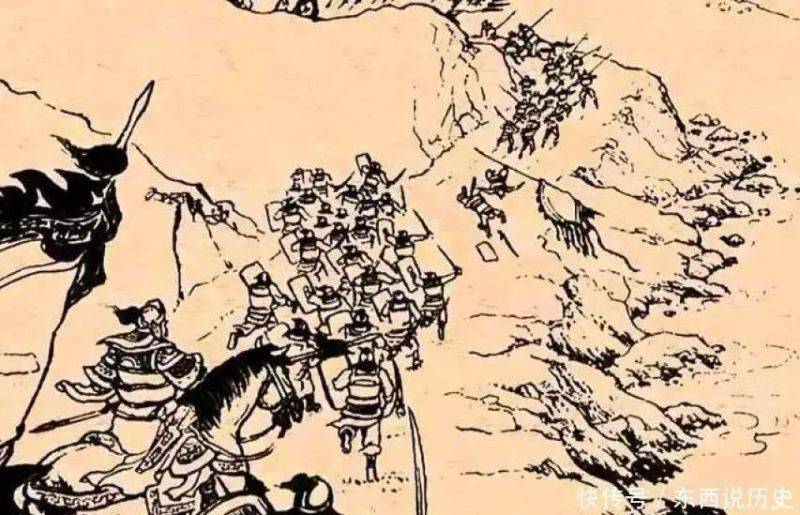
The old war required a great deal of military, food and material support. The long march of the army, carried with it tons of grain and equipment, has taken the liberty of choosing a detour, which could lead to the death of many soldiers in transit. Even when it was possible to overcome the difficulties and reach the enemy's pool, the soldiers were seriously overstretched. In particular, on the rugged mountain road, the army is vulnerable to loss of direction and to enemy ambushes, which lead to the destruction of the entire army. As a result, the risk of detour is extremely high and direct attacks are the most reliable option。
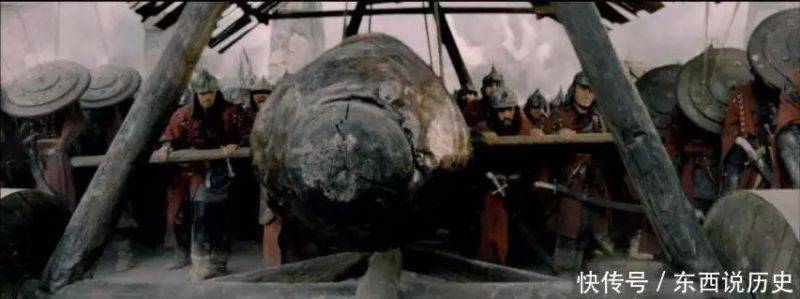
Old-age wars usually last for months, even years, and long-term fighting means that soldiers need to maintain sufficient physical strength and energy. If the enemy were to rest in the city pool and we were to travel long distances on the rugged mountain road, the soldiers would have been exhausted and no fighting power. Thus, while facing a direct conflict, the attack is the most effective, quickest and surest way to win. Deviation is not only a waste of time, it is also prone to failure。
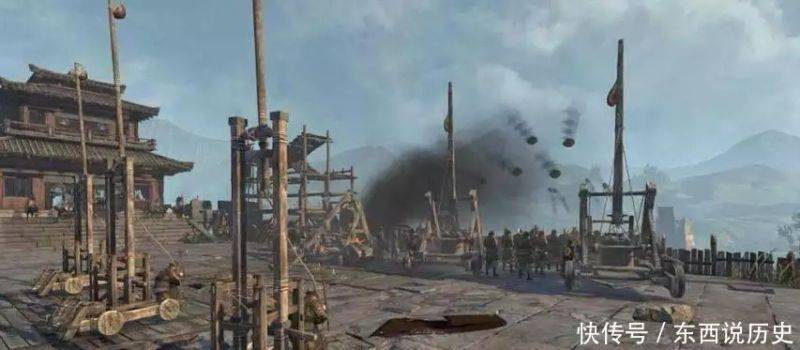
Although the attack would take a heavy toll, it would actually have some benefits that we do not know much about. Wars are often unpredictable and, if they continue for many years, the army cannot sustain them with enough grain and supplies. The city pool has become an important supply base for the army. If the city is successfully taken over, it will have access to resources such as grain, force and gold and silver, which are vital to the success of the war. In fact, not only is the town a location for the army, but it is also an economic and transport centre on one side, which controls a pond and controls the lifeline of the area。
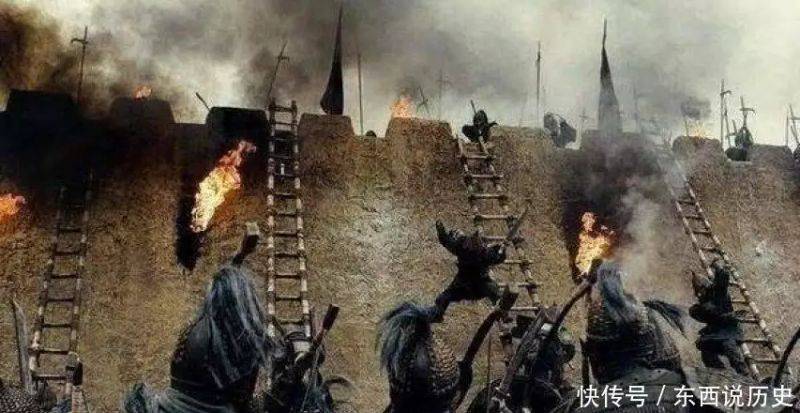
For example, in the trinational act, zhuge liang sent ma jin to guard the kiosk for many years to plan for the north, but the pavilion eventually failed due to its arrogance and lightness. This incident also illustrates that the key to the ancient war was the transmission of information. In ancient times, the transmission of information was extremely difficult and, in many cases, relied only on couriers. If the military chooses to bypass, the information is almost cut off. However, once the town pool is taken, a stable base can be established to facilitate the receipt and transmission of information. This is an incomparable advantage of the bypass。
In conclusion, the attack on cities in ancient wars is so important because it is the most direct and effective method of warfare. Although it appears to be costly, it can in fact significantly reduce the overall risk of war and guarantee the chances of victory. The attack not only demonstrates the cruelty of the ancient war, but also reflects the great military wisdom of the ancients。