China has a long history in which countless brilliant civilizations were born, accompanied by countless wars and strife. In this long process of dynasty change, the invasion of the land has been one of the important purposes of the war. In order to reduce the risk of marching as a result of ancient underdevelopment of traffic and lag in the transmission of information, wars often rely on solid walls to defend their enemies, protect their populations and ensure that their own pockets are not occupied and looted by them. War, however, is always brutal, and even if you do not attack, you may be attacked by the enemy. In ancient times, attack and maintenance have been a difficult challenge. Researchers found that the attack was more significant than defensive. In many wars, the battle against the city was considered to be the key to the success of the war, and it was often up to a general to judge whether or not he was good enough to take down the pools。
As the war continues and experience grows, the ancient generals have made many improvements in their offensive. The weapons used to attack the city are no longer the same, and new types of weapons, such as rockets, have been introduced, in addition to traditional attack vehicles. Moreover, the theory and tactics of the attack have been greatly developed and refined. Nevertheless, there are still some shortcomings in the study of the ancient offensive, mainly in two areas: whether there are many scholars remaining to analyse its merits in individual cases; and the lack of a comprehensive and systematic analysis of the attack. This paper will analyse the basic conditions and common methods of the ancient offensive and provide a comprehensive picture of the background and trajectory of the ancient offensive, taking into account several classic offensives. The battle against the city: the creation of times
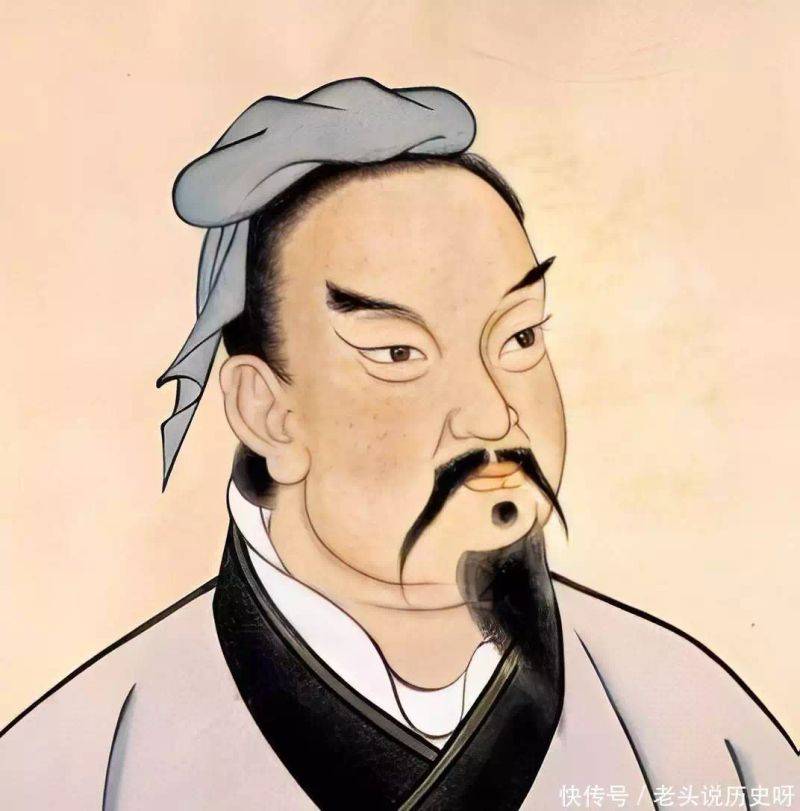
In ancient times, the urban pool was not only the centre of the economy and population, but also the hub of surface and surface transport, with an important military defence role. As a result, the war against the city and the city has continued. Many well-known military figures, such as sun moo, see the attack as a last resort. There is a cloud in the sun tzu war act: “it attacks the city”, meaning that it is the least desirable strategy. Not only will the attack cause enormous damage to the attacking party, but if it is delayed, it may also affect the war by such problems as inadequate grain and low morale. Although there is no clear record of an attack by the merchants, as early as the time of the war, the episode mentioned various methods of attack, including water attacks, fire attacks, etc. During the spring and autumn period, the doctrine of the attack was first introduced by the military militarist sun moo in the sun tzu war act, while sun tzu further developed the idea of the attack in his military law by proposing a classification of the town as a “hung city” and a “hong city”。
During the state of war, ink provided a detailed list of 12 methods of attack, laying the foundation for subsequent offensive technology development. In song dynasty, the innovation of weapons and the widespread use of firearms have led to considerable progress in the techniques and doctrine of the attack, which has evolved from a single attack vehicle to a combination of means。

However, there is still insufficient research into the ancient battle against the city. Many scholars continue to focus only on a certain period of attack, without a comprehensive and systematic analysis. This paper will provide a comprehensive study of the ancient offensives in the context of literature research, and an in-depth analysis of their role and practical effects in the war. The battle against the city: the war against the other, the war against the other, is by definition a war aimed at destroying the other. The sun tzu law refers to “their attack on the city”, meaning that it is the least desirable strategy, because it not only entails high costs, but may also lead to prolonged war of consumption. The ancient ponds not only contain thick walls but are often surrounded by moats, through which the defensive side can effectively resist attacks. Nevertheless, after the attack, the town was not only an important strategic stronghold for the attacking party, but also a transportation hub that could be used to convey information, expand the territory and even increase military and economic power. The attack, however, was not easy, and needed first to break through solid walls and moats. Even if the attackers succeed in crossing the moat, the last line of defence, the wall, remains a great challenge. The ancient walls, which were mostly made of ground or stones, were very strong and often contained defensive installations such as observation posts, shooting holes, etc., and therefore required extremely high tactical and equipment support。
A successful battle against the city is not based solely on strength and strength. First, there must be adequate food and grass. History records that the supply of grass is extremely important in ancient wars, as soldiers consume far more rations than usual, and ancient traffic is underdeveloped and the delivery of grass is difficult. Secondly, the attack also requires sufficient manpower and sophisticated weaponry. When attacking the city, the attacker often needed large-scale force support, and ink had pointed out that a 4,000-man-guarded town pool would require a siege by at least 100,000 people to win. In addition, the battle against the city requires the use of a variety of instruments, such as ladders, stone-throwers, rockets, etc., whose sophistication directly determines the success or failure of the attack. Integrated use of attack methods
The attack does not depend solely on force and weapons, but requires a combination of methods to break through the line. The usual methods of attack include water, fire and earth attack. 1. Water strikes: the use of heavy rain or artificial changes in the direction of water flows to attack the enemy is a common method used in ancient attacks on cities. Water attacks not only flood enemy lines, but also effectively attack enemy morale. Fire attack: fire attack is another old and effective means of attacking the city, especially before the gunpowder was invented, using rockets, fireballs, etc., which can destroy enemy installations and cause chaos. 3. Land strikes: attacks on urban pools through excavations or underground operations. While this approach appears conservative, it is in fact one of the most effective and varied methods of attack。
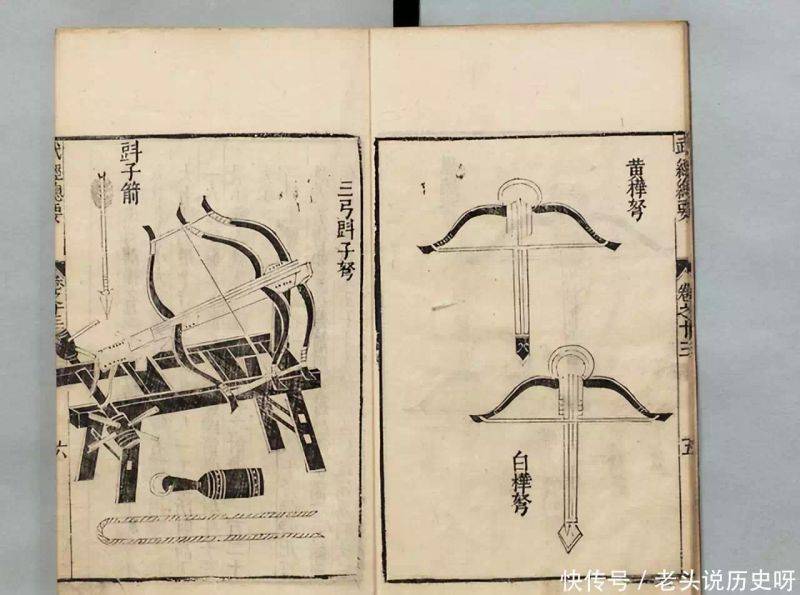
These attack tactics often need to be applied flexibly according to geographical conditions and the characteristics of enemy defence, so the attack is not just a battle of strength, but of wisdom. Classic battle against the city
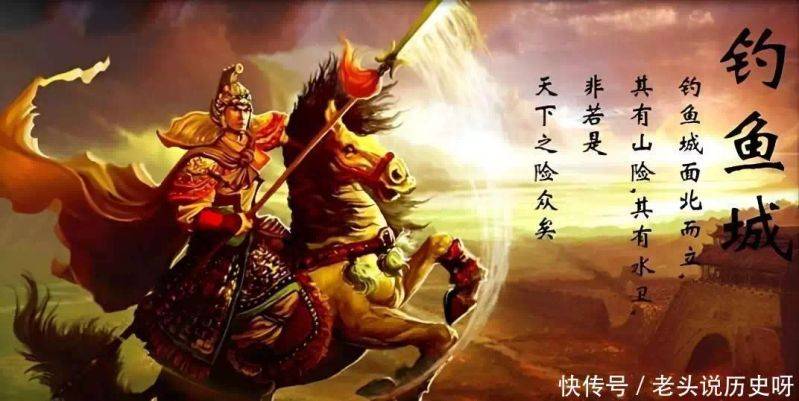
1. The huen fong five roads in the summer war: this was a major battle against the city during the period of north song, using both direct and indirect attacks, and ultimately failed to capture the enemy city as a result of the response of the xisha army. 2. The battle of fishing towns: in 1259, the mongolian army rounded up the fishing city, which, despite its strength, was finally able to resist the enemy's attack because of the firm resistance and favourable geographical conditions prevailing in the city。
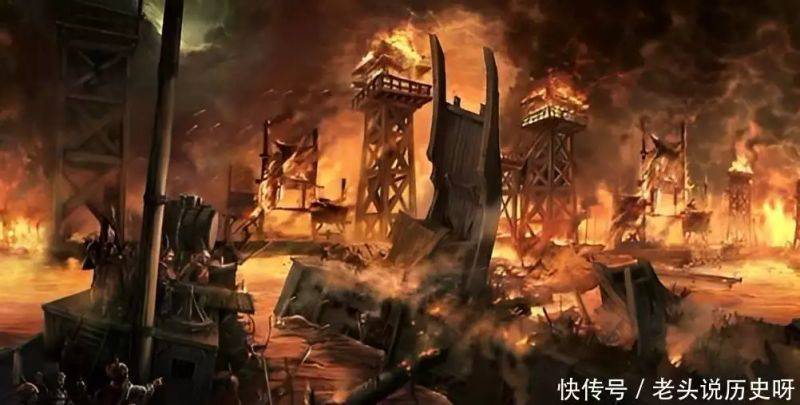
3. Defensive war: in 1267, the mongol army rounded up zyang, and the song army demonstrated tenacity in its long siege. Despite its failure to respond successfully, the defence war became a classic in history。
Through the study of these classic battles, we can learn more about the context and tactics of the attack and thus explore the trajectory of ancient wars. Concluding remarks
The ancient battle against the city is not simply a struggle between strength and intelligence. Each attack requires the rational use of tactical means based on adequate preparation. By studying the battle against cities, we can not only understand the course of ancient wars, but also better understand the evolution of ancient military technology and strategic thinking。