The famous alphago is the first artificial intelligence robot to defeat human professional chess players and the first to win the world championship. Its emergence has led to increasing awareness of artificial intelligence。

Do you know what "go" means in "alphago"? “go” means chess, which is what the western world calls it。
So, have you ever wondered why the english language of the chess game, instead of using its original name, “weiqi”, chose the term “go”
01
Game origin
Chess, a game full of wisdom and strategy, can be traced back to china's deep cultural soil, and is one of the treasures of chinese culture. When it comes to the inventors of chess, there is no more widespread expression than “juyo soon”。
“yo created a chess game to teach danju, and said, ‘everyone is a fool, so let’s teach him.”
It means that in order to teach his son danjoo, he created a chess game in which he hopes to inspire his wisdom. It is also argued that, because of his poor qualifications as a subsidiary of his business, he designed chess as an educational tool with the expectation that he would be inspired by a game。
02
The english translation of chess
Indeed, the english translation of the chess name “go” is a japanese-origin term. In japanese, the game is referred to as "single" or simplified as "single" in which the word "single" is used in chinese as a different word for "chees"。
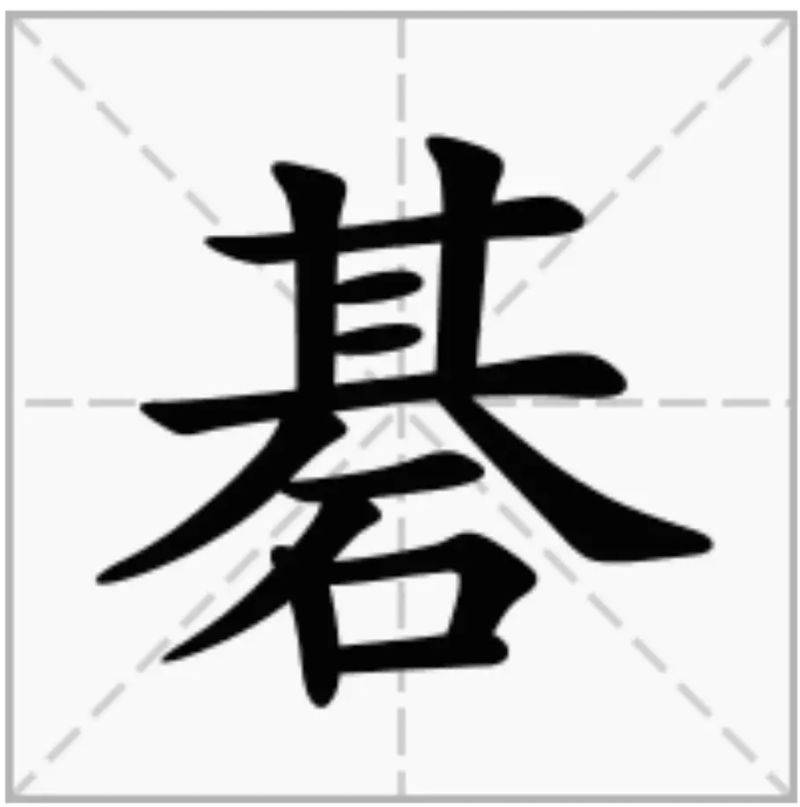
And in japanese, it reads "middle" (igo) or "simplified" (i. E. "go"), which is the origin of the english translation of "go" and, in the english-language environment, most chess terms also directly use japanese terms, such as taari, joseki and san-san。
03
The spread of chess
The spread of chess in the western world is inextricably linked to japan. It is japan's active promotion and exchange in the field of chess that allows this ancient and wise game to cross borders and be well known and loved by the western world。
At the end of the 16th century, the italian jesuit missionary rimardi came to china and carefully documented the news of his chinese life. In one of these notes, it is stated: “the chinese are interested in a variety of chess games, but no one is more interested than in a game that uses black and white chess to play on the empty board of 300 squares.”

In 1694, the british orientian thomas heide, in his latin book the orient game, described in greater detail the rules and the essence of the chess game, showing the depth of the chinese chess game for european readers. Although the works of limas and thomas gave the 17th-century europeans an initial insight into the game, they unfortunately did not contribute substantially to its dissemination in the western world。
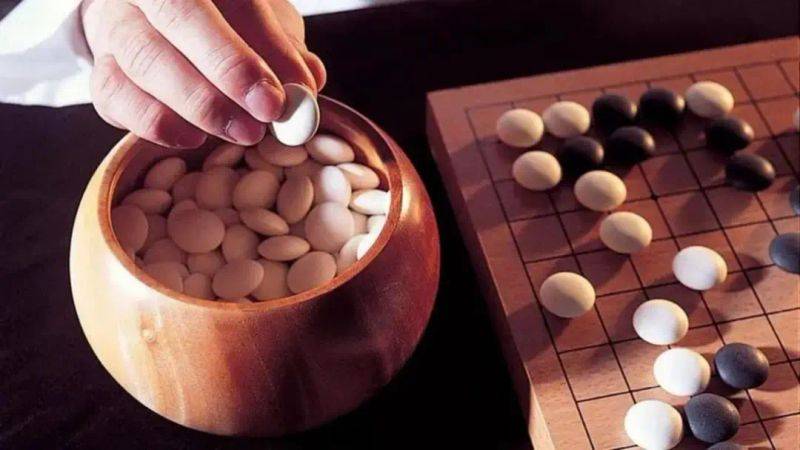
In the nineteenth century, oscar koschert of germany happened to meet and be taught the japanese top chess player in japan. He was deeply convinced that chess was attractive enough to match the chess that prevailed in the west and was determined to introduce it to europe。
Starting in september 1880, he published a series of chess articles in a large german magazine entitled " japanese and chinese chess games " . One year later, the book " japanese and chinese chess game: chess competitions " was published in yokohama, japan, marking the birth of the first book in history to give a full account of chess in western languages (german)。
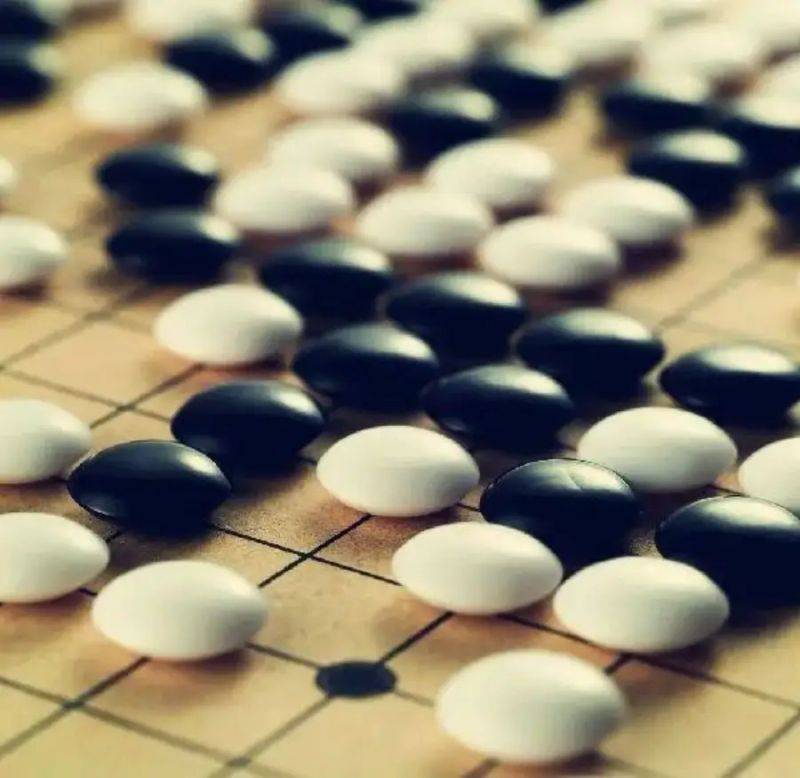
Over time, the book has been translated into a wider english language, allowing chess to enter the entire western world. As koschert first came into contact with and learned about chess in japan, he naturally used the japanese term “go”, making it a generic term for chess in western languages. This coincidence not only enriches western culture, but also furthers the global spread and spread of chess。
05
Evolution of chess translation
Although the translation of “go” is more extensive worldwide, the name of the ancient and wise game of “geo” has also evolved in history。
Today, the world's chess world is characterized by diversity, not only china and japan, but also south korea. In the 1990s, korea's game of chess defectors surged and its korean-language pronunciation, budak, was translated into english and spread across the globe。
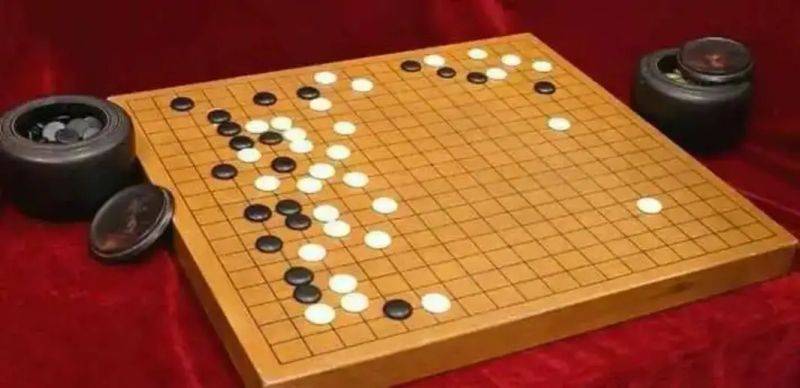
China’s re-emergence since the 1980’s has once gained momentum over japan and korea, and the three countries have made a three-pronged move. In recent years, a growing number of chess players have tended to use the term “weiqi”, which has been consistently promoted and accepted by a growing number of foreign friends, as well as by the increasing use of the term “weiqi” in related literature。
This change reflects not only the global spread of the chess culture, but also its growing worldwide popularity and acceptance. As cgtn once described in a report
You may not imagine that a simple word -- either weiqi or go could be so much more than a nameI'm sorry.
Translation: you may not imagine that "weiqi" or "go" may not be just a name. It represents cultural strength, national pride and world influence。
In recent years, with the worldwide spread of chinese culture, more and more chinese feature names and terms have been translated into spellings, such as “tits” into “jiaozi”, “mutalism” into “wushu” and “songs” into “xiangsheng”. This trend is a sign of our growing cultural confidence。
Good course for admission