20 september is the 33rd national tooth love day. This year's theme was "a healthy mouth, a healthy body," and the sub-theme was "a healthy life from childhood."。
Core knowledge of children's oral health
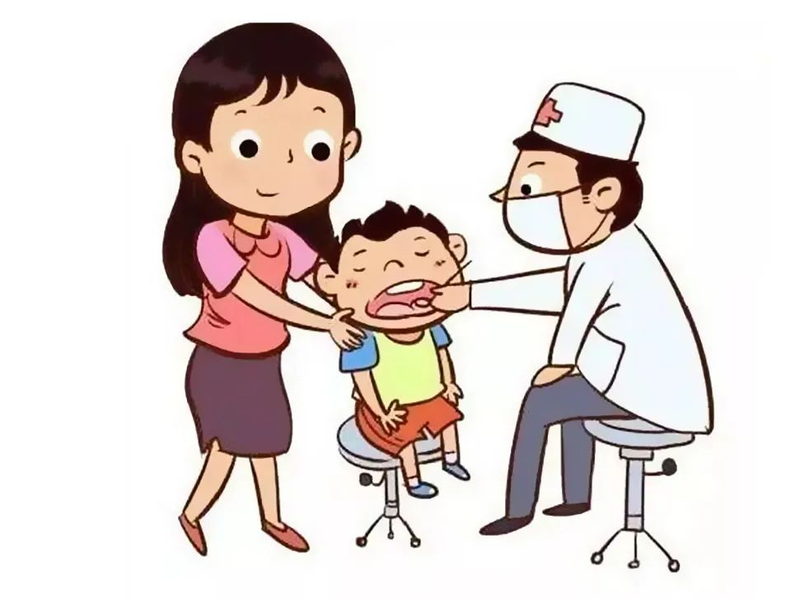
I. Periodic oral examinations and timely treatment of oral diseases
Symptoms are common oral diseases in children and can cause all-body symptoms, such as tooth pain, swelling of the face and even high fever。
The chronic lack of treatment for disease can result in children chewing side-by-side, asymmetrically developed sides, and can affect the normal development and growth of a constant tooth。
Children are a high-prevalence group of oral diseases and are growing rapidly. In order to keep abreast of their oral health, early detection of oral problems and early treatment, children should undergo oral health checks every six months。
Ii. Early cessation of bad oral habits and early prevention of dental malformations
The common harmful oral habits of children, such as undertones, tongues, lips, pencils, mouth breathing, night grinding and side chewing, can lead to inappropriately organized teeth and even to deformities of the cheekbones, which should be removed as soon as possible。
For children with oral respiratory habits, they should be checked for a smooth upper respiratory tract, treat respiratory disorders and correct their breathing in a timely manner。
Teenage malformations should be detected during the masture period or during the replacement period for lactation. They should be examined by a dentist to determine whether early corrective treatment is required。
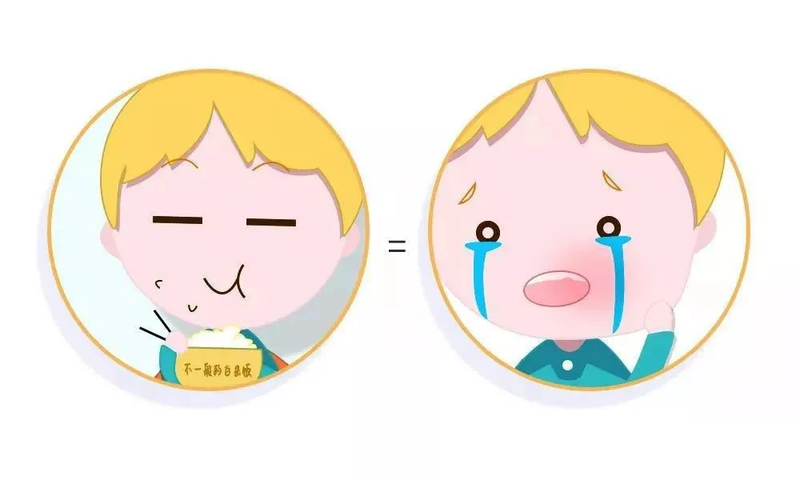
Chewing sideways
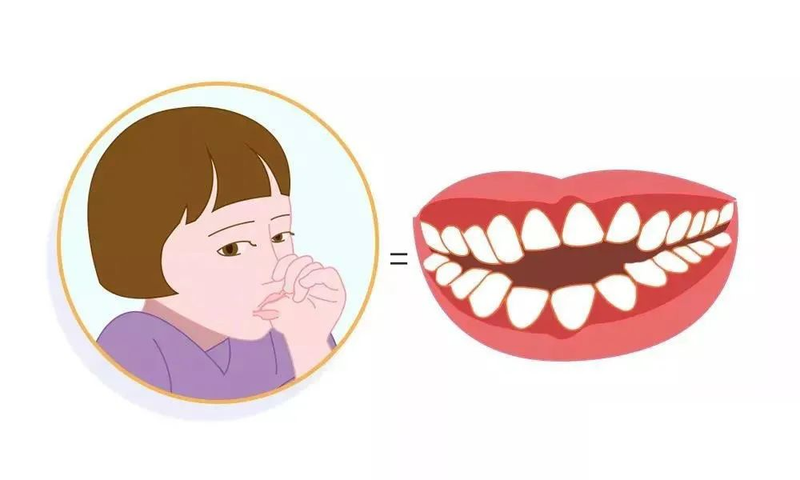
Shit
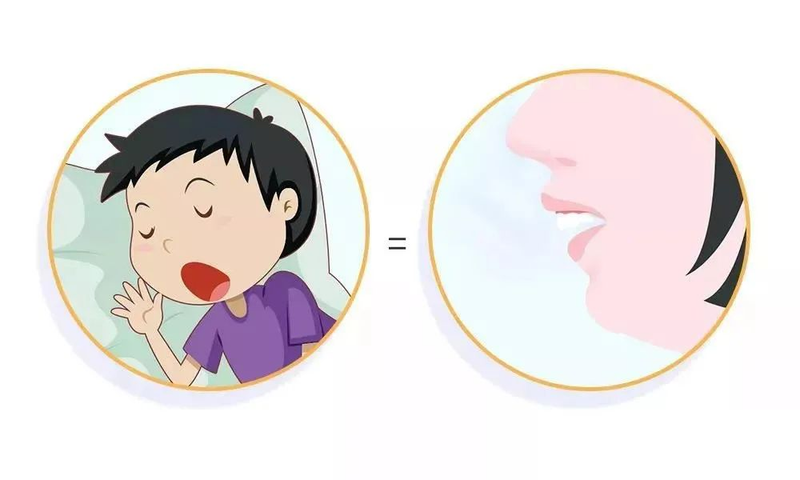
Breathe
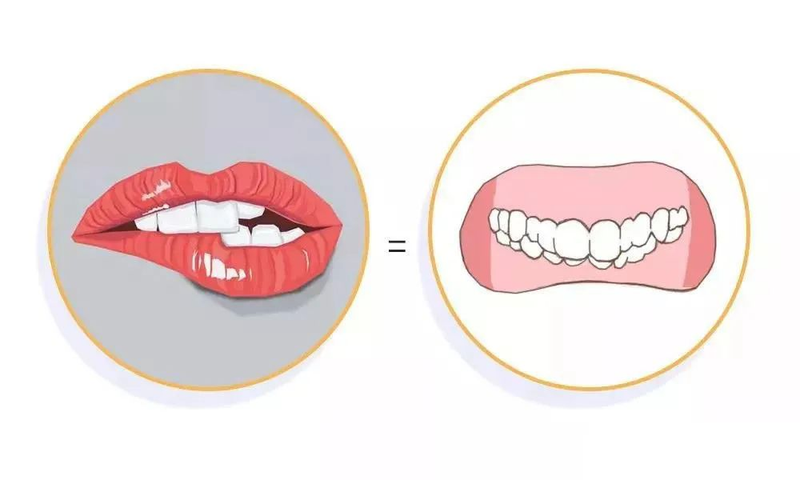
Bite your lips
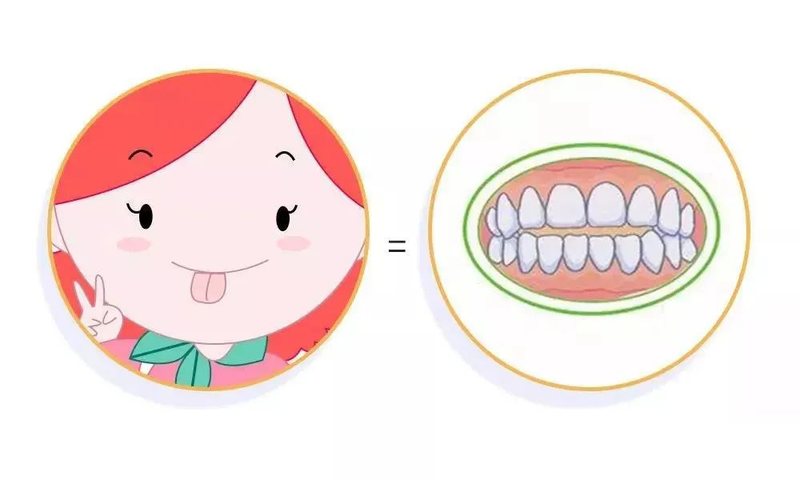
Speak up
Iii. Cleaning of mouths should begin at birth
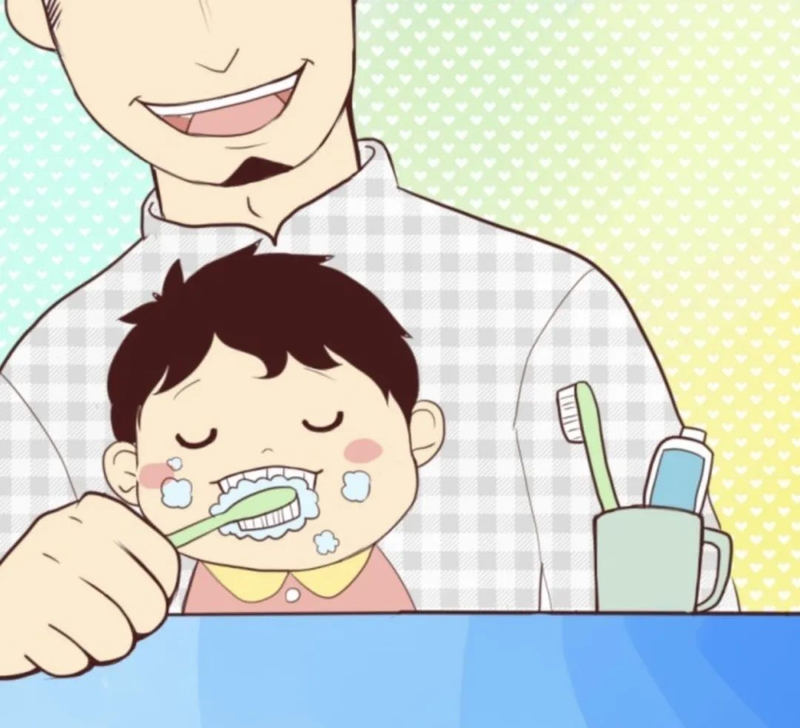
After the birth of the child, even if the child does not have a tooth, parents should wash the child's mouth every day with a soft veil。
This method can continue to be used to wash the mouth and the surface of the teeth when the teeth of about half a year old appear。
When more teeth come out, parents can brush their teeth twice a day with a fingerbrush or a soft brush, and clean all their teeth, especially near the edge of their teeth, and suggest the use of dental wire to help children clean their teeth。
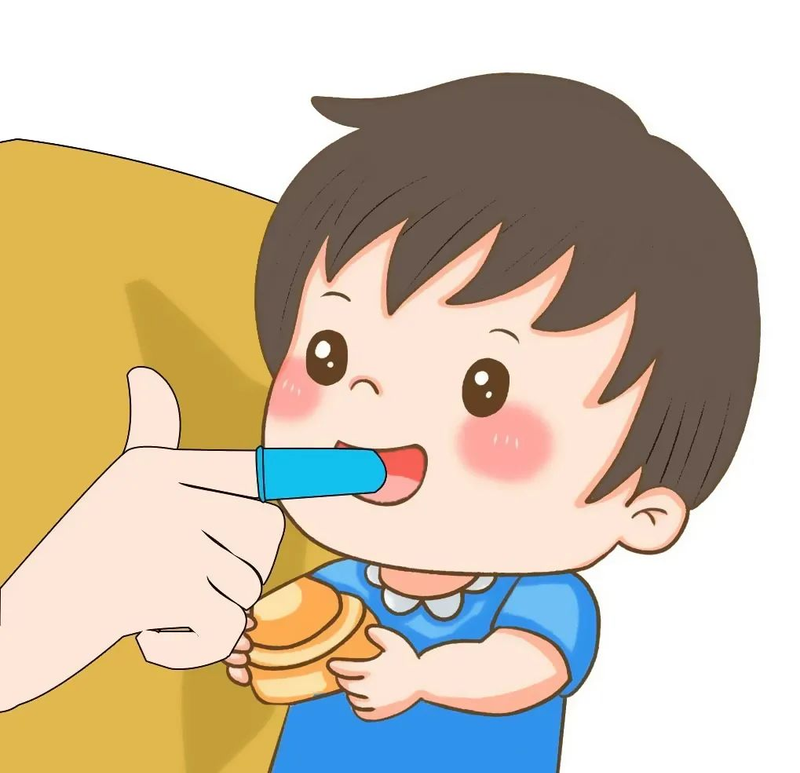
Learning to develop a toothbrushing habit
The child begins to learn to brush his or her teeth around 2 years of age, and the child-friendly method of brushing his or her teeth is “a round arc brushing his or her teeth”, which is done by placing the brush on his or her teeth, with light pressure to bend the brushing, drawing circles on his or her teeth, painting circles on each side more than 5 times, and putting toothbrushes on the inside of his or her front teeth and brushing each side of his or her teeth。
For children of appropriate size, the toothbrush is replaced every two to three months, and when the toothbrush is turned over or down, the toothbrush is replaced in time for one person to brush the glass。
Brush your teeth every morning and night, not less than two minutes at a time, and brush your teeth before sleeping at night. Pre-school children have difficulty completing sophisticated tooth brushing and need parental help and supervision。
V. A rational diet, protection of teeth
Frequent ingestion of too many sugared foods or too many carbonated beverages can cause disease or dental sensitivity. Children should eat less sugar, drink less carbonated drinks, reduce the number of times they eat sugar, wash their mouths with fresh water or tea, and brush their teeth at night。

Vi. Closure of transports for children of age
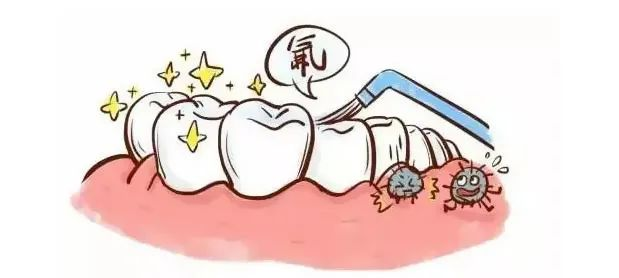
Deny closures are the most effective way to prevent guttering. When the gutter is filled with high-molecular material, the teeth become smooth and clean, and bacteria are not easily stored, thus preventing guttering. Deny closure is an unsolved technique that does not cause pain. It is recommended that the first constant tusk (six-age teeth) can be closed at ages 6 to 8, and the second constant tusk at ages 11 to 13。
Vii. Daily use of fluorinated toothpaste with regular fluorine
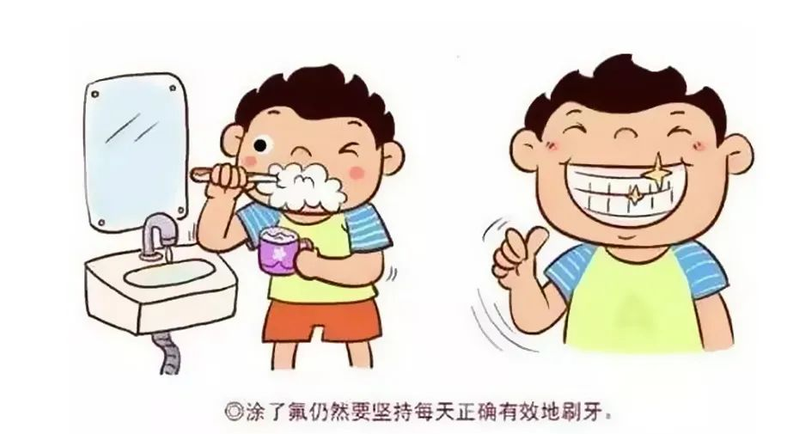
The use of fluorine toothpaste to brush teeth is a safe and effective safeguard against the use of “meat grains” per child under 3 years of age in non-high-fluorinated drinking water areas, and “peasts” per child between 3 and 6 years of age, and should be used under the supervision of parents or teachers。
Children are also allowed to go to hospital every six months to receive fluorine on their teeth. A protective membrane is painted on the teeth, where fluoride is slowly released to prevent disease。
Viii. Active protection against dental trauma
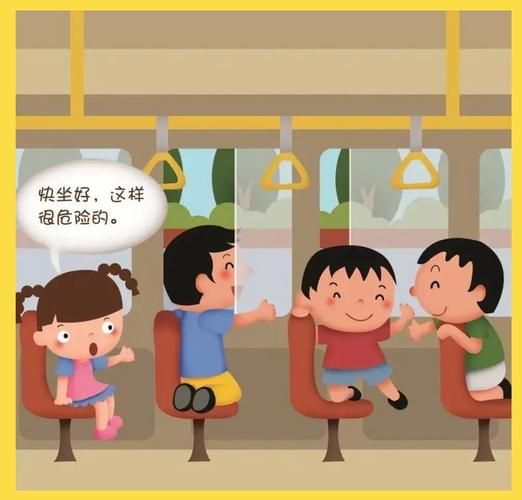
When children take part in sports activities, they wear sports uniforms and gel-proof sneakers to prevent the fall from causing external tooth injuries. When necessary, helmets and protective gear such as tooth-tips should be worn. When travelling by means of transport, seatbelts shall be fastened。
In the event of a tooth injury, the hospital should be visited as soon as possible。

Operation to combat dental disease in xuxiang
Oral health is an important part of the whole body's health and oral diseases are preventable and curable。
In order to raise public awareness of oral health care and to develop a good dental habits, the xuxi district dental care centre will be in hospitals, schools and communities from 20 september to 23 september. It will conduct oral health campaigns for children, the elderly, mothers and white collars, educate people of all ages about dental care and provide appropriate measures to combat dental diseases, promote new concepts of oral hygiene and contribute to the health of the population。