I. Increasing awareness of safety in winter driving
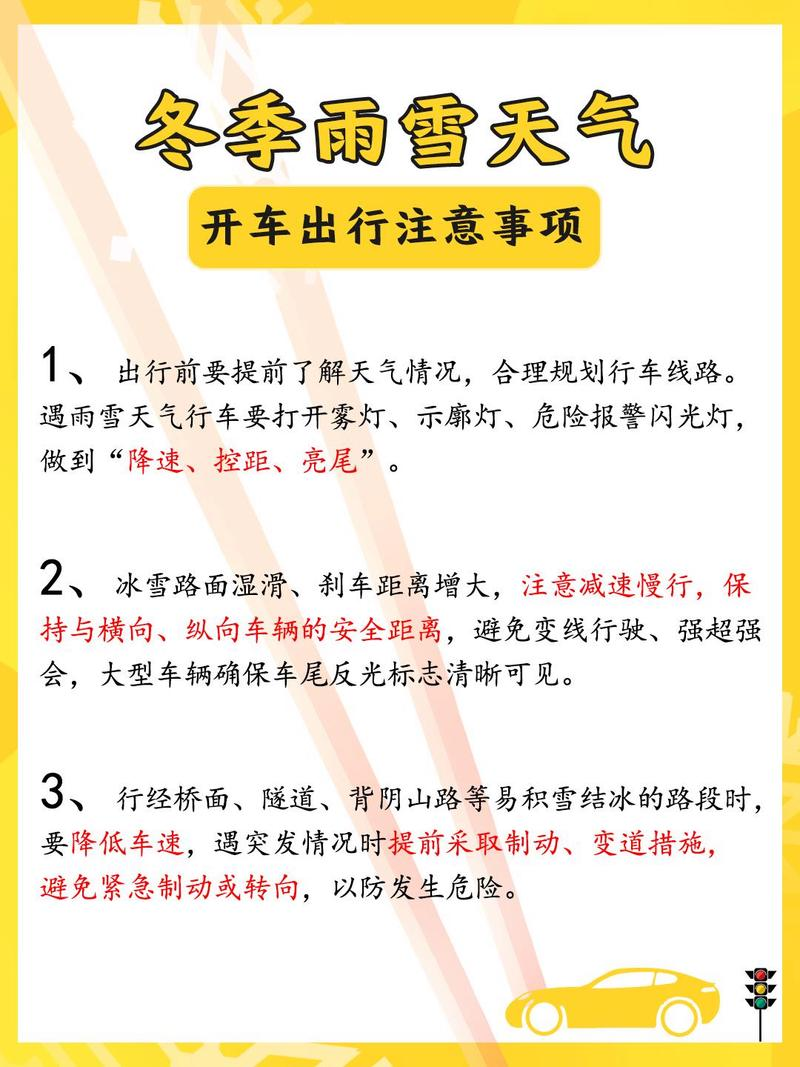
The complexity of the winter season, the fog, the rain and snow, the low temperature and the complex environment have a greater impact on the safety of motor vehicles. Drivers should raise awareness of safe driving during winter, enhance knowledge and skills for winter driving, prevent freezing, smoothing, accidents, and develop methods to deal with common problems during winter driving. It is a taboo to drive in the winter while driving in other seasons。
Ii. Timely access to road information
Road information is available on television, radio, etc., prior to driving, and preparedness to respond。
Iii. Maintenance of vehicles
The vehicle replacement season is to be maintained, the vehicle brakes, diversions and parts such as gas pipelines, water pipelines and oil pipelines are to be fully inspected and maintained, the vehicle is to be equipped with the necessary anti-frozen features and the oil is to be added to the machinery and gears as required。
Iv. Frozen liquid
During the day-to-day maintenance of the vehicle, it is possible to add ordinary water to the anti-frozen fluid, which must be replaced. Refrigerated fluids need to be filled, otherwise the engine will be too hot and the engine will be damaged. The replacement of anti-frozen fluids should be carried out strictly according to the method of product use. It is essential to ensure that the water is kept as clean as possible, that the gas is drained as far as possible, that it is not “aerobic retardation”, that it is filled to the extent possible, and that it is adequately supplemented by the start-up of a vehicle to observe the situation after a few hours of operation. I'm gonna have to check and check。
V. Heating and charging of batteries
Car batteries, which are mostly lead-acid batteries, tend to be less effective in cold environments due to freezing, and appropriate measures can be taken to keep the batteries warm and charged。
Vi. Attention to the examination of tyres
The cold winter temperatures and the relative rigidity and brittle of rubber in low-temperature environments directly affect the life of tyres and the safety of motor vehicles. Excessive pressure increases the curvature of the tyre wall, which, combined with low temperatures, can easily break the tyre rubber; it reduces the pressure of the tyre. Care should be taken to check whether each tyre is inflated. The replacement of vehicle tyres with winter tyres in winter may also be considered。
Vii. Installation of ski chains in ice and snow weather
In ice weather, the ski chain should be secured prior to travel and should not be installed after encountering ice and snow surfaces, as the installation of a ski chain in a temporary parking stop is more difficult than the installation of an earlier one, and is not conducive to safety. Vehicles are to be parked in a safe zone before being installed or dismantled. In the case of busy roads, the necessary traffic warning signs are required. When a slide chain is installed, the speed of travel normally does not exceed 50 kilometres per hour and care is taken to avoid any sudden acceleration or deceleration to the extent possible. It is also possible to consider the carrying of smoothing tools such as shovels and shovels。
Viii. Timely fumes removal
During the winter period, the vehicles were able to operate quickly and efficiently by removing the fog from their windows with a warm wind while opening the front doors. Care should also be taken to remove the fog from the back window in order to observe the post-car situation and enhance the security of the reverse process。
Ix. Maintenance of safe distance

Maintain a safe distance from the front vehicle, allowing sufficient reaction time and brake distance. In winter, ice and snow surface safety should be maintained at two to three times the safe distance from dry surface in other seasons。
X. Right transfer
When moving on the ice and snowways, the speed of the drive is lowered early, the wheel is slowly turned, the speed is passed evenly, and the sudden stroke of cold rudders is avoided, otherwise the body is prone to spiralling out of control, affecting the movement of other vehicles and even accidents。