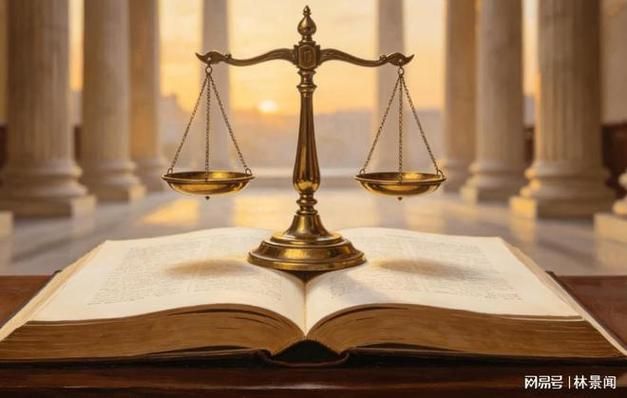
The draft civil code on liability for torts has been innovative in many ways, filling the gaps encountered in various judicial practices. On 24 january, the journalist for the upstream news newspaper chongqing morning newspaper visited the professor of civil and commercial law at the university of south-west political and law and a member of the chinese law society's team on the subject of liability for violations of the civil code and asked him to read out the innovations。
Increased rules on moral damages for offences against “persons”
Article 113, paragraph 2, of the civil code, on liability for torts, provides that: “the aggrieved person shall have the right to claim compensation for moral damage if, by wilful or gross negligence, he causes serious moral damage to a particular person of personal interest.”
This article extends the protection of moral damages to specific property rights other than the right to personality and identity, and limits the application of the rule to cases of wilful or gross negligence on the part of the perpetrator, favouring the preservation of freedom of conduct and upholding the notion of “doing nothing by law”。
Increased punitive rules for intellectual property
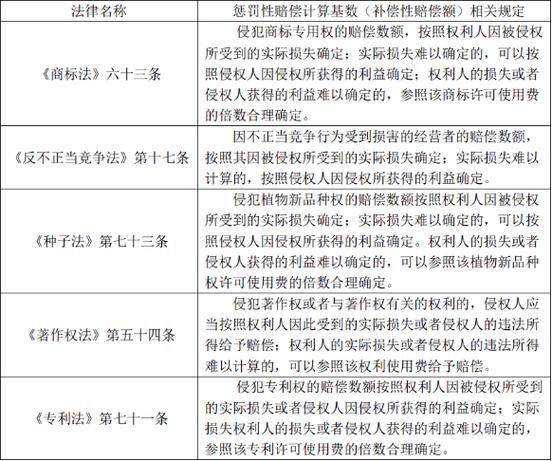
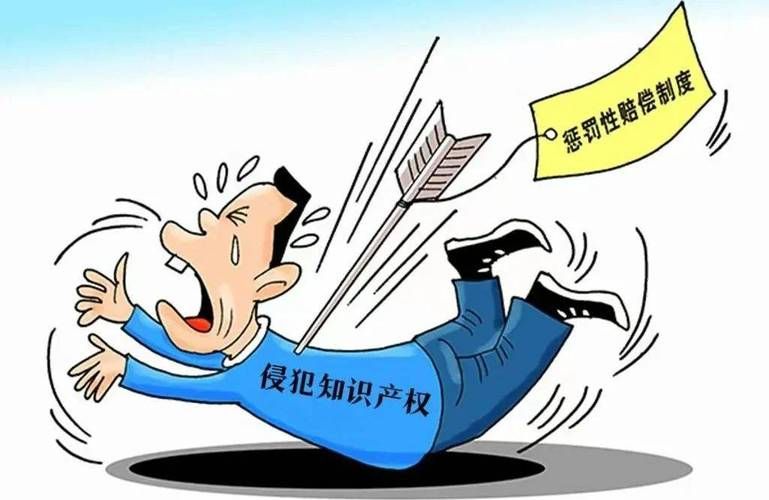
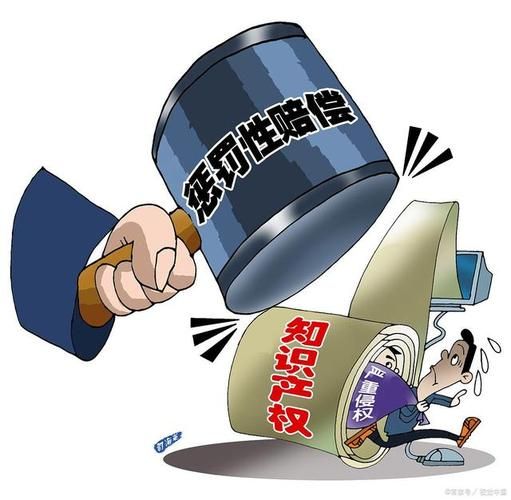
Article 1,185 of the civil code, entitled “intentional infringement of the intellectual property rights of others, in serious cases, the person against whom the violation occurred shall have the right to seek punitive compensation”
Strengthening the protection of intellectual property rights is the most important element in improving the system of protection of property rights and the greatest incentive for improving the competitiveness of our economy. Civil law is based on the principle of equalizing compensation, with the exception of punitive compensation, which is legally applicable. The draft civil code on liability for torts clearly stipulates that the perpetrator intentionally infringes the intellectual property rights of another person, and that, in serious cases, the aggrieved person has the right to request the corresponding punitive damages. By doing so, it has helped to deter, to some extent, the occurrence of intellectual property violations by raising the cost of infringement。
Improving ecological liability rules
The green mountain is a silver mountain, and there is a social consensus that the state must protect the ecological environment with the strictest regime and rule of law. Chapter vii of the civil code, “responsibility for environmental pollution and ecological damage”, in the form of a code that recognizes liability for ecological damage and punitive liability for ecological damage, is of great practical importance for clarifying the basis and basis of claims for damages to the ecological environment, modernizing the system of governance and the capacity of the state to govern, and promoting beautiful china。
Ishio-hyun