


I. Whether intellectual property includes trademark rights
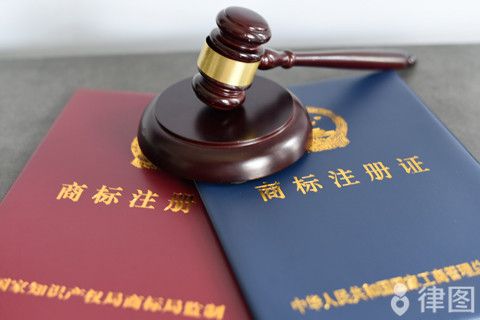
Intellectual property includes trademark rights. Intellectual property rights are the legal exclusive rights of persons with respect to the results of their intellectual work and are divided mainly into copyright, patent and trademark rights。
Trademark rights are exclusive and exclusive rights of trademark owners to their trademarks. After registration of a trademark, the trademark holder has the exclusive right to use the registered trademark on the goods or services authorized for use, the right to prohibit unauthorized use of a trademark on the same or similar goods, services or services similar to his registered trademark, the right to transfer a trademark, license another person to use it, etc. Thus, trademark rights are an important part of intellectual property rights and are protected by the relevant law。
Ii. Is intellectual property a monopoly
Intellectual property is not a monopoly per se. Intellectual property rights are the legal exclusive rights of rights-holders over their intellectual achievements for a limited period of time and within the limits in order to encourage innovation and creativity. This monopoly is protected by law within reasonable limits, enabling rights-holders to obtain economic returns from their own innovations and thus stimulate more innovation。
However, the abuse of intellectual property rights by rights holders to exclude or limit competition may constitute a monopoly. For example, intellectual property rights are used to create unreasonable trading conditions and to deny permission to others to use them to maintain a dominant position in the market. Where abuses of intellectual property rights are suspected of being monopolistic, they may be regulated by relevant laws such as antimonopoly laws。
Iii. Is intellectual property private property
Intellectual property rights are private rights and, in a sense, may be considered private property. Intellectual property rights include copyrights, patents, trademarks, etc. And have property attributes. The rights holders have the right to possess, use, gain and dispose of their intellectual property rights and may obtain economic benefits through licensing, transfer, etc., similar to property interests in traditional private property rights。
But intellectual property rights are also special, as they are intangible property rights, whose objects are intangibles such as intellectual outcomes or commercial marks. At the same time, in order to balance the public interest in society, the law imposes restrictions on intellectual property rights such as reasonable use, legal licensing, etc. In general, iprs have private property attributes, but are distinct from general physical private property。
Intellectual property is a broad concept in which trademark rights are indeed an important component of intellectual property. When we look at whether intellectual property includes trademark rights, it is clear that trademark rights have a key place in the context of intellectual property rights. In addition to trademark rights, iprs cover patent rights, copyrights, etc. The precise definition of the scope of trademark rights in the actual course of business activity and creation, as well as its distinction and linkages with other types of intellectual property rights, deserve in-depth study. If you still have questions about trademark rights in intellectual property rights, such as how to apply for trademark rights and the duration of their protection, do not miss the opportunity to obtain professional answers. Click on the “asstant counselling” button at the bottom of the web page, where legal professionals will examine you in detail and protect your intellectual property rights。



