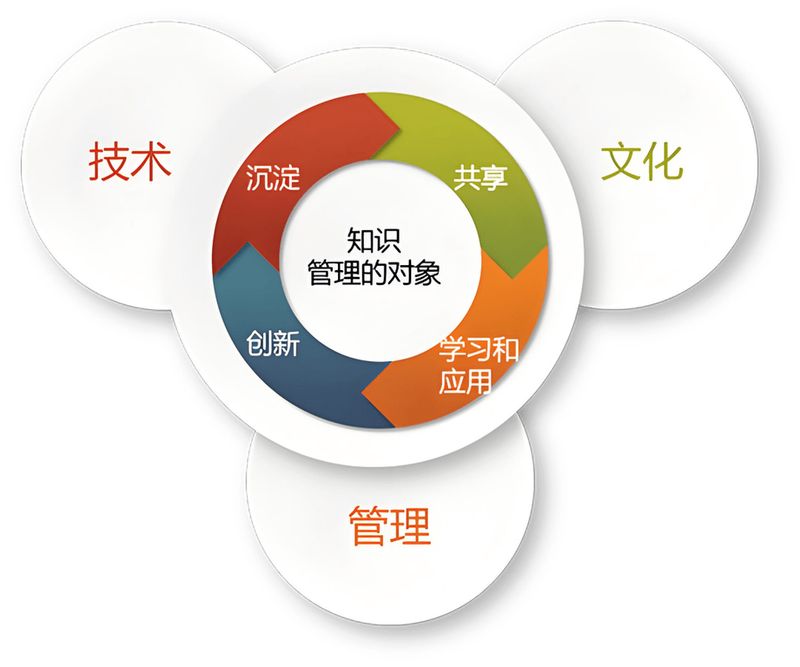
The management of personnel files is an extremely important aspect of archives management, which not only affects the personal interests of staff but also affects human resources management decisions. The following are the 10 key points for attention in personnel file management:
1. Integrity of archives
Personnel files should include comprehensive information on employees, including but not limited to basic personal information (e. G. Name, sex, date of birth, id number, etc.), educational background, work experience, training records, performance evaluation, awards and penalties, labour contracts, etc. The complete file provides the enterprise with a comprehensive staff image and facilitates accurate talent management and development planning by the human resources department。
2. Accuracy of the archives
Archival information must be accurate, and any error or outdated information may lead to management decision-making errors. For example, erroneous educational information may affect the promotion opportunities of staff, and the wrong means of communication may result in important notices not being delivered. Therefore, enterprises should regularly update archival information to ensure its accuracy. When an employee enters on duty, he or she shall carefully check his or her personal information; any changes made by the employee during his or her service (e. G. Post adjustment, salary changes, etc.) shall also be updated in a timely manner in the files。
3. Security of archives

Personnel files contain a large amount of sensitive information, such as personal privacy, remuneration, etc. Enterprises must ensure the security of their files and prevent the disclosure of information or access by unauthorized persons. To this end, enterprises should:
Physical security: archives should be kept in a secure environment, such as a dedicated filing cabinet or archive room, ensuring protection against tide, fire and insects。
Information security: for electronic archives, technology such as secure storage, access control, data backup should be used to prevent data from being tampered with or lost。
Personnel management: access to archives is limited to authorized human resources management staff, and access to other personnel should be strictly limited and logs of visits should be recorded。
Confidentiality of archives
The information in the personnel files is personal and the enterprise has a duty to protect the privacy of its employees. The information in the file may not be disclosed to any third party without authorization. In some cases, the relevant information may be appropriately disclosed, if required by law or with the consent of the employee himself, provided that the relevant laws and regulations and business policies are strictly followed。
5. Compliance of archives
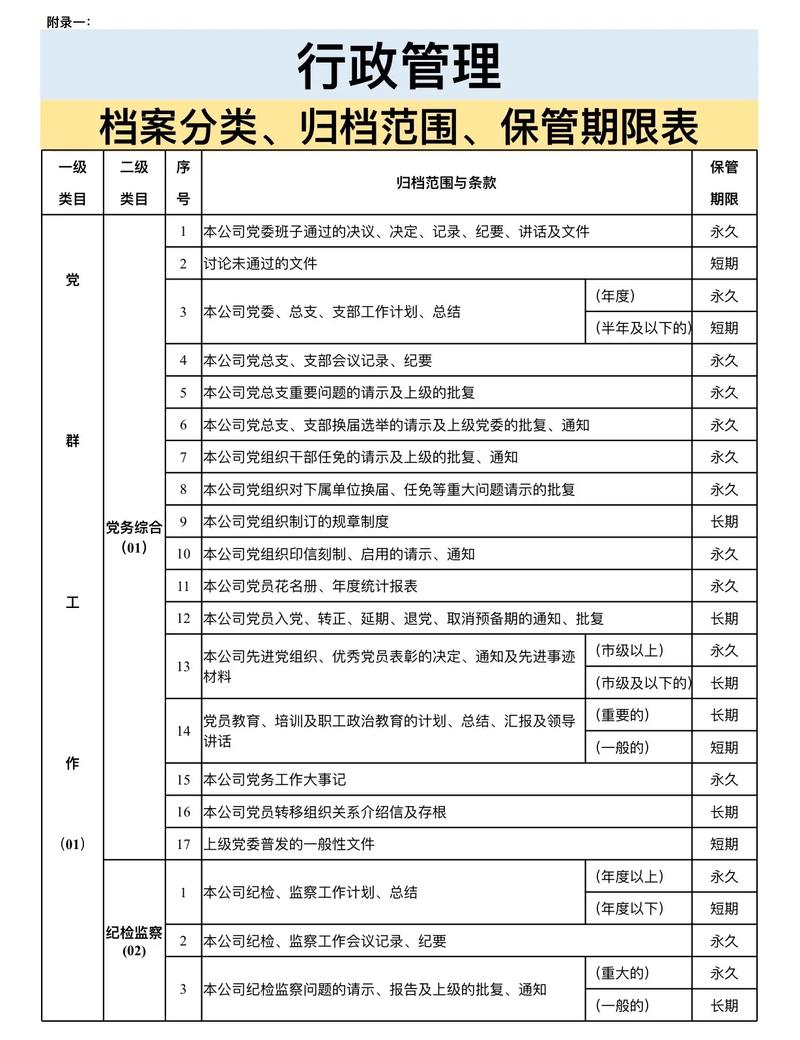
The management of personnel files must comply with national and local legal and regulatory requirements. For example, labour contracts should be concluded, preserved and administered in accordance with the provisions of the labour code and the labour contracts act; the protection of personal information of employees should comply with the requirements of the personal information protection act. Enterprises should regularly review their records management processes to ensure that they comply with the latest laws and regulations and adjust their management strategies in a timely manner。
6. Retroactivity of archives
Personnel files should be retroactive so that relevant information can be quickly found when needed. For example, in the case of labour disputes, enterprises need to be able to quickly provide entry records, performance assessments and sanctions for employees. To this end, enterprises should establish well-developed archival indexing and retrieval systems to ensure that the required information can be quickly located and extracted。
7. Dynamic management of archives
Personnel files are not static, but evolve with staff development and business needs. Enterprises should establish dynamic management mechanisms to update archival information in a timely manner. For example, when staff complete training, obtain new certificates or promotions, the relevant information in the files should be updated in a timely manner. At the same time, enterprises should regularly clean up their files and remove obsolete or no longer required information in order to maintain their integrity and effectiveness。
8. Digital management of archives
With the development of information technology, digital management has become an important trend in the management of personnel archives. The enterprise should gradually convert paper files into electronic archives and use the archives management system to automate the management of archives. Digital archives not only improve management efficiency but also reduce storage costs and the risk of loss of information. At the same time, however, enterprises should be mindful of the security and confidentiality of digitized archives and ensure data integrity。
9. Backup and restoration of archives
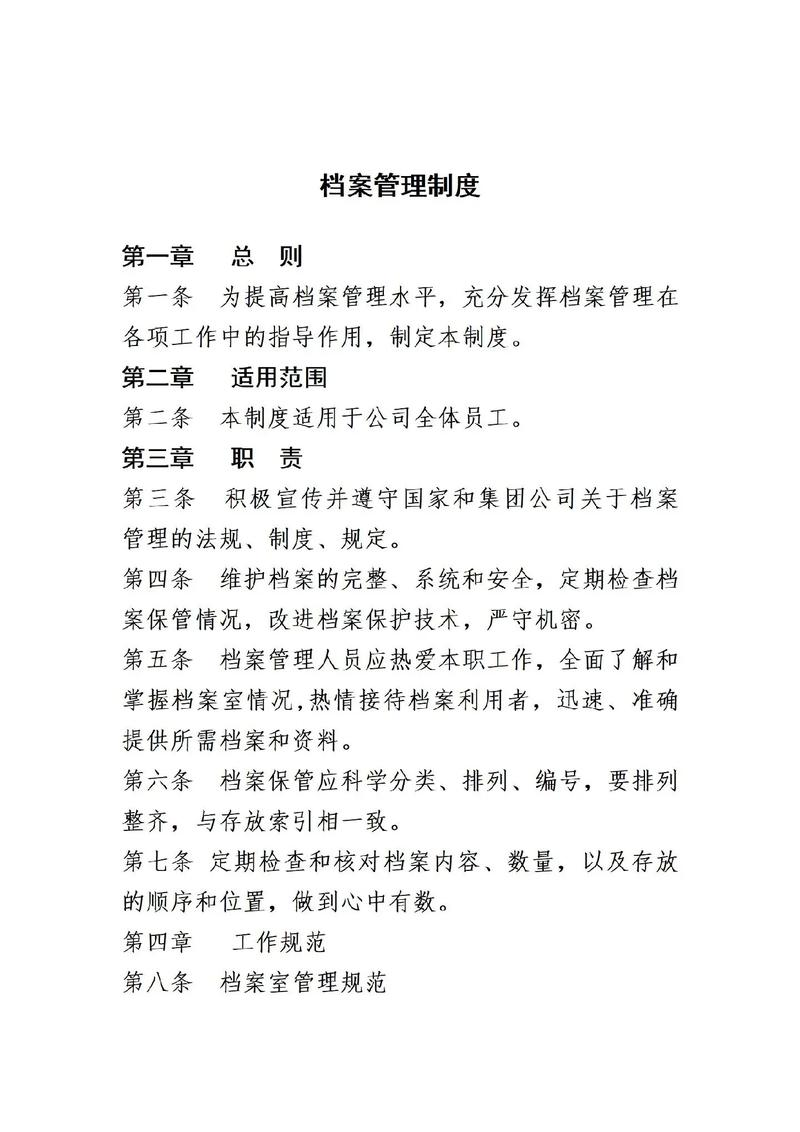
Both paper and electronic files should be backed up on a regular basis. A copy of the paper file should be stored in a secure location and the electronic file should be backed up on a regular basis to external storage equipment or clouds. In the case of natural disasters, equipment failure or human error, it is possible to quickly restore archival data and reduce losses。
10. Destruction management of archives
When employees are separated or the archival information is no longer needed, the enterprise shall destroy the archives in accordance with the prescribed procedures. The destruction of archives should ensure that information is completely irrecoverable and that it is not leaked. For paper files, shredders should be used for destruction, and for electronic archives, specialized data destruction tools should be used for thorough deletion and the destruction process documented。
Summary
The management of personnel files is a delicate and important undertaking that requires the enterprise to be positioned in terms of completeness, accuracy, security, confidentiality, compliance, traceability, dynamic management, digital management, backup and recovery, and destruction management. Only in this way will an enterprise be able to fully realize the value of its personnel records, provide better services to its staff and provide strong support for the management of its human resources。