According to china light source, in foreign trade operations, proficiency in commonly used english terminology and its abbreviations is the basis for improving communication efficiency and avoiding misunderstandings. This paper provides a systematic overview of key terms in the field of foreign trade, covering transactions, transport, payments, insurance, etc., and provides practical references for practitioners。
Common terminology
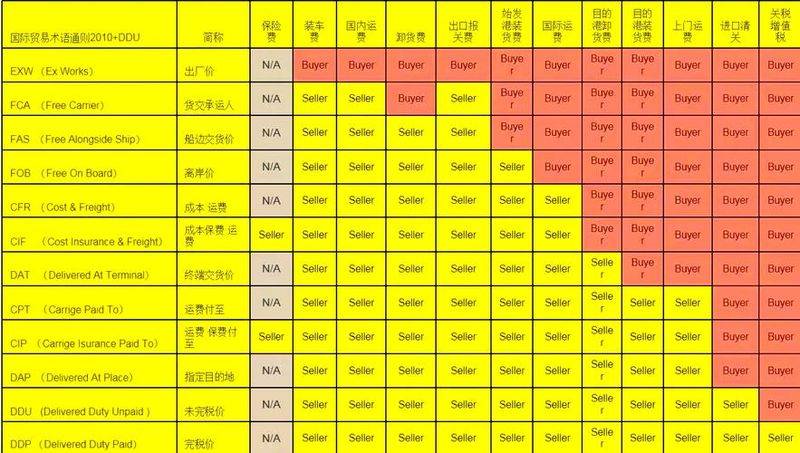
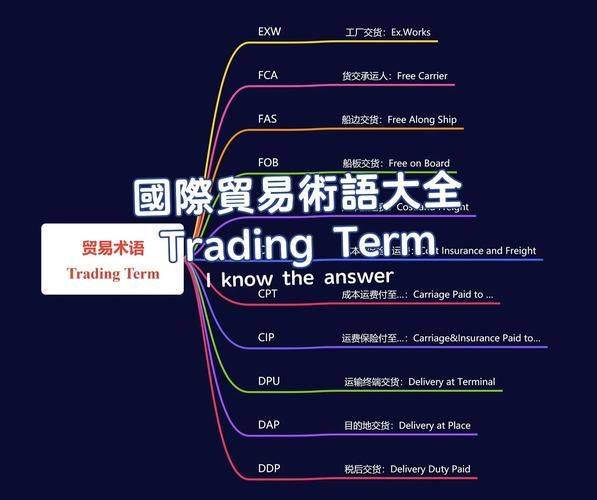
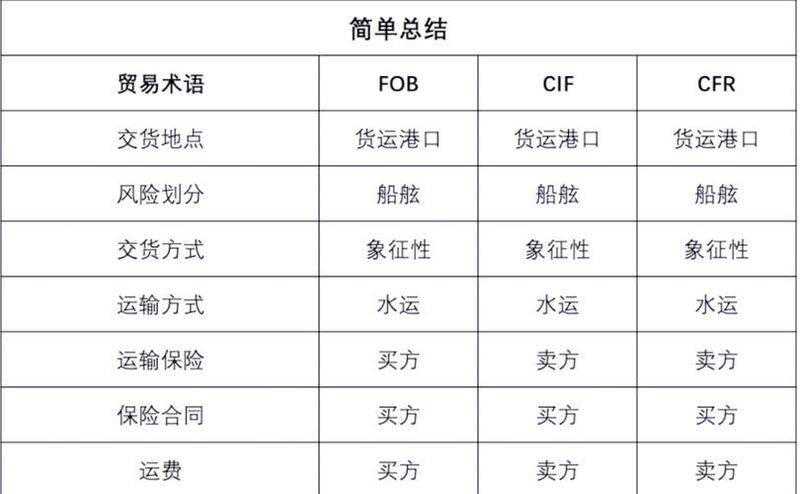
Fob (fob), cif (cif), exw (workshop delivery) and ddp (post-tax delivery) are the most central terms of transactions in international trade, defining the allocation of costs and risks between buyers and sellers. In addition, documents and concepts such as l/c (l/l/l/l/l/l/l/l/l/l/l/l/l/l/l/l/l/l/l/l/l/l/l/l/l, po (purchase order), pi (form invoice), co (certificate of origin) and moq (minimum initial order) are frequently used in daily operations and need to be understood with precision。
Transport-related
Common abbreviations for the transport chain include eta (expected arrival time), etd (expected departure time), and site terminology such as cy (container yard), cfs (container terminal). Container units are measured by teu (20 feet) and feu (40 feet)。
Payments related
The main payment modalities relate to t/t (wire transfers), d/p (payment orders), d/a (payment orders) and cad ( voucher payments), with different modes corresponding to different document processing processes and risks。
Insurance-related
The most common types of cargo insurance are all risks (all insurance), wpa (water stain insurance) and fpa (safety insurance), whose coverage is reduced in turn, subject to choice according to the characteristics of the goods and the conditions of transport。
Other common abbreviations
Hs code (commodity code) is used in the global commodity classification; pod (port of discharge) and pol (port of loading) are marked transport nodes; awb (air waybill) is the air transport certificate; incoterms (incoterms of interpretation of international trade terms) is the international rule governing the terms of the transaction。
Common phrases
In daily communications, the phrases lead time (delivery period), quotation (offer), sample (samples), customs clearing (customs clearance), application certificate (testing certificate) and packing list (boxing list) are widely used and the precise application of the enabling business continues smoothly。
The acquisition of these terms and abbreviations will effectively enhance the professionalism and efficiency of foreign trade。