Introduction: agricultural production, which is increasingly confined to large huts, is not only resistant to natural disasters and drought and floods, but also to early or delayed cultivation, which prolongs the life of crops for the long term and aims at early ripening, late ripening and steady production, and is well received by farmers ' friends。
The greenhouse sheds are not the same because of the different climatic conditions. The following sub-column presents some of the most common greenhouse shed types at present, helping you to make a more rational choice of the greenhouse shed。
Daylight greenhouse
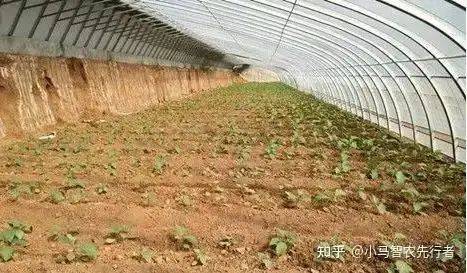
The solar greenhouse sheds are currently divided mainly into earthwall and brick walls. The third new solar greenhouse shed that has recently developed in the sunlight of shandong has in fact been improved on the basis of the earth wall sun-light greenhouse。
The earth wall, the solar greenhouse
Application: anti-season planting of crops such as high-value vegetables。
Specifications: the surface wall sun-light greenhouses are typically 10-15 metres wide, the wall structure is constructed with multiple earth crushings, typically covered with 10-15 threads of long-lived film, the stench skeletons are now more heavily covered with a whole-stretch welding structure, the temperature-preserving material is generally protected by a large shed of 4-6 pounds/square and by a roller。
Advantages: lower prices, better heat retention in winter sheds and lower maintenance costs for later use。
Shortcomings: walls have a large area of land, affect the net area of large huts and have some demand for soil; if protective measures are not in place, they can be washed away by rain and snow and affect their useful lives。
The brick wall, the solar greenhouse
Application: plantation of vegetables, edible bacteria, flowers, fruit trees, etc。
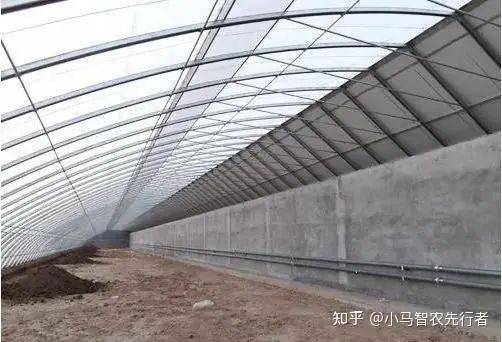
Specifications: the wall's solar greenhouse is 8-16 metres wide, its wall structure is made of red bricks or concrete bubble bricks, the wall's thickness is generally 0. 37-1 metres, and the other structures, like the earth's wall's solar greenhouses, are made up of whole steel skeletons, covering thin membranes, temperature-proofing cotton, and drape machines。
Advantages: the brick wall structure is robust and durable and has a useful life of 20-25 years; it is more land-use and area-specific, particularly suitable for the construction of areas of geological complexity, low water levels, and the inability to build earth walls。
Shortcomings: as a result of the use of brick wall structures, greenhouse sheds are constructed at higher prices than earthwall solar greenhouses and have a longer return on investment。
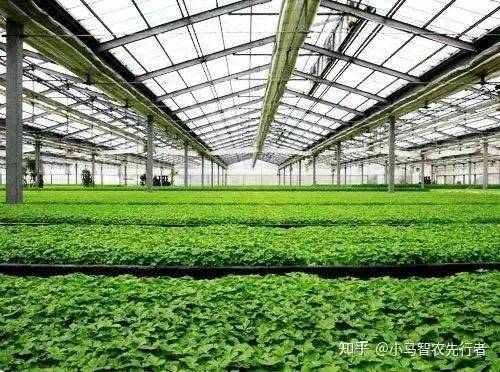
New solar greenhouse shed
Application: high-value-added industries such as scientific experiments, nursery breeding and exhibitions。
Specification: the overall structure is consistent with the traditional solar greenhouses and can span more than 15 metres. The walls are partially constructed with earth walls and then reinforced with concrete sand; the slabs are made of hot zinc-plated rectangles with kaled slots, the rest of which are the same as the earth wall sun-light greenhouses。
Advantages: the consolidation of walls with concrete slurry reduces the risk of collapse, increases in durability and useful life by more than 5-10 years; the use of carding slots for thin sheeting and later easier change of film; and the availability of advanced equipment such as mobile nursery beds and mobile spraying。
Disadvantages: the larger size of the wall and the higher cost of construction have reduced the value of the solar greenhouse shed。
A comparison of the three solar greenhouses shows that the earth wall solar greenhouses have lower construction prices and lower maintenance costs for later use, the highest value for money in the three solar greenhouses. For areas where the land is more abundant, the earth wall solar greenhouse sheds may be preferred。
Single arch shed
Single arch sheds are also called arch plastic sheds, spring and autumn sheds, which are currently divided into three main types: concrete pole arch sheds, steel pipe shacks and new hot arch sheds. Among them, cement poles and steel pipe arches are cryogenic and are suitable for spring and autumn production; new high temperature arches as a result of the increase in temperature-preservation measures, such as warm cotton, temperature-preservation within greenhouses is more effective and belongs to high-temperature huts, which can meet the winter production needs of low-temperature crops。
Cement pole arch
Application: cash crops such as vegetables, flowers, etc。
Specifications: cement pole arches typically span 16-24 metres, and the skeleton structure uses a mix of steel pipes and bamboo poles, with 1 or 1. 2 inches of thermal zinc plating pipe as the main arches, supported by cement poles, and then covered by the sheet film。
Advantages: this can be built at lower prices, with more flexibility in land use, so that smaller plots can build a shed。
Shortcomings: lower resistance to snow and snow due to simpler skeleton structures; internal operation space affected by the presence of poles。
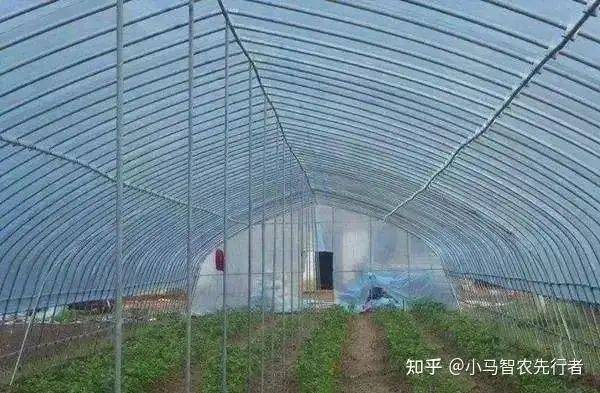
A small arch in a steel pipe
Application: spring and autumn vegetables, fruits, flowers, edible bacteria。
Configuration: the range is generally 8-14 metres, the skeletons are all welded with a heat-plated zinc steel tube or rectangular tube, and the greenhouses are equipped with manual diaphragms and anti-worm nets on both sides。
Advantages: low cost of construction, high strength of overall skeleton structure and high land use。
Shortcomings: weak heat retention capacity to meet winter production needs。
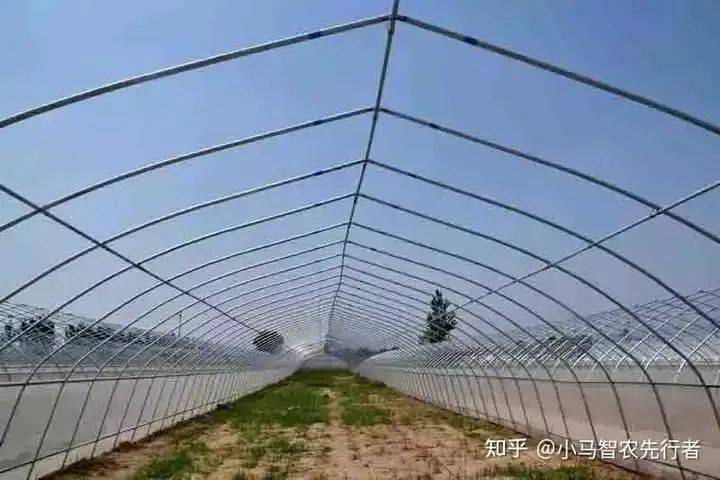
New kind of hot arch
Application: crop cultivation with low temperature requirements during winter。
Configuration: the new high-temperature arch shed was developed on the basis of a steel pipe, with a distance of more than 20 metres; a reinforced skeletal structure was used to process skeletons, usually using a hot zinc plating steel pipe or ellipse tube of 1. 5 or more inches; the roof of the shed was equipped with two rolls, with a special roof covered by a large stemperate cotton, which increased the temperature protection of the shed during the winter。
Advantages: greater internal space, easy maintenance operations, some temperature-preservation during the winter and four seasons of production。
Shortcomings: higher prices can only meet the growth needs of low-temperature plants。
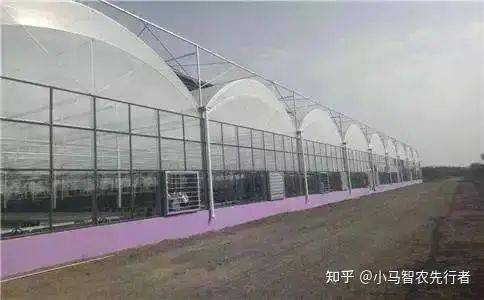
As can be seen, arch sheds have the advantage of low prices, high land use and easy management. They are suitable for crop cultivation such as spring and autumn vegetables, fruits, flowers and edible bacteria. They can also be used for winterization protection of high value-added crops such as meat and flowers。
The arch shed
The arch sheds were constructed on a single archer basis, generally divided into simple arches and high-altitude arches. The arch sheds are currently used mainly in production greenhouses such as seedlings, flower production, aquaculture, medicinal products and edible culture。
Simple arch shed
Application: cultivation of high value vegetables, flowers, medicines, edible bacteria, etc。
Configure: its skeletons use a heat-filled zinc rectangles or truncheons, with a cleavage at the top and a ventilation window, the same as the basic structure of the archer。
Advantages: large interior space, suitable for scale, plant operations, high land use。
Shortcomings: higher construction prices, lower temperature efficiency in summer and high demand for drainage。
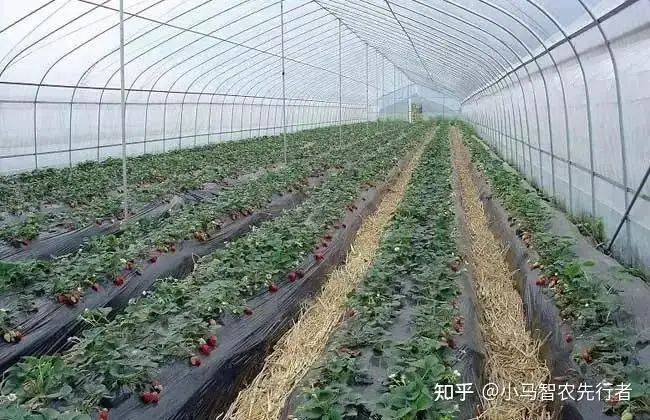
The archhouses
Application: stereoculture, flower farming, aquaculture, seedling, research, etc。
Specifications: the high-composite arch shed is an upgraded version of the simple greenhouse, with additional systems such as internal and external sun-covering, wet-screen winder cooling, side-winding, temperature protection, etc。
Advantages: overcoming problems such as summer cooling and winter cooling, in particular the addition of double sheeting, can effectively improve winter greenhouse temperature protection and reduce winter operating costs。
Shortcomings: large sheds are relatively expensive and suitable for more cost-effective industrial use; winter temperature protection is more common without double film addition。
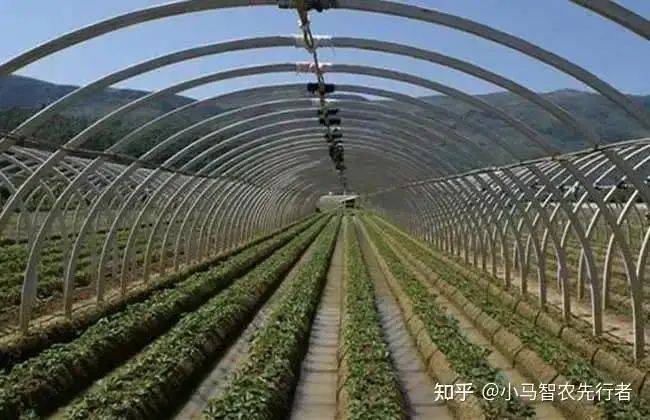
Wenlow's greenhouse
The venro greenhouse, which was introduced from vinlo, the netherlands (fenlo) and originally used for the cultivation of high-value crops such as flowers, is the type of greenhouse that is currently used in the production of plants in developed countries, such as vegetable vegetables and flowers. The venro greenhouses consist mainly of two types of glass and sunlight panels, the main difference being covered materials, one glass and the other sunlight. There are, of course, individual cases of membrane cover, but the value of the service is less than the number of arch sheds built, and is not described here。
A glass-coated greenhouse
Application: stereoculture, scientific seedlings, eco-cafés, recreational tourism, etc。
Specifications: the width is typically 9. 6-12 metres, with an open space of approximately 4 metres, and an improved chain structure using a 16-metre range and an 8-metre split, but with higher greenhouses costs。
The basic configuration should include cooling of the wet curtain windmill, winding of windows, winding of side-windows, sun-covering, internal protection of temperature, temperature protection systems, etc., with additional configurations such as mobile seedbeds, mobile spraying, stereoponic cultivation, hydrofertilization systems, photovoltaic systems, intellectual control systems, etc., as required, generally using full-electric control and greater automation。
Advantages: large appearances and relatively high greenhouse grades; complete steel frame structure, advanced design, strong resistance to snow and snow, with a serviceable life of more than 25 years; large in-house operating space, which can be connected to large areas, suitable for factory and scale production operations; and high greenhouse automation, which expands the choice。
Shortcomings: higher greenhouses prices and higher investment costs; winter temperature preservation requires additional heating facilities; glass is used as a fragile object, with security risks during use, and steel glass is not widely used。
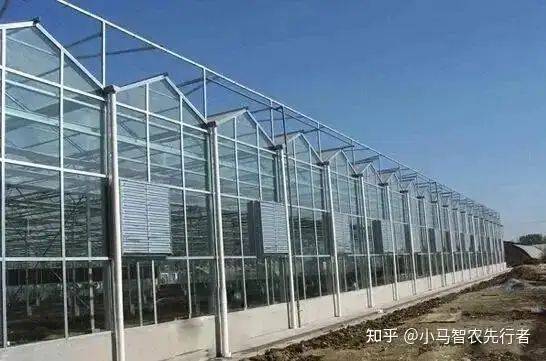
Sunboards and greenhouses
Application: the same applies to greenhouses such as stereoculture, scientific seedlings, eco-cafés and recreational tourism。
Specifications: the solar panels are essentially the same as the glass and glass greenhouses, all of which are intelligent and complex greenhouses, with the difference between covered materials and skeleton loads varying in strength。
Advantages: lower construction costs compared to glass-coated greenhouses; lighter and safer sunlight panels; better heat insulation of sunlight panels; solid steel skeleton structure and long life。
Shortcomings: sunboard perceiving efficiency decreases over time of use; solar panels need to be replaced after they become very old; winter temperature protection also needs to be increased。