The main reason for the rotational dance of the maple seed is its unique wing structure design, which helps the seed to generate lifts in the air, prolongs its stay in the air and thus increases the transmission distance。
Seeds of maple trees are also known as "helicopters" or "swings"
The main reason for the rotational dance of the maple seed is its unique wing structure design, which helps the seed to generate lifts in the air, prolongs its stay in the air and thus increases the transmission distance。
Seeds of maple trees, also known as “helicopter” or “rotal wings”, are usually paired at the end of the fruit, each with a broad wing structure. When matured fruits fall from trees, these wings rotate in the air, like the rotary wings of small helicopters. This rotational movement not only slows down the decline of seeds, but also allows them to drift further under the influence of the wind, facilitating the spread and ecological distribution of plant populations。
The flight mechanisms of the maple seed can be divided into the following:
Aerodynamics: the wing structure of the maple seed can effectively use aerodynamics to generate power during the decline. When the seeds begin to rotate, the air flow on one side is faster than on the other side, which, according to the bernoulian theorem (i. E., the faster the fluid, the smaller the pressure), leads to pressure differentials on both sides of the seeds, which in turn creates upward lifts that help the seeds to slow down。
Self-resilience: seeds are also designed with good self-resilience and can rapidly adjust postures, maintain stable rotations and ensure sustained lift in the air, even if they are affected by irregular winds during the initial phase。
Adaptation to environmental change: in this way, maple seeds can be better adapted to different environmental conditions, such as strong, windy and even windless conditions. Especially in windy seasons, such characteristics are particularly important to help seeds cross barriers to reach further distances。
Results of biological evolution: this particular form of mammoth seed is the result of long-term natural selection and biological evolution, reflecting the high intellectual ability of plants to adapt to the environment. It contributes not only to the survival and reproduction of individuals, but also to the genetic exchange and geographical spread of entire species。
Maple seeds are able to rotate and dance mainly because of their fine physiology and efficient aerodynamic properties, which are important for the wide distribution of their populations。
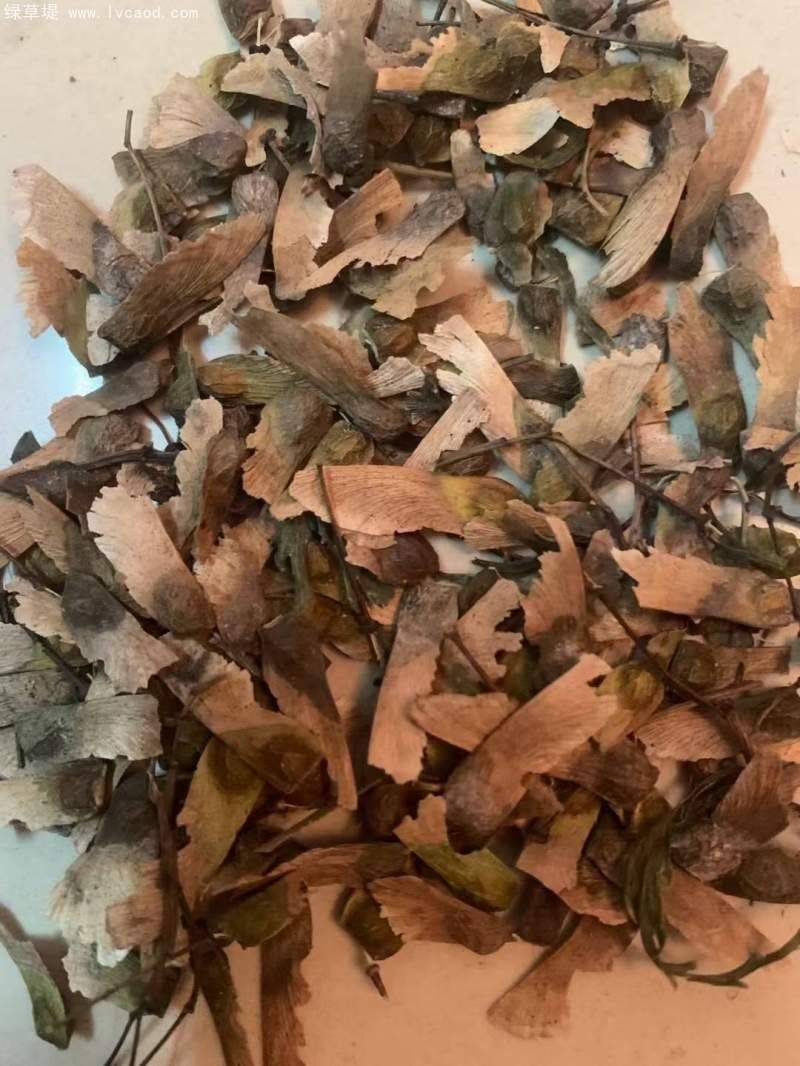
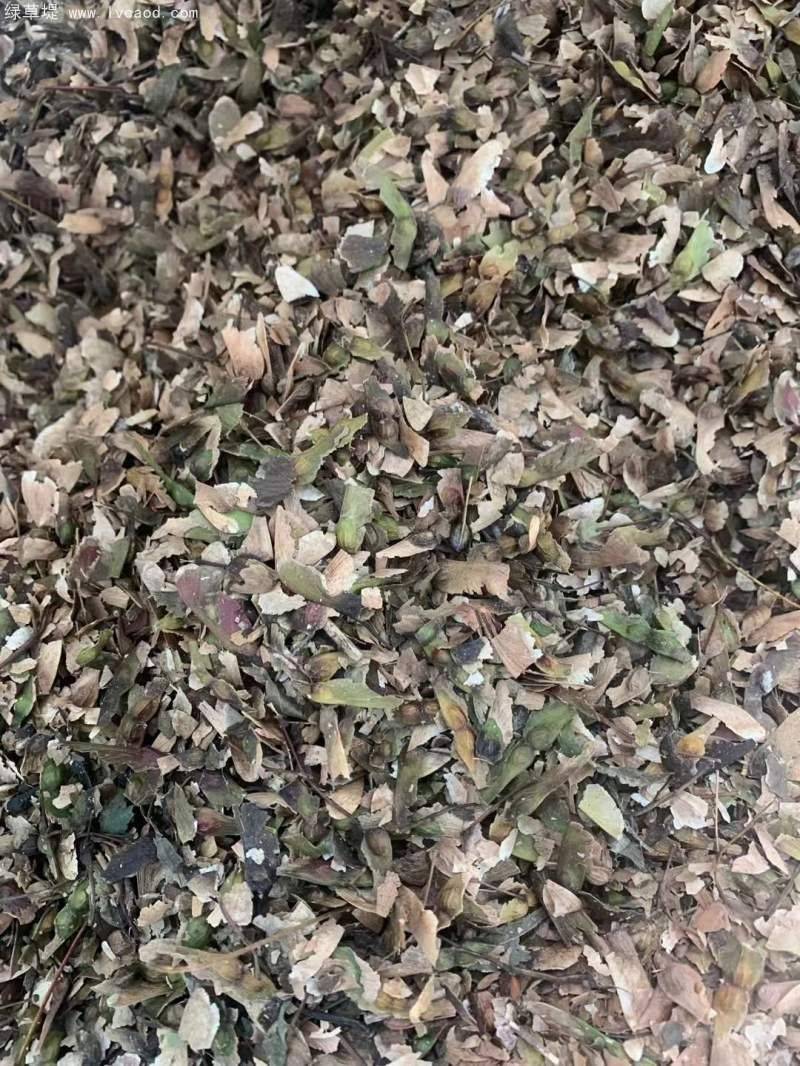
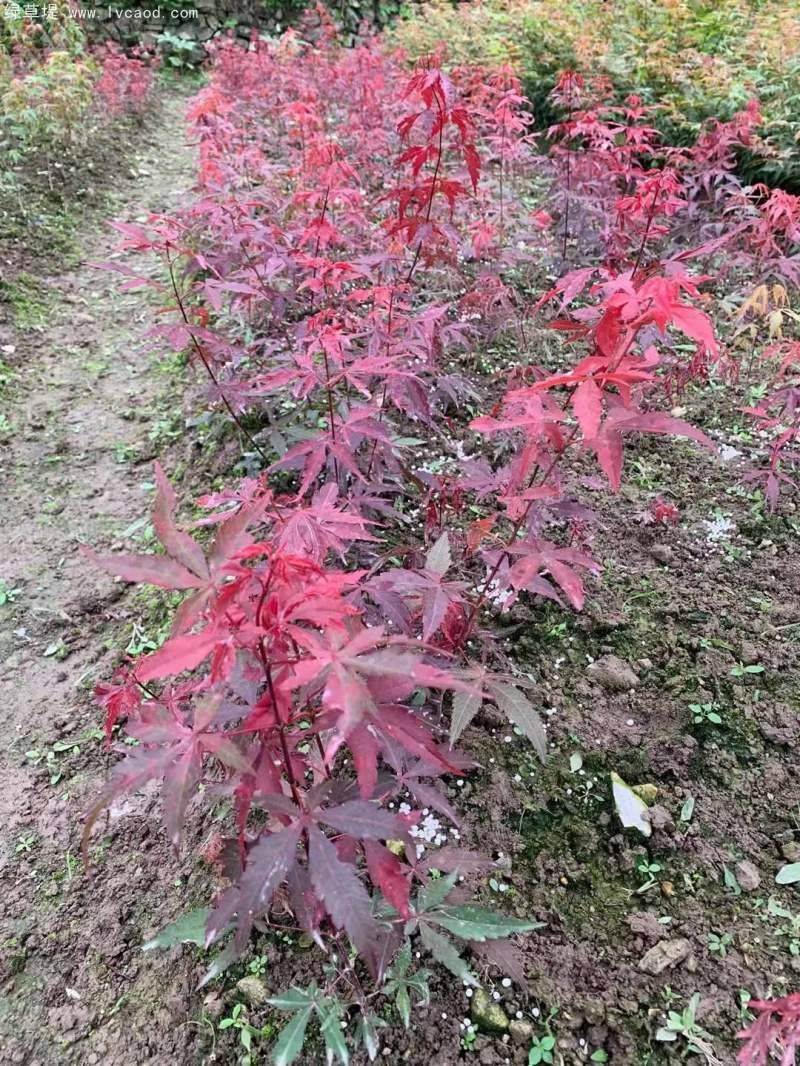
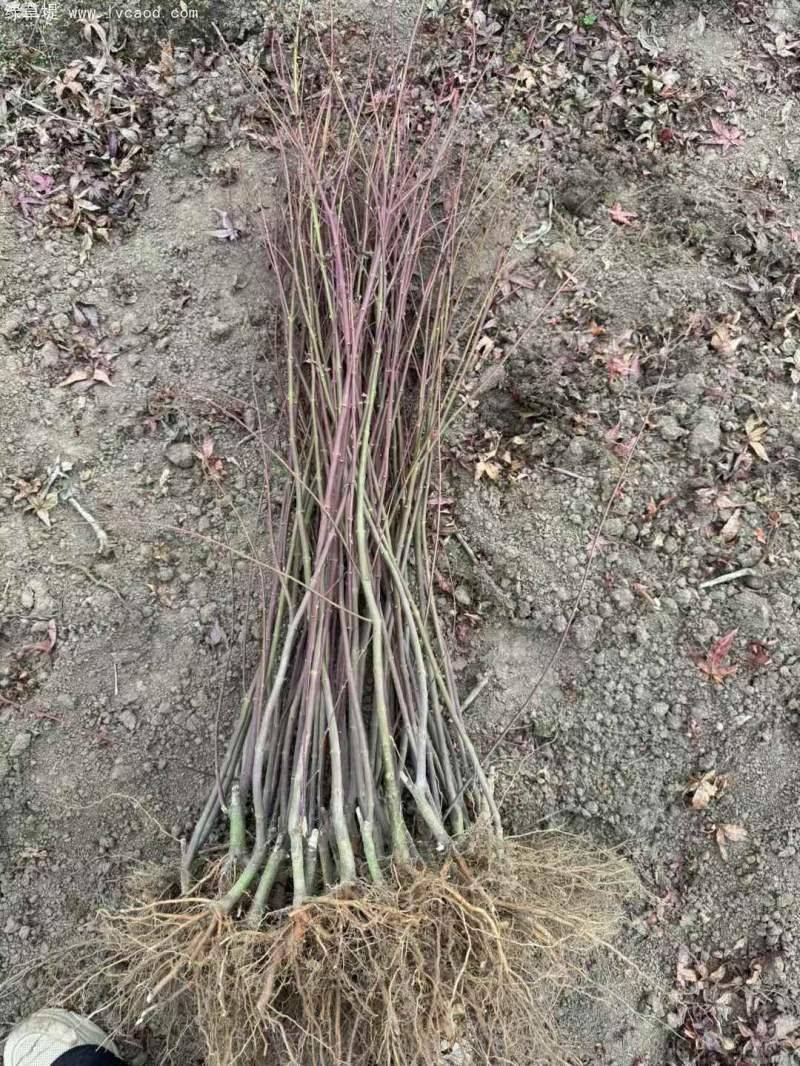
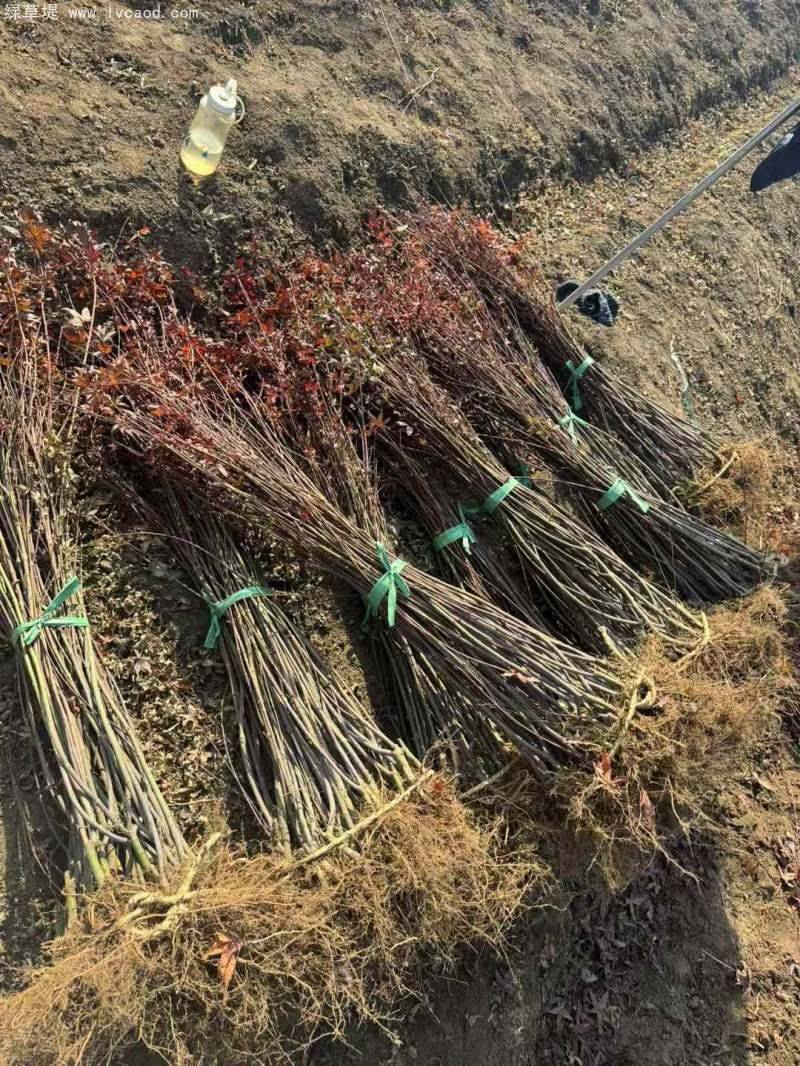
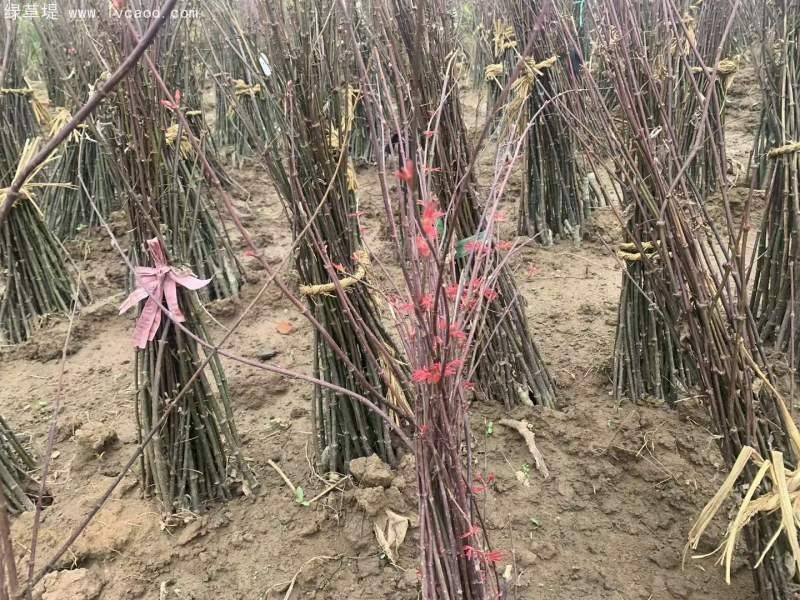
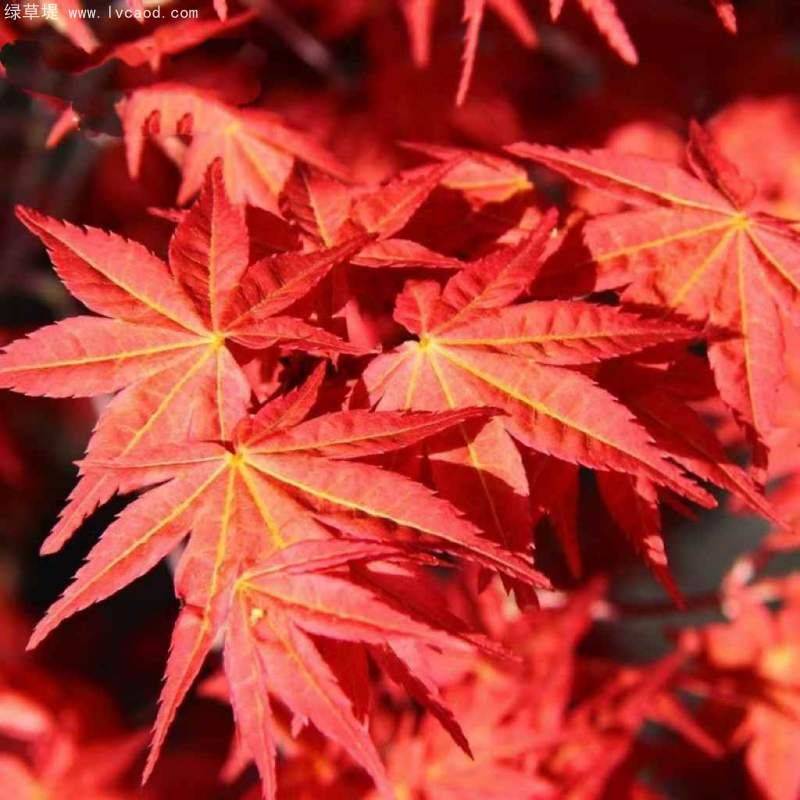
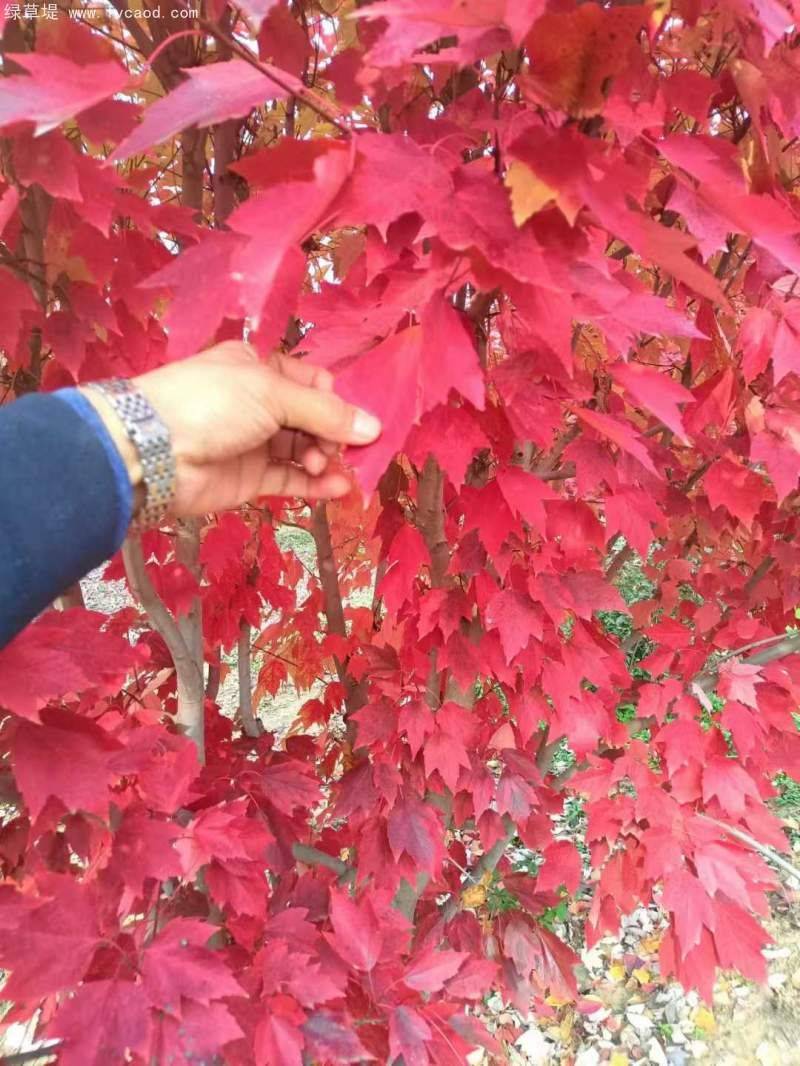
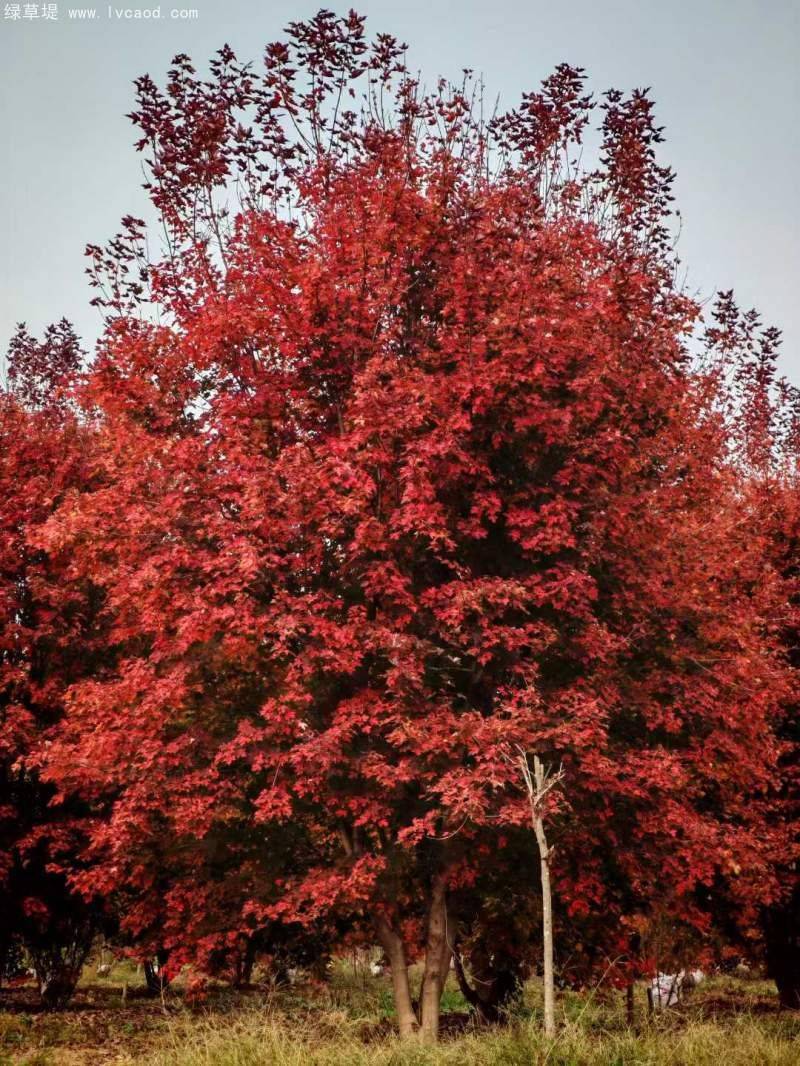
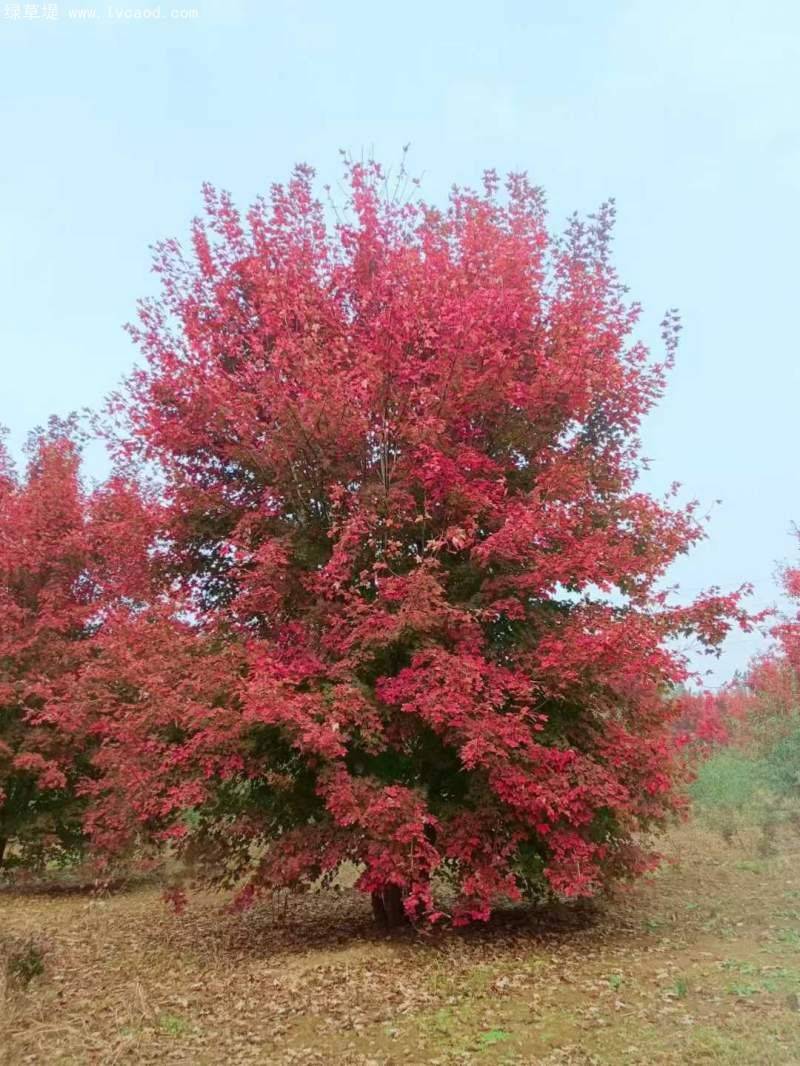
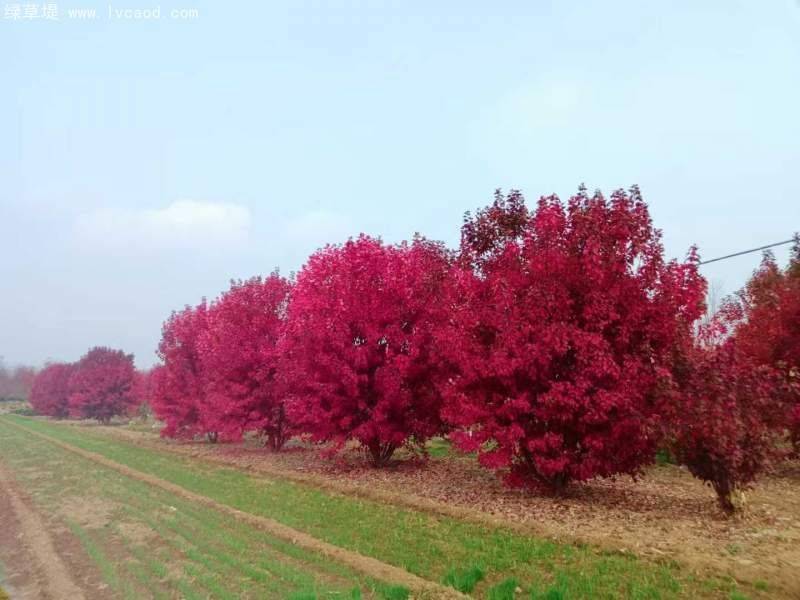
Type name: maple seed
Height: 5~20m
Characteristics: bright colour, growing fast, adaptable。
Cultivation period: spring, autumn, winter/view area
(c) resilient areas: smooth drainage, adequate light and no soil。
Supply specifications: brand new seeds/saplings