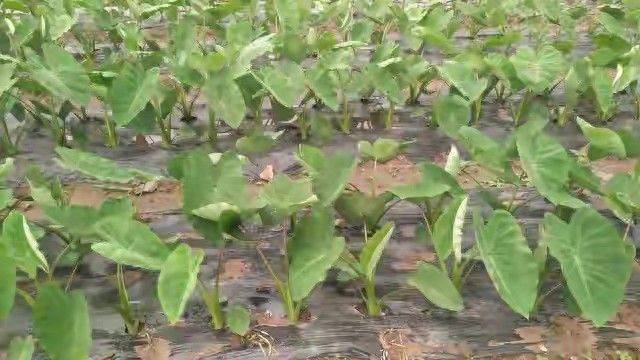
Almost all rural households have grown taro, which is broad and adaptable. They grow in front of their homes, in gardens and gardens, and are full of powdered ground floors, which allow them to eat for their own daily consumption and to collect and sell for money。
However, many have grown taro for years, and have not been able to achieve high productivity, with small and flat levels of production, a huge pile of deformed taro and tacos, with little revenue for a year. The decline is often attributed to poor soil quality, poor seeds and inadequate fertilizer, while neglecting the three deadliest areas. As the old farmers know, it is the three pits where the seedlings are the most afraid of puddles, water and soil, and where it is the same, it is difficult to grow large and high yields, no matter how long it takes to catch up with the fertilizers. Today, the hazards of the three pits and the correct methods of planting them are described once and for all in the field, all of which are dry, avoiding the faults and the year-round harvest。
I. The first big pit: too deep to look like a seedling
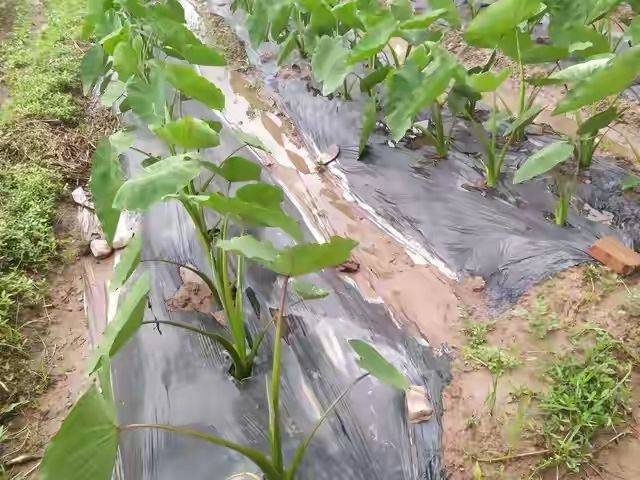
The vast majority of new farmers are mistakenly aware that the deeper the crops are grown, the more solid the roots, the more resistant the seedlings and the larger the taro. As a result, they plant taro, which is buried in the depths of the soil, which is less than a dozen centimetres, and which is directly buried to more than 20 centimetres, the most damaging form of production。
1. Three major hazards associated with deep cultivation
First, the depth of the seed is buried, the soil is poorly ventilated, the taro saplings are chronically in a closed oxygen-deficit environment, the gestation rate is slow, the seeding rate is uneven, and there is a high risk of sapling, sprouts and suffocation, which directly contributes to the loss of seedlings in the field。
Second, the taro is a shallow root tuber crop, all of which is concentrated in the subsurface position of the earth, so deep that it is planted, so small in the underground space, so that the new trachea cannot grow, so that all of the taro is grown together, with small heads, distorted shapes and deformities, and so much less merchandise。
Thirdly, low temperatures in the depths of the earth, low temperatures, inhibition of the absorption of taro nutrients, weakening of whole seedlings, yellow foliage and reduced photocooperative capacity, have created a low-yielding base from the seeding period。
2. Potato standard shallow planting at the right depth
The old man planted the old saying: "turk down, and deep."。
(b) open fields and vegetable gardens are planted in plain areas, with the best control of the depth of seeding of taro at 5-8 cm
(b) low-temperature mountain plots, not to exceed 10 cm at their deepest depth
The sandy estuarine soil can be a little deeper, and the adhesive hard-board soil must be shallowly planted。
3. Small techniques for shallow planting
The seeding takes place with the eye of the seeding, and the thin layer of the earth covers the seed, so as not to press pressure on the soil, keep the soil soothing, soak, grow fast, grow strong, and have plenty of space and a full circle at the end。
Ii. The second ground place: inspection of water, water duction in the negotiations and duction of the drugs
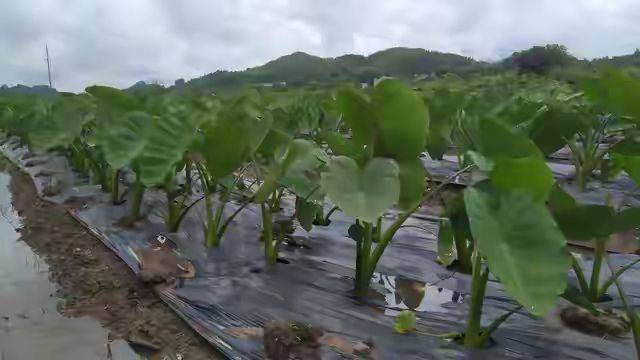
Everyone knows that taro is wet and wet, but has been misled by this for many years. Many farmers have mistakenly assumed that taro is not afraid of water, that the longer the water, the better, whether the soil is dry or wet, that water is pouring out every day, that low-lying plots are not drained early, and that they keep their roots in the mud for years, which is the most deadly of all。
One, the taro is wet and afraid of flooding
Taro prefers a warm, dry and growing environment, which is definitely not long-term water soaking. Its roots of meat, its subsurface tacos are extremely water-bearing, and it is wet-resistant, and once the roots are immersed in cold water sludge for a long period of time, they appear to be blackened and rotting in just a week。
2. Chain reduction due to excessive water accumulation
First, the roots are decomposed, with the loss of the capacity to suck water, the fast yellowing of the vines on the ground, the slow death of the whole seedling, and the large area of the field lacks a reduced production。
Secondly, the soil is very wet and cold, it is highly susceptible to root and soft diseases, the fungus enter the tacos along the root system, the tacos are decomposed, and empty shells are left during harvest, with no direct particles。
Thirdly, long-term flooding of plots, poor taste of taro, reduced powder, timidity and bad eating can reduce sales prices。
3. Science-based water management methods throughout the taro
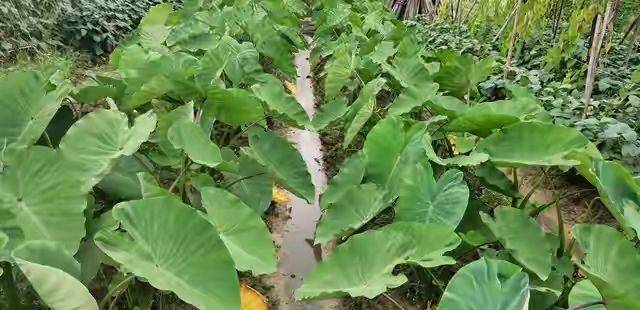
1. The slow-growing phase of seedlings: a small amount of water is given to steady roots, soil is maintained so that soil is fine, large water is prohibited and seedlings are reinforced。
(b) long-term: in the presence of dry and wet water, the surface of the soil is white and refilled with water, which is filled once and for all with no small water。
3. Subsurface taro booming period: water needs to be increased and the soil kept moist, but water cannot be accumulated between fields。
4. Rain-day management during the rainy season: early drainage of field drains, drying of rain, rapid discharge of excess water and protection of the roots。
4. Hardness of site selection
Low-lying pit ponds, chronic flooding, and a strong determination not to plant taro, such plots are not capable of producing high-yielding taro, and preference is given to high-lying, well-watered, sunward plots。
Third big pit: unpaved entire course, small green surfaces of tarcrete, and directly halved production
This is a crucial step that 90 per cent of farmers will ignore, and many people grow taro, and then do not do a earth-breeding job from the beginning to the end, except for weeding, so that it can grow slowly and slowly out of the ground, in the air, in the light of the sun, and with a huge impact on production。
1. Four major disadvantages of soillessness
First, when the tarcrete is lighted, the skin quickly turns green, the hairy tarcrete tastes bitter, the taste of wood, the loss of powder, which neither tastes nor sells at high prices, and which is a poor-quality subtruck。
Second, the tarcrete is exposed to the sun, the wind and the rain, the skin is vulnerable to fractures, and the ground pests are exposed to infestation and insufficiency。
Thirdly, the lack of soil can lead to the emergence of a mad sprouts of tacos, extensive diversion of nutrients, inadequate provision of primary potatoes, small size of the whole, large and small size of the taro, and a severe decline in total production。
Fourthly, the taro roots are shallow, unsettled and exposed to heavy stormy weather, and the whole seedling is prone to tilts, seriously affecting the subsequent growth of the taro。
2. Timing and methods of operation of taro gold
The tacos remember one thing: they can't be free three times in order to have their head round, they're born three times a year, and they're very productive。
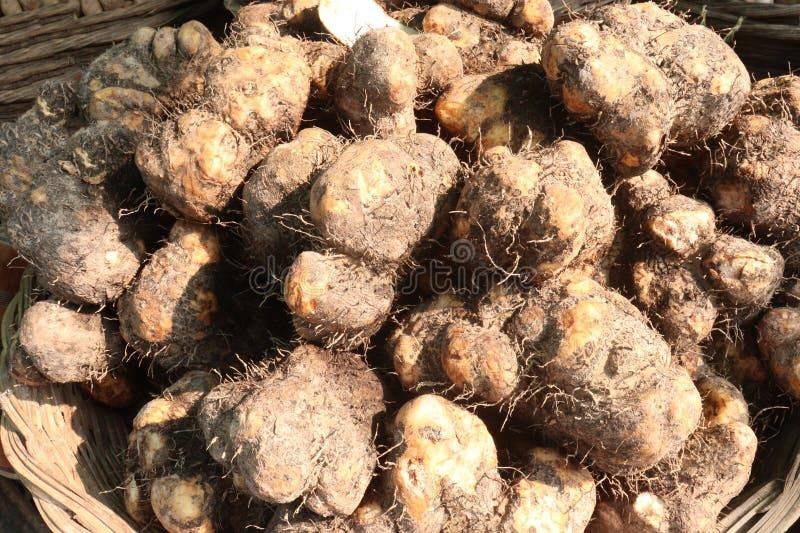
1. The first production of soil: taro vines grow to about 25 centimetres, the first planting of pine soil during the seeding period, and five centimetres of thin soil around the plant's roots, securing the roots and securing the seedlings。
The second stage of earth-breeding: it enters the long stage of leaf-leafing, which is preceded by large-scale earth-breeding, thickening of the roots of the earth, blocking of the new tacos and promoting the rapid expansion of the subterranean troughs。
Thirdly, the earth is being bred: during the peak of the tacos, the last time the earth was refilled, the surface of the earth was completely sealed, and no tacos were exposed to the earth and the light was avoided throughout。
Three, simple practical points
It is sufficient to choose between the lines, not with a large piece of hard and wet mud, not with a step-by-step level, and not with a single thick leaf, which will protect the potato without damage to the vines。
Iv. Avoiding the three pits, combined with four auxiliary management, with a steady increase in the production of taro take it
As long as we stay away from the three fatal faults of deep-seated, water-rich and unpaved soil, we will be able to provide four basic daily care, so that we can plant a large powdered platinum with ease and double the production of one acre。
1. Soil preferences and improved soil
Potatoe is the most ablaze, deep sandy border soil, which is pre-empted by corroded hard soil, improved soil with corroded farm fats, grass and ashes, soft soil, and unobstructed troughs。
2- fertilization phase, with no one applying nitrogen
Cumber seasons are dominated by decomposed organic fats, with the growth of seedlings taking root. Potassium fattening is repeated during periods of sodium expansion, less urea nitrogen fat, which is used only for wild vines and chickens, and sour fat is used to fill the tampons。
3. Rational farming and weeding and disease without eating less
Field weeds are cleaned in a timely manner, weeds compete for water fattening, pests are hidden, their cheeks are kept clean and clean, the taro is stable and pests and pests are significantly reduced。
4. Elimination of re-establishment and rotation of land in alternate years
In the same field, the seedlings are grown year after year, the eggs of earthworms are piled up, the disease is frequent and growing year after year, cropping corn, beans and then replanting the taro。
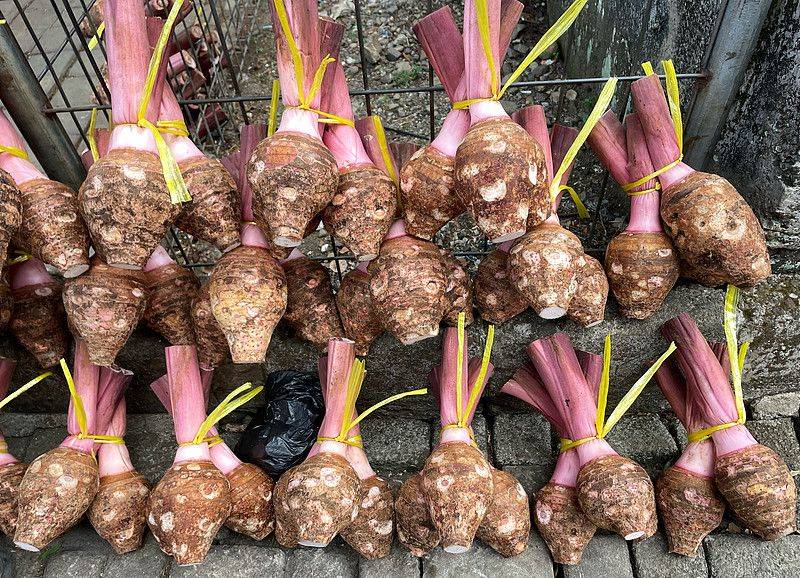
V. Assessment of assessments of assessed assessments in the assessment of ground pows
One, blindly, in pursuit of the roots, limiting the size of the space of the tarp
2. Illustrative water, neglecting the natural nature of the taro, which causes the rottenness of the taro
Three, laziness and no earth. Taco's hair is cracking. Quality production is double. Slide
Four, slow-activated nitrogen fertilizers, vines and vines are rich and small and thin below ground
5. Forced planting of low-lying water plots, chronically ill and poor harvests
Vi. Omnipotent cultivation of tacos by the old farmers the pit
Get the tarp off the three pits. Land
It's the best thing to do
It's the wettest water in the world. Out
Three times a platinum-covered tarp
Potassium supplementation with less nitrogen fattening and constant care for weeding
To avoid the faults, use your heart, fill your houses with potatoes
I don't know
Potato-growing techniques are not complex and require expensive agricultural inputs, and the key to success or failure is to avoid basic faults。
Deep-planted, watered and unpaved, these three seemingly insignificant little operations are precisely at the heart of the decision whether taro is high or not. The old farming experience is the truth that has always been found in the field, following the traditional scientific planting of tacos, not subjective thinking, and that families can grow large, pink, good-quality potatoes, eat sweets from their homes and sell more。