Many enterprises are confronted with a category of “taxable goods” (e. G., some high-pollution, high-energy, resource-type goods) whose exports are not tax-exempt, which are subject to mandatory vat and excise duties, and whose self-employment, commissioning and tariff calculations are consistent with the reporting rules, which are implemented on the basis of internal sales standards, which are broken down into key points and physical details and understood by new players。
First, understand: which export goods are subject to taxes
The export of taxable goods, in short, is subject to domestic sales of goods subject to vat, excise tax, common types of goods such as some steel, antimony oxides, high energy consumption, resource-type goods, as defined by the relevant provisions of the circular of the ministry of finance, the national tax administration on value-added tax and excise policy on export goods, at the core of which is that such goods do not enjoy export refunds and are subject to normal taxation。
Whether it is the direct export of the enterprise itself (self-employed) or the commissioning of the export by other firms, the payment of taxes is calculated according to the same rules, and the policy is applied without discrimination, as long as the goods fall within the taxable category。
Core rules: the calculation of taxes and fees is based on “internal sales standards” and details are not omitted
Value-added tax (vat) and excise tax (cat) for exports of taxable goods are calculated without taking into account a special formula, directly by reference to the rules for the taxation of goods sold within the enterprise, with clear accounting for the type of taxpayer and tax, adding key details and cases, and avoiding miscalculation。
(i) how does value added tax count? General taxpayers and small-scale taxes people
1. General taxpayer exports
Core formula: elimination of duties = (fob for export goods - amount of imported feed processing premium for export goods) ÷ (1 + applicable rate) x applicable rates
- key detail 1: fob calibre. Fob means the delivery price of goods shipped to the port of export, and if the contract provides for cif or cfr, the price of the fob shall be converted to fob after deduction of offshore freight, such as the cif price of $1. 2 million (including freight cost of 100,000 and insurance cost of 50,000) and the fob price = 120-10-5 = 1. 05 million

- key detail 2: redirecting taxes. If the prior period of the goods has been calculated as “non-exemptible and deductible tax” and charged to cost, the amount transferred will have to be transferred back to the entry, and negative reductions will have to be applied in the second schedule of the vat returns, under “inward tax transfers”, to avoid double taxation, such as $50,000 in the prior period, which will have to be reversed this time
- for example, a general taxpayer exported taxable goods at his own expense, at a price of $1. 2 million cif (including freight charges of $100,000 and insurance premiums of $50,000), at a rate of $100,000, at a rate of 13 per cent, at an offshore rate of $1. 05 million, at a rate = (105-10) ÷ (1+13 per cent) x 13 per cent = $1282 million, at a rate of $30,000 if the advance has been transferred。
2. Small-scale taxpayer exports
Core formula: taxable = fob for export goods ÷ (1 + collection rate) x collection rate
- key statement: small taxpayers have no entry credit, tax free amounts have been converted to fobs, and collection rates are applied in accordance with current small taxpayers ' policies
- for example, a small taxpayer commissioned the export of taxable goods at an fob price of $1. 03 million, a collection rate of 3 per cent, taxable amount = 103 ÷ (1+3 per cent) x 3 per cent = 30,000。
(ii) how does the excise tax count? 3 tax methods + pricing approval rules
The excise rate, the ad valorem, the combined tax, the three methods, which are fully consistent with the calculation of internal sales, do not refund prior-period excise taxes or offset internal excise taxes, while paying attention to price compliance:
Amortization rate (e. G. Partial cosmetics, alcohol): taxable amount = sales × proportional rate (sale is calculated at fob without taxes)
2. Quantification quotas (e. G., finished oils, beer): taxable amounts = volume of sales x flat rates (based on actual exports)

3. Combined taxes (e. G., white wine): tax payable = sales × proportional tax rate + sales volume x flat tax rate
- key details: pricing approval. If the fob of exported goods is clearly low and unjustified, the tax authorities approve sales in the following order: (i) the domestic sale price of the taxpayer's recent equivalent; (ii) the domestic sale price of other taxpayers' recent equivalent; and (iii) the tax-based price (cost x (1+ cost-profit) ÷ (1 - excise tax rate))
- for example, an enterprise's exports are subject to a levy on white wine, the fob is converted without tax sales of $500,000 (fairly priced), exports of 1,000 pounds, a rate of 20 per cent, a flat rate of 0. 5 per pound, and taxable amounts = 50 x 20 per cent + 1000 x 0. 5 ÷10,000 = 100. 5 million。
Iii. Declarations and processes: 2 key steps are not missing and there are differences between self-employment/commissioning (i) generic basic steps (both self-employment and commissioning)
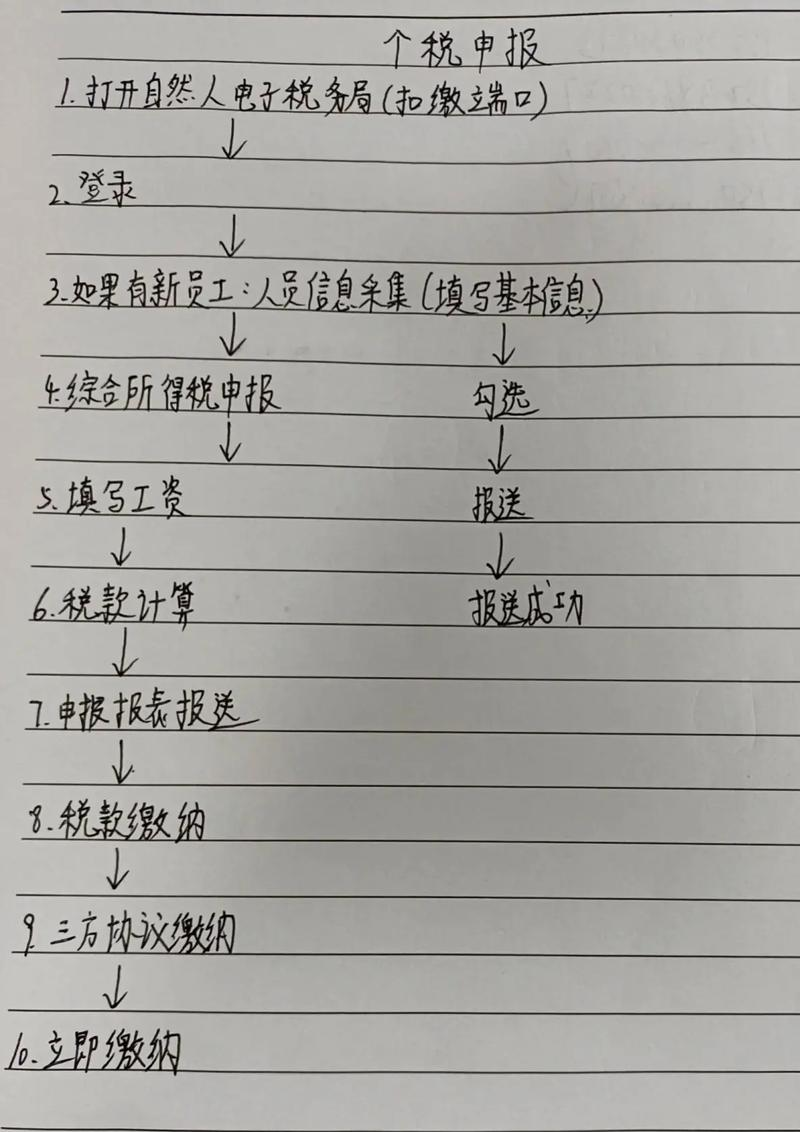
1. The tax register confirms that prior to the first export of taxable goods, the tax registration information is confirmed through the electronic taxation authority or the tax office, and that the abnormality requires a overhaul, followed by customs declaration and taxation
2. If a tax is declared: information on the tax fees is entered in the corresponding column of the declaration under the normal tax period, without additional filing, and information on the export declarations, contracts, price conversion certificates, etc. Is kept and documented
3. Customs declaration norms: accurate accounting of tax prices, quantities and commodity numbers in customs declarations, ensuring consistency with tax declaration data and avoiding information discrepancies。
(ii) additional steps for commissioning exports (self-employed exports not required)
An additional 2 types of certificate are required for commissioning agent exports, with a clear time limit:
1. Proof of the commissioning party: after the goods have been declared as being exported, and until 15 march of the following year, with a copy of the commissioning agreement, apply to the competent tax authorities for a certificate of commissioning the export, which may not be issued later
2. Trustee's certificate: upon receipt of the client's certificate, the trustee applies to its own competent tax authority for a certificate of agent's export of goods, which completes the closed loop。
Iv. Catalyst alert: 5 key errors
1. Confusion of the scope of the goods: the calculation of the goods subject to tax exemption, or vice versa, requires prior identification of the type of goods against the policy
2. Fob conversion error: directly taxed at cif, cfr prices without deduction for freight, insurance
General taxpayers omit entry: prior periods have been transferred from the non-exemptible and non-deductible tax amounts, which have resulted in double taxation
4. Proof of the expiration of the period of commissioning for export: the delay in applying for the certificate of commissioning for export, which affects the process of the trustee
5. Underpricing of excise taxes: fobs are manifestly low without justification and are not taxed on the basis of tax authorized sales and are exposed to verification risks。
Summary: core point: 3 words
1. The export of taxable goods is considered to be taxed as internal sales, the rules of self-employment, commissioning and taxation are consistent, the taxes and charges are based on internal sales standards and the fob is subject to conversion
2. Vat typologies, general taxpayers take note of the transfer, excise tax is taxed in three ways and unreasonable pricing is subject to mandatory approval
3. The timely declaration of tax and retention data and the submission of two types of certificates for the commissioning of exports within the time frame, avoiding common areas of error and risking tax compliance。