Solar energy resources
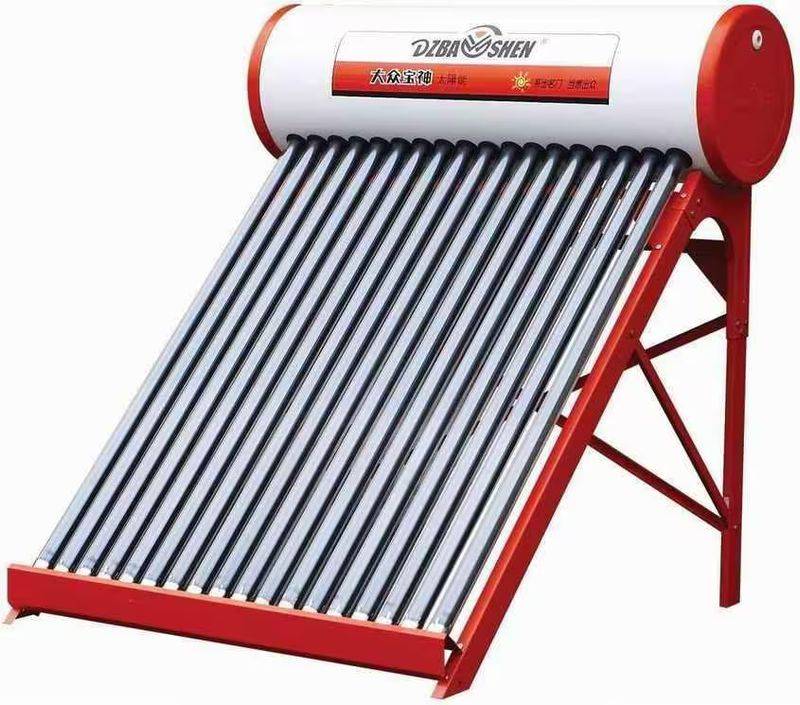
Solar water heater
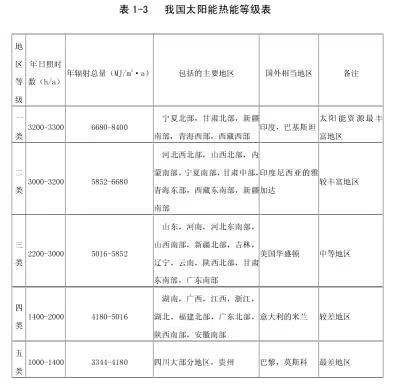
With its vast size and abundant solar energy resources, much of the country is suitable for solar energy, except in local areas (such as sichuan, guizhou, etc.). The total amount of solar radiation received by china on land is estimated to be equivalent to 2400 billion tons of standard coal per year, with an annual average of approximately 5900 mj/m2. The main characteristics of the distribution of solar energy resources in our country are that both the high-value and low-value centres of solar energy are located in the region of latitude 22°-35° n, the tibetan plateau is a high-value centre and the sichuan basin is a low-value centre. The tibetan plateau is above an average altitude of 4000 m and the atmosphere is thin and clean, transparent, low latitude and long daylight. For example, the city of lhasa, known as the sun city, averaged 3005. 7 h per year from 1961 to 1970, compared to 68 per cent, with total solar radiation of 8160 mj/m2a, higher than the rest of the country and at the same latitude. Sichuan basins are rained, fogy and less sunny. For example, the average number of day-time hours per year is only 115. 2. 2h, compared to 26 per cent, in urban areas, which are known as “mog duo”. The total amount of solar radiation per year is higher in the west than in the east, and, with the exception of tibet and xinjiang autonomous regions, is essentially lower in the south than in the north; given the heavy cloud and rain in most areas of the south, the distribution of solar energy is in contrast to the general pattern of solar energy changing with latitude, which does not decrease with latitude, but increases with latitude. During the “eighty-five” period, the country's solar energy resources were divided into five categories (tables 1-3). Three areas, one, two and more than 2,000 hours per year, and a total radiation of 5,000 mj/m2a, are large and have a very rich solar resource, which is suitable for much of the country, except for areas that are not suitable for solar use (such as sichuan, guizhou, etc.). The total amount of solar radiation received by china on land is estimated to be equivalent to 2400 billion tons of standard coal per year, with an annual average of approximately 5900 mj/m2. The main characteristics of the distribution of solar energy resources in our country are that both the high-value and low-value centres of solar energy are located in the region of latitude 22°-35° n, the tibetan plateau is a high-value centre and the sichuan basin is a low-value centre. The tibetan plateau is above an average altitude of 4000 m and the atmosphere is thin and clean, transparent, low latitude and long daylight. For example, the city of lhasa, known as the sun city, averaged 3005. 7h per year from 1961 to 1970, compared to 68 per cent, and total solar radiation was 816 mj/m2a, higher than the rest of the country and at the same latitude. Sichuan basins are rained, fogy and less sunny. For example, the average number of day-time hours per year is only 115. 2. 2h, compared to 26 per cent, in urban areas, which are known as “mog duo”. The total amount of solar radiation per year is higher in the west than in the east, and, with the exception of tibet and xinjiang autonomous regions, is essentially lower in the south than in the north; given the heavy cloud and rain in most areas of the south, the distribution of solar energy is in contrast to the general pattern of solar energy changing with latitude, which does not decrease with latitude, but increases with latitude. During the “eighty-five” period, our relevant studies divided our solar resources into five categories. Three types of area, one, two or more, with a total radiation of more than 5,000 mj/m2a and a total of more than 2,000 h per year, are areas of our solar energy wealth or wealth, with a large area of more than two thirds of the country's total area, and are well equipped to use it. The five categories of areas still have some use value despite poor conditions for solar energy resources. Tables 1-4 show the total annual radiation in some cities of the world. As can be seen from the following two tables, even in areas where our solar energy resources are poor, the total annual amount of radiation is close to tokyo, which is higher than in the cities of london and hamburg, where solar energy is better used, so that our country is well equipped to use solar energy, which should be vigorously exploited。
Solar energy utilization
Solar energy, which generally refers to the radiation energy of solar light, is a renewable energy source and, in the broad sense, solar energy is the earth

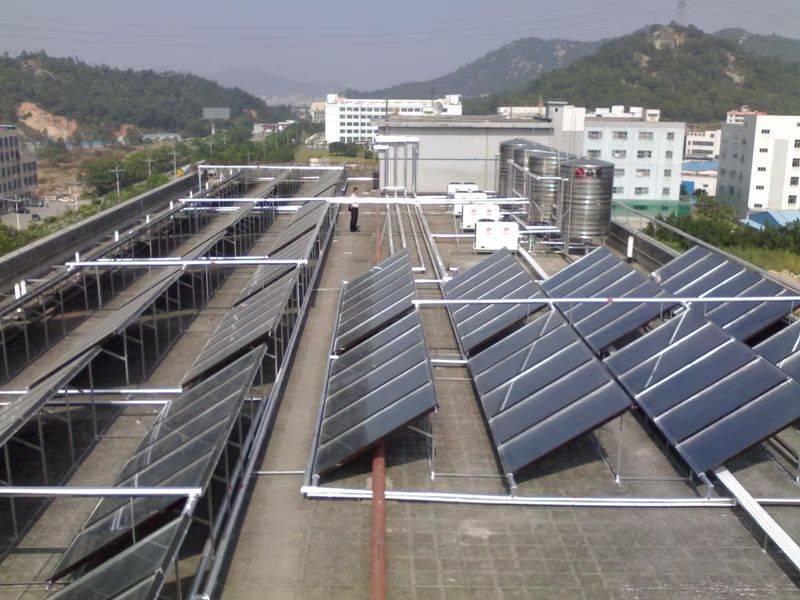
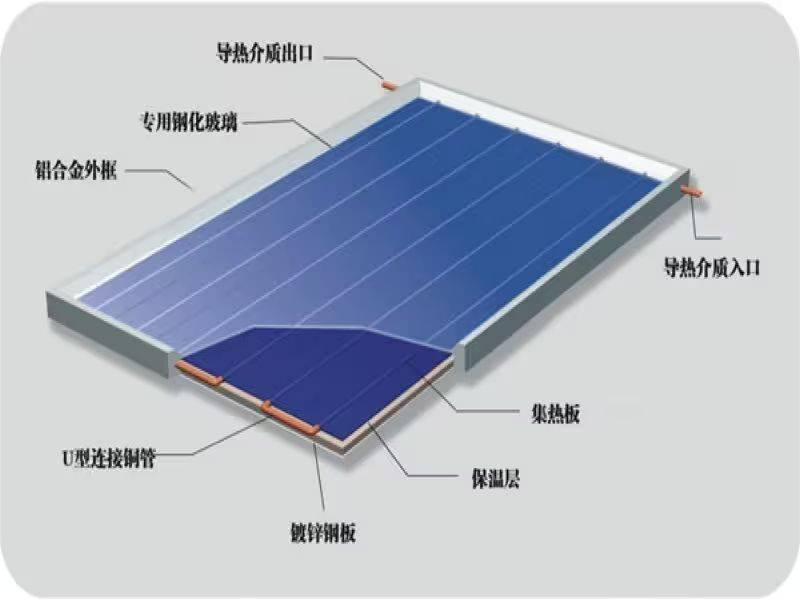
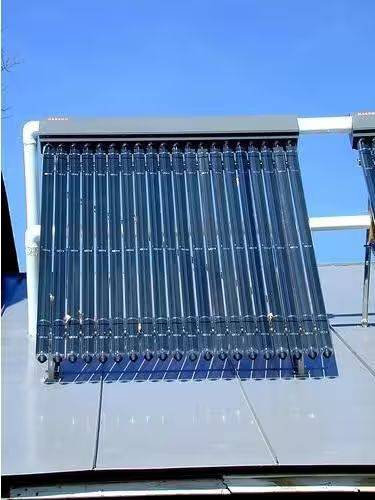
Many sources of energy, such as wind, biomass, tidal, water power, etc. The basic methods of solar energy use can be divided into four categories: photo-thermal, photo-electric, photo-chemical and photo-biological. Among the four types of solar energy use, light-thermal conversion technologies are the most mature, products are the largest, and costs are relatively low. For example, solar water heaters, water boilers, dryers, solar stoves, solar greenhouses, solar chambers, solar sea desalination units and solar heating and coolers. Solar photovoltaics are more efficient than solar conversion for photovoltaics, but applications are not widespread. In photothermal conversion, the most widely applied, technologically mature and economical applications are those of solar water heaters。
Photothermal use: it collects solar radiation and converts it to thermal energy by interaction with matter. The most used solar collectors are three types of flat-bed collectors, vacuum tube collectors and focus collectors. Solar power generation: the large-scale use of solar energy in the future is for power generation. There are two main ways in which solar power can be generated:
1 photo-thermal-electric conversion. That is, power is generated by thermal energy derived from solar radiation. Thermal energy absorbed is generally converted from solar collectors to working steam, which is then powered by steam-driven turbine-driven generators. The former process is photo-thermal conversion, the latter process is heat-electric conversion。
2-ray-electrical conversion. Its rationale is the direct conversion of solar radiation energy to electrical energy using the photovoltaic effect, and its basic installation is solar cells。
Photo-use: this is a photo-chemical conversion method that uses solar radiation to directly decompose hydrogen。
Photobiology: the process of converting solar energy into biomass is achieved through plant light cooperation. There are mainly fast-growing plants (e. G., charcoal forests), oil crops and giant algae。
Rationale
The sun passes through the first layer of glass to the second layer of glass, absorbs the heat of the sun's light. As a vacuum is insulated between the two layers of glass, the heat transfer will be significantly reduced (irradiation heat is still present, but no heat conductor and no heat flow), most of the heat will be passed only to the water inside the glass pipe, heating the water in the glass pipe, and light water will go up the glass tube to the hot side and go up to the warmer side of the tube and the relatively low temperature of the water inside will enter the glass tube to supplement it, so that the flow will keep the water in the tank warmer and thus serve the purpose of hot water。
Core material
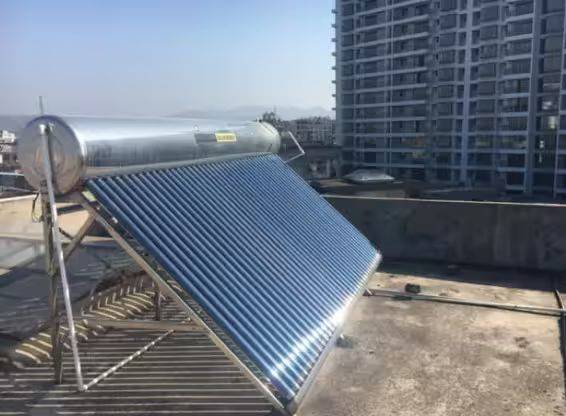
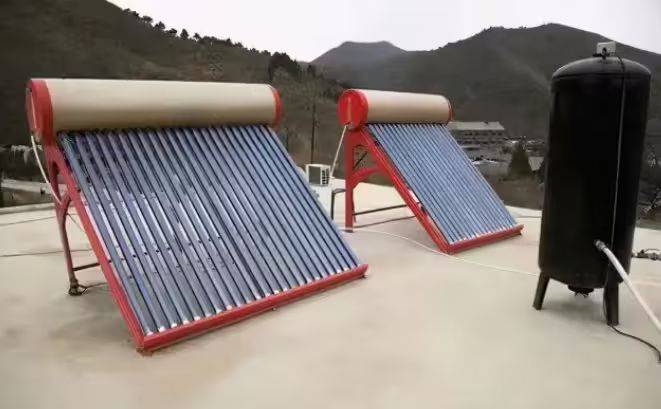
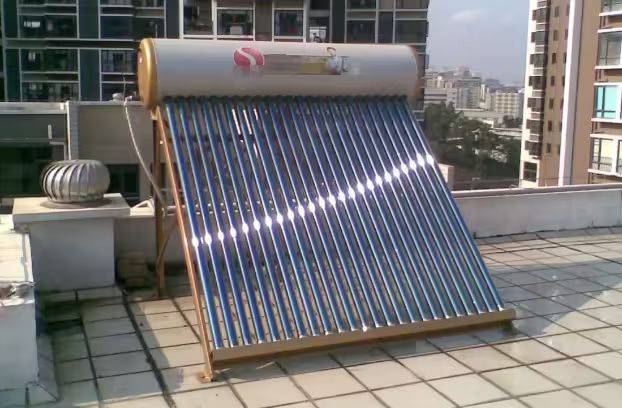
Solar photovoltaic materials are the most important solar materials. Materials in the field of photothermal use can be classified by use as heat storage material, heat conductor material, heat electrical material, collector material, etc
Heat storage material