Solar water heaters are widely used in modern households as a means of using clean energy. It warms water by absorbing solar radiation and has energy-efficient and environmentally friendly features. However, as with all household equipment, solar water heaters may experience some malfunctions or decline in performance during their long-term use. Knowledge of its basic working principles, daily maintenance knowledge and the ability to analyse common problems can help to extend the useful life of the equipment and ensure its stable and efficient operation。
I. Basic structure and working principles of solar water heaters
A basic understanding of the composition of maintenance and problems is needed first. The typical solar water heating system for domestic use consists mainly of:
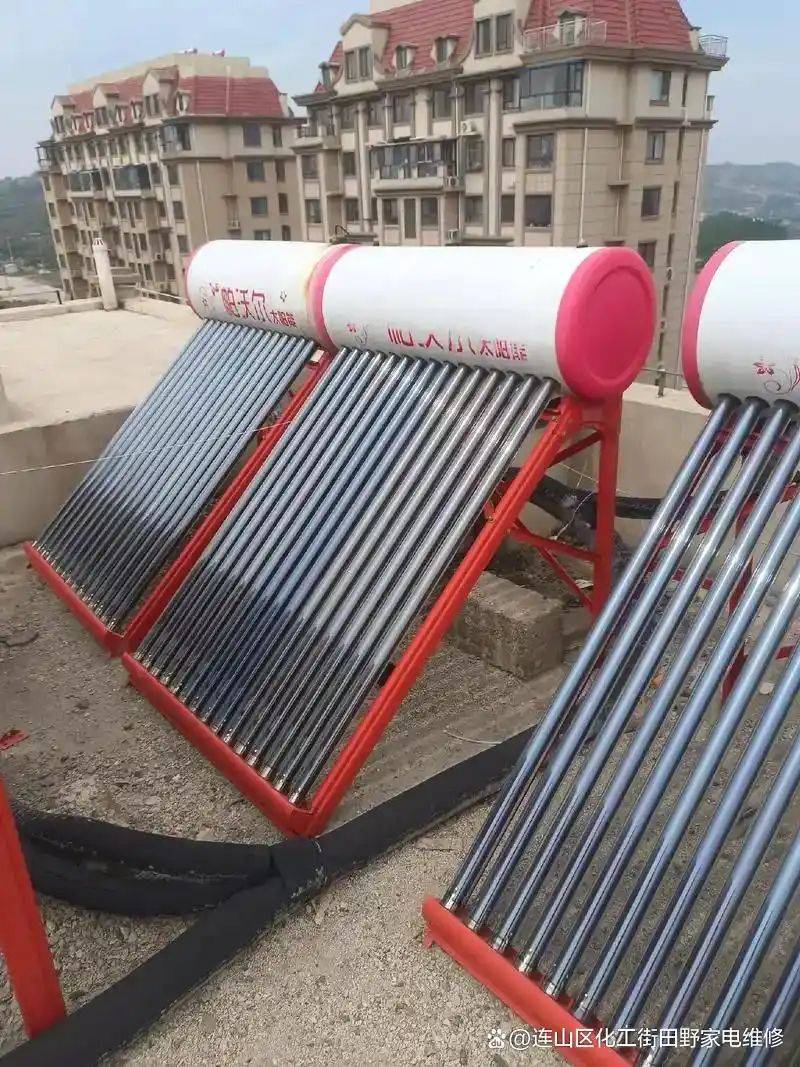
1. Thermal collectors: this is the core component of the system, usually installed on the roof or in a well-soiled location. It has internal heating panels (mostly dark coatings, such as blue or black) that are used to absorb solar light to innovative limits and convert it to thermal energy. Current common types include tablet and vacuum tube collectors。
2. Conservative water tanks: for the storage of heated water. Water tanks have good insulation to reduce heat dispersion and ensure that hot water remains available at night or in the dark。
3. Stands: used to fix and support collectors and water tanks to ensure that they are robust and angled for local sunlight。
4. Connecting pipes: these include cold-water intake pipes and hot-water discharge pipes, as well as circuits connecting collectors to water tanks. In the mandatory cycle system, pumps are also included。
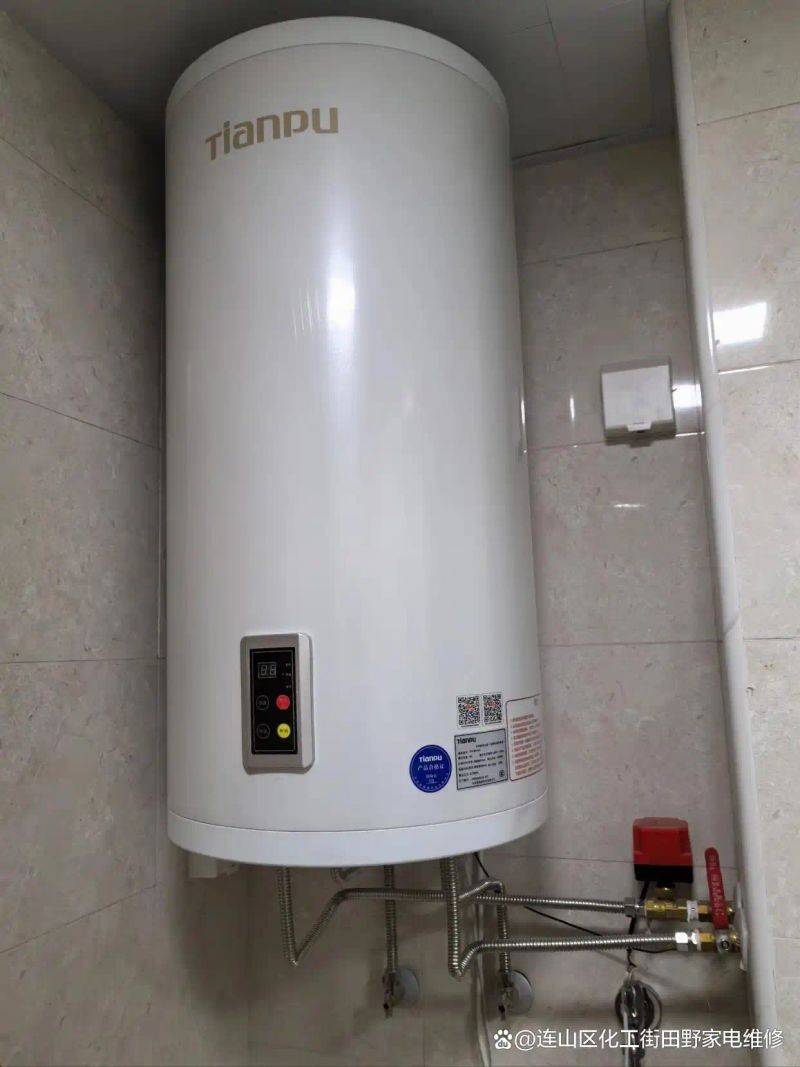
5. Auxiliary heating systems: many solar water heaters will be equipped with electrically assisted heating devices to supplement heating when sunlight is insufficient to ensure hot water supply。
6. Control systems: used to display water temperature levels, control auxiliary heat activation, etc。
It is based on the principle that sunlight is irradiated on the heat board of the collector, heating the conductor medium (possibly water or antifreeze). In the natural cycle system, the heat-heated medium becomes less dense and automatically rises to the warmer tank, while the colder medium at the bottom of the tank sinks into the collector to form a cycle, thus gradually heating the whole tank. In the mandatory cycle system, the medium cycle is driven by a pump。
Ii. Routine maintenance and maintenance knowledge
Regular maintenance is key to preventing malfunctions and ensuring efficiency。
1. Cleaning of the collector surface: the collector glass tube or tablet surface is susceptible to the accumulation of miscellaneous items such as dust, leaves, bird dung, which can have a significant impact on light penetration and thermal efficiency. It is recommended that cleaning be done on a regular basis (e. G., quarterly or semi-annual) and that soft wet cloths be used to wipe and hard matter be avoided so that glass is not scratched. Cleaning should be carried out safely and, where necessary, by professionals。
2. Examination of pipelines and connections: periodic inspection of leakages and drops of water in all water pipes, circulatory interfaces. Check if the piping layer is intact and if damaged should be repaired in a timely manner to prevent the loss of heat and the freezing of the piping。
3. Conservative water tank inspection: take care to see if the water tank casing is rusty or damaged. For open systems, vents need to be checked for smoothing to prevent abnormal pressures in tanks。
4. Stand-by checks: especially after a wind, storm or earthquake, the screws installed on the support frame should be checked for looseness, robustness and security of equipment。
5. Auxiliary heating system inspection: if equipment is equipped with electro-heating rods, professionals should be asked periodically (recommended once a year) to check their working state and safety, including the robustness of the wiring, the good insulation, the consumption of magnesium rods (used to prevent internal choreography). Their power can be shut down when they are permanently unused。
6. Freeze-proof winter: in cold areas, freezing winter is essential. For systems dependent on the water cycle, in chronically cold weather, it is important to ensure that the freeze-resistant tropical zone (if installed) works properly or that it is protected by empty collectors and piped water. Specific methods need to be based on product specifications or consulting professionals。
7. Water quality management: if the local water quality is hard (more water) and used for a long period of time, the interior of the collector, the inside of the tank, and the adhesive rod, are prone to dust, affecting heating efficiency and possibly damaging the equipment. Consideration could be given to the installation of simple water-soft treatment devices and to the regular (e. G. Every two to three years) use of professionals to depurate。
Analysis and preliminary treatment of frequently asked questions
When problems arise with solar water heaters, users can try to make some preliminary judgements and simple treatments。
1. Question: water temperature remains low when weather is clear。
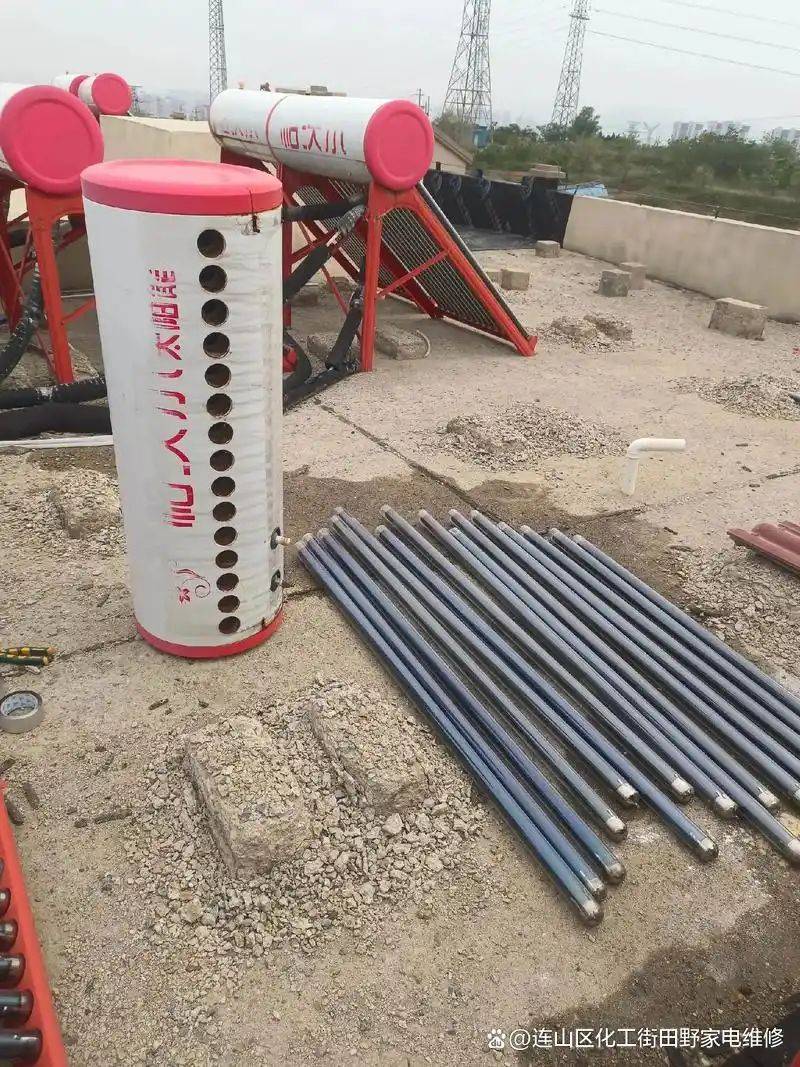
*possible causes: collector surfaces are too dirty to cover the sunlight; collectors are not equipped with an appropriate angle and are failing to respond to the sun; vacuum pipes are reduced or damaged (for vacuum pipes); there is a large amount of water in the system, which affects heat transfer; up- and down-water pipes are connected to the water。
* preliminary handling: clean collector surfaces. Check the vacuum tube and replace it if it is white or has lost light or is clearly damaged. Other issues related to the angle of installation, water stringing, etc. Will require inspection by the maintenance staff。
Question: hot water comes out with little or no hot water。
*possible causes: low water pressure from piped water; congestion of hot water pipes (e. G., piles of water); incomplete opening of or damage to valves; low water level in tanks。
* preliminary treatment: check if other cold water taps at home are normal. All hot water-related valves (e. G. Hot water export valves, solar water valves) have been identified as open. Check pipes, especially interfaces. If pressure pumps are installed, check if the pumps are working。
Question: water leaks in water heaters。
*possible causes: aging of vacuum pipe seals (in the form of leaks in the vents); courage corrosive perforation in water tanks; loose or ageing of seals; spills of safety valves or vents (normal discharges when the temperature pressure is excessive, but may be valved if continuous dripping)。
*preliminary treatment: first, the approximate location of the leak. In the case of a vacuum pipe interface, an attempt can be made to close the above valve, to observe improvements and to replace the seal as soon as possible. In the case of pipeline interfaces, try to be rigid, but be careful not to over-strength. Vigilante leaks in tanks usually require professional judgement and maintenance, and even replacement of tanks。
4. Question: water access difficulties or lack thereof。
*possible causes: insufficient pressure from running water; congestion of up-water pipes or valve failure; congestion of vent vents in water tanks (which makes internal air impregnable when entering water); failure of water-level sensors (for automatic up-water meters)。
* initial treatment: increase water pressure (e. G. Waiting for water peak). Check the pipe valves. Check if the vent is blocked by alien objects. For instrument control types, you can try to switch to manual water mode tests。
5. Question: the instrument display is abnormal (e. G., water temperature is incorrect, scintillated, not shown)。
*possible cause: sensor (probation) disassembly or damage; instrument power problems (cell failure or communication failure); poor or fractured signal transmission lines。
:: initial processing: check whether the instrument power supply is normal (replacement of batteries or inspection of plugs). Check the soundness of the sensor connection. Sensor failure usually requires professional replacement。
6. Problem: auxiliary electric heating is not working。
*possible cause: instrument set-up problems (e. G. No time for heating or temperature set to be met); failure or leak of power switches to protect jumps; damage to electroheating rods; failure of thermostats。
*preliminary processing: check the correct instrument setting. Check if the switch and leak shield are properly closed in the distribution box. Try the recognizance shield. If they are still not working, the power supply shall be disconnected, the electrician or the maintenance staff shall be contacted for inspection, and the electrical heating parts shall not be removed by themselves。
7. Problem: when hot water is used, bubbles or hot water are mixed。
*possible causes: accumulation of air within pipelines; instability of cold water pressure, impact on hot water; uneven distribution of water flow when water is used at multiple points。
*preliminary treatment: hot taps can be opened for some time and piped air released. Check the total water pressure of the household. Try to stagger the peak of multiple hot water use points。
Important tip:
It is important to ensure safety before any inspection or simple disposal is undertaken. For equipment installed on the roof, non-professionals do not climb to prevent a drop. Complex or risky overhauls involving electrical components, water tank interiors, pressurized systems, etc., are performed by qualified professional maintenance staff. Professional services should be sought in a timely manner when it is not possible to determine the cause of the failure or the initial post-treatment issues remain unresolved。
Through the above-mentioned research and problem analysis, users can gain a clearer understanding of the maintenance and common failures of solar water heaters. Regular maintenance and correct coping methods can effectively guarantee the long-term stability of the operation of this green device and allow it to continue to facilitate families。