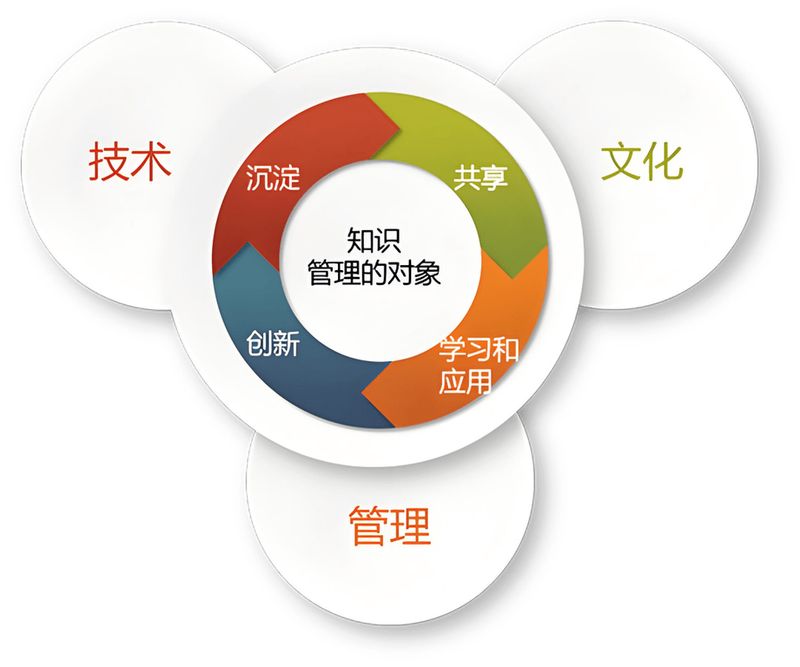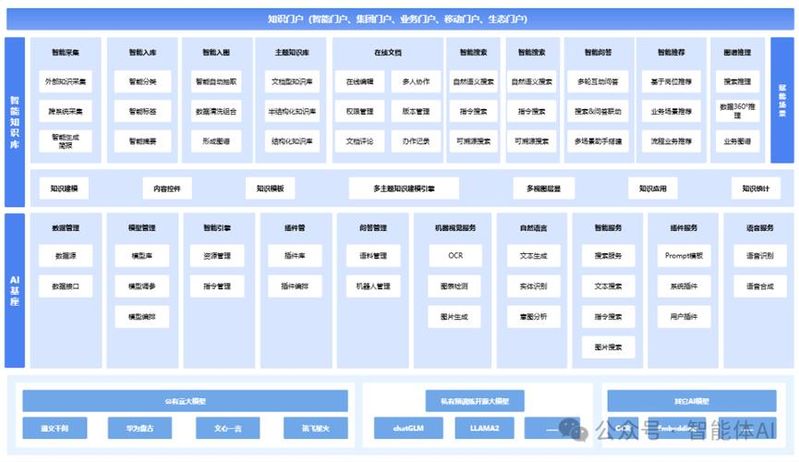
Today, as the enterprise knowledge management system design programme deepens in the digital transition, the enterprise's knowledge assets (e. G., technical files, client cases, expert experience) have become key vehicles of core competitiveness. However, most enterprises are faced with problems of decentralized storage of knowledge, inefficient sharing and the difficulty of transmitting hidden knowledge. This paper is structured around the goals, modular design, technical architecture and implementation pathways of the knowledge management system, providing a land-based programme for enterprises to build an efficient knowledge management system. The core objective of the system design, enterprise knowledge management systems, needs to focus on four main objectives: (i) knowledge deposition: building an organizational memory to break the current status of knowledge “debrisation” storage, and developing a reversible and reusable repository of knowledge by integrating explicit knowledge (e. G., product manuals, project reports) and hidden knowledge (e. G., expert experience, industry insights). For example, technological programmes in the r & d sector and customer success cases in the marketing sector are classified by business scene and knowledge loss resulting from the movement of people is avoided. (ii) knowledge-sharing: removing sectoral barriers to establish cross-sectoral, cross-level knowledge-flow mechanisms that allow front-line staff to quickly gain access to headquarters policy, brotherly best practices. For example, client and product teams are closed for feedback through the “knowledge community”: client service synchronizes client demand with the product sector, whose optimization programme is counterproductive and creates a “shared-overtures” virtuous circle. (iii) knowledge application: supporting business decision-making by deeply integrating knowledge into business processes, by automatically transmitting knowledge (e. G., contract approvals, client offers) to staff when handling work, and by reducing decision-making error rates (e. G., compliance terms, historical offer cases). At the same time, data support is provided for new product development and market strategy development through knowledge mapping analysis of the linkages in the business landscape. (iv) knowledge innovation: catalyzing innovation through the reuse and collision of knowledge-based assets. For example, semantic analysis of technical files from different business lines, excavation of potential technology convergence points, assistance to enterprises in developing new business areas, or multi-dimensional solutions for complex projects through cross-research from the pool of experts. The core values of the system's core modules design knowledge management system are realized through the closed loop of the "access-store-shared-application" modules, which need to be synergized: (i) knowledge-gathering modules: multi-source integration, implicit retrospect structured knowledge-gathering: automated capture of standardized documents for existing systems of the docking enterprise (e. G. Oa's correspondence, crm's customer information); support for staff uploading documents such as word, PDF, which generate knowledge cards by extracting key information through orr, nlp technology. Non-structured knowledge acquisition: converts scattered information into searchable knowledge entries through keyword identification, thematic clustering techniques for unstructured data such as mail, minutes of meetings, instant messaging records, etc. Invisible knowledge extraction: building a “expert interview system” that translates expert experience into a “best practice manual” through questionnaires and one-on-one interviews; creating a “case co-generation platform” to encourage teams to revisit project experiences and develop reusable methodological theories. (ii) knowledge storage and management module: secure and orderly, intelligently retrieving knowledge base architecture: using a “stratification” design, level 1 by business area (e. G. R & d, sales, human resources), level 2 by type of knowledge (e. G. Process, case, data category), supporting self-defined labels (e. G. “high priority” “update”); versions and rights management: a copy tracking of knowledge documents allows staff to view historical changes; access rights based on roles (e. G., general staff, department managers, experts) ensure the security of core knowledge (e. G., financial data, technical confidentiality). Smart search optimization: introduction of semantic search techniques to support natural language questions (e. G., “how to process a customer refund?”) and automatic matching of knowledge by the system; simultaneous transfer of other knowledge of high relevance (e. G., refund process + customer solution) in the presentation of a given knowledge through knowledge linkage recommendations. (iii) knowledge-sharing and collaboration modules: interactive empowerment, mapping to inform the knowledge community and question-and-answer platform: building a “knowledge community” within the enterprise, where staff can issue questions, share experiences, systematically recommend experts to answer questions through algorithms; and creating a “knowledge-based list” to motivate staff to contribute quality content. Collaborative space: provide an exclusive knowledge collaboration area for project teams and cross-sectoral teams, support online editing, comparison of releases, feedback on comments and ensure real-time synchronization of team knowledge. Personalized knowledge transfer: based on staff position, work scene (e. G. “new staff entry” “quarterly financial report writing”), automatic delivery of customized knowledge packages and reduced information search time. (iv) knowledge application and empowerment module: business embedding, value quantification business process embedding: in processes such as oa approvals, crm customer follow-up, etc., embedded knowledge call access. For example, when the client service communicates with clients, the system automatically pops up a solution to a similar historical case; and the treasury simultaneously displays compliance policy and non-compliance cases when reviewing claims. Innovative support tools: build knowledge maps, visualize the linkages between knowledge (e. G., technology files and patents, customer demand and product functions), and provide the basis for decision-making for r & d innovation, market strategy development. Designed to safeguard the stability, expansiveness and intelligence of the system, the technology architecture is based on the “stratification architecture + microservices” model: (i) data layers: multiple types of storage, secure structured data: storage of knowledge metadata (e. G. Titles, authors, labels), user information, privileges configuration using relational databases (e. G. Mysql). Destructured data: storage of document content, multimedia files through mongodb; efficient storage and backup of large documents (e. G. Video tutorials, cad drawings) through distributed file systems (e. G. Minio). Cache layer: use redis cache of hf-accessed knowledge entries to increase retrieval speed. (ii) service level: microservice decomposition, flexible extension of the knowledge-processing engine: ocr identification, nlp analysis, label generation in charge of knowledge gathering; automatic classification and weighting in support of knowledge. Search engine: build full-text search and semantic search capability based on elasticsearch, supporting multi-dimensional screening (e. G. Time, sector, type of knowledge). Authority and security services: achievement of role-based access control (rbac), operational auditing (recording the creation, modification, deletion of logs), data encryption (sensitive storage). Integrated services: provide standardized api, interoperable data by matching existing enterprise systems (e. G. Oa, erp). (iii) application layer: multi-end adaptation, light quantification interactive web end: for end-users of the pc, complete knowledge management functions (collecting, retrieving, collaborating, analysing) are provided, and interface design follows the principle of “exact and efficient” and reduces operational paths. (iv) integrated layers: eco-interconnection, where data flow is seamlessly integrated through the enterprise services bus (esb) or the api gateway, with existing business systems (e. G. Hr system synchronized employee information, project management system synchronized project files), avoiding “information isolation”. Iv. Implementation pathways and safeguards (i) phased implementation of strategy 1. Needs survey period (1 - 2 months): joint business units conduct “knowledge status diagnostics” to develop demand lists of knowledge pain points (e. G. Low re-use of technical files in the r & d sector and inconsistent response standards in the client service). 2. Structure design period (1-2 months): integration of needs with technology selection, output system architecture, list of module functions, data flow logic, organization of internal review. 3. Development of testing period (3-6 months): use of agile development model, developed on a modular and iterative basis (e. G., first-line knowledge acquisition and retrieval, then extended collaboration and analysis module); seed users are invited to participate in acceptance testing to capture feedback optimization. The roll-out period (1-2 months): 2-3 pilot sectors (e. G., customer service, r & d) are selected on a trial basis to summarize best practices and promote them at full capacity; “knowledge management training camp”, training system operations and knowledge contribution norms. 5. Operational optimization (long-term): establishment of a knowledge operations group to regularly analyse knowledge asset data (e. G., reuse rate, frequency of updates), optimize knowledge classification and retrieval rules; function of the business change system. (ii) ensuring organizational security: establishment of a “knowledge management committee”, led by senior managers, with the participation of the it and operational cadres, to integrate system development and operation; creation of a “knowledge management” post responsible for knowledge validation, classification optimization and community operations. Institutional safeguards: develop a knowledge management approach that identifies incentives for knowledge contributions (e. G., credit exchange bonus, promotion plus points), time limits for updating knowledge (e. G., updating relevant files within three working days of product overlap). Safety and security: use of the "transfer encryption + storage encryption" dual mechanism for sensitive knowledge desensitization; establishment of the "operational audit log" to track access and modification records of knowledge; regular data backup and tolerance exercises to protect against the risk of data loss. V. Quantification of impact expectations and values is achieved through the landing of knowledge management systems: an increase in knowledge reuse rates: reuse of core business knowledge increased from 30 per cent to more than 60 per cent, reducing duplication of effort (e. G. Duplication of research and development in the r & d sector, reduction of repeat answers to similar questions in the client sector)。(b) accelerated growth in employee competencies: 40 per cent reduction in the induction cycle for new staff, rapid start-up of operations through the “job-based knowledge pack” “experts' experience pool”; 30 per cent increase in the number of innovative proposals for older staff and more business optimization programmes arising from knowledge collisions. Increased operational efficiency: 50 per cent reduction in client response time (acceptance rapid response based on knowledge) and 20 per cent reduction in project delivery cycle (increased knowledge reuse and collaboration efficiency); rio (investment return) of knowledge assets reached 1 in 3 years