1. 10 organization for the standardization of domestic logistics
At the organizational level, and with the approval of the national committee for standardization, we have established two technical committees for standardization: the national technical committee for standardization of logistics and the national technical committee for standardization of logistics information management. The national technical commission for the standardization of logistics is responsible for standardization in areas other than logistics information, logistics infrastructure, logistics technology, logistics management and logistics services, with the secretariat located at the china logistics and procurement consortium. The national technical committee for the standardization of logistics information management is primarily responsible for standardization in areas such as logistics information infrastructure, logistics information systems, logistics information security, logistics information management and logistics information applications. The secretariat is located at the chinese goods coding centre. The two technical standardization committees are under the direct authority of the national standardization management committee. Since then, the lack of a unified logistics standardization unit, which has plagued our logistics standardization for many years, has finally been resolved, creating organizational guarantees for the systematic standardization of logistics in our country。
1. National technical committee for the standardization of logistics (china logistics and procurement federation)
On 10 september 2003, the national technical commission for the standardization of logistics was established with a secretariat based in the china logistics and procurement consortium, which is responsible for standardization of technical work in the areas of logistics infrastructure, logistics technology, logistics management and logistics services. Currently, the national technical committee for the standardization of logistics has six sub-technical committees, including the sub-technical committee on logistics operations, the sub-technical committee on third party logistics services, the sub-technical committee on logistics management, the sub-technical committee on warehousing technology and management, the sub-technical committee on cold chain logistics and the technical committee on tray allocation. The establishment of the commission is intended to give full effect to the role of experts in the field of logistics, such as enterprises, scientific and technical research and teaching institutions, and social organizations, and to improve standardization in the field of logistics technology and promote the development of the logistics industry in the country。
Its main tasks include: following relevant national policy guidelines, recommending guidelines, policies and technical measures for the standardization of logistics to national standardization management committees and relevant national administrative authorities; organizing the development of a logistics standard matrix, with recommendations for planning and annual planning for the development, revision and adoption of international standards in the area of logistics, in accordance with the principles of national development, revision of standards and the application of advanced international standards; coordinating the development, revision and review of national standards in logistics, in accordance with plans approved by national standardization management committees and relevant administrative authorities; organizing the review of the implementation of national standards for logistics, making concluding observations on the technical content of standards, the application of international standards, making recommendations on mandatory standards or recommended standards; conducting the communication and advice on national standards for logistics, in accordance with the relevant provisions of national standardization management committees; commissioning the organization of national standards for logistics, advising on the communication, interpretation and acceptance by national standardization management committees of international standards; undertaking the drafting of international standards and the evaluation of national standards, such as the international organization for standardization (iso), the international telecommunications commission (iec) and the international telecommunication union (itu) and the international telecommunication union (itu) corresponding technical committees) to。
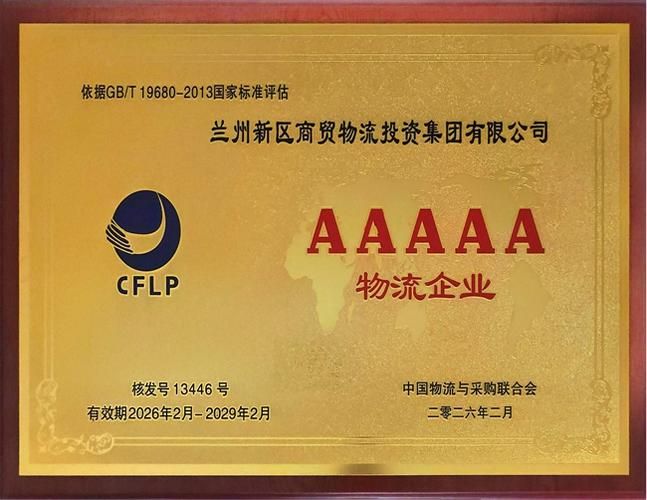
Over the past decade, the revision of logistics standards has been fully under way, with a wide range of logistics standards being completed and promulgated successively, including logistics terminology, classification of logistics enterprises, accounting for logistics costs, a logistics statistics system, logistics parks, quality of logistics services, logistics centre management, general tray size, a range of basic categories, common categories of standards, including international freight forwarders, and specialized logistics standards such as automobile logistics, medical logistics, food logistics, cold chain logistics, publications logistics, and port logistics. Since the implementation of the national standard for the classification and assessment of logistics enterprises (gb/t 19680-2005) on 1 may 2005, the china logistics and procurement federation has been active in organizing the integrated assessment of logistics enterprises, and over 2,000 logistics enterprises have been rated as level a logistics enterprises. The integrated assessment of logistics enterprises has been instrumental in regulating logistics markets, improving the quality of logistics services and promoting the healthy development of logistics enterprises. The national commission for the standardization of logistics, commissioned by the national commission for the standardization of logistics, prepared the national logistics standards development plan for 2005-2010, which was published by eight ministries of the state council, including the national commission for the reform of logistics, and the national logistics standards specialized plan, which was issued jointly by the national commission for the standardization of logistics and 10 ministries。
2. National technical committee for the standardization of logistics information management (china goods coding centre)
In august 2003, the national technical committee for the standardization of logistics information management was established in beijing. The secretariat is located at the chinese goods coding centre and is the organization responsible for standardizing technology in modern logistics information throughout the country. The aim is to coordinate, develop and promote standards for modern logistics information and to introduce the world's latest modern logistics information management operational concepts to domestic enterprises. The ultimate objective is to enable enterprises in the logistics supply chain to take full advantage of information technology, to improve the efficiency of logistics operations, to reduce the cost of logistics systems, inventories and material reserves and to improve the international competitiveness of enterprises。
The national technical committee for the standardization of information management in modern logistics is an integrated, basic and intersectoral technical committee for standardization, whose functions are to: provide technical support for the standardization of national logistics information; organize the revision of professional standards; propose international standards to the international organization for standardization; provide technical support for the application of information technology in the field of logistics; and organize international counterparts to promote standardization of domestic logistics information。
Its main tasks include: advising the national standardization management committee and the relevant administrative authorities, with national guidelines and policy guidance, on the implementation of the professional standardized guidelines, policies and maintenance management mechanisms and accompanying technical measures; organizing the development of the professional standard-setting framework, proposing to the national standardization management committee and the relevant administrative authorities a planning and annual plan for the professional revision of national standards; organizing the revision and review of the professional national standards and making recommendations on mandatory or recommended standards; organizing the dissemination and consultation of the professional national standards; investigating and analysing the implementation of the professional national standards, reporting to the national standardization management committee and proposing measures for improvement; developing a plan to promote the standardization of logistics information management in our country, organizing and coordinating the implementation of the plan and providing human and technical support in non-financial aspects; providing technical support to other relevant international technical committees and related international exchange activities; organizing the translation, research and transformation of relevant documents, information on the international state-of-the-art modern logistics information management; organizing the harmonization of standardized data, registration, distribution, maintenance and management of the professional standards; coordinating with the relevant administrative, legislative and administrative departments on modern logistics information management in line with the actual needs of modern information technology。
The national technical committee for the standardization of logistics information management has developed and improved our system for the coding and marking of goods on the basis of a study of domestic and foreign coding and marking techniques. In 2006, the snspi was developed, which led to the preparation and dissemination of standards such as the storage module bar code, the code and symbol of the logistics module, the bar code terminology, and the classification and coding of logistics services。