The authors of the standard were the china logistics and procurement federation, the beijing institute for materials technology, shenzhen shenzhen shenzhen shenzhen shenzhen shenzhen shenzhen shenzhen shenzhen shenzhen, shenzhen hong tai xin (group) limited, beijing university of transport, china association of material and shipping, xi'an university of transport, tianjin university, shanghai maritime university, china centre for the coding of items, china university of science and technology, hubei university, beijing chamber of commerce and industry university, guangzhou university, etc. The drafters were ho myung-kok, zhang xiaodong, kang hak-fung, zhuang, yang bin, lee hongxiang, li bo, wang nae, liu zhiqing, wang xiaoxing, wang ho, xie won, huang fokhua, zhuang, zhu guo fung, zhufuqa, guo xiaoqiao, and zheng xian。
Introduction to logistics terminology (english version)
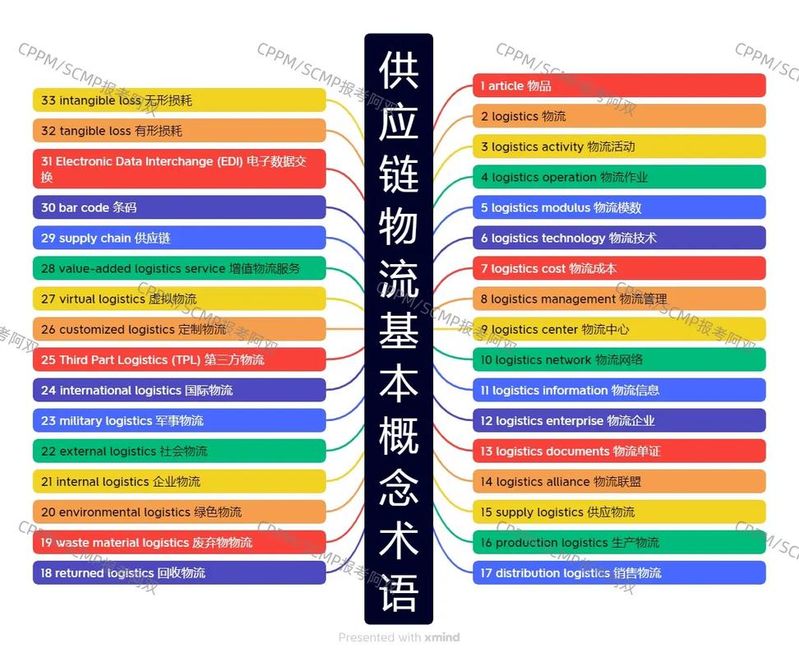
Logistics terms refer to terms and expressions specific to logistics, which are widely used in the logistics industry. They can help professionals in the industry to exchange information accurately and efficiently, while also facilitating understanding of logistics processes, operations and technologies. For example, supply chain management involves coordinating and integrating all supply chain activities to maximize consumer value and gain competitive advantage, while inventory management focuses on how best to control inventory levels to meet demand while reducing costs。
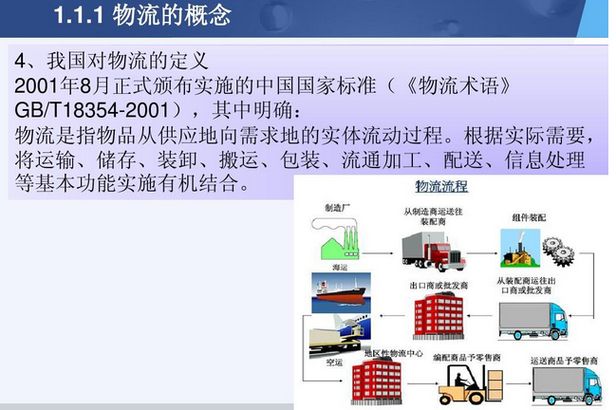
The mastery of logistics terminology is essential for those engaged in logistics. This would not only contribute to greater efficiency, but would also enhance communication between sectors and international partners. For example, understanding the role of “freight forwarder” could help enterprises better organize international transport of goods, while familiarizing themselves with the concept of “third-party logistics” services could facilitate the decision-making process for outsourcing logistics operations. The use of accurate logistics terminology, whether in transport, storage, distribution or customer services, is key to ensuring smooth processes and reducing misunderstandings。