Fish farming in ponds, as a traditional and widely used farming method, is favoured by many farmers with its low-cost, operational and adaptive characteristics. However, achieving a steady yield and high-quality fish products is not simple. This paper will address in detail the key points that need to be addressed in fish farming in ponds, with the aim of helping readers to understand important knowledge of the farming environment, management techniques, fish selection and conservation, and feed management, in order to build a successful pond farm。
I. Preparation of farming environments
1. 1 pond site selection and design
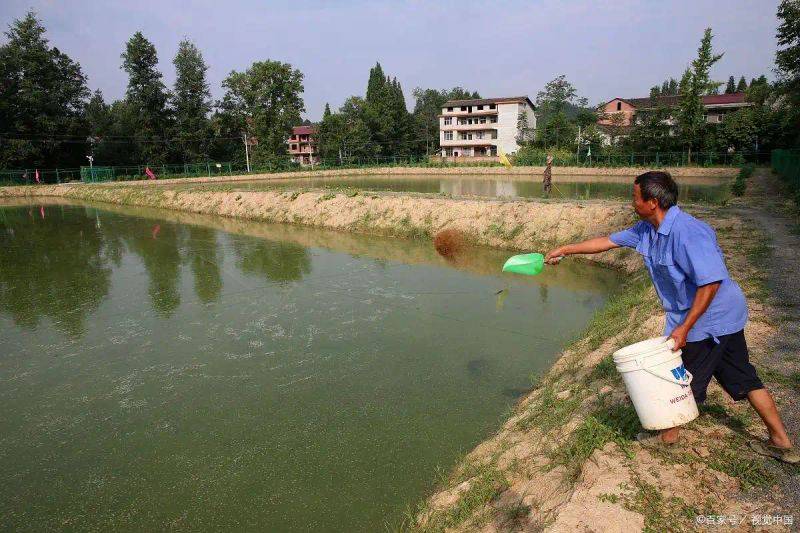
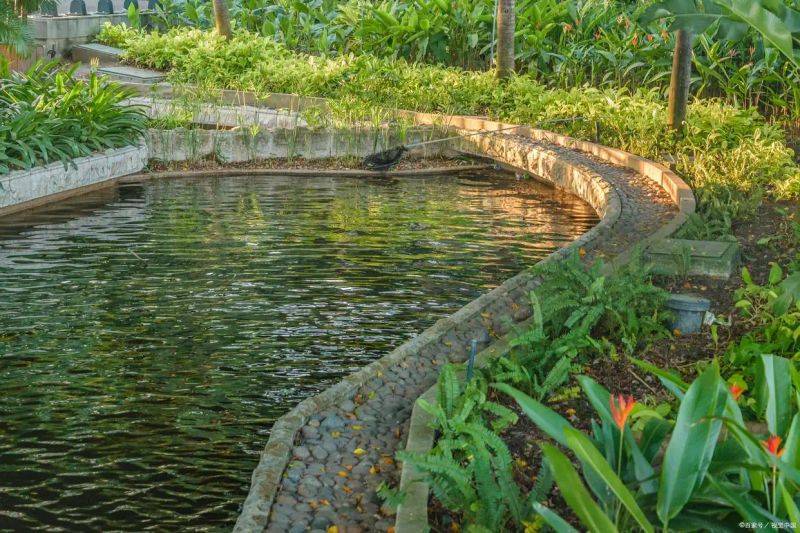
The selection of suitable pond sites is important. The size and shape of ponds are determined according to the size and type of fish to be farmed, taking into account factors such as land slope, water supply, drainage conditions, etc. At the same time, the ponds are designed rationally to keep their water quality clean and circular。
1. 2 water quality management
Maintaining good water quality is essential for fish farming in ponds. Monitoring and control of water quality parameters such as ph, dissolved oxygen, ammonia, nitrate, etc., periodically changing water and taking necessary treatment measures to maintain water quality stability。
Fish selection and conservation
2. 1 fish selection
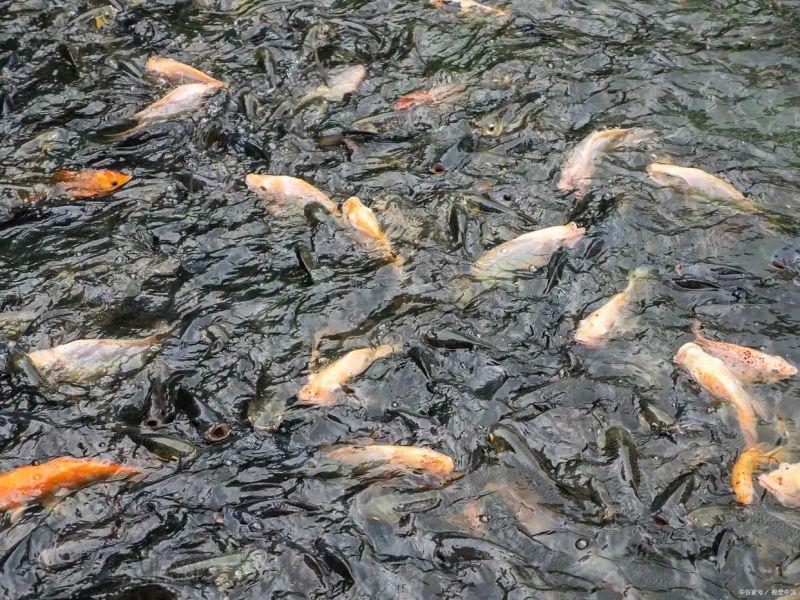
The selection of fish suitable for farming in ponds is based on local water conditions, market demand and own experience. Common fish species in ponds include mackerel, mackerel, grassfish, etc. Knowledge of fish characteristics, growth habits, resistance, etc., and selection of species according to their own circumstances。
2. 2 conservation management
Regular observation of fish behaviour, appetite and appearance, timely detection of anomalies and appropriate measures. Rationally controlling fish density, avoiding overfishing and over-feeding, maintaining environmental stability in ponds, and taking care to prevent natural enemy incursions and disease transmission。
Iii. Forage management
3. 1 feed species and formulations
Appropriate feed varieties and formulations are selected according to the nutritional needs of fish farming. Commercial or home-made feed can be chosen to ensure good quality and nutritional content to meet fish growth needs。
3. 2 maintenance management
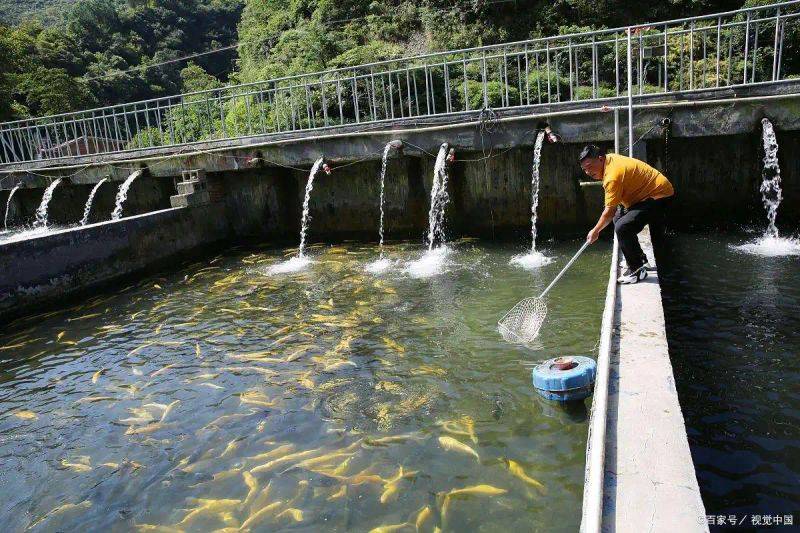
Sound feeding management is key to ensuring healthy fish growth and stable yields. Controlling feed delivery and feeding frequency to avoid over-feeding or lack of nutrition according to the appetite and growth needs of fish. At the same time, food intake and physical changes in fish are observed and the species and quantities of feed are adjusted in a timely manner。
Disease prevention and control
4. 1 disease prevention
Establishment of a scientific system for disease prevention and control, including periodic inspections of fish health, clean pond environment, provision of good water quality and feed. Attention to ways of preventing the spread of diseases, such as segregation of newly introduced fish, control density and avoidance of stress。
4. 2 common diseases and measures to combat them
Describe the diseases common to fish in ponds, such as bacterial infections, parasitic infections, etc., and elaborate on appropriate methods of combating them. For example, regular inspection and observation of fish behaviour and appearance, timely treatment and isolation of infected individuals and treatment with appropriate drugs。
Fish management techniques in ponds
5. 1 temperature control
Different species of fish have some temperature requirements, and keeping the right water temperature helps to promote their normal growth and reproduction. Regulate the water temperature of ponds in the light of fish preferences and growth needs, avoiding the impact of excessive or low temperatures on fish health and yields。
5. 2 water cycling and oxygen enhancement management
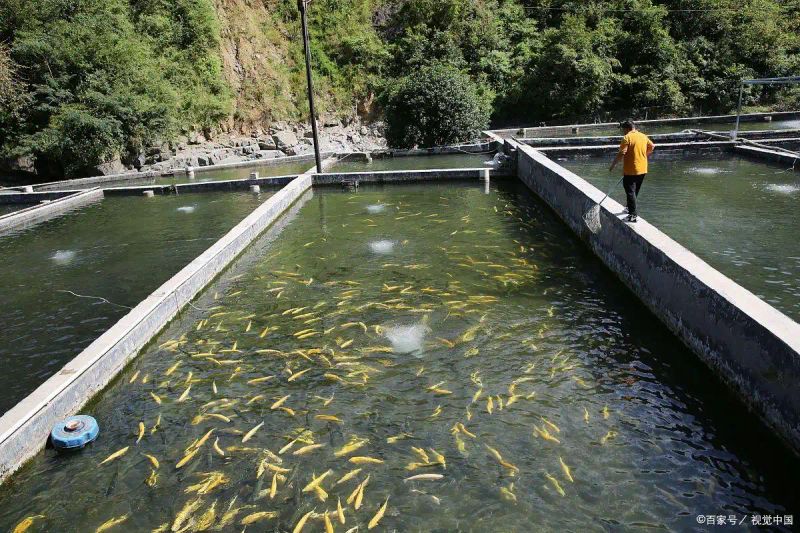
Clean and stable water quality is key to fish farming in ponds. Guarantee the flow of water bodies and the supply of oxygen through the establishment of appropriate water-quality cycling systems. Oxygen-enrichment equipment or water flow velocity can be used to increase dissolved oxygen content in water and to promote breathing and metabolism in fish。
5. 3 regular cleaning and maintenance
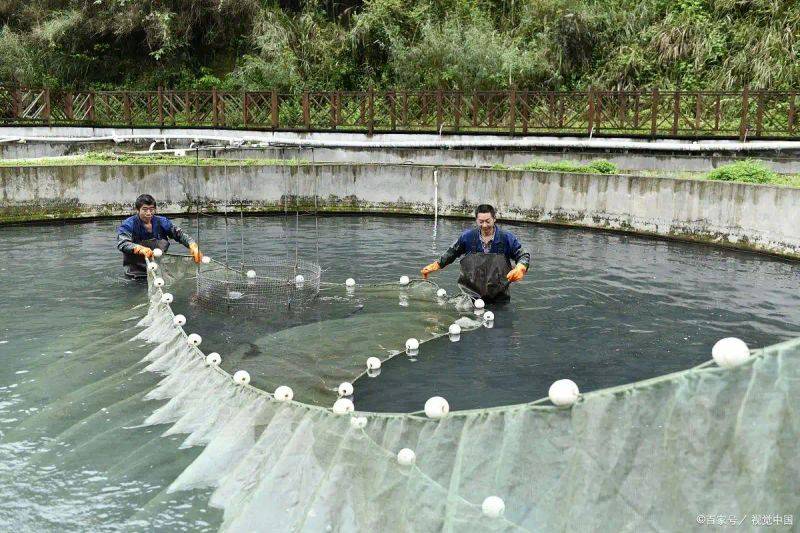
Regular cleaning of ponds and removal of phytoplankton, bottom mud and residues to keep water quality clean. At the same time, check and maintain the operation of the pond facility, repair the damaged parts and address in a timely manner issues that may affect the effects of farming。
Market prospects and business priorities
6. 1 market prospects
Describe trends and market needs in the pond fish industry and provide relevant market research data to help readers understand the potential advantages and opportunities of the pond fish industry。
6. 2 business highlights
Explore the scaleing of fish farms and the analysis of their benefits, including the selection and marketing of fish, the development of marketing channels and the safeguarding of product quality, to guide breeders to succeed in the fish industry。
The paper provides detailed information on key points to be taken into account in fish farming in ponds, which are explored in depth in areas such as preparation for farming, water quality management, fish selection and conservation, fodder management, disease prevention and control, and fish management techniques in ponds. Through sound operational and scientific management, readers can build a successful pond farm and achieve significant economic benefits in the pond fish industry. It is hoped that this paper will provide valuable references and guidance to fish lovers in ponds to help them achieve greater success in farming