Many of our friends now know how to write and how to read, but in reality they tend to pay more attention to the post than to the post and what to read. Because of the lack of posts, so-called exercises have become the writing of words on posts in their original books. It's a way of working。
Taking the right time to read the post every day will help us to do more than we can, slowly making it count. So how do we read the post? I suggest you start with the following three points:
One, read the pen
One for each painting。
In terms of pens, the writing of each painting consists of the beginning, the journey and the three parts. In the case of initials, there is a difference between twirl and twirl, a distinction between reverse and inflow。
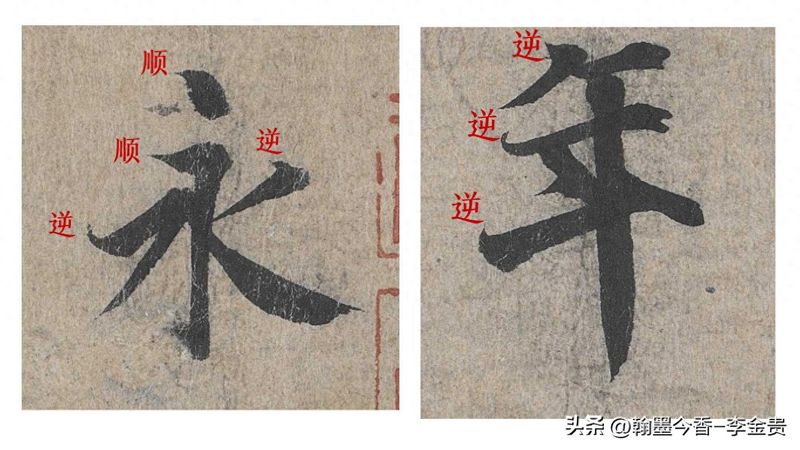
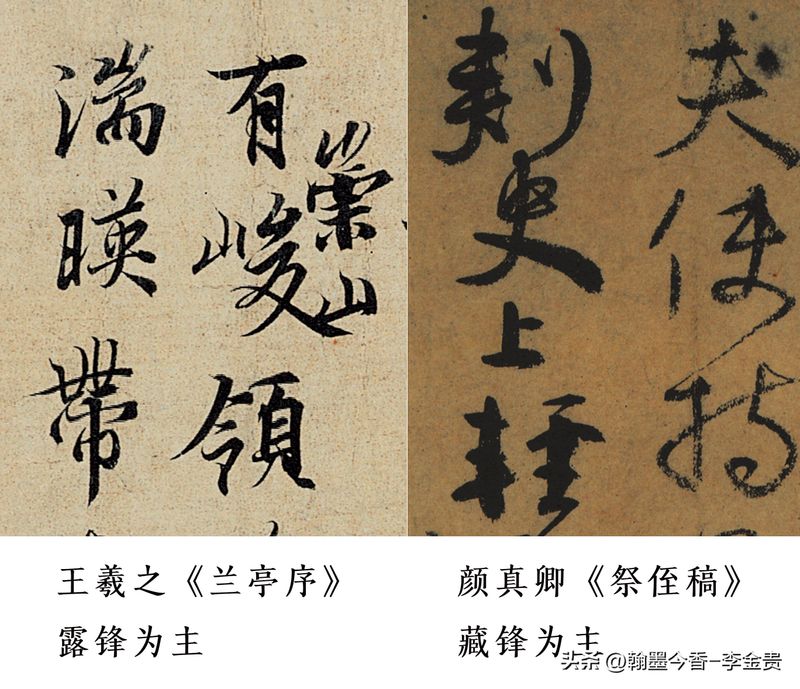
The approach to pening is based on the distinction between disease and incongruity, fold and twist. There are also differences between receipt and return, exit and hiding, such as the taking of pens in dilation, the hiding of pens in the drawings, while the pins generally pass out and the pens appear. It's the opposite of the first, but the first of the first. And then, the example of a multi-punishment folding, while the narrative of a book is more of a diversion, so on and so on, we have to observe and analyze it。
2 read the external form of the pen。
The external form of the drawings is mainly in the roughness of the drawings, the circle, the curve, the length, the angle, etc. For example, books are typically curve-oriented, with a pen in the middle. The book has a lot of swirling tails, which is the main form of its writing. Moreover, when there are more than one painting in a word, its length, angle and pen generally change。
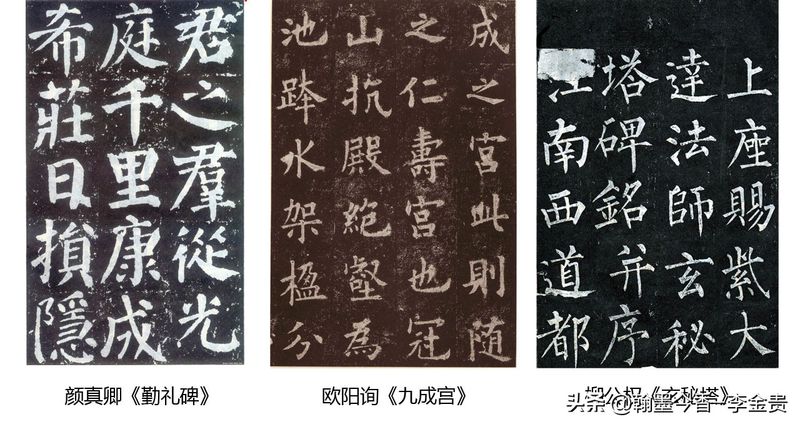
And for example, the fine changes in lines between o'leon and zhao are not so great, but they are often so thin and so heavy; the o'league uses a lot of pens, while yan'il expands it. And, for example, the example of the king and the example of the king tends to be low, while the example of wei is often low, etc。
When we read the posts, if we can carefully analyse and observe the external features of the drawings, you will be able to count and write more easily in the future。
Structure of reading
One, read the whole body of the chinese word。
Although the chinese word is square, it is by no means quadripartite, and it is also the quadripartite language that is the most taboo of the calligraphy. In the book of wang xian, it is said that if it is the same, it is the same, the same, the same, the same, the same。
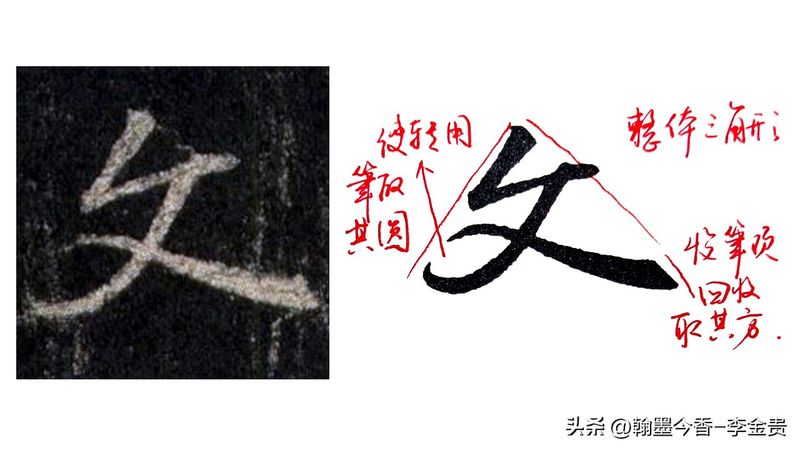
The overall external form of the chinese word is actually rich, such as the word “work, man” is a ladder, the word “large, man, husband” is essentially a triangle, the word “order, centre, zhu” is a diamond, and so on。
2 read the proportional relationship between structures and components。
There are many combinations in the chinese word, such as left and right structures, top and lower structures, right and left structures, upper and lower structures, for example, the right and left structures, and the horizontal direction of the two parts, which is which, and which is which, is which? The top-down structure analyses the vertical ratio, so on and so on。
3 read the erroneous relationship between the parts。
As we have said before, the hwang word is the most taboo, so the words on the right and the left and the middle-right are the words of the left and the right, and we are going to observe who is higher and who is lower and what is the wrong relationship between the right and the left。
Four, read and broadcast
Up and down. The words of the upper-middle-down structure, when we read the post, are to see which part is more wide in horizontal direction, which part is narrower, which part is called "flow" and the narrow part is called "receiving," which is the collection. Some complex words may also have multiple reception relationships。
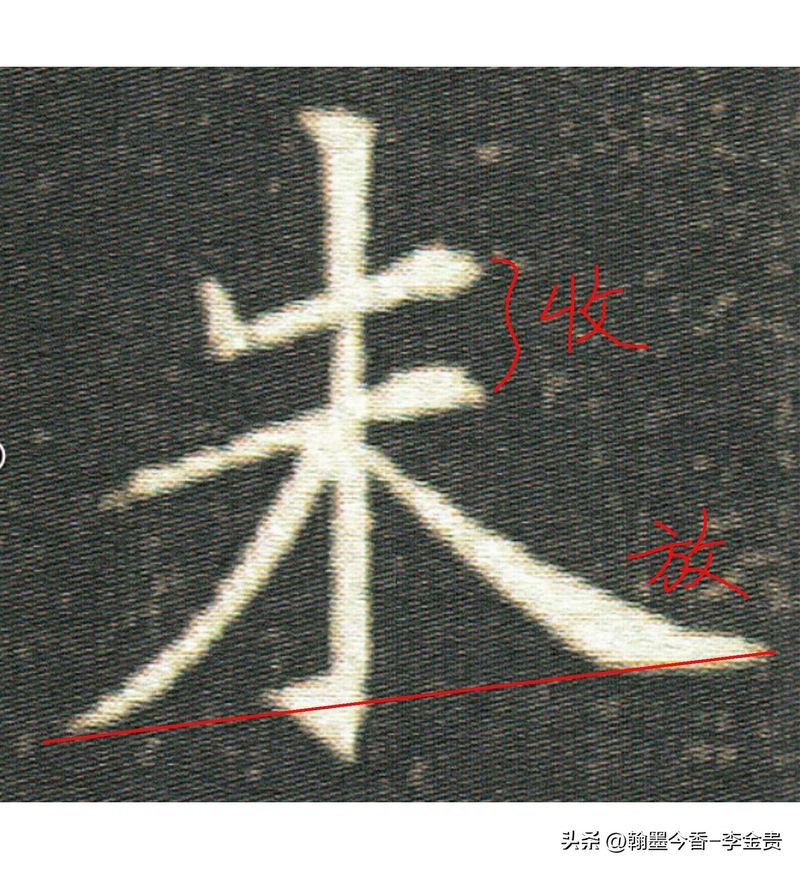
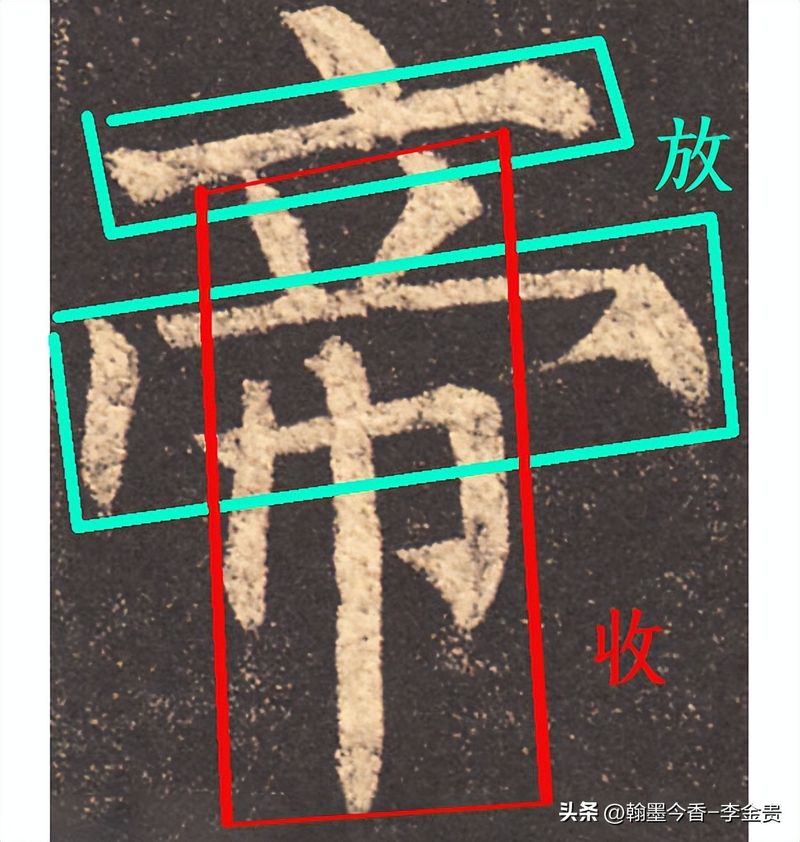
In addition, some monographs, especially long-wielded, slashed, splinted, etc., are often shown out, while others are relatively inward。
These are post analyses of some of the foundations of the structure, others are “difficult, white, lean” and so on, and can be studied in depth once they become familiar with them。
Three, read the book
1 the external form of the whole piece。
It's a page, it's a fight, it's a banner, it's a middle hall, it's a roll, it's a rag, it's a fan, and so on. Different forms of outside influence the overall layout of the law。
Two, read the layout。
Some of the works are close to the word and thinner than others, which is a relatively large chapter of traditional calligraphy, especially in the case of books, or in the case of minor examples。
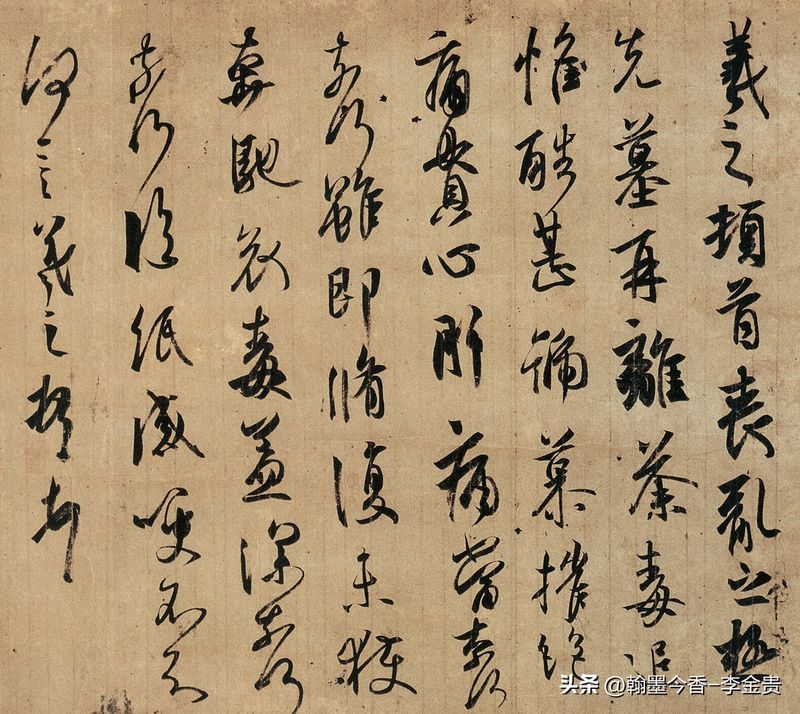
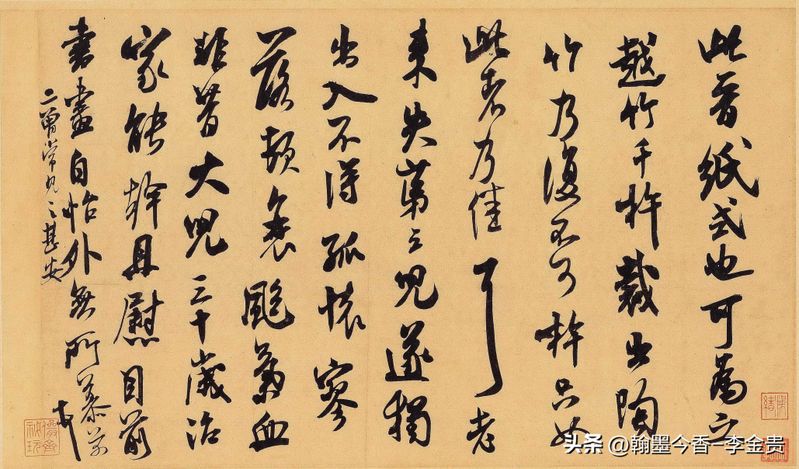
Some of the works are relatively short-worded, long-lined, and the whole style appears to be more obscurantistic, such as the five-generation curry-coloured monuments, and the qianchang's book. For example, the tablets tend to draw squares in advance, and the layout is more square。
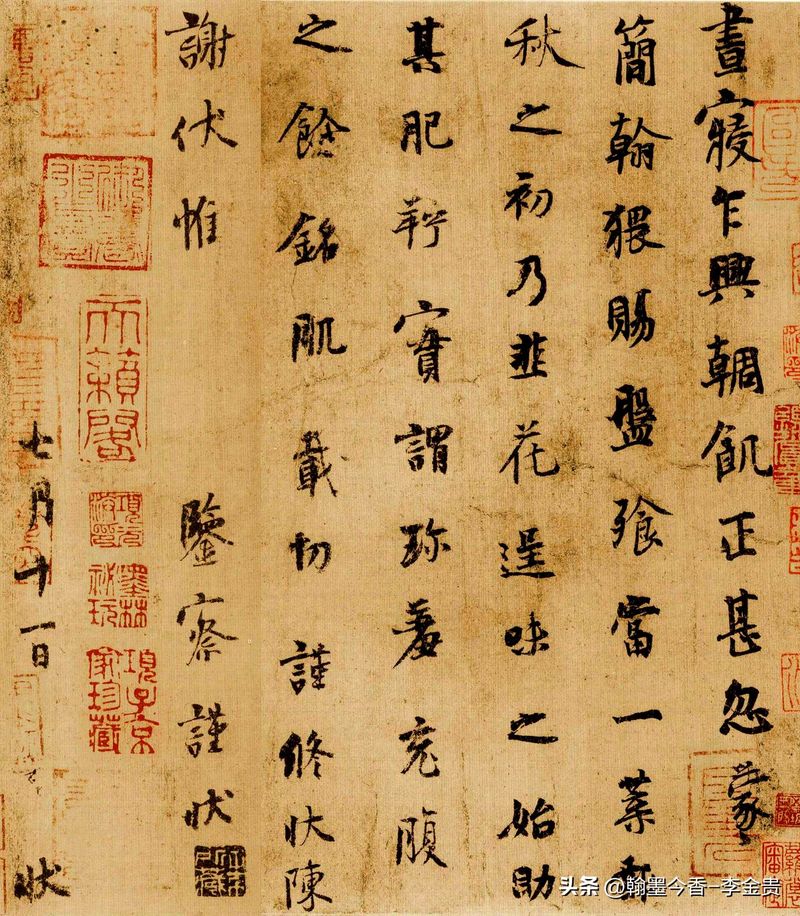
The concrete
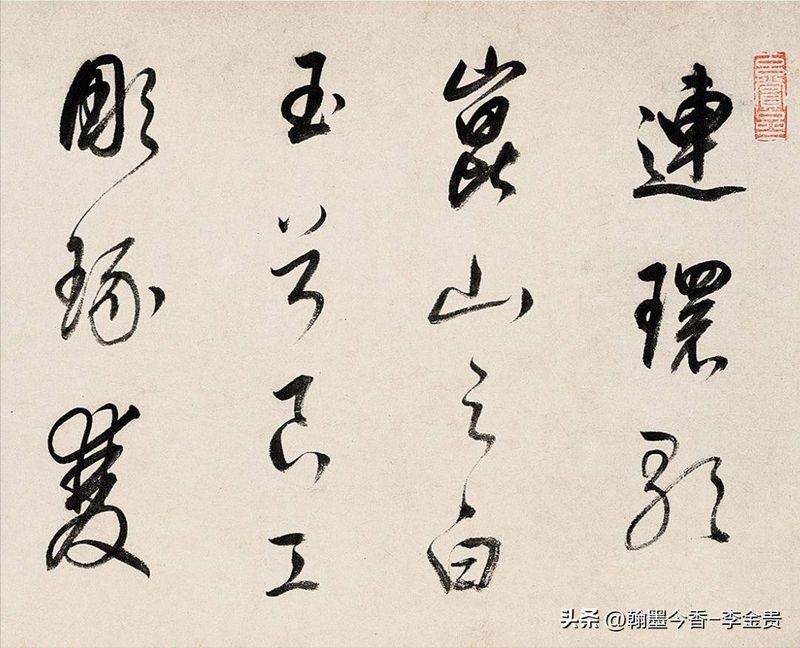
Three, read relationships。
Word-word relationship, line-line relationship. How do words and words respond to each other? Only when words and words respond to each other can they communicate. What's between a word and a word is a hyphen and what's a hyena。
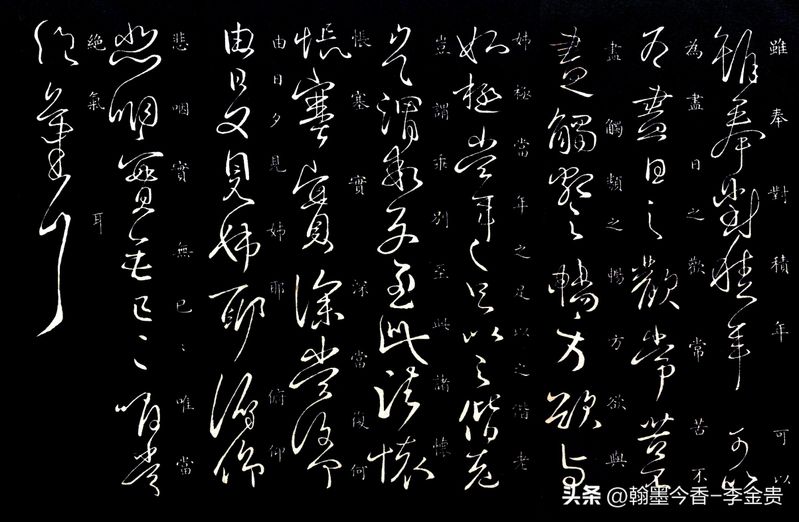
One word, it's the relationship around and around. What happens when the same words appear in a work, or when the same side head appears in a line。
A lot of books, often not written directly or directly, are written down, and the whole line may be tilted down, or each word may be leaned on the side, to see what the middle axis of each word is。
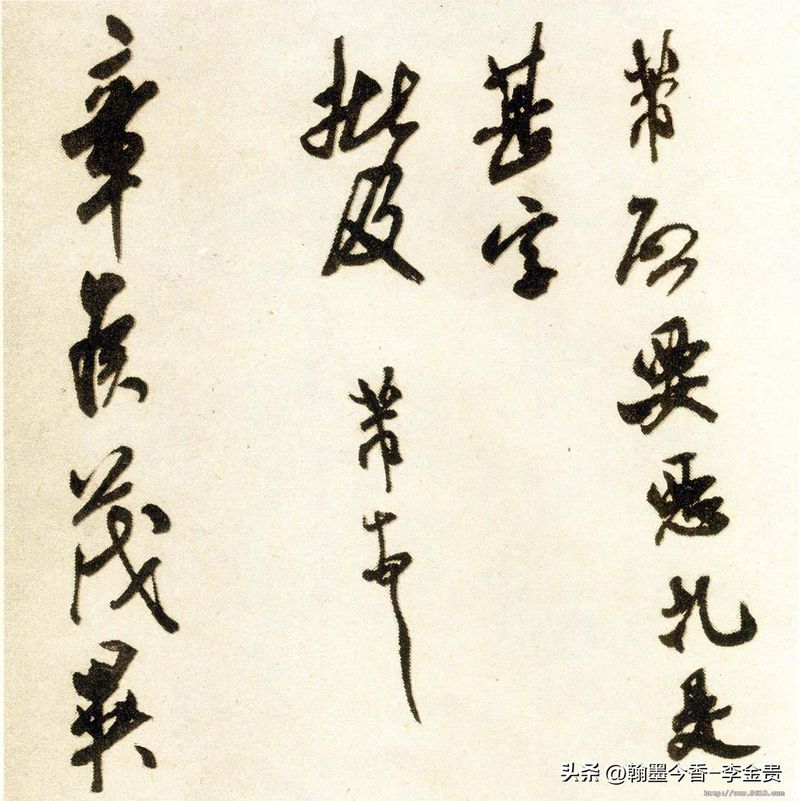
This can only be part of a reading post, but if you look more, think more, analyze more, and move one way or the other, you'll get something in the future。