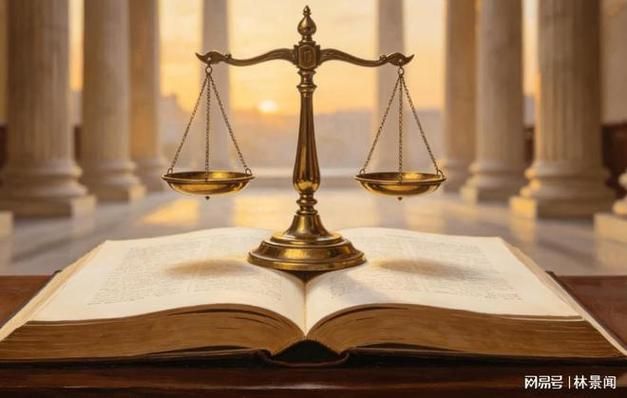
Most people know only that there is an ipr infringement and do not know what an ipr infringement is, let alone a rights defence. So here's what the law express has brought to you: intellectual property rights abuses? The knowledge about how to defend rights that have been violated. It is hoped that this will help you solve the problem and, of course, that you can consult the legal express。
I. What is an ipr infringement? Defence
Infringements of intellectual property refer to acts by which the perpetrator objectively infringes the property or personal rights of the intellectual property of others and is liable for civil liability. The violation is an abuse and deprivation of the labour of intellectual property creators and a corrosive agent that jeopardizes scientific and technological progress and cultural prosperity. In recent years, as a result of the growing awareness of intellectual property rights among all sectors of society, there has been a conscious effort not to infringe on the intellectual property rights of others。
Infringements of intellectual property generally include trademark infringement, patent infringement, and copyright infringement。
1. Administrative protection channels
(l) administrative protection of patent rights: the competent authority is the national intellectual property authority and the local intellectual property administration, which is responsible for the administrative regulation of patent disputes. Patent disputes include, inter alia, patent tort disputes, patent tenure disputes, etc. The conditions for receiving patent disputes by intellectual property authorities are as follows: the applicant must have a direct interest in the dispute and the dispute; the person must have a clear interest in the request; there are specific requirements and factual grounds; it falls within the jurisdiction of the intellectual property authority and the jurisdiction of the case before it; and the parties have not yet filed a complaint with the people's court。
(2) administrative protection of trademark rights: the competent authority is responsible for administrative penalties for violations of trademark rights in the county and above where the violation occurred。
(3) administrative protection of copyright: the competent authority is the national copyright office and the local copyright administration, which is responsible for administrative penalties for violations of copyright。
Access to justice
(1) determination of jurisdiction: depending on the nature of the case, the jurisdiction of the competent court and the people's court of the place of the tort or the people's court of the place of residence of the defendant respectively。
(2) conditions to be met for bringing an action for infringement of intellectual property rights: the plaintiff is a citizen, a legal person and other organizations having a direct interest in the case; there is a clear defendant; there are specific claims and facts, reasons; it is within the scope of the civil action before the people's court and subject to the jurisdiction of the people's court。
Elements of a tort in intellectual property
1. On illegality. This is an important constituent element of intellectual property rights violations, which, although many academics are studying whether unlawfulness should be an element of violation independently, at least in the area of intellectual property rights violations, is essential。
On the question of the fact (result) of damage. In the composition of the general doctrine of tort, whether in three, four or five, the fact of the injury is considered to be one of the constituent elements of a civil tort, but it has been argued by many scholars that in the composition of a tort of an intellectual property right, the fact of the tort (result) is no longer a necessary constituent element, which is also one of the differences between a tort of an intellectual property right and a tort in general。
On causation. This is a necessary element of the general tort doctrine for civil torts, but since some breaches of intellectual property rights do not require injurious consequences, the determination of causality is meaningful only if the infringement of intellectual property rights that has caused the effects of injury involves a large number of hours of responsibility for the infringer。
Concerning the subjective element. In the doctrine of tort described above, one of the elements that constitutes a general tort is the subjective fault of the perpetrator, but the existence of a tort in intellectual property is not a requirement for subjective fault. Article 63, paragraph 2, of our patent law and article 56, paragraph 3, of the trademark act establish liability for tort without fault. As can be seen from the above-mentioned legislative examples, even if the perpetrator is innocent, he or she is liable for the violation, except that his or her responsibility for the violation is lighter than that of the wrong perpetrator, who is often liable for damage in addition to the responsibility for the cessation of the violation, the destruction of the product, the elimination of the effects, etc。
Iii. What have been identified as intellectual property rights violations
1. The use, without authorization, of the same or similar trademarks, distinctive signs, patents, works and other creations in production, operation, advertising, propaganda, performances and other activities。
2. Counterfeiting, unauthorized manufacture of the same or similar trademarks, special signs or the sale of forged or unauthorized trademarks, special signs。
3. Disguised use of the same or similar trademarks, distinctive signs, patents, works and other creations。
4. The use, without authorization, of the same or similar trademarks, distinctive signs, patents, works and other creations in the names of enterprises, public associations, undertakings, private and non-enterprise establishments, domain names, geographical names, buildings, structures, places, etc。
5. Facilities such as premises, storage, transportation, mailing and concealment for violations。
6. Other violations of relevant national laws and regulations。