In 2016, china's domestic mobile phone market grew positively, with an increase of 8. 0 per cent from january to december 2016, according to data published by the china institute of information and communication. Of this total, 88. 9 per cent was exported from national production. It is a sign of the rapid growth of the brand of a mobile phone。
On the global market, domestic mobile phone manufacturers have also grown rapidly, and according to the 2016 brand smartphone export data published by the idc, china is exporting 139 million units, an increase of 30. 2 per cent over the same period; oppo is exporting 99. 4 million units, an increase of 132. 9 per cent over the same period; and vivo is exporting 77. 3 million, an increase of 103. 2 per cent over the same period. In addition, the officially published data show that in 2016 their smartphones were close to 20 million, an increase of 400 per cent over the same year; the himalayan official data also show that 22 million smartphones were delivered in 2016, an increase of 10 per cent over the same year。
As can be seen from this set of data above, there was a significant increase in the number of domestic mobile phone vendors in 2016. In addition to oppo, vivo, which has no external processing, the original designer of the mobile phone (odm) is responsible for the huge increase in the number of domestic mobile phone branders。
In the second half of 2016, there was considerable pressure on mobile phone branders to control the overall cost of the machine, owing to the shortage, price increases and higher domestic manufacturing costs and changes in the rmb exchange rate. In 2017, many of the above-mentioned incentives for cost growth remained and were further exacerbated, which also led to a wave of “high prices” in home-grown mobile phone brands at the beginning of the year. However, it is true that the price increase for end-to-end sales is much smaller than the increase in cost, which is also behind the efforts of odm producers。
As an important link in the mobile phone industry, odm producers have taken on a wide range of roles in product design, research and development, production, supply chain management and delivery, providing a complete product solution for mobile phone branders and effectively reducing competitive pressure on mobile phone branders。
In recent days, xeno published a study on the market for mobile phones in china in 2017, which analysed the situation in the mobile phone industry in china in 2016 and judged developments in 2017. Xeno believes that in 2017, chinese odm manufacturers will play a more important role in the global mobile market, with some increase in product development and volume。
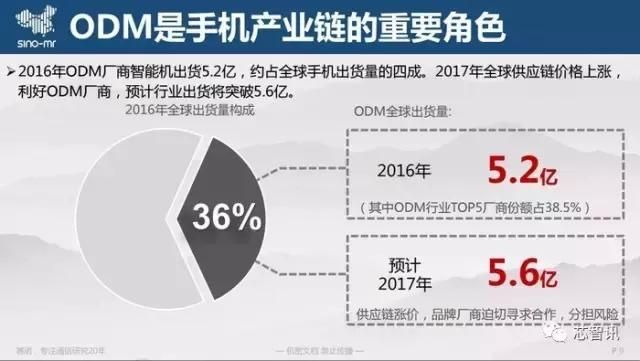
In 2016, oem manufacturers delivered 520 million smart phones, accounting for 36 per cent of global mobile phone deliveries. The increase in global supply chain prices in 2017, which would actually be beneficial to odm producers, would encourage more brand manufacturers to release their products to odm producers, which are better placed to control costs. Xeno predicts that odm deliveries will exceed 560 million by 2017。
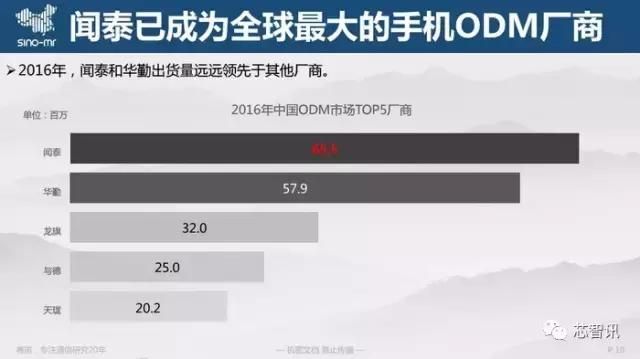
In 2016, the top five odm producers in the country, according to sino, were shao tai (65. 5 million), huaqin (57. 9 million), dragon flag (32 million), and te (25 million) and tianjin (2. 2 million)。
This is supplemented by data from another research institute, ish, which showed that the first five of the domestic smartphone idh/odm deliveries in 2016 were: shao tai (65. 5 million), huaqin (60. 1 million), and teen (25. 4 million), dragon flag (24. 5 million) and tianjin (19. 4 million)。
As can be seen, there are still significant differences in the statistics of the two research institutions on the delivery of the flag. According to zeno’s information, the report should have counted the red minote 3/4 shipment to the dragon flag, but the two mobile phones were mainly self-developed by mi, and the dragon flag was only used to support research and development, and some of them were produced. And other data show that last year the overall output of the flag should have been down. In contrast, germany grew very rapidly in the second half of last year. Taken together, last year's shipment with germany should be slightly higher than the flag。
I. Sharing tate
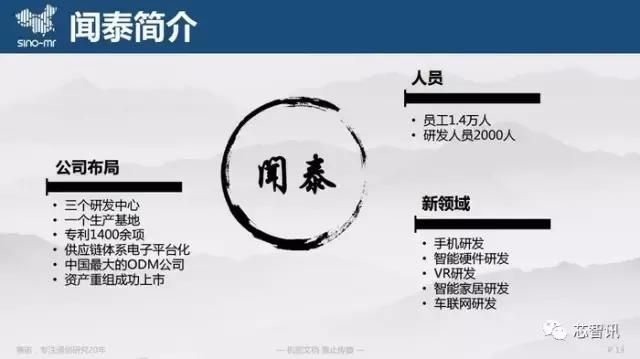
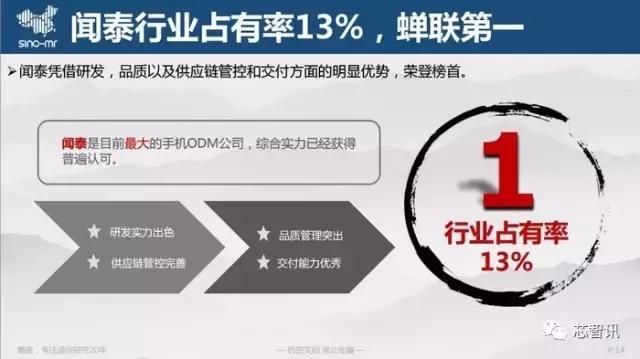
Tatai is currently the largest mobile phone, odm, with 13 per cent industry ownership。
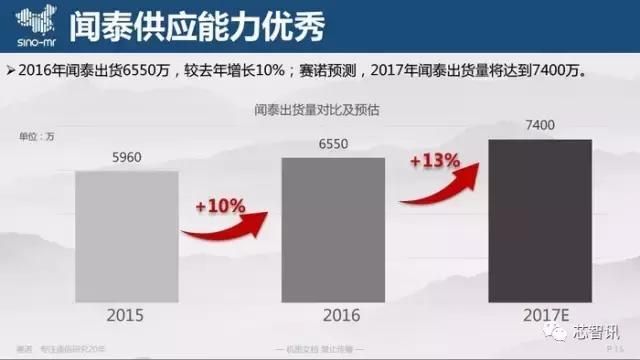
Xeno projected a 13 per cent increase in the volume of thai exports in 2017, reaching 74 million。
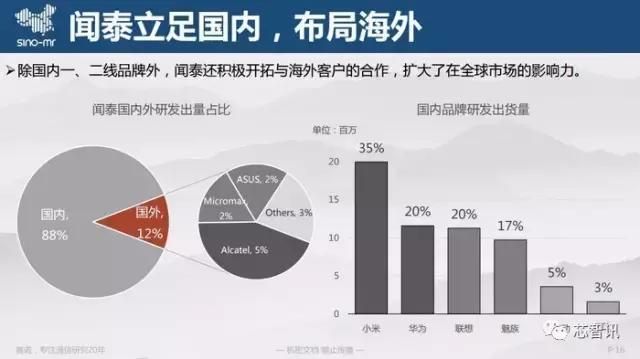
Eighty-eight per cent of thailand's deliveries were in the country, with the main customers being mi (35 per cent), hua (20 per cent), the hirau (17 per cent), china's movement (5 per cent) and tcl (3 per cent). The proportion of overseas deliveries was 12 per cent, with alcatel (5 per cent), huae (2 per cent) and micromax (2 per cent) being the main clients。
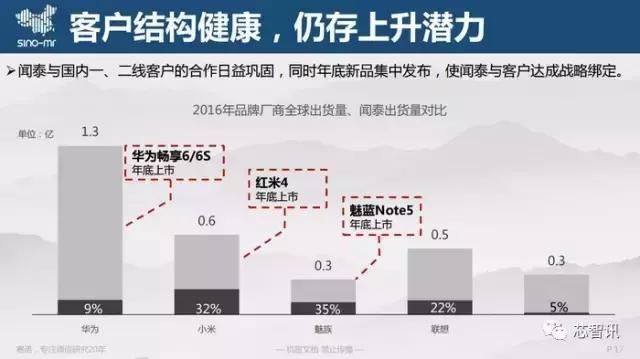
As can be seen, chinese mobile phones are designed for 9 per cent of the total output, 32 per cent of the millet, 35 per cent of the himalayas, 22 per cent of the association, and 5 per cent of the tcl. The higher the ratio means that thai cooperation with brand clients is about to be solid。
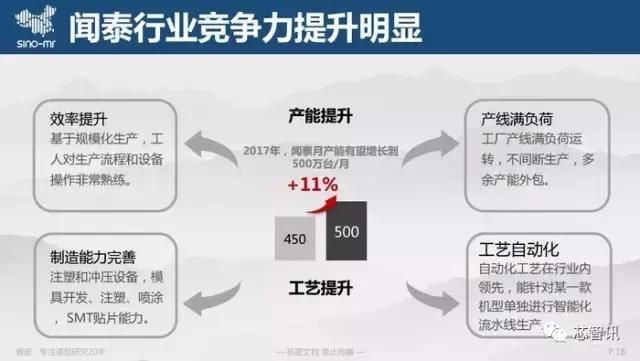
With increased efficiency, improved manufacturing capacity and automation of production lines, it is expected that the monthly capacity of smelling thailand will increase from 4. 5 million to 5 million in 2017, when the production line is running at full capacity。
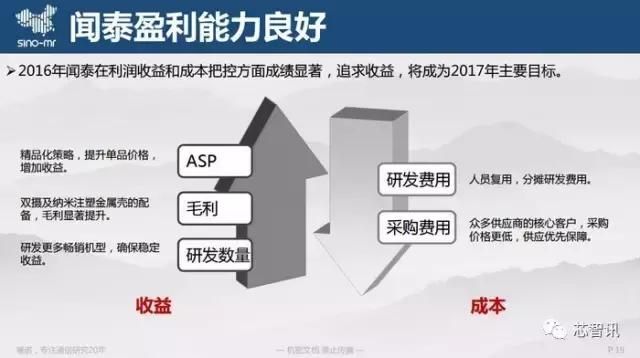
In general, odm producers are low in terms of their gross domestic product (GDP) and rely mainly on volume, and their annual reports are still used to capture the specific profitability of thailand. According to the 2016 performance forecast previously issued by the sino-chinese shares, sintac was included in the company's consolidated statements in 2016 and, based on preliminary financial estimates, the net profit realized by sintac in 2016 was approximately $325-330 million。
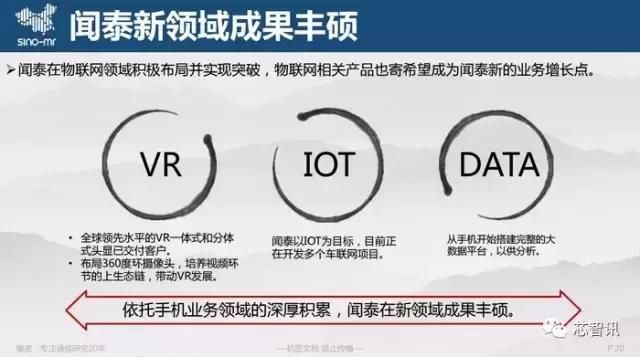
In addition to mobile phone operations, the smelling thailand has been structured in areas such as vr, iot, big data, and is expected to become a new growth point for thailand。
China
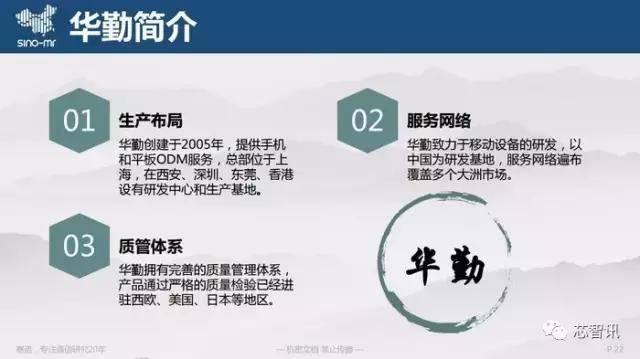
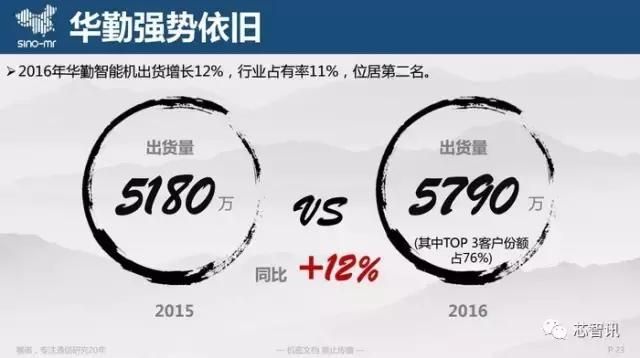
As the country's second-largest odm manufacturer, chinese smartphone deliveries grew by 12 per cent in 2016, with an industrial occupancy rate of 11 per cent, with the top three clients accounting for 76 per cent of orders。
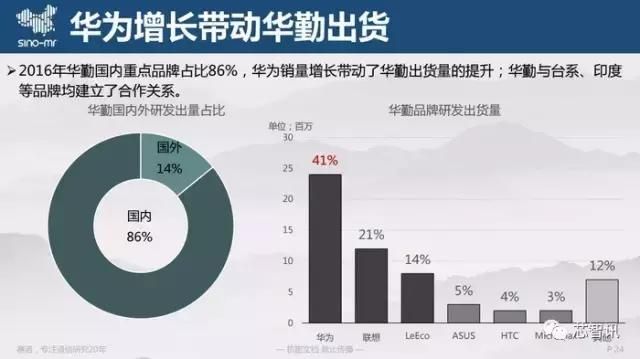
Eighty-six per cent of chinese deliveries were domestic and 14 per cent abroad. The largest clients were china, which accounted for 41 per cent, followed by association (21 per cent), joy (14 per cent), hua zhuo (5 per cent), htc (4 per cent) and micromax (3 per cent)。
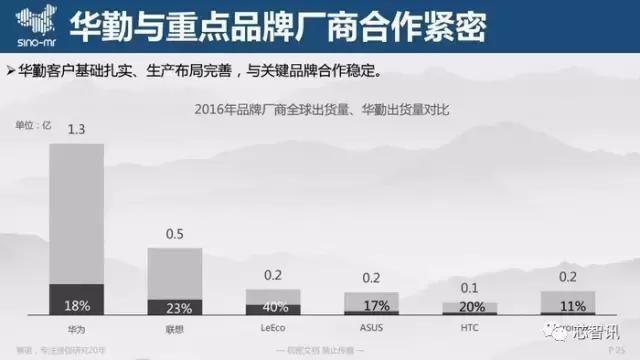
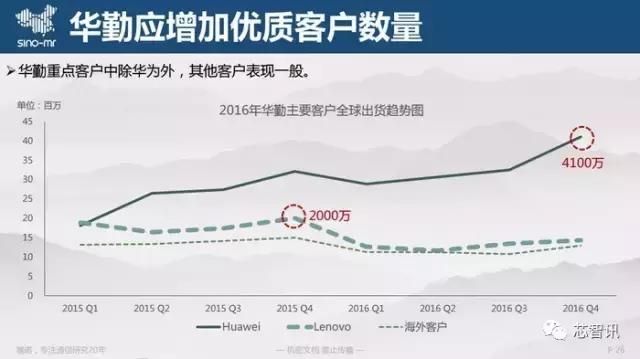
From this chart, combined with this year's output, it is not difficult to see that the growth of china during the past year was driven mainly by the growth of its largest client, china, whose second largest customer association wants to see the year-round drop, so it has not played a catalytic role. Other clients also performed fairly well (the increase in exports over the last year was encouraging, but not in total)。
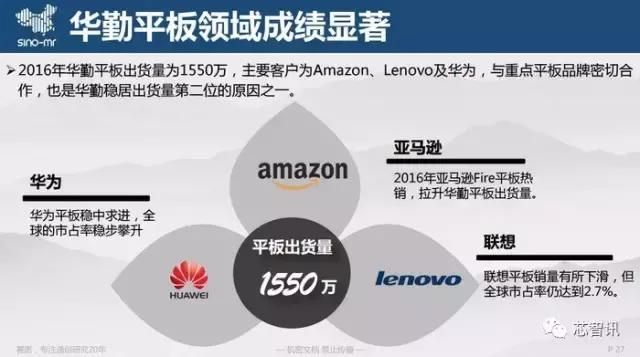
It is worth mentioning that china is doing well in the tablet odm market, with 1. 5 million deliveries last year, with major clients including the leading producers of chinese, amazonian, and world cup, among others。
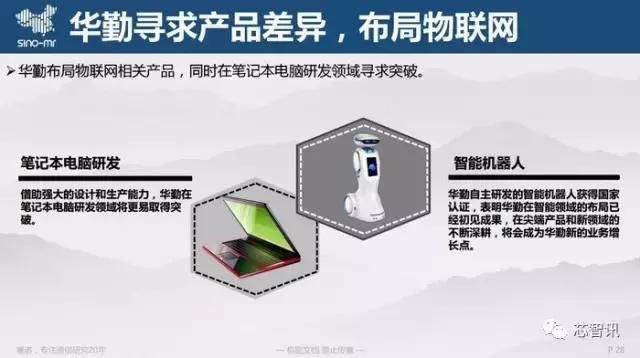
In addition to mobile phone operations and the tablets mentioned earlier, wigand also has layouts in the areas of laptop computers, physical networking and intelligent robots. The overall business structure is still different from other odm mobile phone manufacturers。
Dragon flag 3
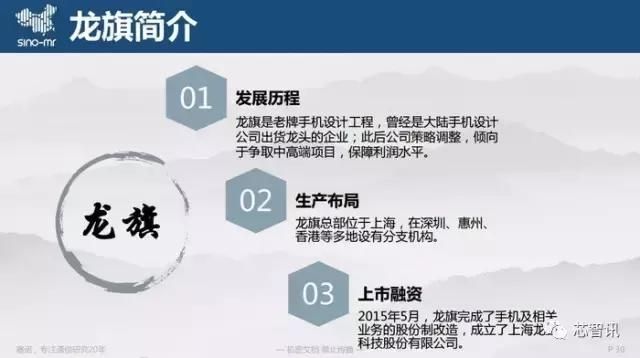
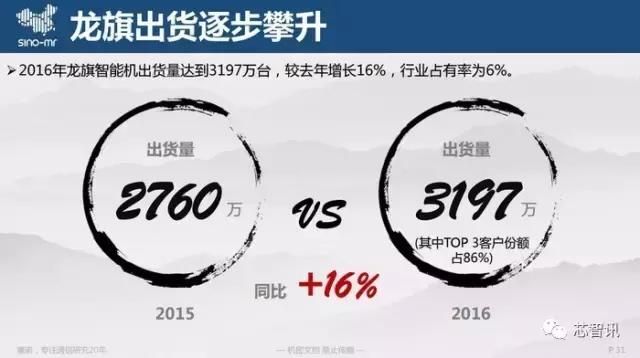
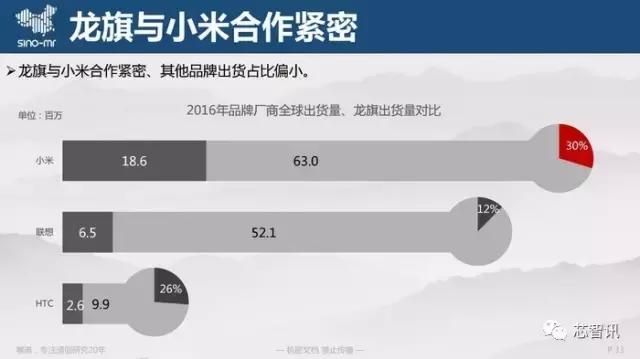
In 2016, according to the seno data, the number of smartphones delivered by the flag reached 3. 197 million, an increase of 16 per cent over 2015, with an industry occupancy rate of 6 per cent。
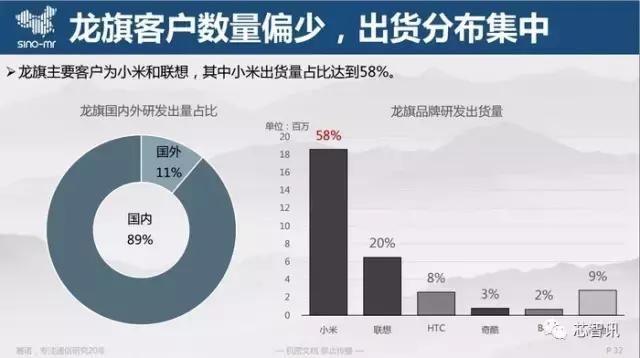
Eighty-nine per cent of the shipments of the flag are domestic and 11 per cent abroad. The largest client was millet, accounting for up to 58 per cent; the second largest customer was conspiratorial, accounting for 20 per cent. In addition, the share of clients such as htc (8 per cent), chico (3 per cent) and bq (2 per cent) is small。
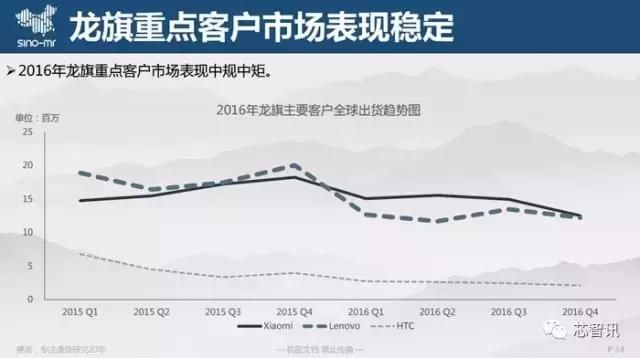
It is clear from the data above that the shipment of the dragon flag is mainly based on millet and conglomerate, but the problem is that last year both rice and conglomerate were down, so how did the 16 per cent increase in the flag come from? As a result, it has been mentioned earlier that there is some controversy over the volume data of the flag。
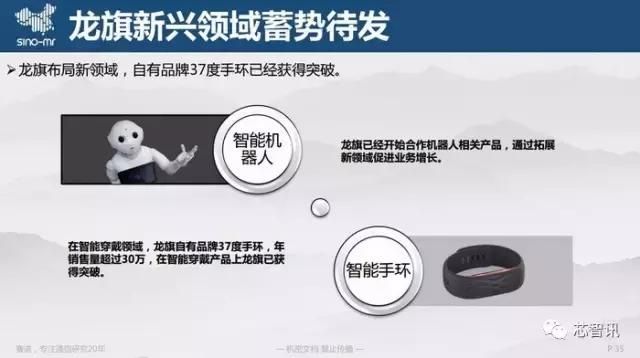
In addition to the mobile phone odm business, the flag has a layout in the area of smart robots, and in this section of the smart bracelet, the flag has its own brand of “37 degrees”, which last year delivered over 300,000。
Germany
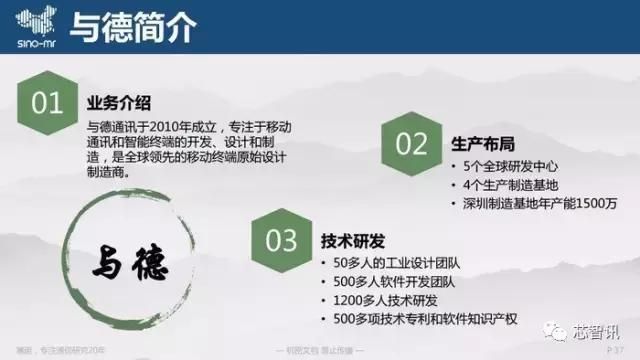
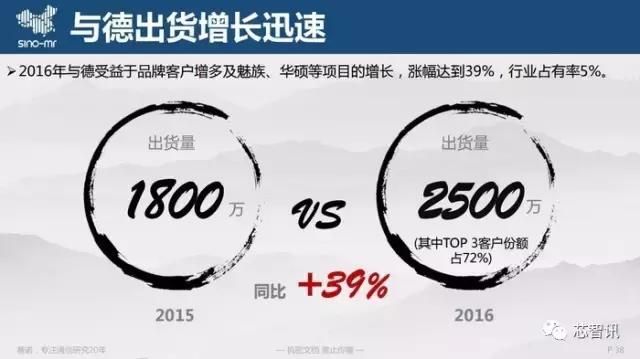
In 2016, several new clients were taken over with deutsche, while the delivery of projects with the makkah and huatsu increased significantly, leading to an overall increase of 39 per cent and 25 million deliveries in 2016, with an industry ownership rate of 5 per cent。
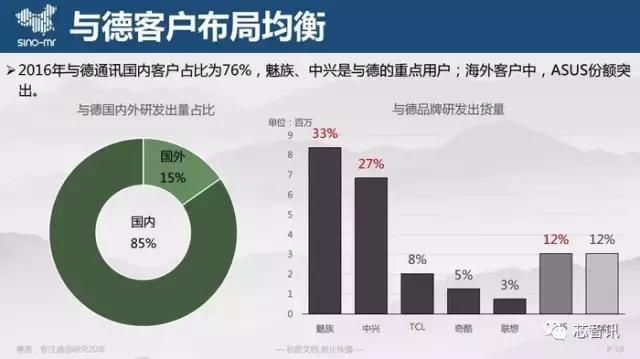
Eighty-five per cent of deliveries with germany were domestic and 15 per cent abroad. The main clients are the mayu (33 per cent), chin-hing (27 per cent), tcl (8 per cent), chico (5 per cent, now all of which are 360), congenital (3 per cent), hua-seok (12 per cent), etc. In terms of its client structure and ratio, it is more balanced than other odm producers。
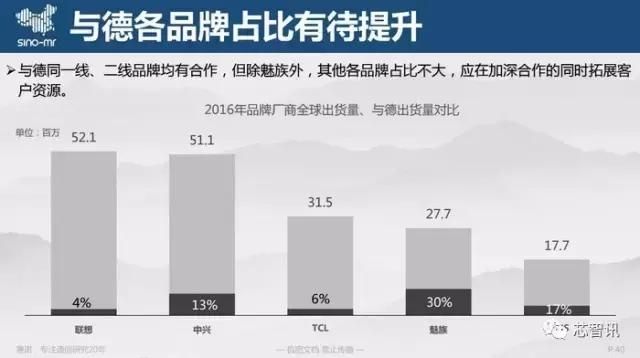
Apart from the relatively high share of shipments from the himalites as a whole, the share of deliveries from other cooperating brand customers with germany is not high, although it also means that there is considerable room for growth after further intensive cooperation with clients。
Five
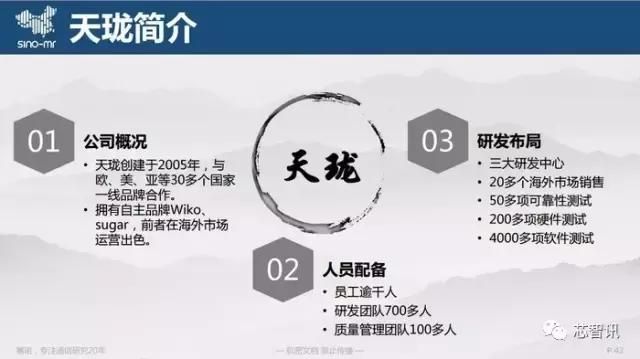
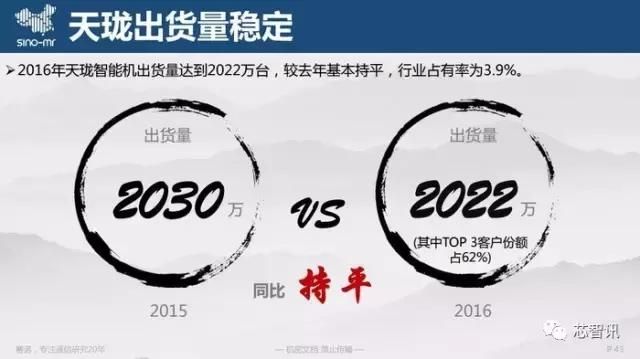
In 2016, the number of smartphones delivered by tianjin was 2. 02 million, which is almost the same as in 2015, with an industry occupancy rate of 3. 9 per cent。
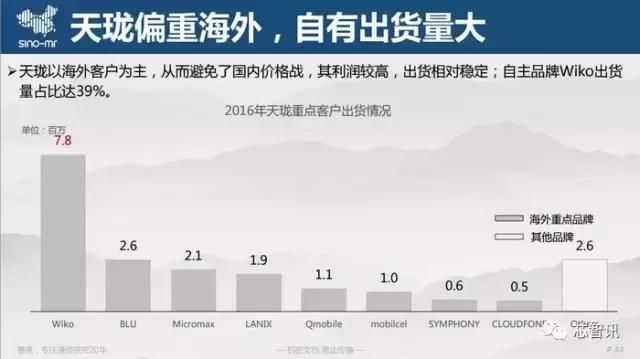
Unlike the top four odm producers, tianjin's customer base is dominated by overseas customers, which also avoids a fierce price war in the domestic market. It also has two brands in europe, wiko and sugar (currently entering the domestic market). Of these, its own brand, wiko, delivered 7. 8 million units last year, representing 39 per cent of its total volume. In general, tianjin's output is more stable and profitable than other odm producers。
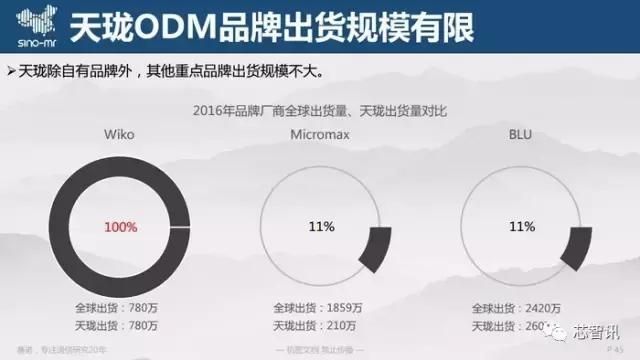
Blu and micromax are its main customers, with the exception of wiko, the home brand, which has the largest volume of deliveries, but both have a smaller share。
Odm consolidated comparison
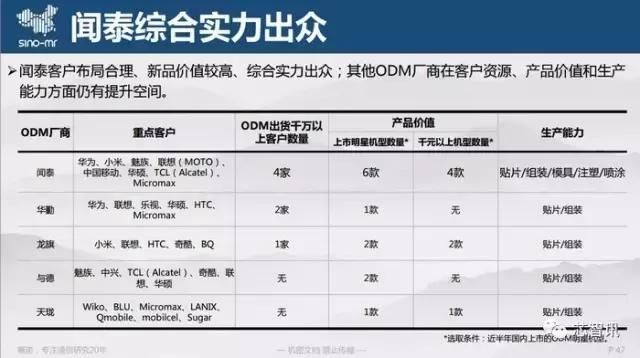
The combined power of thailand is undoubtedly the strongest when compared to multiple indicators such as the number of brand customers, the number of millions of listed customers from odm, the value of products (number of listed stars, number of thousands of machine types above) and production capacity。