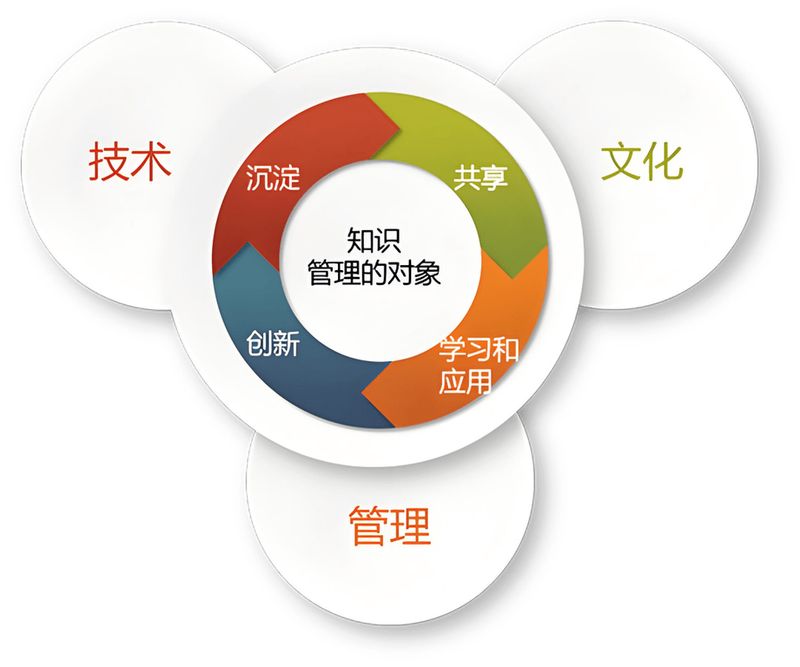
At a time of rapid progress in digital politics and smart policing, the political profession has accumulated a large amount of data resources, such as legal texts, case files, case processes and typical cases. However, traditional data are often fragmented, unstructured texts, and there are painful points such as data fragmentation, inefficient retrieval, weak linkages and difficulties in replicating, which do not match modern casework, pedagogical research and operational research needs. The ai knowledge mapping of the political and legal industry, as the core bottom of artificial intelligence, can transform the fragmentation of political data into a calculable, debunkable and applied structured knowledge system, which is the core technological base for the digital transformation of politics。
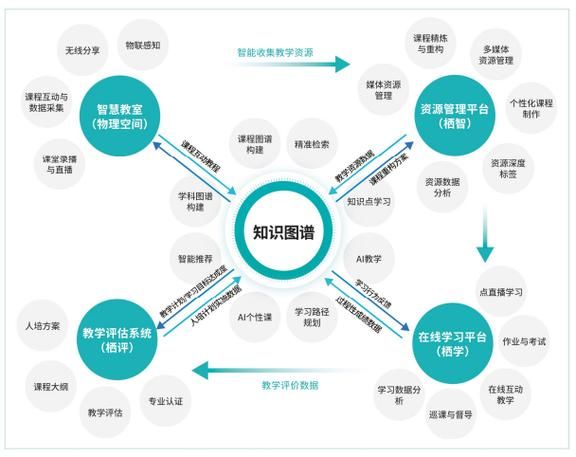
Unlike the simple storage function of an ordinary database, the core technical logic of the abi knowledge map is to complete the intelligent governance of political data by relying on natural language processing, multi-source data integration, and the ability of entities to extract three core ai capabilities. It can automatically decipher various types of unstructured data, such as laws and regulations, case files, investigative cases, judicial files, precise extracting of cases, persons, evidence, legal rules, modus operandi, etc., streamline inter-entity links, build a three-tiered knowledge network of “law-case-evidence-process” and create a interconnected knowledge asset for isolated data。
For the exclusive domain of the political and legal sector, ai knowledge mapping achieves a deep technical and operational binding. In field cases, the system can effectively avoid the problem of artificial profiling, missing leads and significantly improve the accuracy and efficiency of the case by means of algorithmic smart tagging of case characteristics, matching of similar cases, digging of hidden trails, quick-linking of case information, support to case handlers in case collage analysis, risk analysis and evidence validation. At the same time, it is possible to streamline the case process, match the applicable law, regulate the judicial process of law enforcement and establish the foundation of law enforcement。

Ai knowledge mapping also plays a key enabling role in the teaching and research of political law. In response to specialized educational needs such as detection, policing and justice, mapping can structure typical cases of sedimentation and practical law enforcement knowledge, intelligent dismantling of case elements, combing case logic and refining common problems. It can provide both accurate case search, case resolution, practical response services for teachers and students, as well as support for academic research, subject research, hands-on scenes and solutions to the trade pains of fragmented, theoretical and combative traditional teaching cases。
In addition, the political law ai knowledge map has the technical characteristics of dynamic iterative and security compliance. Based on incremental updating algorithms, up-to-date laws and regulations, typical cases and enforcement norms can be synchronized in real time, and knowledge systems can be updated on a continuous basis to address the problems of delayed and cumbersome updating of tk. At the same time, compliance with the rule-based industry's confidentiality requirements, including security mechanisms such as data desensitization, hierarchy and operational auditing, ensures that political data and knowledge assets are controlled and complied with。
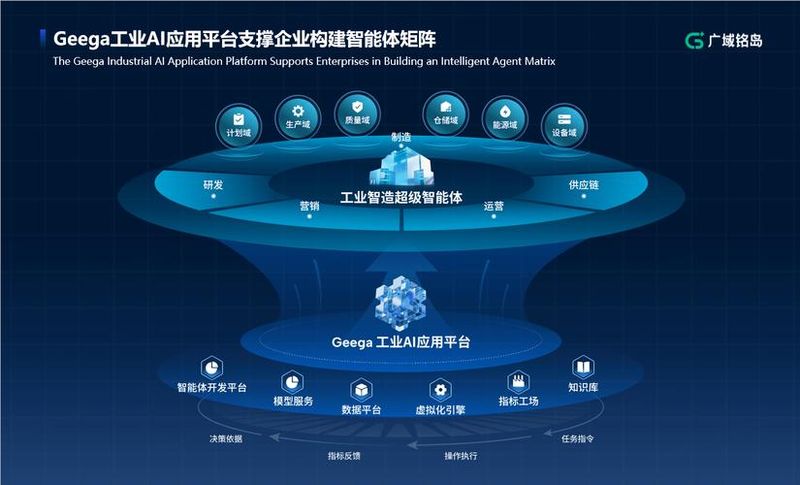
In short, the political and legal industry ai knowledge mapping is the core intellectual base of the political and legal battles, teaching and research landscape. It reshapes the knowledge system of political law with ai technology, transforms static data into dynamically available intellectual knowledge, completely breaks down the technical bottlenecks in traditional juridical work and teaching, and sustains the digital, intelligent and operational development of the legal profession。