In landscape design, fish pools are often the visual focus and the soul of space. A clear-spirited pool can both revere the sky and feed the fish greens and breathe life into the garden。
But for most landscape designers, fish pools and filtration systems are designed to be like "the reef" — we know plant configurations, hard-flooring and space construction, but we often stick together on water clarity, fish survival indicators. This paper will combine years of practical experience, from the core logic of the fish pool design, construction process to the filtering system, to dismantle the complete solution of the “visible view, clear and clear”。
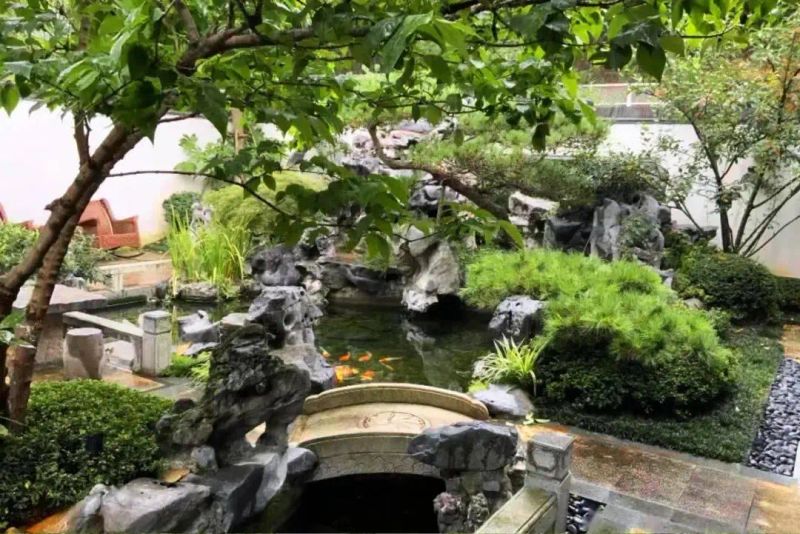
Landscape fish ponds
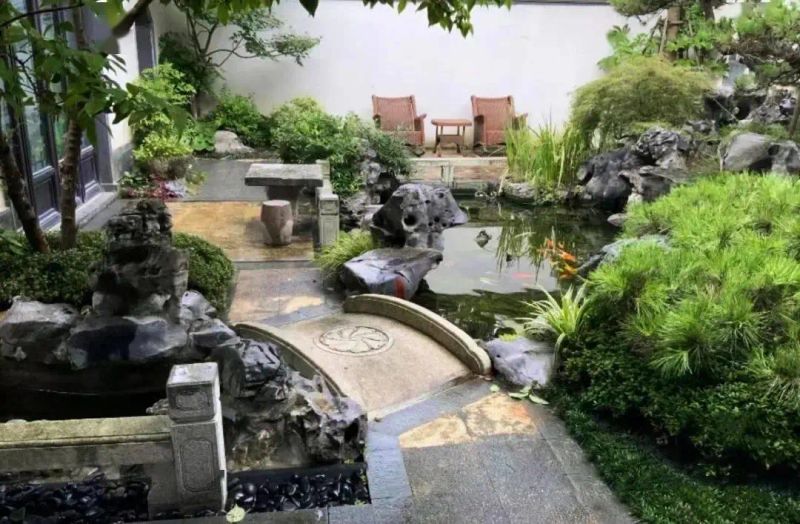
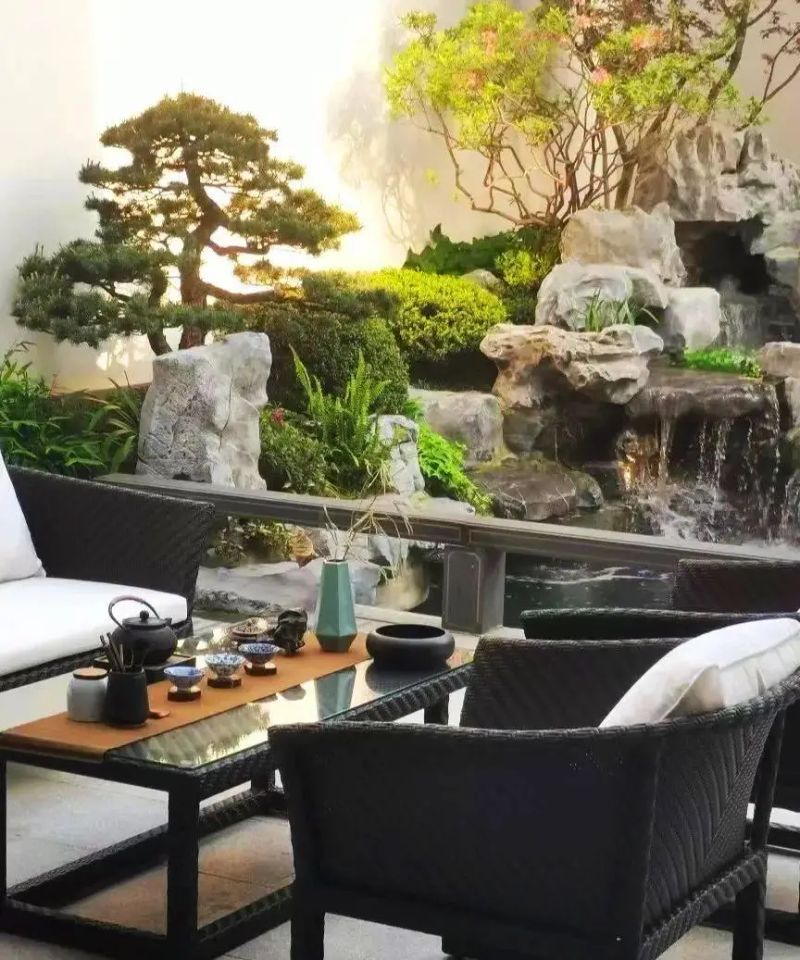
Fish pool design: balance between aesthetics and ecology
Fish ponds are designed to be more than simple pond reservoirs, a combination of landscape aesthetics, hydrological patterns and aquatic ecology. The design of a scientific fish pool requires the planting of “vail pens” for later water quality maintenance at the programme stage。
Siteing is the first step in the design of fish pools and the most vulnerable and critical link to neglect. Ideally, fish pools should be located in areas in courtyards where there is sufficient light and no high tree cover - direct light for at least four to six hours a day, both to ensure the photocosm of aquatic plants and to inhibit the growth of harmful strains by natural regulation of water temperature. But there is a need to avoid the underside of large wood, otherwise leaves and branches will become a “night dream” of a filter system, which may require an additional 30% of maintenance costs per fall. In a villa project, two to three leaves per week were cleared during the season because the fish ponds were close to the old sorghum trees, and three years later the bottom silt had to be drained and rebuilt because of the pile of rotting leaves。
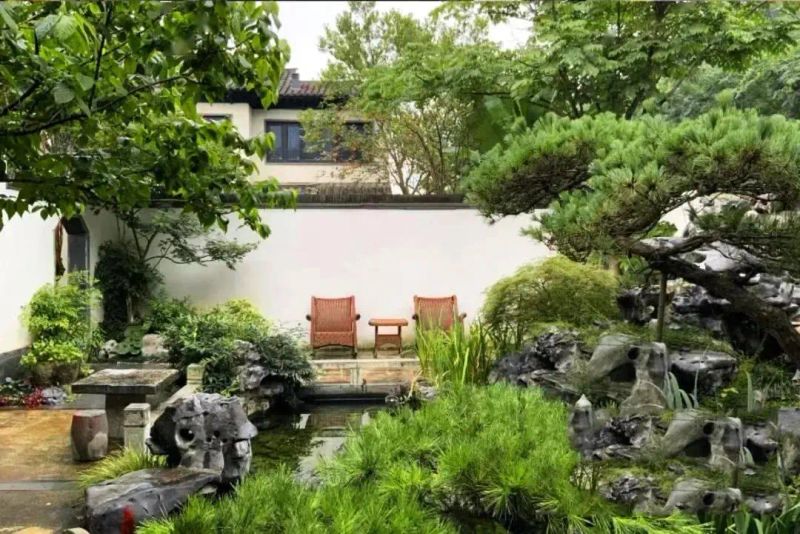
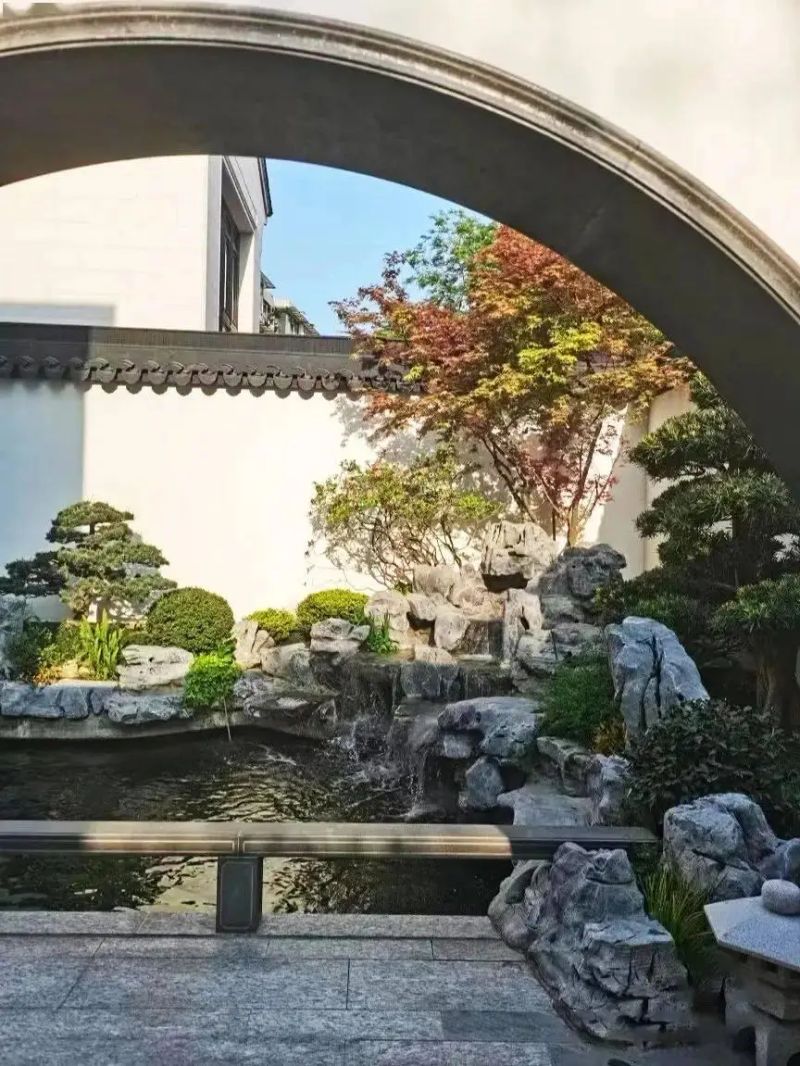
Fish pool morphology needs to be designed in such a way as to balance landscape harmony with water flow legitimacy. Natural fish pools should use irregular contours, with marginal lines imitating natural transitions from stream lakes, which are consistent with landscape aesthetics and reduce water flow arcs, while conventional fish pools need to be arc-shaped at the corner to avoid the formation of water flow stagnation areas in the straight-angle areas。
The water depth is designed with a strict “safety threshold” — an average water depth of 1. 2-1. 5 m recommended for fish pools in adult activity areas, which avoids a dissolved oxygen deficiency due to excessive summer water temperatures and provides safe winter environments for fish (the water body below 1. 2 m in most parts of the country will not be completely frozen during the winter); in shallow water areas near children's areas of activity, the water depth will need to be contained within 0. 5 m, with safety safeguards。
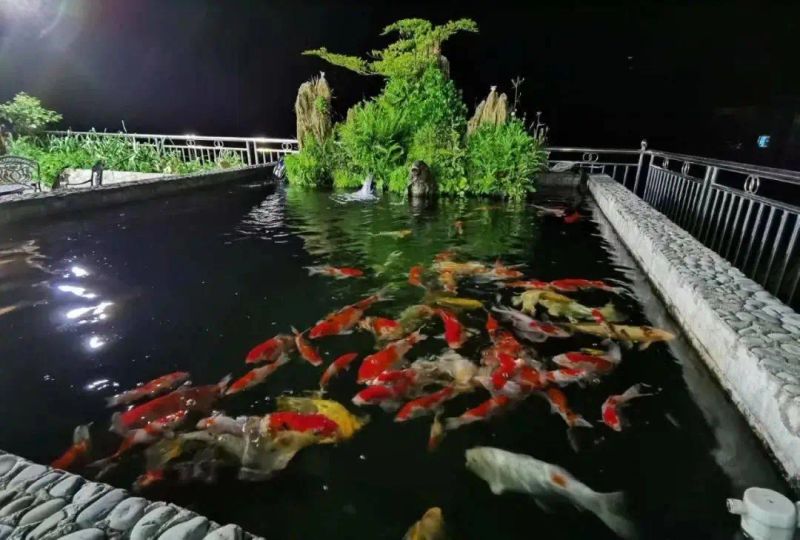
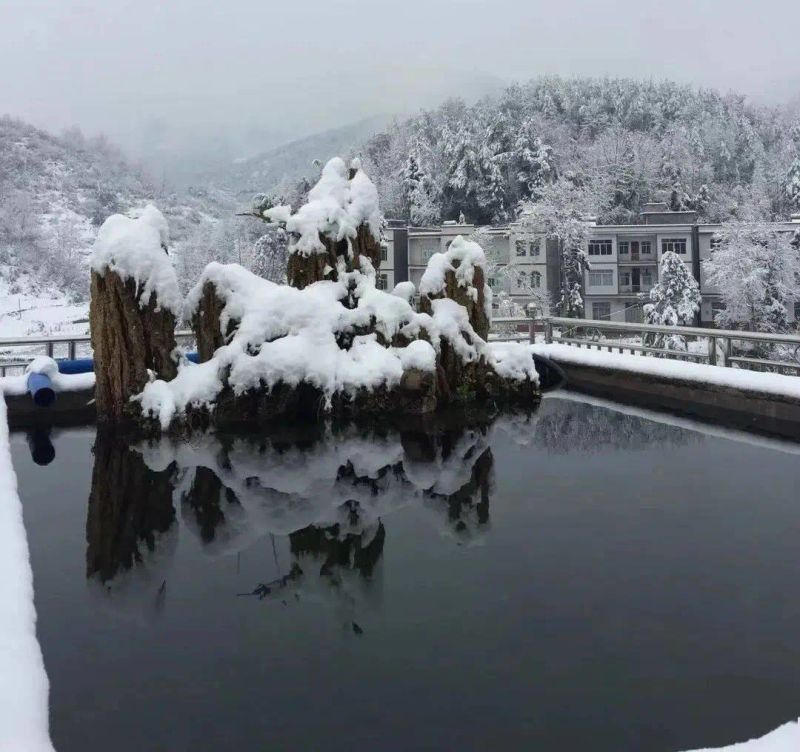
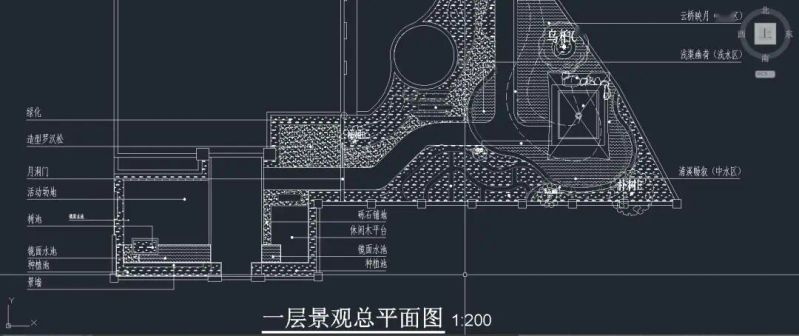
The surface ratio is as important as the fit of court space. It is difficult to create stable ecosystems with too small water surfaces, which can increase the filtration burden. As a rule, the surface area of the fish pool should not exceed 15 per cent of the total courtyard area, and the total volume of the water body is recommended to be contained between 5 and 50 m3 - the small body of water below 5 m3 has poor ecological stability and is vulnerable to environmental fluctuations; more than 50 m3 requires specialized hydro-design qualifications, which are not part of the conventional courtyard. In plant configurations, aqueous plants (e. G. Thorium, reeds) account for 15 per cent of the surface area, and aqueous plants (e. G. Sleeping lotus, cabbage) account for 10 per cent of the area, which cleans water quality without compromising landscape permeability。
Fish pond construction: building the physical foundation of the “water-cleaning source”
If the design is a “pastprint” for fish pools, construction is a “building block” for translating the blueprint into reality. Ninety per cent of the problems of leaking fish pools, cracking structures, etc. Are due to process defects during the construction phase。
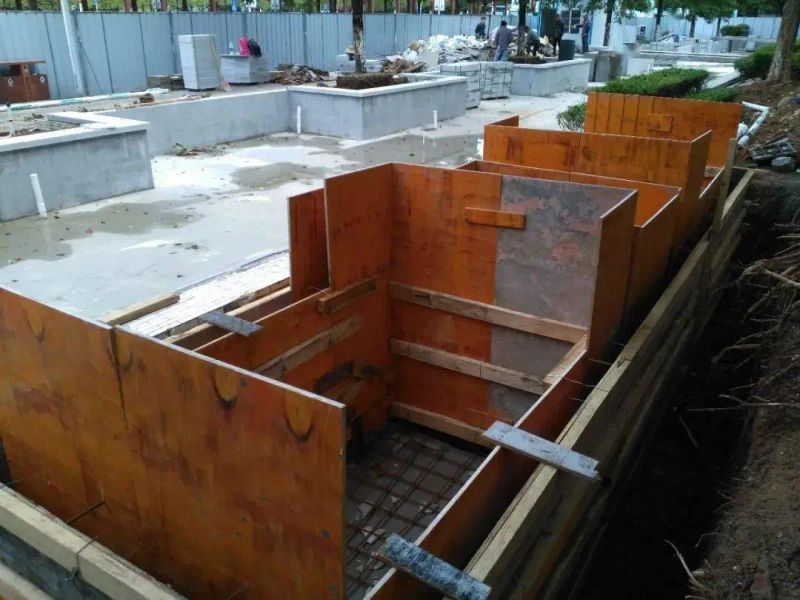
The selection of the pool structure is based on a combination of budget and needs. Steel concrete structures are the preferred option for the current yard pool, with the advantage of being strong and long (up to 20 years) and especially suitable for fish pools with depths above 1 m. Attention is to be drawn to the need to secure the ground floor and lay 10 cm thick rock mats in order to prevent the break-up of the sediment; the use of 8 mm screw-lined steel in steel bars with a distance of 20 cm x 20 cm tie, with 15 cm radius arc processing at the corner; the concrete sign not less than c30, which needs to be drilled continuously to avoid the bee's pheasure; and the recommendation of 15-20 cm for the wall's thickness, 20-25 cm for the bottom of the pool, to form a thicker and thicker mechanic structure。
Waterproofing is the “lifeline” of the construction chain and is subject to the “double protective” standard. First, the structure is self-waterproof and concrete is constructed with a 5% cement weight in expansion, reducing cracks; second, the soft water layer, to be preserved by concrete. After 28 days, the primary treatment is painted and 2mm thick polyurethane waterproof coatings are laid, the focus area (the hemp, the root of the pipe) needs an additional layer, which should rise above the design level of 50 cm. There have been projects where, as a result of the omission of additional layers of treatment, a marginal leakage occurred after the winter thaw cycle, with post-maintenance repairs costing 40 per cent of the initial price。
Underground and pool wall coatings need to be balanced with ecology and beauty. The bottom of the pool suggests the use of green grey shale or natural pebbles, with a thickness of 3-5 cm, both to avoid direct sunlight leading to algae swelling and to provide a habitat for microorganisms; the wall may be dried with water-resistant stones such as rust and sesame black, with 5 mm of seams reserved for water-resistant mortars and to avoid the transalkaline phenomenon caused by wet paste. In the pursuit of natural wildness, reptiles, such as quail, radon, etc., can also be grown in the pool walls, subject to a control coverage of no more than 30 per cent to prevent the root causes from destroying the water-proof layer。
Filtering systems: building clean “ecological engines” of water bodies
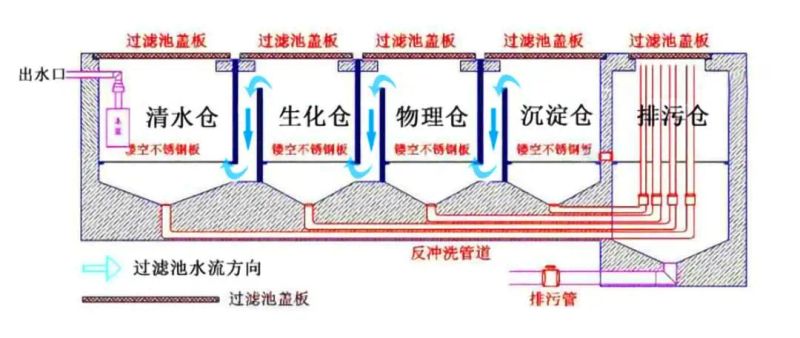
The filtration system is the “heart” of the fish pool, and its design logic follows the three-tier clean-up principle of “physical interception - biochemical decomposition - bacterification”, and the absence of any link leads to deterioration in water quality。
Fish pool filtration system design and construction
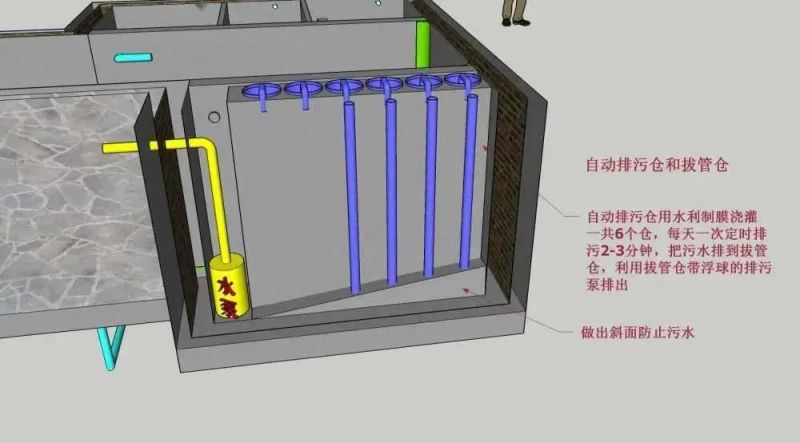
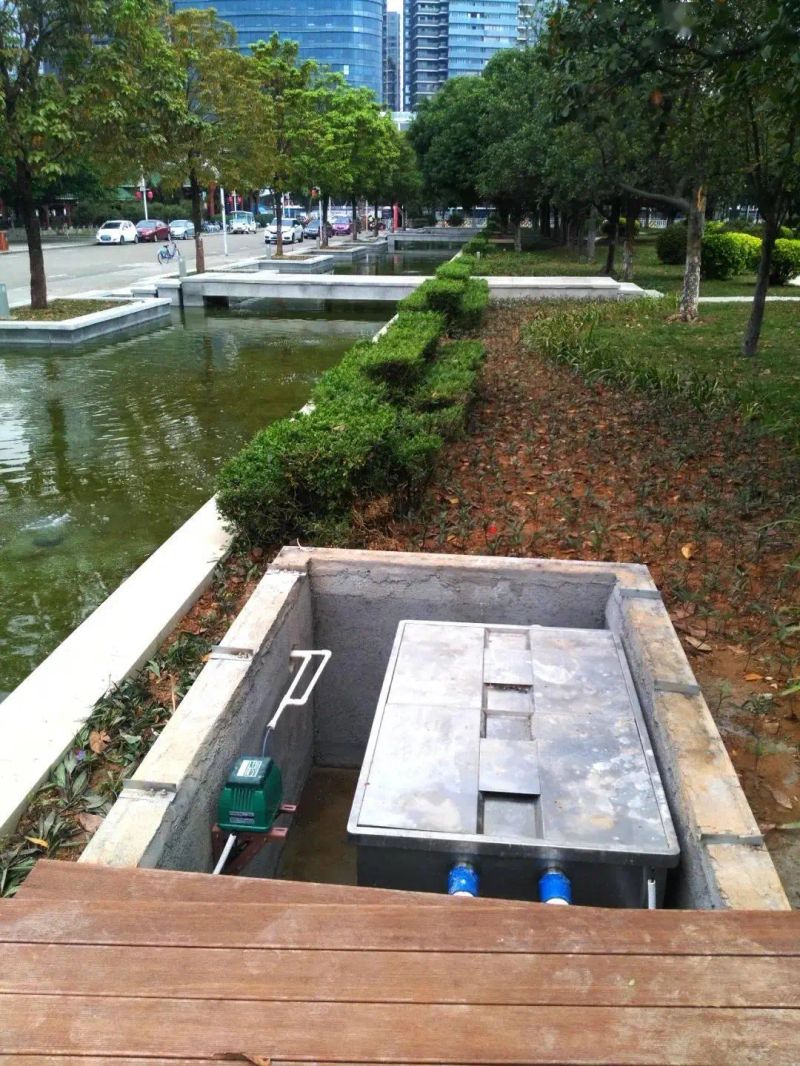
The core function of the physical filtering system is to intercept solid impurities, which require a "3-tier deposition" structure. The first level consists of sedimentary ponds, which are located at the mouth of the fish pool and are approximately one tenth of the total size of the fish pool, 20 cm deeper than the fish pool, and 5 per cent of the bottom is a slope towards discharge, intercepting 80 per cent of the large particulate impurities, such as falling leaves and fish dung; the second level consists of filtration of the cotton layer, using a three-layer structure of increasing density (coarse sponge + middle pore filtration + fine pore biochemicals), intercepting particles with a particle size of 0. 1 mm or more; and the third level is a mammoth filter area, with vertically high-density nylon brushes, which capture small impurities using the wrinkles on the brush surface, while providing an adjunct to the nitrified bacteria. The total amount of water in the physical filtration area should be 1/5 of the total volume of water in the fish pool to ensure filtration efficiency。
Biochemical filtration systems are the “core battleground” for maintaining water quality stability, which is essentially a culture of nitrified bacteria. Nitrous bacteria are divided into nitrite bacteria, which converts toxic ammonia to nitrite, and nitric acids to non-toxic nitrates, which require adequate oxygen and a stable environment。
The biochemical filtration silos should be designed to avoid light (covering black shades) and fill the interior with porous filters. The recommended combinations are 30 cms of high bacterial huts (more than 60 per cent pore), central biochemical balls (100 per cubic metre of water) and upper 5 cm of thick volcanic granules. The total volume of filters must meet the standard of 100 cm-3 filters per litre, e. G., 5 m3 of fish pools need 500 litres of filters. At the same time, exposure devices need to be installed to air the base of the biochemical silo through a pipe to maintain water body solubility above 5 mg/l to promote nitrification of bacterial activity。
The microbicide system is used to control algae and pathogens, using the dual method of “physical + chemical”. Physicocinogenesis is preferred to uvc lamps, installed on a bio-filtered piping path, with a power of 10 watts per cubic metre of water (5 cubic metres of fish pools with 50 uv lamps) and a irradiation time of 8-12 hours per day, which can effectively kill algae spores and pathogenic microorganisms in water; chemical aids can be dropped once a month at em bacterium, at 50 ml, to inhibit the growth of harmful bacteria through biobacterium competition, but care is taken that em bacterium needs to be dropped after the uv light has been shut down to avoid extinction by ultraviolet light. In particular, the ban on the use of antibiotics would completely disrupt the balance of the bacterial filtration system。
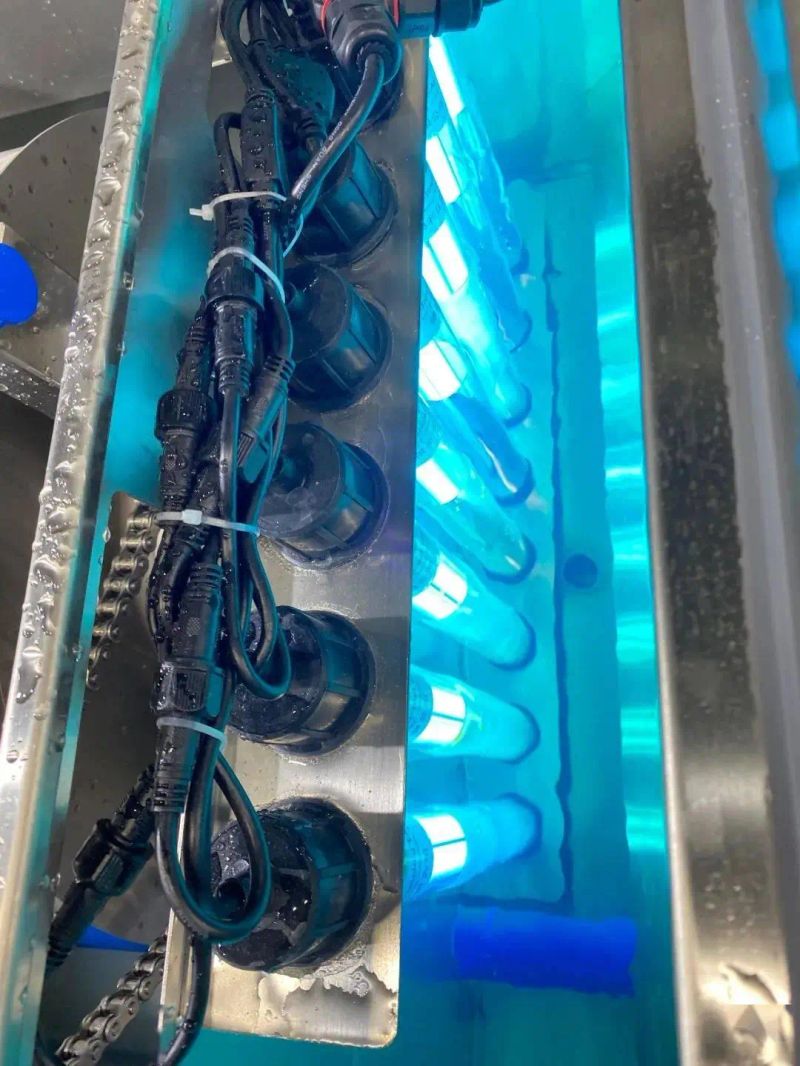
Microbicide systems in fish pool filters
The water cycle design of the filtration system is based on the “pool-wide flow” principle. Pump selection is essential, and the flow should cover 1 - 2 times an hour of circulation of the whole pool. For example, 10 - 20 m3/h-flow pumps are selected for 10 m3 ponds; the range is calculated according to the height of the filtration system, with 20 per cent of the excess to prevent a lack of roll. Pipe layout using a combination of "dip + noodles": the bottom of the pool is set at a bottom mouth every 2 m to connect the main channel to the sedimentary pool; the surface is set up with an overflow-style mouth to collect surface grease and floats. The vents should be placed at the angles of the fish pool to form a circular flow of a clockwise or a counterclockwise to ensure that there is no bottom of the current - which has been verified through dyeing experiments and reasonably distributed in such a way that the water exchange rate is above 95%。
Landing implementation: key nodes from programme to delivery
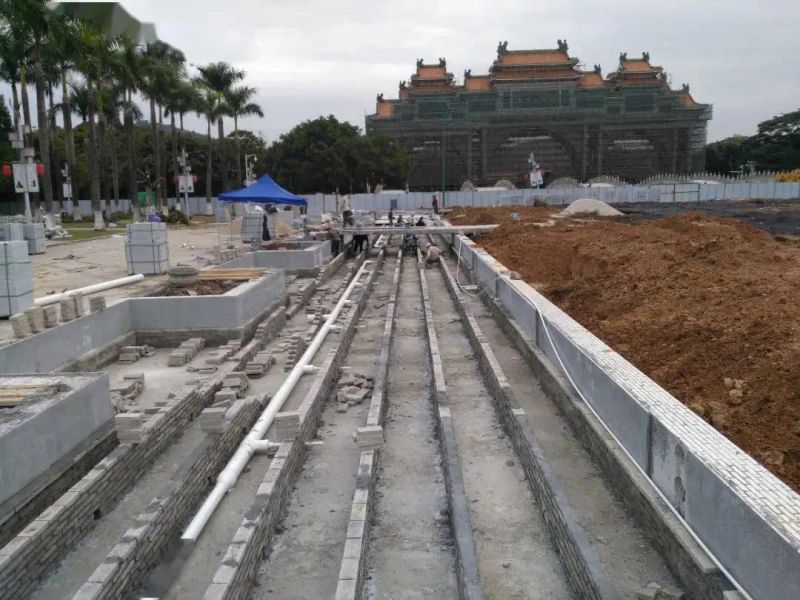
A successful yard fish pool project will need to be designed, constructed and maintained seamlessly. During the construction phase, three key nodes will need to be strictly controlled: first, the synchronizing of the fish pond with the filtering tank to ensure that the water level varies accurately to ±1 cm; second, the pre-burial application of the upvc pipe, which is not less than dn50 and is done at 45° turn to reduce the loss of the water; and third, the continuous observation of 72 hours during the test phase to ensure that the water level does not fall to more than 2 cm/day。
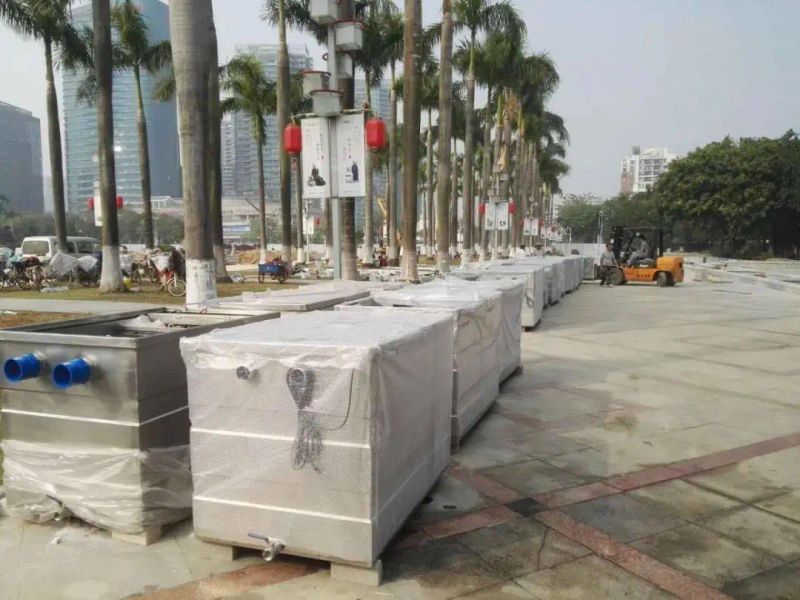
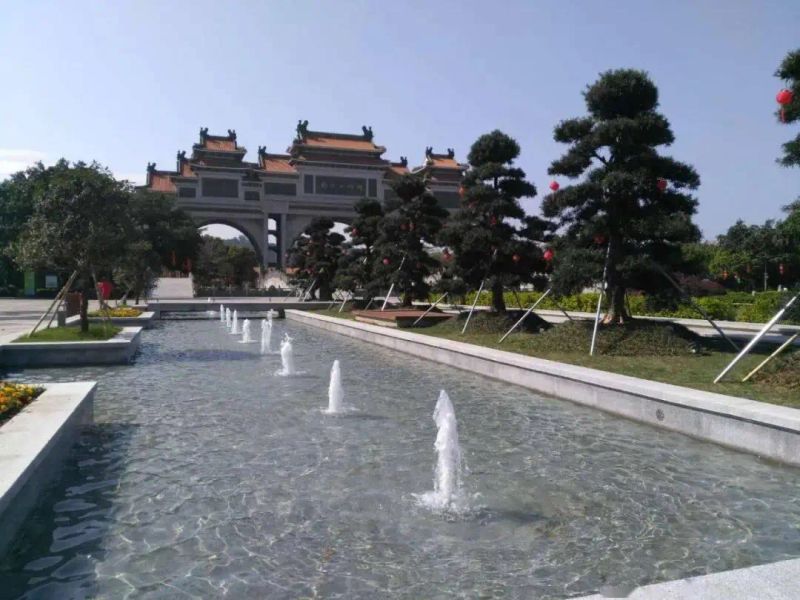
Post-mortem maintenance is a “long-lasting guarantee” for water quality and requires the establishment of a scientific transport system: daily monitoring of water levels and pumps; weekly cleaning of sediment tank impurities and cleaning of filtration cotton; monthly monitoring of water quality indicators (diazepine < 0. 5 mg/l, nitrite < 0. 1 mg/l, ph value 7. 0-8. 5); quarterly replacement of one third of water bodies to replenish nitrified bacteria; and winter heating measures to ensure water temperature is not below 5°c. It is worth noting that fish density is to be contained in no more than 10 bars per cubic metre of water (fish of about 10 cm length) and that overculture is the most common cause of water quality deterioration。
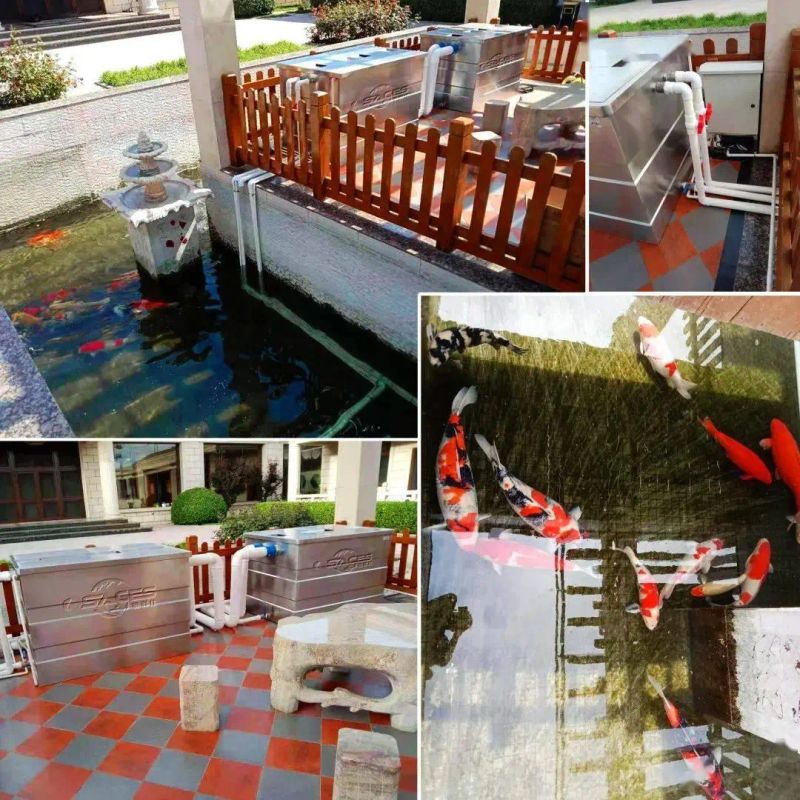
Fish ponds in the yard are designed to simulate the ecological circulation of natural water bodies in an artificial environment. As landscape designers, we need both aesthetic thinking to give beauty to the shape of fish pools and eco-intelligence to construct a balance mechanism for water self-purification. When you see the owner feeding the fish at a clear pool, and when you see the sun coming through the water, and you see the light coming down the bottom of the pool, it becomes clear that those studies and insistences on slopes, filters and bacteria will eventually turn into the most exciting living and poetic work in the yard。