From yuanbao to lobster, it is the process, review and responsibility of the ipr services that really need to be upgraded。
This is not a tool recommendation, but an article on how professional services put ai into knowledge, process, review and accountability. Ai the focus of the upgrade is not to install an additional tool, but to reorganize the working methods。
It's interesting to see one thing recently:
We believe in ai, but we don't have to。
This sentence is ostensibly a discussion of the communicative products, but when i see it, i think not of the usefulness of the benefactor, but of the same question that intellectual property services are facing:
Of course we need ai, but is it true that we need an extra tool
These two years, ai changed very quickly. From the very first time you wrote a text, changed an e-mail, translated a material, to the present time when more and more ai agent started working on document processing, documentation, form generation, programme drafting, task execution, etc. Tools are becoming stronger and professional services are becoming more anxious。
But my judgment is that the ai upgrade of the ip service, if it stops at "what tool is used," is likely to have been off course at the beginning。
01 tools and modalities
The tools are the easiest to see and the ways of working are the hardest to change
It was easy to buy an account number and to change the process。
Learn a few pRompt is easy, it is difficult to establish a review mechanism。
It's easy to do a demonstration, it's hard to keep the team stable for the long term。
It is easy to generate a programme and it is difficult to be accountable for it。
So, "we believe in ai, but we don't need it." what is really inspiring about this phrase is not the benefactor itself, but rather it reminds us that the value of ai is not an extra assistant, but whether it can enter the real scene。
For twitter, the real scene is chat, search, public sign, little program, payment, business service。
For intellectual property services, the real scene is pre-case documentation, evidence collation, client programmes, training materials, project refilling, knowledge deposition and delivery management。

If ai is just another tool that needs to be opened alone, reproduced alone, forwarded separately, asked separately, it certainly has value, but it can easily remain at the level of individual efficiency。
What is really worth discussing is whether it has access to the way it works。
It's really hard
The real question is not "can we use it?"
I spoke to a colleague a while ago. He has tried to use ai agent in the pre-collation and evidence-collating stages of intellectual property abuse cases. The effect is clear: the information is classified more quickly, the factual clues are more easily pulled out and the initial time lines and problem frameworks are easier to match。
That is certainly valuable。
But when we further discuss whether this set of experiences can be developed directly into a tool or a standardized delivery package, my judgement is more cautious。
It is not in the wrong direction, but in it it is too personalized, too complex a secure border, and responsibility cannot easily be outsourced to tools。
In ipr abuse cases, different clients have different objectives, different sources of evidence, different patterns of abuse, different platform rules and different phases of the case. Ai can help organize materials, extract facts, detect omissions, generate inventories, but it cannot substitute professionals to judge what evidence is truly valuable, what facts need to be reinforced and what expressions may affect subsequent strategies。
In intellectual property services, ai is no longer the hardest to use. What's really hard is what's going to get ai involved, what's going on, who's going to review and who's going to be responsible。
So i have become increasingly aware that what is really going to be upgraded in ip services is not one more tool, but four more questions。
First question: where is knowledge
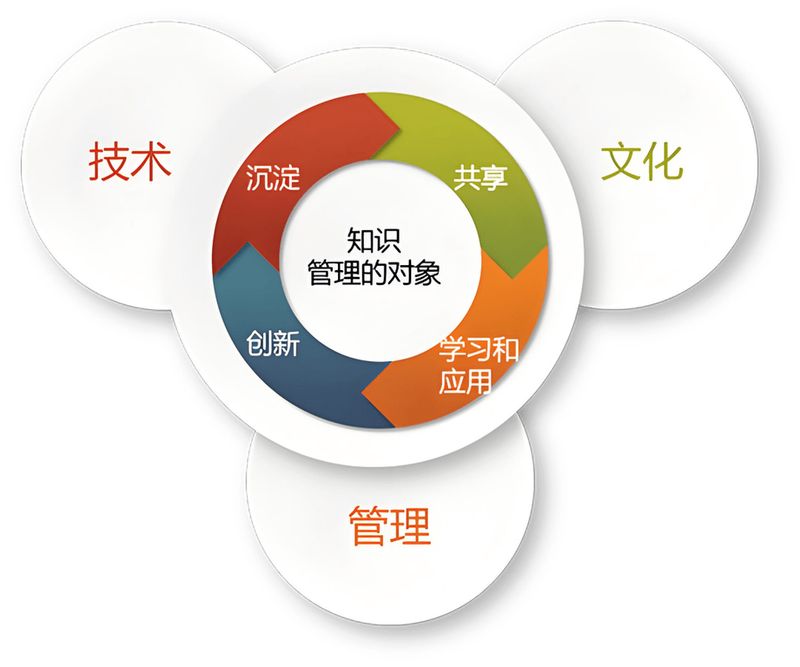
The experience of many agencies is not in the system, but in the minds of the partners, in the computers of the project managers, in the micro-message chat records, in old programs, in minutes, in mail exchanges..
It's hard to really become institutional if it's a long-term experience. It helps a person to complete a mission more quickly than once, but does not help a team to continue to re-live experience。
Ai is valued if the institution is to start collating its knowledge:
Which problems are recurring
What options are available for reuse
What risks are often overlooked
Which processes should be standardized
What experience should sink
Second question: how does the process go
Ai cannot be suspended for use。
For example, pre-case documentation can be done by ai for preliminary classification and time-line alignment; project managers to confirm the factual framework; professionals to complement legal and strategic judgements; and final output into manual review。
Client programmes, for example, allow ai to help structure, list problems, organize background material, but ultimately trade-offs, wording, risk tips and service advice must be done by people。
Only if the process is clear, ai is not a small personal skill, but can be an institutional capacity。
Third question: who will review it
This is an issue that professional services cannot avoid。
Ai can collate the evidence, but it can't be judged for you。
Ai can generate programmes, but it cannot bear their consequences for you。
Ai can sum up the rules, but it can't help you understand the real business objectives of the client。
In intellectual property services in particular, many judgements are not “right or wrong”, but rather strategic. It's not ai that automatically generates an answer。
Review is not a form, but a responsibility。
Fourth question: where are the borders
The stronger ai agent, the more important this is。
The former chat robots were mainly "answer questions." a lot of agents are now able to read documents, sort information, call tools, perform missions. Their value lies in being able to do it, and the risk lies precisely in being able to do it。
Can you input client information
Are the case materials confidential
What about business secrets
Does the output process leave any marks
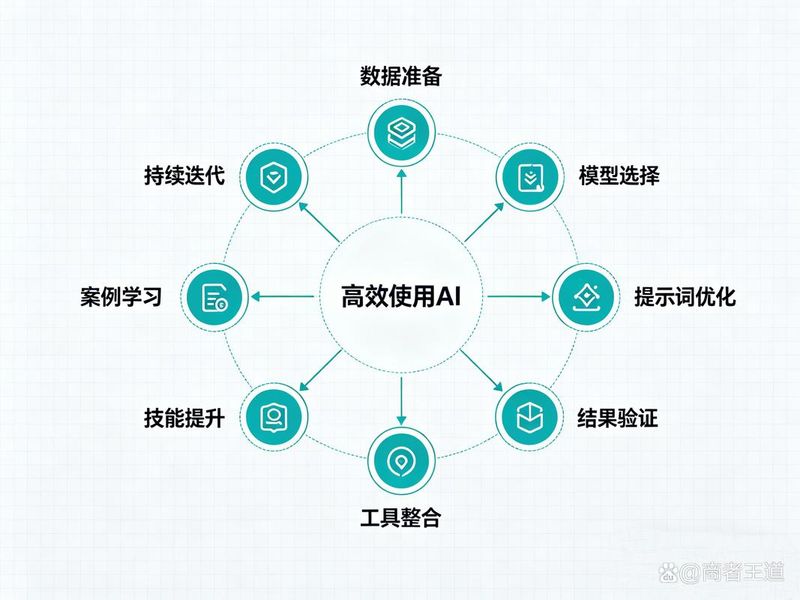
Which tools can be used for internal information and which must not be exposed to sensitive information
If these issues are not clearly thought out, ai poses not only efficiency, but also new risks。
The real value of 03 ai
The tools change, the responsibility doesn't disappear
So, from yuanbao to lobster, what i really care about is not what's better。
Tools change, models change, platforms change. Today's popular capabilities may be integrated into micro-intelligence, business-intelligence, flying books, office software or a certain industry system tomorrow。
What really matters is whether or not ip services can put ai into their own knowledge, processes, review and accountability systems。
Ai doesn't automatically make an institution a professional. It will only magnify more quickly whether an institution is originally knowledgeable, has process management, has a professional judgement and has a liability boundary。
So don't take ai upgrades as an extra tool。
For intellectual property services, the real value of ai is not to make us look more advanced, but to force us to reorganize our working methods: translating personal experience into organizational capacity, transforming scattered information into knowledge systems, turning ai outputs into reviewable professional delivery。
Tools can be updated, but responsibility does not disappear。
Models can evolve, but judgement cannot be outsourced。
Ai has access to the workflow, but professional services are ultimately left to people。