Dom
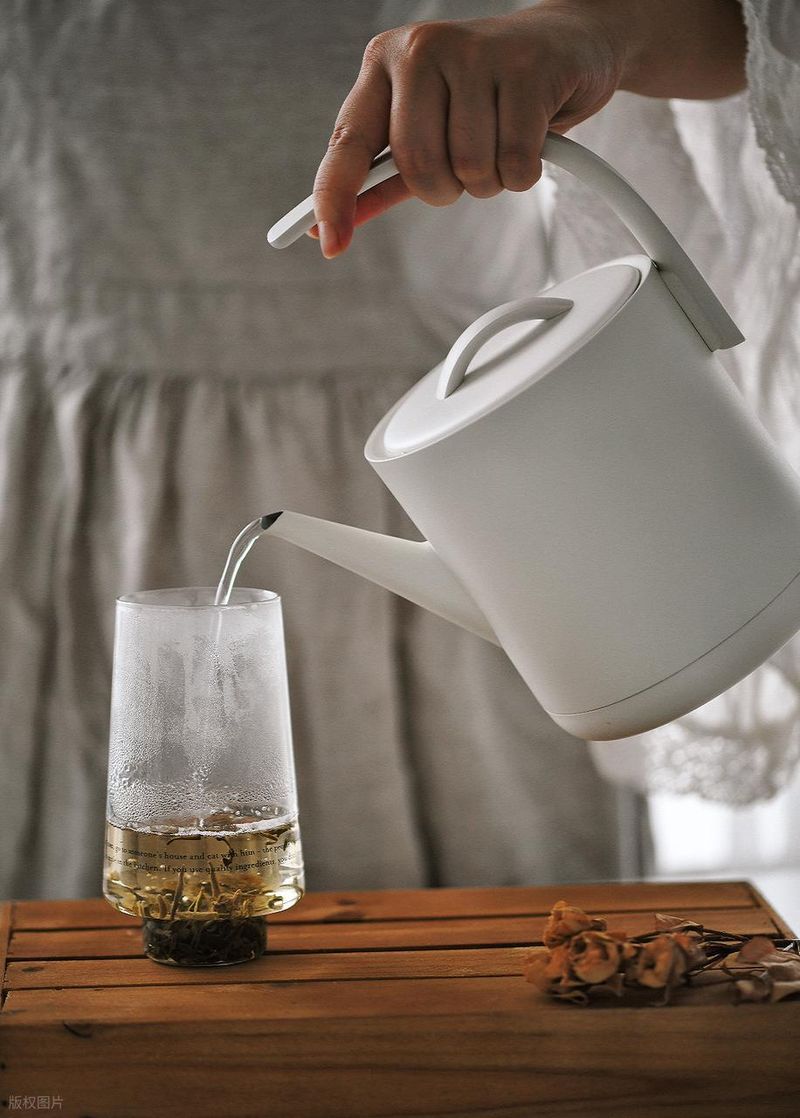
The cup of tea that you made today -- to grab a bunch of tea and throw it in a cup, to flush it -- is actually the most "young" in chinese tea history。
Tea
Before that, the chinese had experienced two dramatic changes in the way they drank tea. The chinese made tea like soup, and the song ordered tea like soup until ming dynasty had the usual rush we used to make today. The back of every drink is not just technical, but a generation's answer to what tea should be。
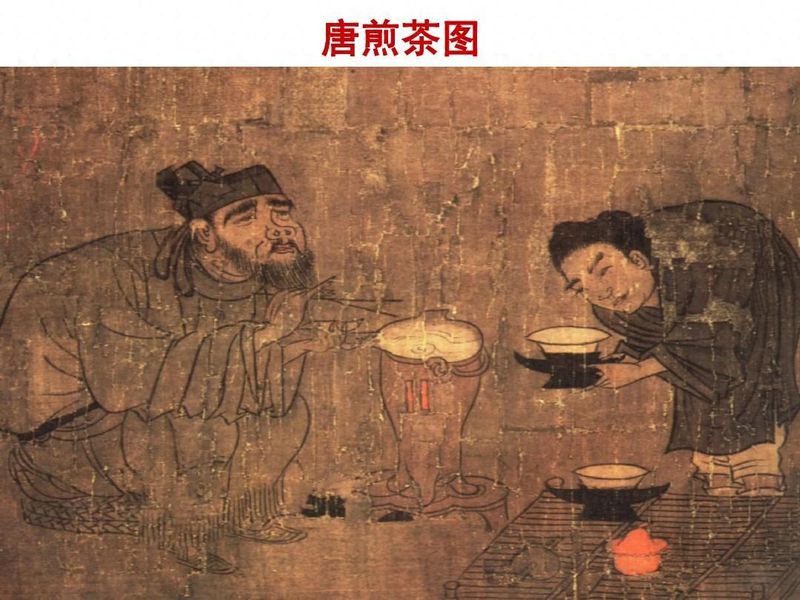
Tang dynasty tea: cook a pot of tea soup
When lu yu wrote the tea book, the chinese drank tea in a way that was no different from today's soup。
Tea cakes are first baked on a microfire, and then baked to the surface a little bubble like a toad's back, while the smell is preserved in the hot bag. When it gets cold, crushed, sifted, given a fine tea table -- attention, not today's dust class, the plum says clearly, "behavior dust, not dust," but too thin。
Then it will be a heavy play: the frying of water, and the platinum shall be set on the furnace, and the water shall be three boiling. A boiling, water-sized bubble of fish eye sizes, with a slight noise, with salinization; two boiling, with a spring pouring out of the water, with a sip of water, and with bamboo vortex to stir up the heart of the soup and drop the tea from the centre of the vortex; and three boiling, with a wave of drums, pour back the water that had just been sprung back in order to stop the boiling — a step called "bullety", to keep the tea。
When you're in the bowl, the tea soup's on the surface. The thin one's called moo, the thick one's called moo, the thin one's called flower. The plume describes the bubbles: like the date-palms floating in the pool, like ping's first birth, like the sky's sky-like clouds -- "little." "and as if the snow had sown, the white flowers piled up, like snow。
The whole process came down, and the stove, the tea, the tea, the tea, the tea (saline cans) and the curds were set up 24 times. It's a lot of stuff. It's just like the kitchen with a pot of old soup。
And chinese tea is really salted. Before lu yu, the people put onions into tea, ginger, dates, orange peels, jules, mints, boiled, and the plums were called "screw water between ditches". He's been advocating tea cooking, but the salt is still there. It's hard for you to imagine who's throwing salt into the dragon well today, but in dondai, salt is part of the tea。
Song dynasty: from pot to bowl
The song did a revolutionary thing: instead of making tea in a pot, they made tea in a bowl。
That doesn't sound like much. It actually turned into a day. Tang dynasty's tea, tea and water are cooked together in a bowl. Song dynamite, tea in a pot, water in a soup bottle, and slamming with tea - the whole process is done in a bowl, tea and water are separated and integrated, relying on dots and dings。
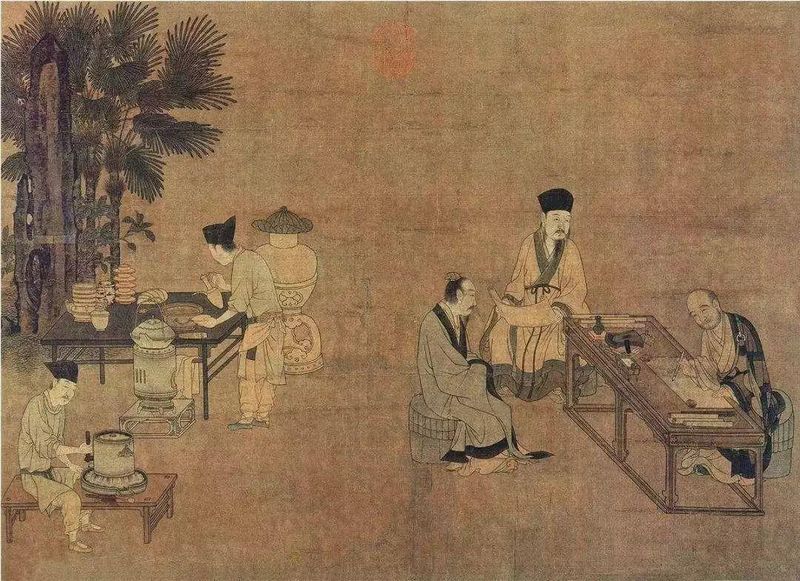
Song liu song tea chart (local)
First, the tea is crushed, crushed to a fine end, sifted with zoro - the songs are more attached to zilong than the tangs, and the tea is to be zilong, and the sifted end is to be zilong. Then he shall pour a cup of tea into it, and a little water shall be poured into it, and seven pours of water shall be cast. Song kwok told us all about the power of the water and the methods of seven times: for the first time, "hands are heavy, means wrinkled wrists" and for the last time, "foots are plumbing, sprawling, twirling around, it's a bite."。
The bite is the ultimate state of the song people's desire for tea — the plume is thick and white, and the wall has been gnawed for a long time. That's what the chow is: who has whiter, thicker, longer bites, wins。
The climate of tea fighting rose from the building of an-min to the palace. The song kwok not only wrote " tea fair " , but also personally ordered tea guests. The top-down effect is that the entire song society orders tea, fights, divides tea, and even develops the "tea play" — drawings on soup flowers, animal and animal fish and grass, and decorated, but it must be scattered。
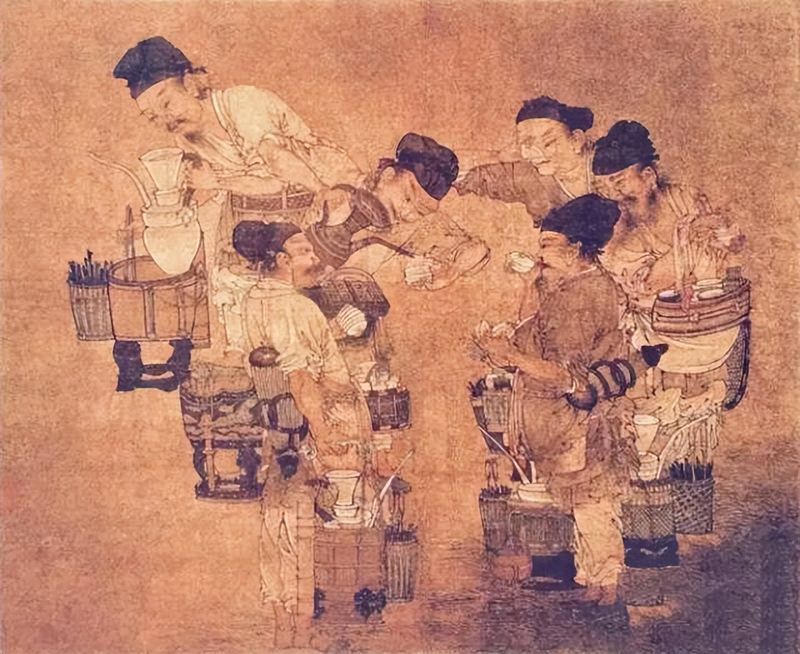
Soong. Doo-doo
Because it depends on the white of soup, the color of tea is the other way around -- the darker the better. As a result, fujian jianyang's construction became song's first tea machine. The rabbits, the oil drops, the silver silked textures on the base of the black beads, and the white beams are in the black beams, so bright. Cai riu's tea book says, "the tea is white, it's black."。
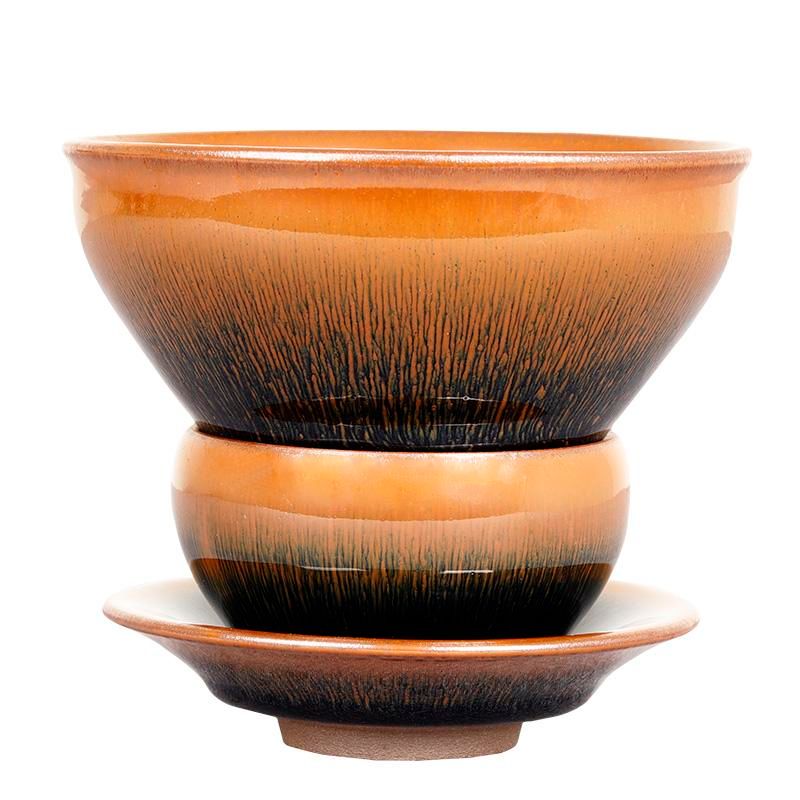
Song jiang
Qingqing tea: breaking tea and freedom
On the occasion of yuanming, an emperor from the bottom rewrited the history of tea。
In the twenty-four years of hong wu (1391), zhu yuan zhu made a dynasty: "strike the dragons, except for sprout tea." " the system for the promotion of the phoenix tea was officially abolished and the distribution of tea replaced the tea of the pie。
Why did you do it? It was said that it was people-friendly — the tea made by the troupe was extremely expensive, and the tea system squeezed the tea houses; it was also said that he did not understand the style and that the tea was too complex. But whatever the motive, the effect is real: the era of pie and tea is over, and the tea-spreading "drinking" with boiling water is mainstreamed。
The change was followed by a turn of tea. All these tea equipments, such as grinding, grinding, rading, soup bottles, etc., have been destroyed, and song dynasty's black sorghum has withdrawn from the stage and replaced it with white porcelain, because the tea soup is green and the white one is the best. The vigor rises in this age, and "the small pots don't smell too good, but the smell doesn't slow," and the mix of the pots and cups continues to be shaped until today。
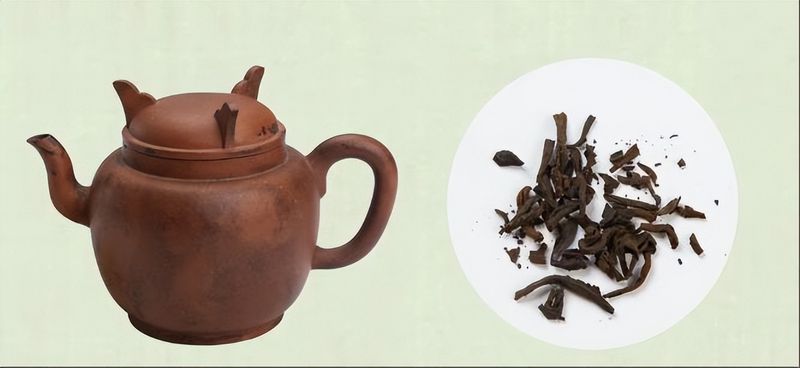
Twilight sandpots and shampoo - the design of the clean tea method
The way we usually drink tea today — the tea leaves in the pot, the water comes out and the soup comes out — begins with the coming generations, but for more than 600 years. At the scale of 2,000 years of tea, it's young。
Japanese tea plaque: the living fossil of song dynasty
Many people today think tea is japanese, but it's rooted in song dynasty。
During the period of the southern song, a large number of japanese monks entered song's sapha and brought back their tea to japan. The most important of these is the yunxi zhen — who twice entered song and returned home in 1191 with tea, tea utensils and some tea techniques, as well as a copy of "tai yu" by the japanese. Another nanpo shoming zhen brought back tea table, tea utensils and tea gifts from the hangzhou run-mo temple, and the japanese celebrity examination recorded: "from the beginning of the tea lane, the former zhongfu temple was built in zhongwon and zhao nampo was brought in by song."
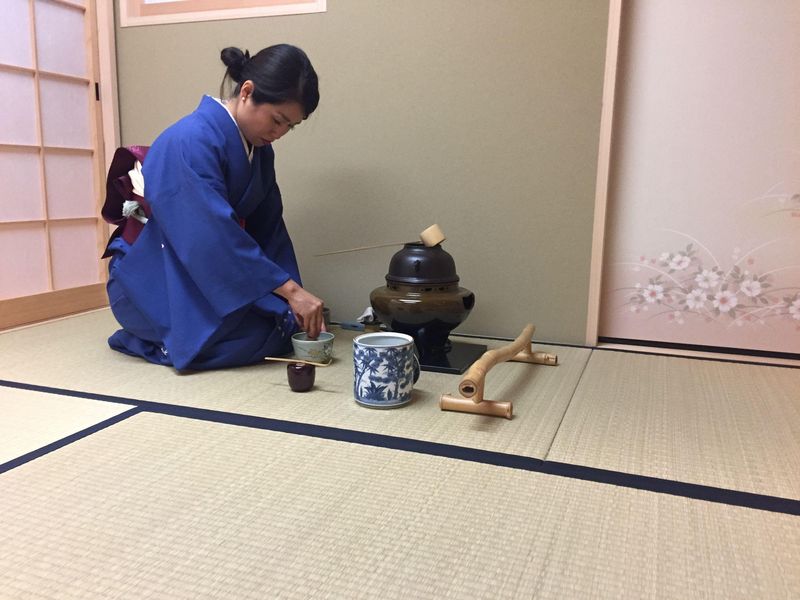
Japanese tea plaque — overseas transmission of song dynasty tea
The core movement of the japanese tea lanes — the crushing of tea, the pouring of water and the snowing of soup — is just like the song's tea. The form of tea is also directly attached to song dynasty. The monks who built the ing temple have so far followed the tea law passed down by yunxi, "which is considered a complete replica of the song dynasty"。
Then why did japan keep the song tea while china itself went to make tea
It's not china's lost tradition, it's china's chosen another way. It is easier and more free to drink, and it gives the smell and taste of tea itself. The decree of zhu yuanxiang has only accelerated this trend, and the trend towards private crowding has begun since the beginning of the millennium. The chinese have chosen to drink tea in a more routine manner, while japan has institutionalized and ceremonialized song dots in monasteries and in the closed system of nobility。
Three tea methods, three times
To look at the three tea methods together, it makes a difference:
From soup to soup to bubble, the change in tea is not linear progress, but a different answer to "what is tea?" the chinese want to be full, the song wants to be elegant and the understanding wants to be natural。
And the cup of tea which thou hast taken, light, simple, without foam or salt。
That was the choice 600 years ago, not the only answer。