The people's network, beijing, is today the 17th national day for disaster prevention and reduction, and the china earthquake administration has publicly launched the basics of knowledge and skills for earthquake prevention and mitigation (known as “article 18 on earthquake prevention and mitigation”). This was the first national-level development of basic knowledge and behavioural skills for earthquake mitigation。
It was described that the 18 articles on earthquake mitigation were divided into two areas, “basic knowledge and ideas” and “basic behaviour and skills”. The content focuses on needs and seeks to be refined, easy to understand, clear and concise. It helps to guide earthquake departments, social organizations, volunteers and others to strengthen the focus of content science. It provides a basis for the media and self-media in the development of earthquake risk reduction and disaster prevention and mitigation awareness and emergency avoidance。
Disaster prevention and mitigation, disaster response and response are permanent subjects of human survival and development. Despite the inevitable occurrence of earthquakes, scientific understanding of earthquake-caused patterns and the adoption of scientifically sound defence and emergency avoidance measures can be effective in reducing earthquake disaster risks and losses。
Together, we learn “18 earthquake-proof mitigation”。
I. Basic knowledge and ideas
1. Earthquakes are a natural phenomenon that inevitably occurs and can be mitigated。
2. There are clear patterns of spatial distribution of seismic activity, with the vast majority of destructive earthquakes occurring on the operational faults。
3. When larger earthquakes occur in the vicinity, people usually feel a clear up-and-down swing, and in seconds to more than 10 seconds they experience greater vibrations or shaking。
4. Disruptive earthquakes can cause direct damage to housing facilities and the natural environment and may cause secondary disasters such as fires, floods, landslides, mudslides and ground collapses, causing loss of life and economic loss。
The magnitude of the earthquake is measured by the magnitude of the earthquake, and the intensity of the earthquake is measured by the degree to which the earthquake affects different locations. In general, the intensity of the same earthquake is greater where the faults that occur are closer。
6. Seismic prediction is also a world scientific challenge and is still at the research and exploration stage. The country has a unified system for the dissemination of earthquake forecasts。
7. Earthquake warning is an emergency warning after a devastating earthquake, providing several seconds to dozens of seconds of early response in areas where destructive seismic waves have not yet reached. Earthquake warnings are blind and there is a risk of misreporting and underreporting。
8. The mitigation of earthquake disasters, with a focus on defence. Urban and rural construction requires scientific site selection and earthquake preparedness, and social and public emergency preparedness。
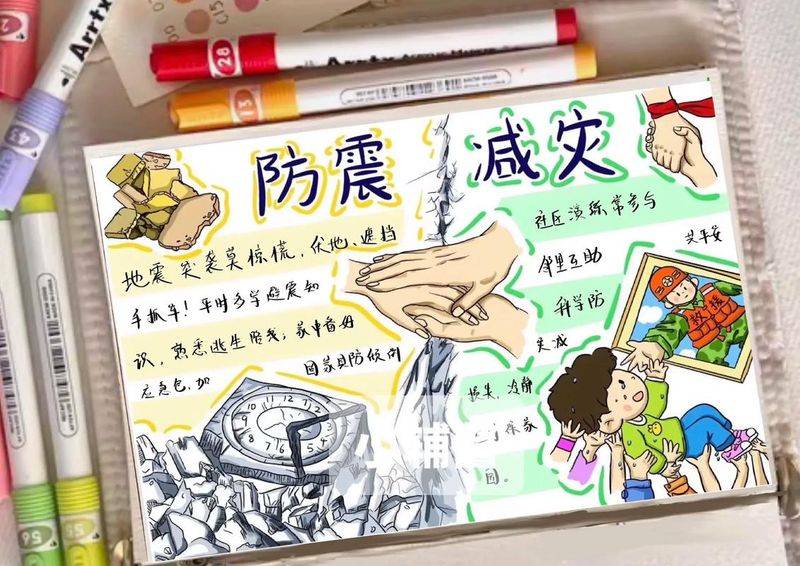
9. The magnitude, intensity, spread and severity of the earthquake in the country, and its mitigation and mitigation are closely related to everyone and require everyone's participation。
Basic behaviours and skills
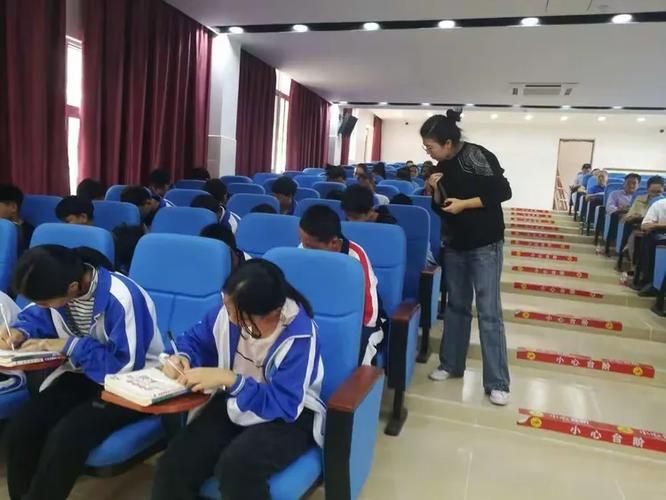
Actively learning about earthquake mitigation and mitigation and actively participating in seismic emergency evacuation exercises. Primary and secondary schools are the main positions for earthquake safety education。
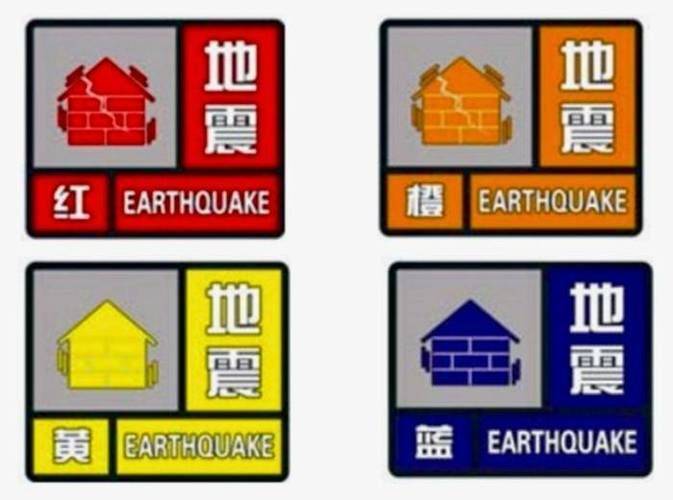
Seismic information services such as earthquake warning are available through the app, the micro-intelligence applet, etc., and can identify four seismic warning levels: red, orange, yellow and blue。
12. Capable of identifying and not spreading earthquake rumours. Individuals who suspect that a phenomenon may be associated with an earthquake may consult the local seismic department。
13. Pay attention to the earthquake resistance of housing facilities in the workplace and, if necessary, inspect and strengthen houses to eliminate the hazards associated with satellite components such as walls and ceilings. Self-built housing facilities can meet local earthquake-resistant requirements。
14. Development of earthquake preparedness habits, preparation of earthquake response kits, rationalization of furniture, electrical appliances and high-volume items, familiarization with the distribution of surrounding shelters and evacuation routes, development of family emergency shelter plans and exercises。
15. In the event of an earthquake, it is possible to take reasonable and feasible avoidance measures, such as laying floors, coverings, holding hands and moving to a safe location after a strong vibration. On-site emergency command in public places。
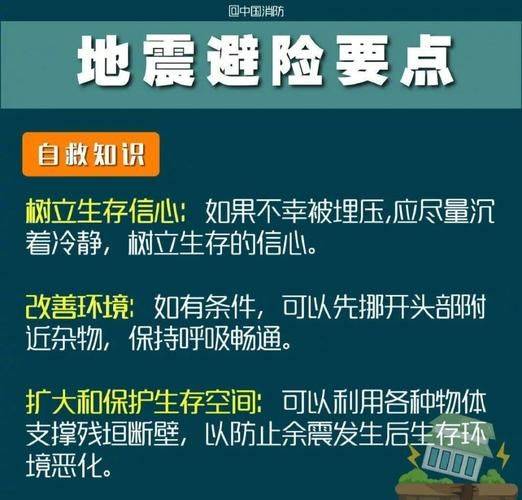
16. If trapped in the ruins of an earthquake, they can call for reasonable relief, be careful to preserve their physical strength, wait patiently for rescue, actively save themselves in accordance with the circumstances and conditions in which they find themselves, and as far as possible escape from the state of burial。
17. At the earthquake site, scientific assistance to those in need is provided in conditions of safety, in order to prevent the risks posed by the aftershocks。
18. In disaster areas, psychological stress can be alleviated in a variety of ways by complying with the command and arrangements of disaster response sites and complying with the requirements of temporary resettlement。