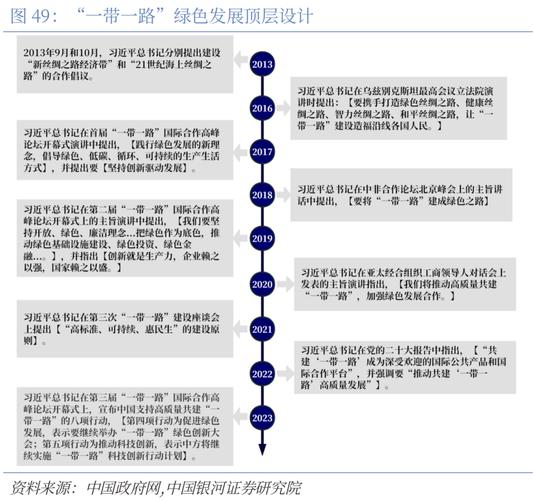
Along with the “145” development period, the construction of a “one-way road” has entered a new phase, placing greater emphasis on the principle of common bargaining and sharing, the concept of openness, greenness, integrity and cooperation, and greater commitment to high standards, livelihood and sustainability. However, “outside” enterprises are bound to face different political systems, cultural backgrounds, development environments and public opinion systems in the country. Such differences not only exist naturally and objectively, but also show the characteristics of diversity and complexity, posing certain risks and challenges to the transnational operations of enterprises。
In the new phase of development, how to build bridges, use good cultural media and contribute to building capacities to achieve cultural convergence with local societies, people's hearts and minds, and co-development, enterprises that “go out” need to improve cross-cultural communication, cross-cultural management and cross-cultural communication, and accelerate the improvement of their soft power。
Five main differences in business intercultural communication
I. Linguistic differences
The issue of language is a fundamental issue of cross-cultural communication and is the first issue facing chinese enterprises to “go out”. The fact that some expatriate staff members do not speak foreign languages or are reluctant to study foreign languages on their own initiative, and their inefficient communication with local staff results in increased management costs and even misunderstandings。
Ii. Cultural differences
Religious beliefs and cultural practices vary from country to country, and sometimes different religious beliefs are found in different regions of the same country. Chinese enterprises must be aware of these cultural differences, which, if they violate the taboos of local religious beliefs and customs, will inevitably affect their normal operations。
Political and legal differences
The political systems and circumstances of overseas countries vary significantly, especially at a time when the world is facing a new epidemic, and countries are affected by their political systems and have different ways of coping, and must actively adapt to the effects of these differences on normal production operations. The legal environment of overseas countries is also different from that of the home country and cannot be considered solely in accordance with the domestic legal environment。
Iv. Business management difficulties
Under the influence of chinese culture, chinese enterprises ' management styles, working habits, etc. Differ somewhat from western enterprises and local enterprises in host countries. For example, while chinese enterprises attach importance to ethics and harmony, emphasizing that individual interests are subordinate to collective interests, the west has a strong focus on individual performance and a clear distinction between working hours and personal life. Some of china’s overseas projects are based on european-american standards, design, consultation, supervision, etc., are from western countries. In implementing the projects, chinese enterprises tend to focus more on “resulting correctly” with the primary objective of fulfilling their mandates, while some western project supervisors emphasize “the correctness of every step in the process”, which often leads to some conceptual conflict in the context of trade union wars in overseas projects。
V. Disappearances in public community
On the one hand, chinese enterprises are often not well adapted to the local public opinion environment and dissemination patterns. There are conceptual differences in the choice of topics, choice of channels, means of expression and collaboration with local media. On the other hand, western media reports of chinese enterprises are used to “coloured glasses”, a situation that is even more pronounced in the current context of the new epidemic。
Paths to addressing cross-business issues
Despite differences in institutions, cultures and customs between countries, in the long run, cooperation for win-wins is a shared goal. China's enterprises are constantly improving their capacity to deal with cross-cultural issues, taking into account the advantages of china's own culture, while adapting to the characteristics of overseas culture, promoting mutual understanding, understanding, adaptation and integration of cultures among employees of different cultural backgrounds through a variety of channels, on the basis of which they can enhance cultural innovation, build a common corporate culture concept and work towards the goal of cooperation for win-wins. Specifically, it is “over the five”。
I. Language communication barriers: addressing cross-language communication issues
1. Enhancement of foreign language communication
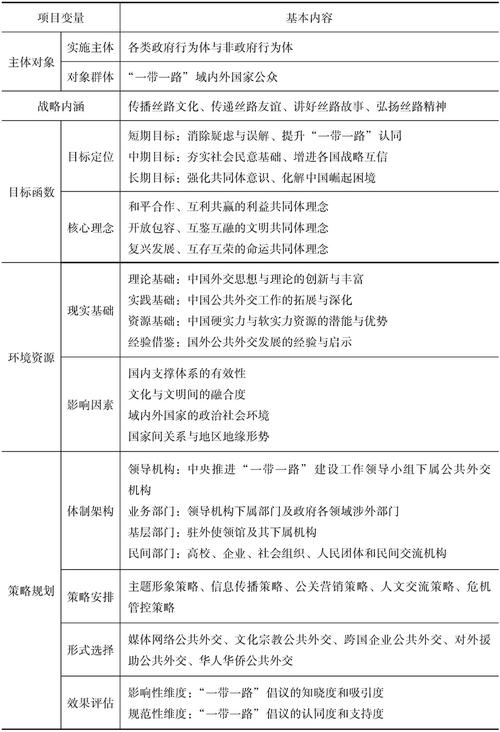
There is a need, first of all, for good export clearance of middle-level personnel, both with good operational skills and with language and adaptability. Second, emphasis should be placed on strengthening the training of chinese personnel in foreign languages and on familiarizing them with the expressions and communications that are characteristic of the culture of the host country, such as gestures, symbols, etiquette and customs, so as to enhance their ability to communicate across languages。
2. To enhance communication among staff at all levels
Regular analysis of the problems encountered by chinese employees in communicating with local employees at all levels, upgrading the overall communication capacity and management of chinese personnel, and ensuring effective “two-way communication” between employees at all levels and foreign nationals they are exposed to in their work. For example, during the construction of an offshore railway project, the project site pillow shop was required to work overtime because of the tight working schedule. However, in the past, local staff had had little habit of working overtime and had not been exposed to the concept of “unit pay” and had initially refused to work overtime. In response, aware that this could be a basic communication problem, the project manager immediately conducted face-to-face exchanges with skilled local staff to inform them in detail of the merits of their piece-rate pay. When a part of the local staff who worked overtime was significantly increased as a result of overtime income, many local staff began to shift from “passive overtime” to “involved overtime”. At that time, the daily capacity of the beam pillow plant was no different from that of the domestic-sized beam pillow factory, serving both the needs of the project and helping local workers to become productive。
3. Increased communication initiative
Chinese enterprises are also required to strengthen communication with local governments, project owners, supervisors, neighbourhood communities, etc., in implementing projects abroad, and to proactively enhance communication and coordination with the relevant authorities of the host country, so as to eliminate unfamiliarities, gaps and even misunderstandings, enhance understanding, mutual trust and collaboration, and lay the foundations for successful project implementation. For example, in the implementation of a railway project in africa, project management took the initiative to visit traditional villages along the road before starting work, inviting local community members to visit the project camp and sit with local village officials, elders, the people, telling them about the benefits that the construction of the railway would bring to them and listening to their demands and suggestions. Active communication has resulted in improved understanding and trust with communities along the routes, creating a good external environment for project implementation。
Ii. Cultural integration: towards an inclusive management culture
It is important to maintain the compatibility of the chinese wind's “international paradigm” and “local tastes” and to integrate with each other in order to create a distinctive management culture。
1. To preserve the cultural excellence of chinese enterprises
Chinese enterprises operate abroad in a spirit of self-confidence in the culture of excellence in china and in the culture of excellence in the enterprises themselves. This advantage must be translated into management that is understandable to locals and developed into a working culture that can be integrated into the current global market. For example, a growing number of local african employees are aware of the hard work, hard work, and hard work of the chinese, which is why china has been able to develop rapidly。
2. Respect for international and local practices in intercultural relations
Businesses need to understand the basic etiquette and habits that are common in international business activities, such as good sense of time, respect for each other's privacy, inability to boast and need not be humbled, and respect for commitments. In day-to-day cross-cultural relations, mutual respect for each other's religious beliefs, customs and cultural practices must be ensured, and the political positions and religious culture of the other must not be subject to criticism and national taboos。
3. Taking initiatives to incorporate the essence of different cultures
China's enterprises operate abroad in a spirit of cultural synergy, with a view to understanding different cultures with equality, respect and appreciation. By incorporating the essence of different cultures, china promotes cultural integration and forms its own business culture and management. Some of the management practices of international-class or local-class enterprises deserve to be matched and studied by chinese enterprises. For example, hse management systems (health, safety and environmental management systems) in some international leading enterprises are unique and highly rigorous, and are useful for similar project management。
Iii. Territory-based operational customs: introduction of territorialization
Increased territorialization
A strong effort to domesticate the workforce is one of the main ways to effectively address cross-cultural issues and is a necessary direction for overseas market development. Localized teams are more likely to gain local recognition and support for enterprises, which can also take advantage of the natural advantages of local staff familiarity with local policy regulations, market dynamics and customs to better integrate them into local societies and effectively avoid cross-cultural risks. In recent years, chinese enterprises have become increasingly territorialized in overseas markets。
2. Upgrading the level of territorialization
Localization cannot be limited to non-managerial positions. In recent years, a growing number of chinese enterprises have been able to effectively use the advantages of familiarizing themselves with local communities by employing senior foreign managers, as well as local governments, project owners, supervisors and the surrounding communities; and by employing internationalized high-level engineering technicians, they have been able to do well in understanding technical standards in europe and the united states. For example, in order to enhance the sense of belonging among local senior employees, some chinese enterprises have also conducted “excellent international staff” competitions by inviting award-winning foreign employees to china headquarters for recognition。
3. Training of local staff
Sensitization and systematic skills training for local staff is required to ensure that staff are able to perform their job and help them achieve self-worth. For example, china has established training bases for personnel in several overseas markets, participated in the construction of the djibouti luban workshop, assisted in the construction of the nigerian university of transport and the development of skills for local railways; it has also selected foreign staff from various countries for in-country training and targeted training for foreign students in cooperation with national higher education institutions to build the foundation for a high-quality indigenous workforce。
Territorialization is also the foundation for internationalization. It must be based on territorialization. It must systematically promote the internationalization of factors such as human resources, science and technology, productive resources, and the internationalization of offshore enterprises and accelerate their growth into globalized enterprises。
Iv. Conclusion of culture: enhancing transfer
Enterprises need to effectively improve their ability to communicate overseas, adapt to local patterns of transmission, and conduct accurate dissemination to ensure its effectiveness。
1. Stick to the right direction and tell the story of china
It is important to tell the world the story of china around the content of local social concerns, the idea of building a “community of human destiny” and building a “one-way path” for the benefit of the world, and to make the world more aware of chinese and chinese enterprises. It is important to maintain an equal, friendly perspective in overseas communication。
Consistent with the “one country approach”, understanding local audience preferences
In-depth analysis of each country's market audience characteristics, media features and targeted communication. In countries with relatively good levels of economic development, corporate social media platforms abroad need to be strengthened; for countries with low levels of economic development, emphasis should be placed on the use of television, radio and traditional newspaper media. When necessary, enterprises organize project opening days, proactively inviting the audience to enter the business, learn about the business, quickly increase the audience's understanding of the business and bring it closer to the audience。
3. Adapting to overseas situations and increasing levels of response
First, it is important to insist on prevention, to select the right time to proactively disclose it to the local media in response to objective difficulties encountered in the implementation of the project, to inform the outside world in advance and to reduce the space for misleading reporting from the source. Secondly, in the event of sudden-onset incidents, the media's concerns should be addressed in a timely manner and the content of the response should be sincere, well-documented and reliable. In the event of a media report showing obvious stigma and slander, it may be declared that it reserves the right to hold the other party accountable and, where necessary, may request correction of factual errors to avoid leaving a person open for dismissal。
V. Capacity-building: learning the capacity of business transnational management
China's enterprises must consciously upgrade their intercultural management capacity, lay the foundations and build the foundations。
1. Active identification of cross-cultural risks
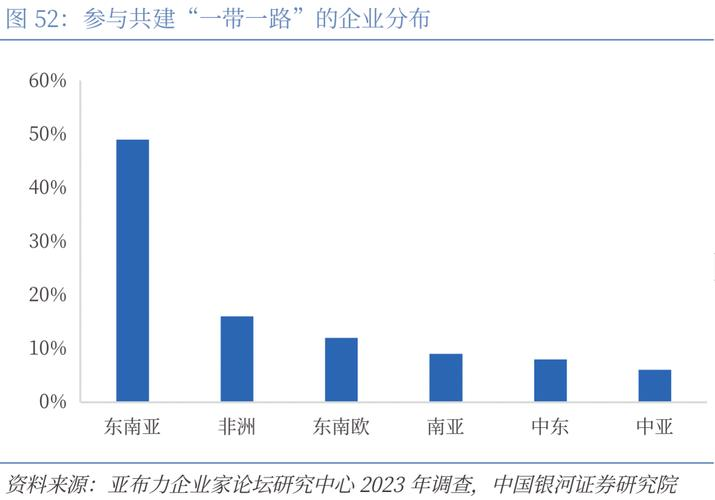
When an enterprise intends to enter a particular overseas country market, it should conduct a detailed local study in advance, carefully analyse the differences between the host country and its own culture, speculate about possible contradictions and take different measures to address different types of cultural differences. Cross-cultural conflicts arising from different management styles can be overcome by adapting management thinking in a timely manner; conflicts arising from different habits and modes of life can be resolved through cultural exchanges。
2. Establishment of an internal administration adapted to overseas
It is necessary to have a dedicated part-time staff to coordinate public relations, local media, etc., and to develop plans for related work。
3. Strengthening training in intercultural management
China has strengthened its efforts to train its employees in psychological and self-adaptation skills abroad in order to adapt them rapidly to their work and life abroad. Through the implementation of cross-cultural communication activities, employees from different cultural backgrounds have been made aware of the behaviour, culture and communication skills of other countries, so as to improve their responsiveness to different cultures and reduce cultural conflicts。
To contribute to building a community of human destiny
China's enterprises carry out engineering projects abroad. They must seriously consider the impact of the company's production operations on the host community. They must be held accountable to the stakeholders, including the owners, partners, local communities and the ecological environment. They must create “local friendly enterprises”, be “chinese enterprises that are respected by the local community”, achieve “common understanding” and contribute to building a community of human destiny。
1. Adherence to the concept of good faith and compliance
Compliance is an important competitiveness of enterprises in overseas markets. Businesses must be guided not only by profit, but also by laws and institutions, and must comply with domestic laws and regulations, as well as with the laws and regulations of the host country of the project, with the international community's business ethics, without speculation, and with legal compliance to safeguard their interests and security。
2. Upholding the concept of growing up with the local community
The first is to synchronize with local development needs. Actively tailoring projects around local needs, eagerly and as desired, to serve local economic development with chinese programmes, chinese wisdom, and to provide local “package packages” ranging from project construction to operation and talent development to meet local needs from the whole industry chain. Second, the quality of projects must be firmly guaranteed and high standards set to benefit long-term local development. Once again, green development and an eco-friendly focus。
3. Adhering to a vision that benefits local society
Overseas engineering projects are heavily invested, and local governments and the population generally hope that they will lead to local employment and the development of local related industries, making every effort to reduce community employment through the hiring of local employees and to stimulate related enterprise development through the use of local construction resources. Corporate social responsibility requires the active use of its expertise and strengths in areas such as helping to repair local communities ' roads, water wells, improving the local community's living environment, and participating in local emergency and emergency response。
As long as chinese enterprises consciously strengthen their efforts to study and resolve cross-cultural problems, they will gradually adapt to cross-cultural differences in the future, successfully passing the “language of language communication, cultural integration, territorial operations, cultural communication and capacity-building” and creating more indigenous international enterprises for high-quality joint construction of the “one road”。
(by china land wood engineering group limited)