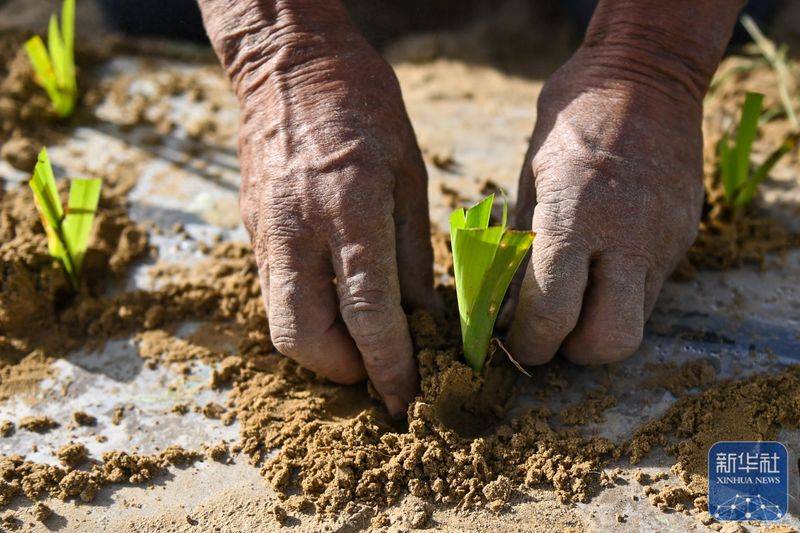
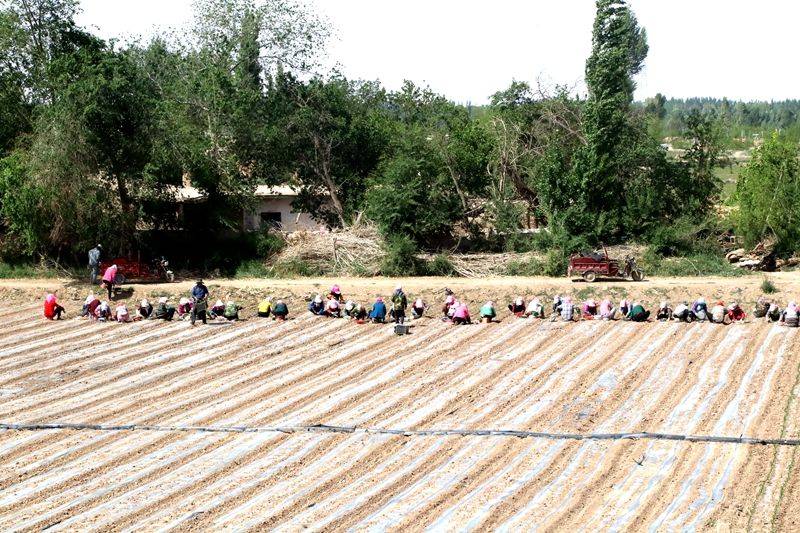
What's the worst thing about tomatoes? Polio, plagues ... These diseases, when they occur, tend to rely only on chemical pesticides. Today, however, a change in the green production of tomatoes is occurring in the test fields in the chengdu district。
1 biopesticide alternative chemical pesticide tomato cultivation to green upgrading
This year, chengdu xinyang crop science ltd., a major innovative technology test for green tomato production, was carried out by chengdu town agricultural technology extension station. The experiment used biological pesticides such as garlic, cane extracts to replace traditional chemical pesticides and specifically to combat major diseases such as tomato ashilosis and late disease。
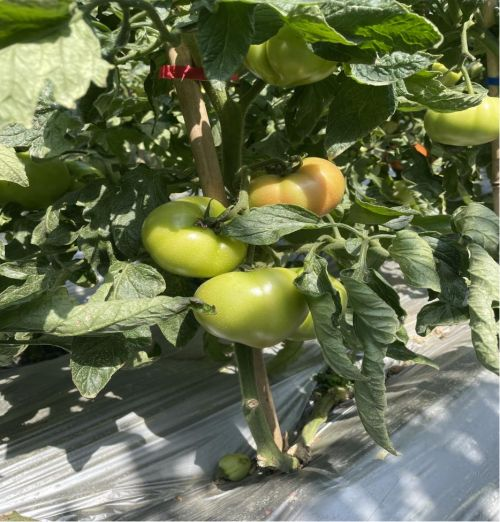
The tomato green production test field
2 technology core biocontrol from soil to fruit
The experiment, aimed at reducing pesticide residues on tomatoes and exploring green production technologies, introduced systematic green control programmes:
Soil treatment: soil disinfection with garlic before planting。
Biocontrol: biopesticides (e. G., garlic, cyanol, tiger cane extracts, etc.) are sprayed five times from the first fruit to replace traditional chemical pesticides (e. G., cartilage, frosted manganese zinc, etc.) at intervals of 7-10 days. The selected biological pesticide is derived from natural plants and is environmentally friendly and effectively inhibits the growth of pathogens。
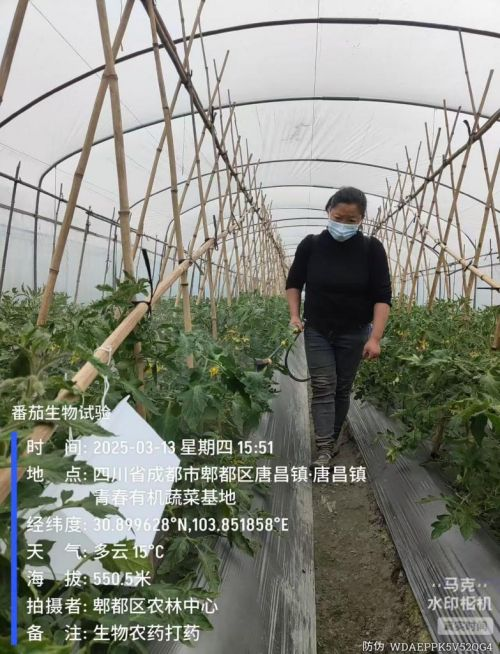
Staff administered drugs to test fields
3 pilot results reduced by over 50 per cent and production remained stable
It is encouraging to note that the experiment has yielded significant results:
Results of the experiment: reduction of agricultural disability and viability of production。
The data show that:
1. A significant reduction in agricultural residues: a reduction of more than 50 per cent in tomato residues following substitution with biological pesticides. In the medium term, 246 agricultural disability tests were “undetected” and considered “0” agricultural disability。
2. Production security is strong: the production of test tomatoes has remained stable and increased by more than 10 per cent compared to traditional chemical pesticide control, with no decline。
3. Cost control: although biopesticides are used, integrated application costs are comparable to chemical control。
4 extension prospects provide strong support for green transformation of vegetables
“this outcome means that while ensuring the quality of agricultural products, we can also guarantee the economic benefits of growers. The project leader states. The success of the experiment has provided strong support for the green transformation of the vegetable industry, leading to a greener and safer basket。
This technology will continue to be validated by the urban agricultural extension centre and is planned to be gradually extended throughout the city. The biopesticide solution offered by chengdu xinyang crop science inc. Offers new possibilities for green agricultural development。
In the future, as this technology becomes available, not only growers will benefit, but consumers will be able to eat more safe and healthy tomatoes and truly achieve green safety throughout the entire field to the table. This is not only an upgrading of cultivation techniques, but also an innovation in agricultural development concepts。