When a small pine pc360-8 excavator shuts down and mechanical factors such as fuel jams and gas leaks have been eliminated, the focus of the maintenance should shift to a more sophisticated engine electrical control system. The performance of modern electric-controlled diesel engines (e. G., common jet engines with small pine equipment) is controlled entirely by the electronic control unit (ecu) and its full-body sensor network. Any failure of a key signal or of an implementer could lead to a miscalculation by the eu, which could trigger a sudden “wire off” of power, causing a brake. The aim of this paper is to unmask the mysterious veil that has led to the holding of cars。
01#
Core principles: how does the eu harmonize power to avoid holding up
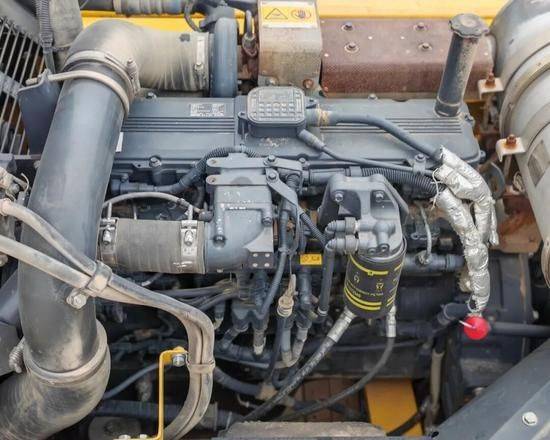
The ecu is the “brain” of the engine, which maintains the steady output of the engine through a complex set of closed-ring control logics, the core of which is the following:
Signal capture: real-time monitoring of key parameters such as engine velocity, pressure increase pressure, cooling water temperature, oil door opening, etc。
(b) twisting calculation: the target oil volume (i. E. Target twist) is calculated on the basis of the current rate of rotation and the oil door requirements, taking into account the full working twist map in memory。
Maximum protection: multiple protection restrictions exist within the procedure, such as:
Tobacco intensity limit: prevention of too much black smoke and temporary restriction of oil spray at acceleration。
Gas intake limit: amend maximum spray volume based on actual pressure increase to avoid deterioration of the combustion of “gas less” oil。
Overheating protection: active reduction of power when water is too hot。
Instruction output: the final calculated oil-spray signal is sent to the oil dispenser, while the hydraulic system needs are coordinated by communication between the can bus and the vc valve of the hydraulic pump。
The essence of the failure: when a sensor provides a wrong signal or the implementer (e. G. An oil dispenser) is unable to respond correctly, the above-mentioned precision closed loop control is broken. For example, if the pressure pressure signals are low, the euu may wrongly think that the gas is sufficient to increase the spray, and the burning will deteriorate, resulting in a lack of instantaneous power to hold the vehicle。
02#
Critical troubleshooting: sensors and implementers
Sensor failure ( "sentry" providing false information)
Executor failure ( "soldiers" with ineffective orders)
Brain itself and circuit failure
03#
Professional diagnostic process
Connector diagnostic machines: the computer is diagnosed using a special or generic heavy diesel machine to access the engine system。
Read the freeze frame and failure code: data from the moment of failure are stored in the freeze frame and can be directed in conjunction with historical failure code and current failure code analysis。
Dynamic data flow analysis (key steps): focusing on monitoring of:
Active test & contrast: use the active test function of the diagnostic instrument to drive a single implementer (e. G., fuel metering unit), to observe system response, or to compare data flow with normal equipment of the same type。
04#
Maintenance of advice and understanding
The stifling failure caused by the electrical control system, with its hidden and intermittent character, is by no means invisible. It requires the maintenance staff to move from the traditional “wrestling thinking” to the “data thinking”. The diagnostic computer's data stream is a “detection light” to light the truth about the failure. A systematic analysis of the consistency and reasonableness of sensor signals, as well as the ability of the implementer to respond, will allow precision to be placed at the failure point, avoiding blind replacement of parts. The diagnostic method of mastering the electrical control system is the technical threshold that modern excavator maintenance technicians must cross。